


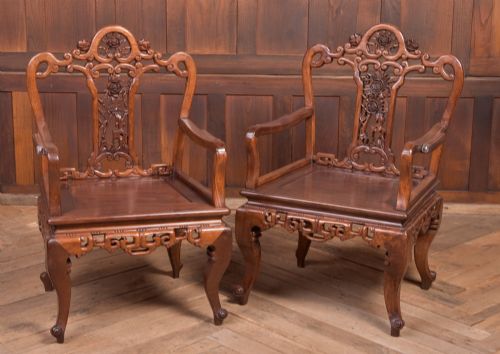
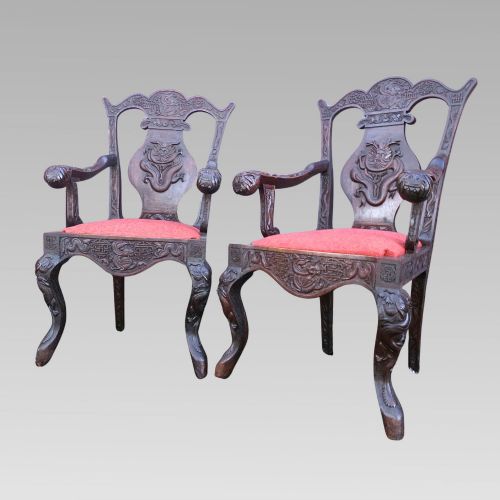

Dark Hardwood Chairs
Dark hardwood chairs bring dense timber, intricate carving, and global influences into a room, spanning Qing Dynasty workshops, Victorian parlours, and colonial British territories.
Dark Hardwood Chairs
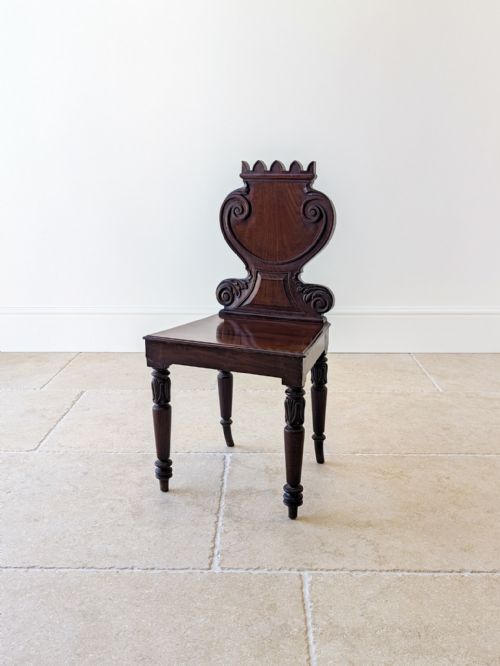
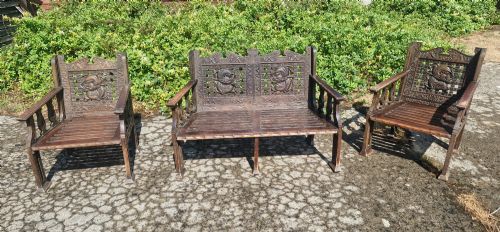
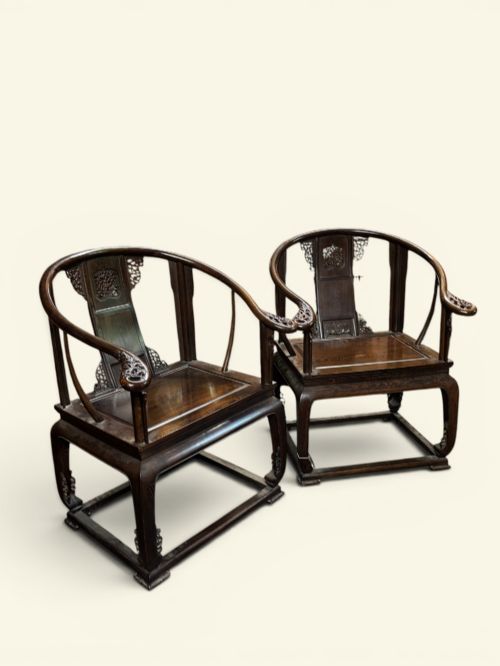
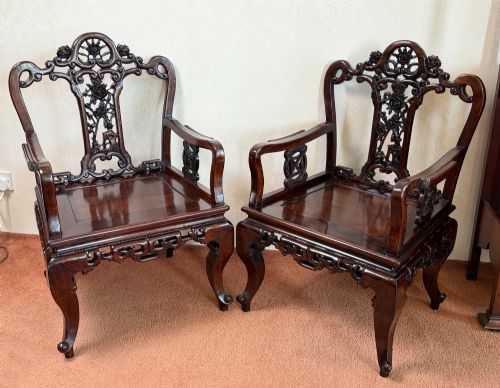
Dark hardwood chairs encompass a wide variety of seating forms, ranging from single armchairs and hall chairs to complete dining sets and conversation suites. When exploring dark hardwood chairs on this page, buyers frequently encounter pieces originating from 18th-century, 19th-century, and early 20th-century periods.
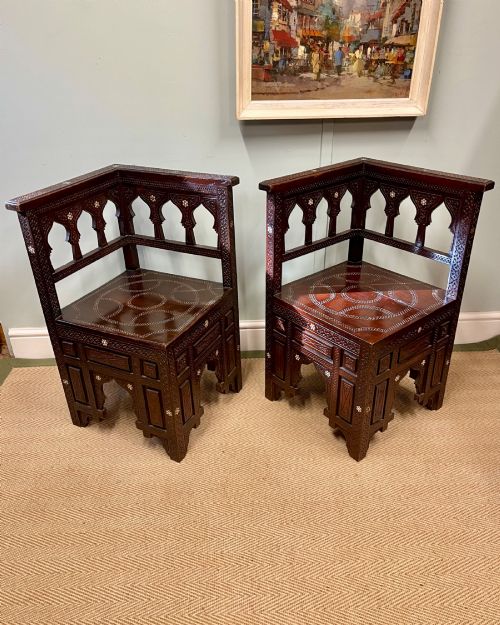
Makers utilised dense, heavy timbers to construct pieces that served both functional domestic roles and formal display purposes. Buyers find items adorned with intricate motifs, mother-of-pearl inlay, and brass details that reflect the aesthetic priorities of their specific period of origin.
Materials and Construction
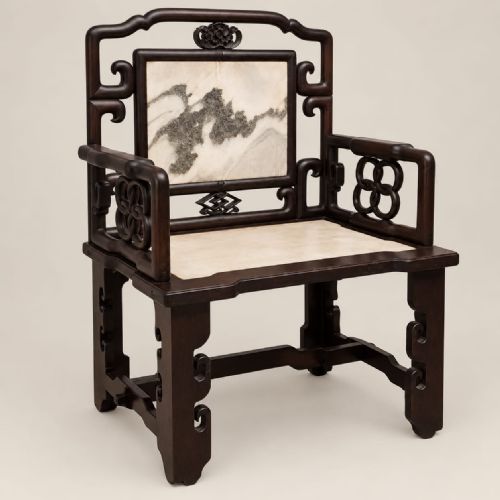
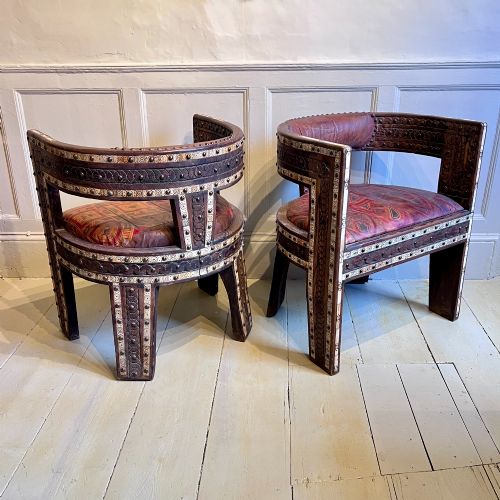
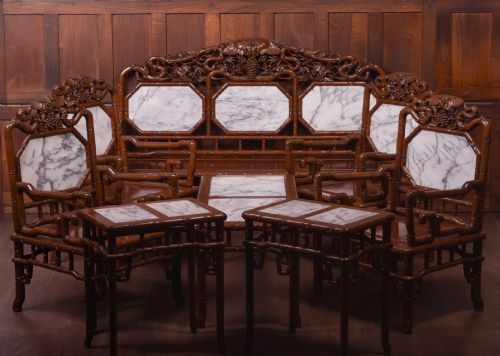
Craftsmen built these seats using heavy, durable timbers such as rosewood, teak, padouk, elm, and hongmu, often enhanced with brass inlay, marble inserts, or leather upholstery. Artisans shaped the dense wood using traditional joinery methods suited to the specific demands of each regional workshop.
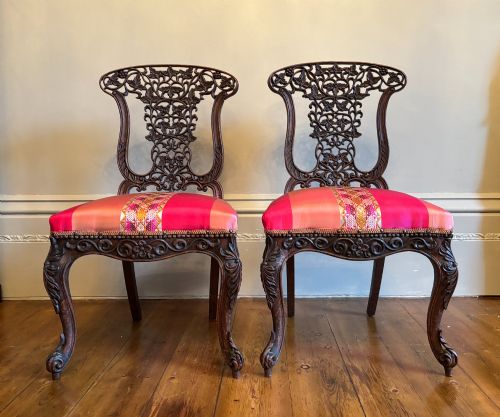
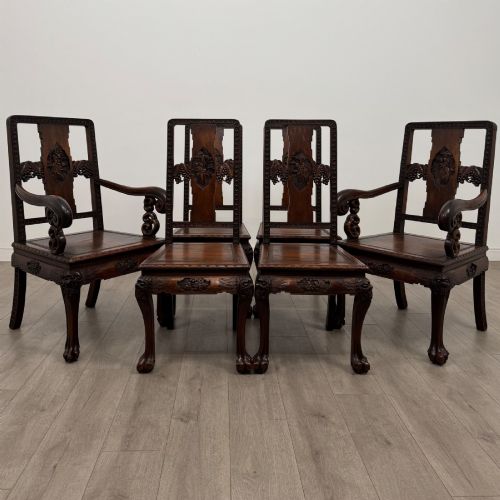
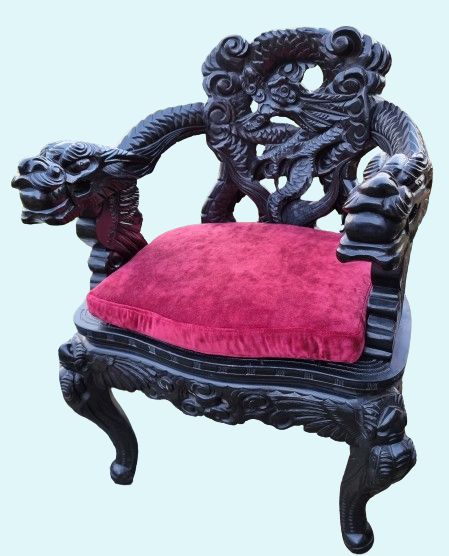
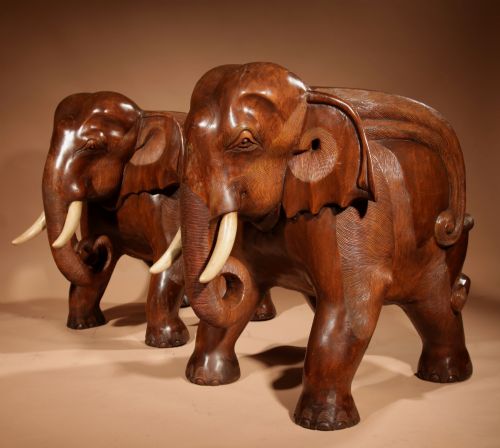
Carving serves as a primary decorative technique, with workshops applying deep relief work depicting dragons, foliage, and geometric patterns directly onto the structural elements. Surfaces frequently receive polished finishes that highlight the natural grain and dark tones of the underlying timber.
Dark Hardwood Chairs Retail Price Guide 2026
Typical asking prices for dark hardwood chairs among the pieces listed under this phrase on Sellingantiques today, from the lower quarter to the upper quarter. They describe what is for sale here now, not the wider market.
Available forms include dining sets, parlour suites, piano stools, day beds, and folding horseshoe-back chairs dating from the eighteenth century onwards.
Assessing Quality and Execution
Quality in these seating items depends on the depth and crispness of the wood carving, alongside the structural integrity of the joinery. Pieces featuring deeply undercut motifs and well-balanced proportions demonstrate superior craftsmanship compared to simpler, more uniform production work.
The selection of timber significantly influences the overall character, with dense rosewood and hongmu exhibiting richer natural grain than standard domestic hardwoods. Intricate embellishments such as precise brass inlay or carefully fitted mother-of-pearl details elevate the standing of a piece within its stylistic category.
The Dark Hardwood Chairs Glossary
- Hongmu
- A dense, heavy tropical hardwood prized by Chinese furniture makers for its deep colour and durability. It frequently appears in formal Qing Dynasty seating.
- Horseshoe-back
- A distinctive chair design featuring a continuous curved top rail that forms both the backrest and the armrests. This shape derives from classical Chinese furniture traditions.
- Padouk
- A sturdy reddish-brown tropical timber utilised in Burmese and other regional workshops for heavy carved armchairs. It darkens naturally over time with exposure to light.
- Anglo-Indian
- A style of furniture produced in India during the British colonial period, combining traditional local carving techniques with European furniture forms such as dining sets and large armchairs.
- Qing Dynasty
- The final imperial dynasty of China, spanning from the mid-seventeenth to the early twentieth century. Pieces from this era often feature elaborate dragon motifs and formal throne designs.
Dark Hardwood Chairs: Frequently Asked Questions
What are dark hardwood chairs?
Dark hardwood chairs are seating pieces constructed from dense tropical timbers like rosewood, teak, and hongmu. They originate from various regions including China, India, and North Africa.
These items range from single armchairs and hall seats to complete dining suites, featuring intricate hand-carved ornamentation and distinctive regional styles spanning the eighteenth to early twentieth centuries.
How do I identify a Qing Dynasty chair?
Qing Dynasty chairs typically display heavy proportions, dark dense timbers like hongmu, and deep relief carvings often depicting dragons or formal motifs. They frequently take the form of throne chairs or horseshoe-back designs.
Examining the construction methods and the crispness of the carved details helps distinguish these formal pieces from later revival styles.
How were folding horseshoe-back chairs used?
Folding horseshoe-back chairs served as portable status seats for high-ranking individuals in historical Chinese households. Their hinged frames allowed them to be collapsed and transported easily.
In modern interiors, these sculptural chairs function well as accent seating in living spaces or hallways where their distinctive curved profiles can be appreciated.
How do I care for antique hardwood seating?
Care for antique hardwood seating involves maintaining stable indoor humidity levels and keeping pieces away from direct heat sources to prevent timber splitting. Regular dusting with a soft, dry cloth preserves the polished finish.
Avoiding harsh chemical polishes ensures the aged patina of the wood remains intact over decades of domestic use.