




Antique Hardwood Armchairs
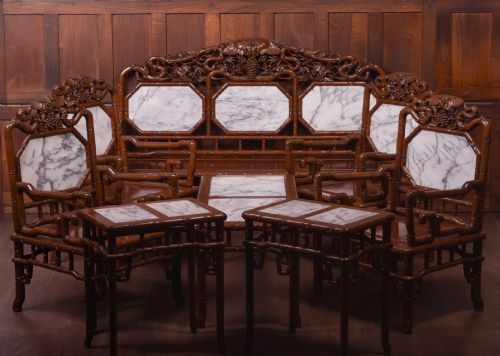
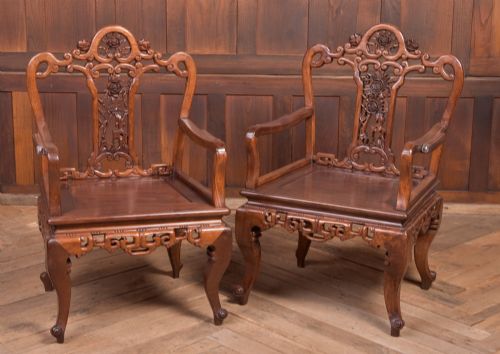
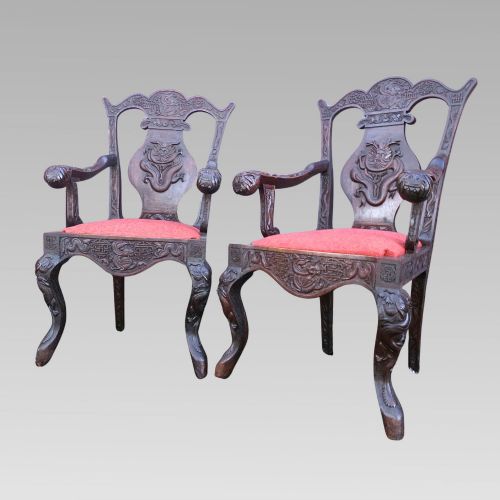
These antique hardwood armchairs bring together centuries of dense timber, deep carving and formal seating traditions from China, India and Europe.
Antique Hardwood Armchairs
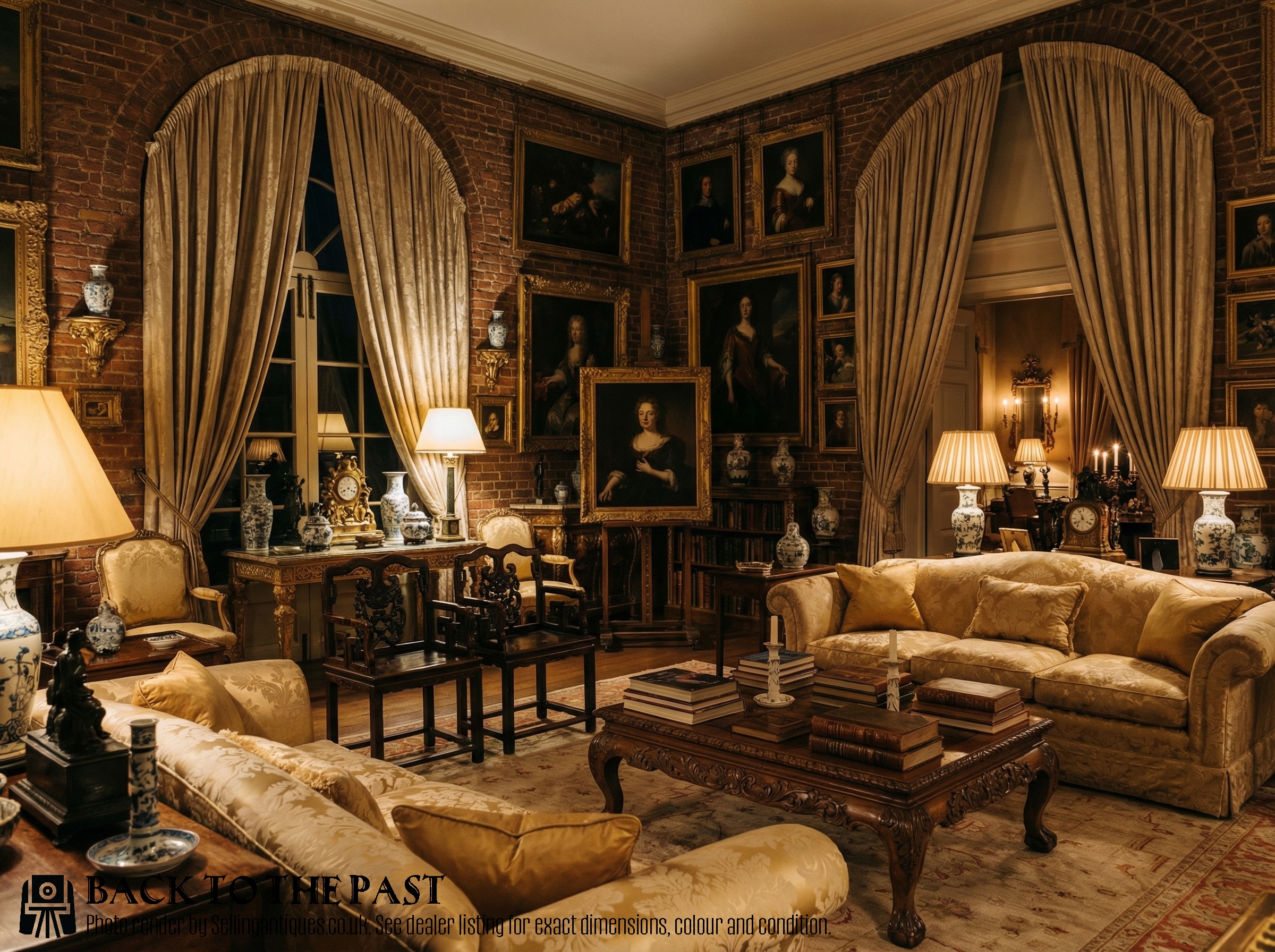
When you search for antique hardwood armchairs, you encounter heavy timber seating designed for formal halls, domestic parlours and conservatory suites. The selection spans the eighteenth, nineteenth and early twentieth centuries, drawing heavily on Chinese Qing Dynasty forms, Anglo-Indian craft and European revival styles.
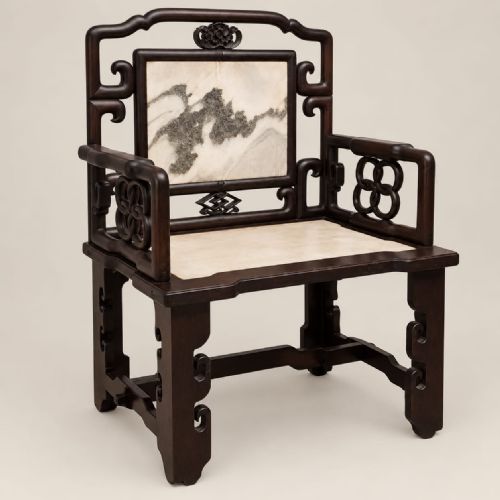
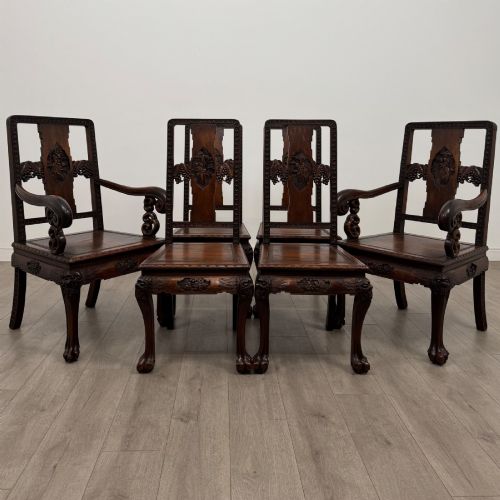
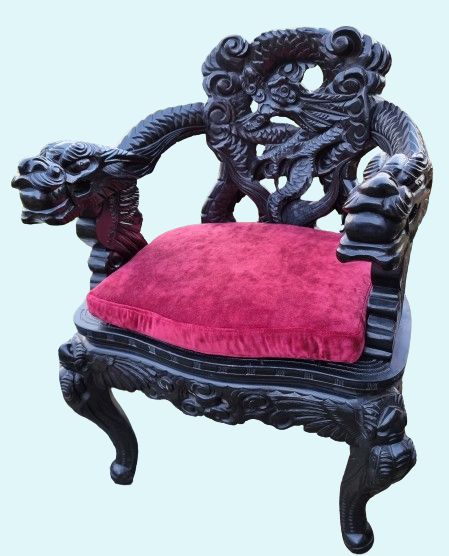
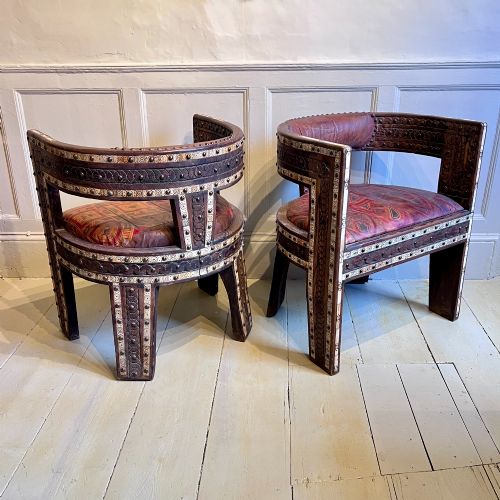
You will frequently meet pairs and suites rather than isolated seats, including horseshoe-back armchairs, folding throne chairs and corner seats. The timber frame carries carved dragons, floral motifs or brass inlay, reflecting the varied origins across the Far East and British colonial territories.
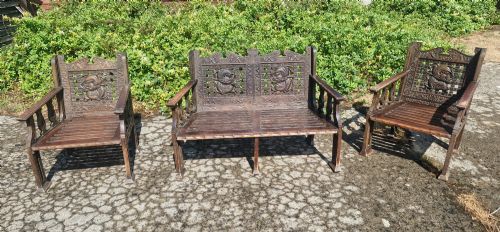
The assortment also encompasses seating sets, day beds and parlour suites built from dense regional woods. These pieces served ceremonial and domestic roles, ranging from rigid throne chairs to curvaceous export designs.
How they were made
Cabinet makers utilised dense exotic timbers such as hongmu, rosewood, teak and elm, selecting woods that tolerate intricate hand-carving without splitting. These heavy materials provide the structural integrity required for complex joinery, including folding mechanisms and horseshoe frames.
Surface decoration relies on deep relief carving, brass wire inlay, mother-of-pearl embellishment and dark lacquering. Artisans shaped the armchairs using traditional mortise and tenon joints, often combining structural elements with applied decorative panels.
Antique Hardwood Armchairs Retail Price Guide 2026
Typical asking prices for hardwood armchairs among the pieces listed under this phrase on Sellingantiques today, from the lower quarter to the upper quarter. They describe what is for sale here now, not the wider market.
One day bed doubles cheerfully as a stargazers chair, offering an unexpected angle on nineteenth-century relaxation.
What varies in quality
Quality rests primarily on the depth and crispness of the carving, the selection and grain of the hardwood, and the stability of the original joinery. Pieces featuring deeply undercut dragons, floral work or detailed brass inlay demonstrate superior workshop execution.
The integrity of the timber frame and the retention of original surface finishes dictate the standing of an armchair. Uniformity in pairs, well-executed joinery in folding mechanisms, and uncompromised structural weight separate ordinary seating from exceptional examples.
The Antique Hardwood Armchairs Glossary
- Hongmu
- A dense, dark Chinese hardwood prized for furniture production. It translates literally to red wood and patinates richly over time.
- Horseshoe-back
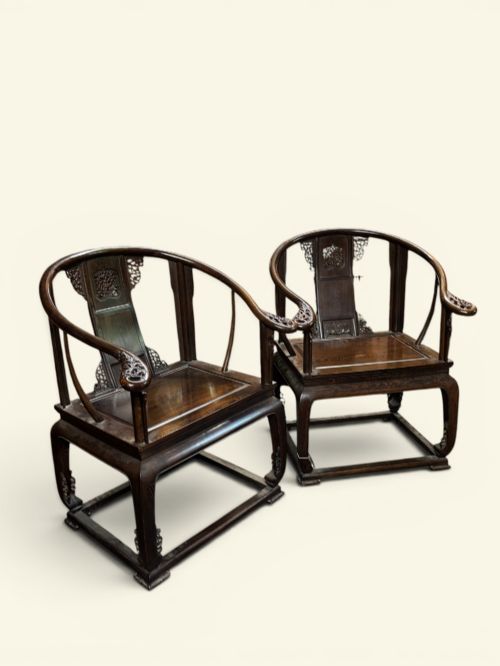
- A chair design featuring a continuous curved top rail that forms both the backrest and the armrests. This ergonomic form originates in classical Chinese seating.
- Savonarola style
- A folding X-frame chair design of Italian Renaissance origin, later adopted by Indian and Anglo-Indian workshops. It consists of multiple interlacing curved wooden slats.
- Qing Dynasty
- The final imperial dynasty of China, spanning from sixteen forty-four to nineteen twelve. Furniture from this era often exhibits formal symmetry and elaborate dragon carvings.
- Anglo-Indian
- Describing decorative objects and furniture made in India during the British colonial period. These pieces fuse traditional Eastern forms with Western utility and taste.
Antique Hardwood Armchairs: Frequently Asked Questions
How do I identify a horseshoe-back armchair?
Look for the continuous semi-circular rail that sweeps unbroken from the arms around to form the backrest. This structural shape supports an upright posture while offering curved elbow rests.
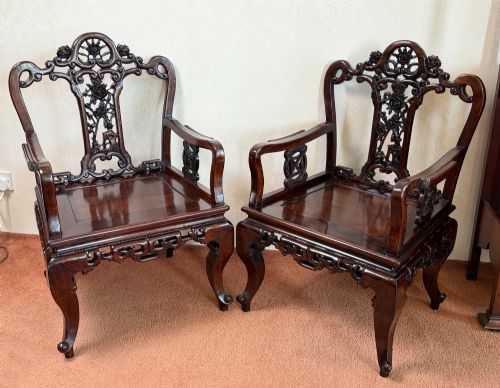
Such chairs often feature an internal wooden splat or openwork carving beneath the upper rail, frequently seen in nineteenth-century Chinese examples.
Where were these hardwood armchairs manufactured?
The evidence points to workshops across China, various regions of India including Hoshiarpur, and select European makers influenced by foreign styles. Chinese export items and Qing Dynasty pieces form a large portion of the available range.
Colonial Anglo-Indian pieces and French Art Nouveau interpretations also appear, demonstrating a wide geographic spread of production.
What woods should I expect to find?
The listings record dense timbers including rosewood, teak, elm, hongmu, and general dark hardwoods. These heavy materials were chosen for their durability and capacity to hold fine, sharp carvings.
Secondary additions sometimes include brass wire inlay, mother-of-pearl panels, or lacquer finishes applied over the wooden frames.
Are these armchairs sold as singles or pairs?
Many of the seating options are offered in matched pairs or larger parlour and conservatory suites. Single armchairs, day beds, and corner chairs also occur independently.
Matching pairs are particularly prevalent among nineteenth-century Chinese throne chairs and horseshoe designs intended for formal reception rooms.
How do I care for antique hardwood furniture?
Maintain stable indoor humidity levels to prevent the dense timber and intricate joinery from drying out or splitting. Avoid placing the chairs in direct sunlight to protect the original polished or lacquered surfaces.
Dust regularly with a soft, dry cloth and apply occasional specialist wax only if the timber finish requires nourishment.