



Dark Green Glass
Dark green glass brings deep, rich colour and historic character to interiors through functional vessels and decorative items.
Dark Green Glass
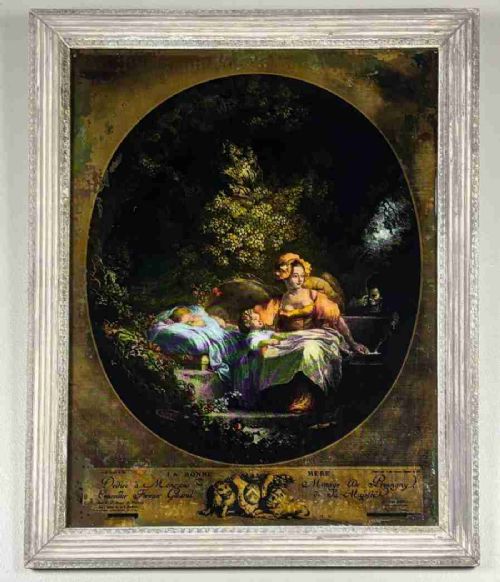
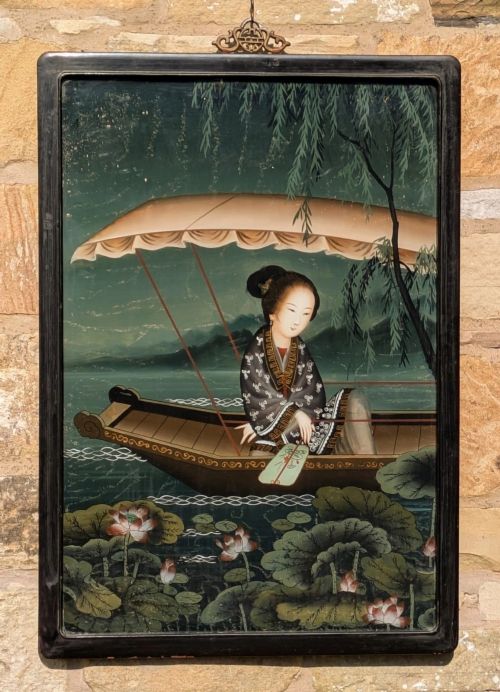
Dark green glass encompasses a range of historic vessels and decorative items spanning the eighteenth and nineteenth centuries. Buyers searching for dark green glass encounter utilitarian containers, storage jars, and drinking vessels alongside framed reverse prints and oil paintings featuring green glassware.
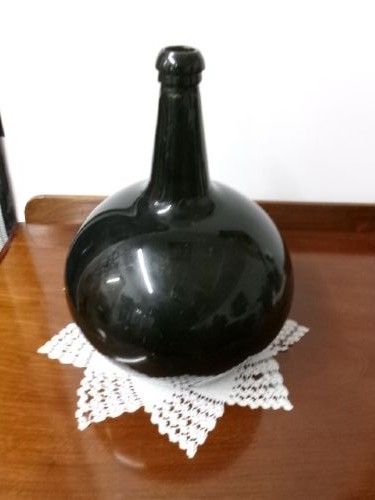
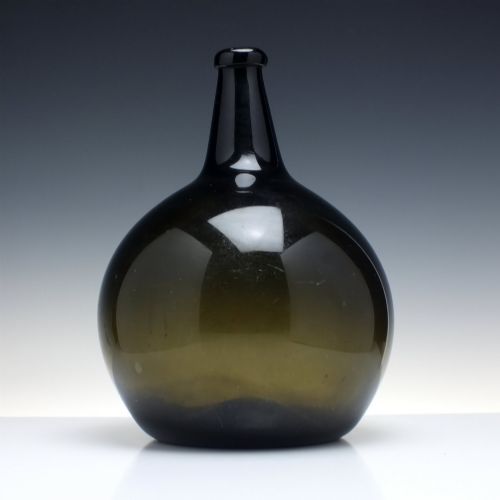
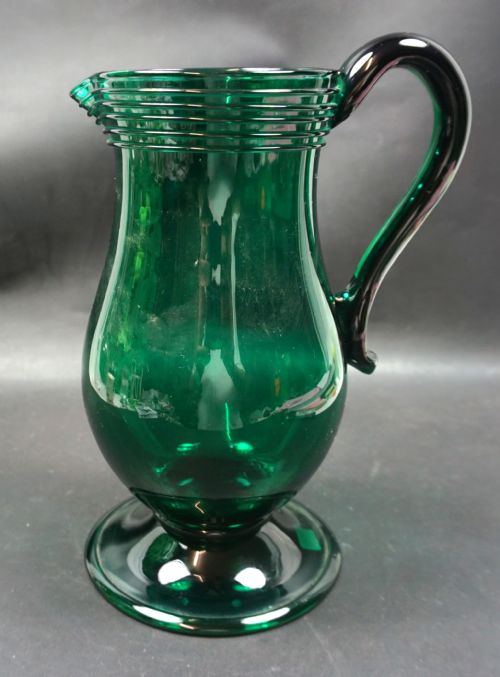
The selection on this page leans heavily towards Georgian and Victorian pieces, including onion apothecary bottles, wine bottles, and table wine glasses. Items range from sturdy French pickling jars and Scottish Alloa wine bottles to English jugs with folded feet and trail rims.
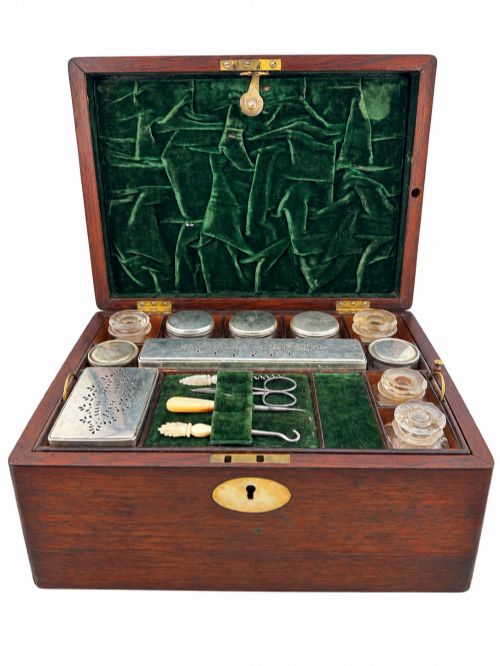
Beyond standalone bottles and glassware, the category extends to larger decorative items and wall art incorporating glass surfaces. Pieces span centuries of craftsmanship, connecting functional domestic objects with traditional artistic mediums.
How dark green glass was made
Makers utilised free-blowing and mold-blowing techniques to shape molten glass into heavy storage containers and delicate drinking vessels. Metal oxides added to the batch created the characteristic deep green hue seen in Georgian and Victorian bottles.
Workshops employed tools like pontils to handle the hot metal, leaving characteristic scars on the bases of hand-blown vessels. Artisans formed details such as folded rims and applied trailing by hand while the glass remained pliable.
Dark Green Glass Retail Price Guide 2026
Typical asking prices for dark green glass among the pieces listed under this phrase on Sellingantiques today, from the lower quarter to the upper quarter. They describe what is for sale here now, not the wider market.
Early glass makers added iron impurities to sand, accidentally inventing the rich dark green that protected our ancestors' wine from spoiling.
What varies in quality
Quality rests in the purity of the metal and the dexterity shown in free-blown manipulation. Heavier vessels demonstrate consistent wall thickness and deliberate tool marks from shaping.
The Dark Green Glass Glossary
- Pontil mark
- The rough scar left on the base of a blown glass vessel where the pontil rod was attached during manufacture. This feature helps identify hand-blown items from later machine-made pieces.
- Rib moulded
- A glass vessel formed by blowing molten metal into a patterned mould to create raised vertical lines. This technique added structural strength and decorative texture to early bottles and glassware.
- Reverse painting on glass
- An artwork created by applying paint or pigments to the reverse side of a glass sheet so the image is viewed through the front. This delicate technique produced glossy, preserved surfaces popular in historical interiors.
- Trail rim
- A decorative thread of molten glass applied around the top edge of a vessel. Artisans wrapped this glass trail while hot to reinforce the opening and add visual contrast.
Dark Green Glass: Frequently Asked Questions
How old are dark green glass bottles?
Many dark green glass bottles on this page date from the Georgian and Victorian eras, specifically between the late eighteenth and mid nineteenth centuries. Production methods such as free-blowing and early mould techniques indicate these periods.
Earlier examples from the seventeenth and eighteenth centuries often display heavier walls, deep indentations known as kick-ups in the base, and distinctive patination.
How were dark green glass wine bottles used?
These dark green glass vessels served primarily for storing, maturing, and serving wines and spirits like Calvados. Their deep colour protected sensitive contents from light degradation.
Over time, sturdy onion and cylinder bottles transitioned from utilitarian tavern and merchant containers into decorative display pieces.
What is an Alloa glass bottle?
An Alloa glass bottle refers to a specific type of dark green glass wine bottle produced in the Scottish town of Alloa during the late eighteenth and early nineteenth centuries. These heavy-walled vessels were widely used for commercial wine distribution.
Collectors recognise Alloa bottles by their distinct forms and deep green hues resulting from local raw materials and furnace practices.