


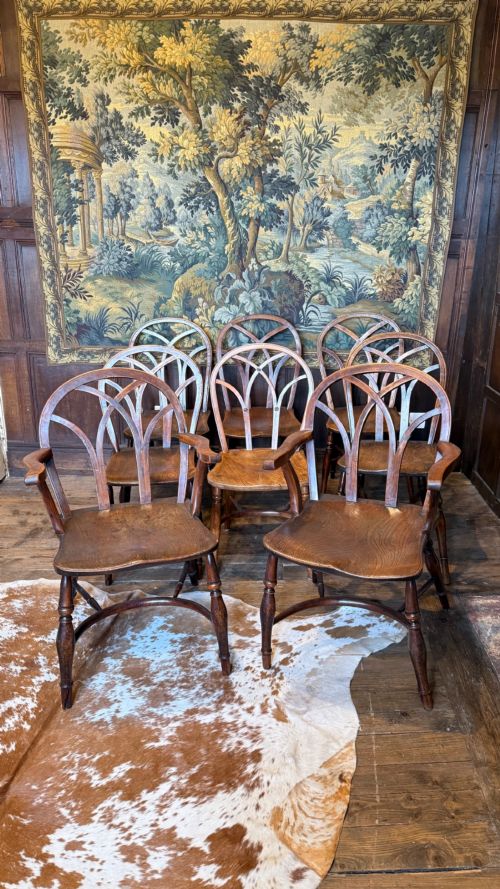
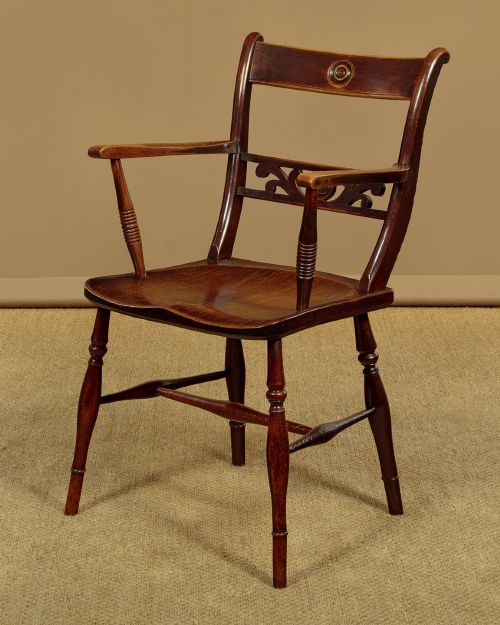
Dark Elm Desk Chair
A dark elm desk chair brings tangible character to a room, offering robust construction and distinct regional timber variations across multiple historical periods.
Dark Elm Desk Chair
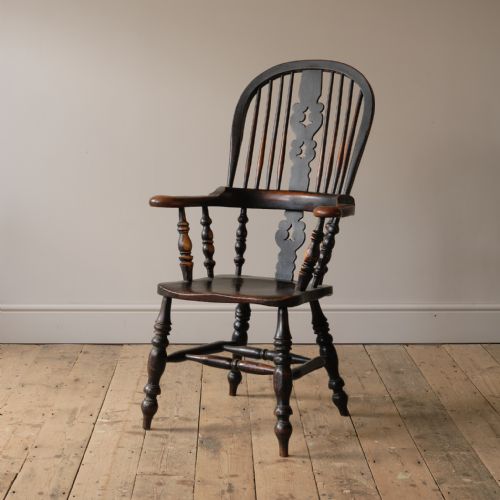
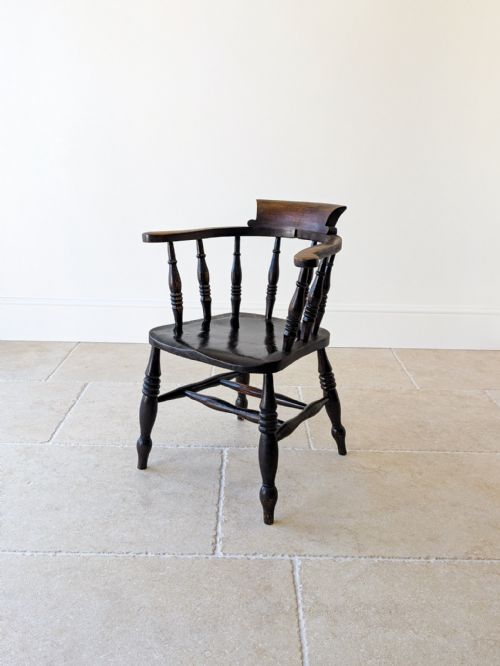
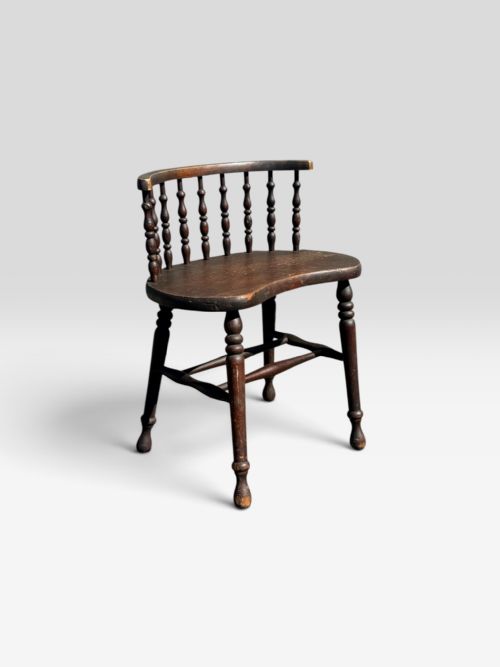
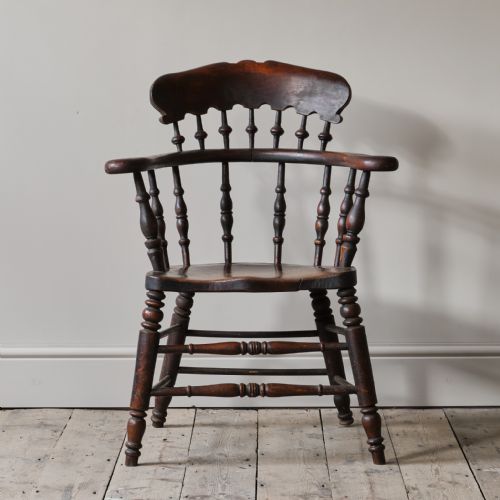
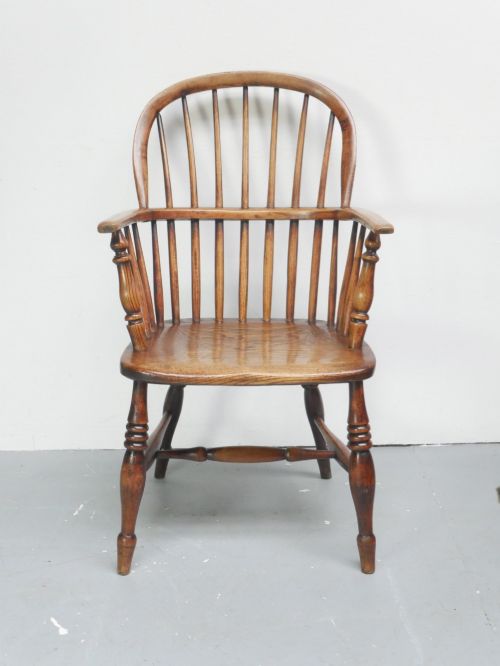
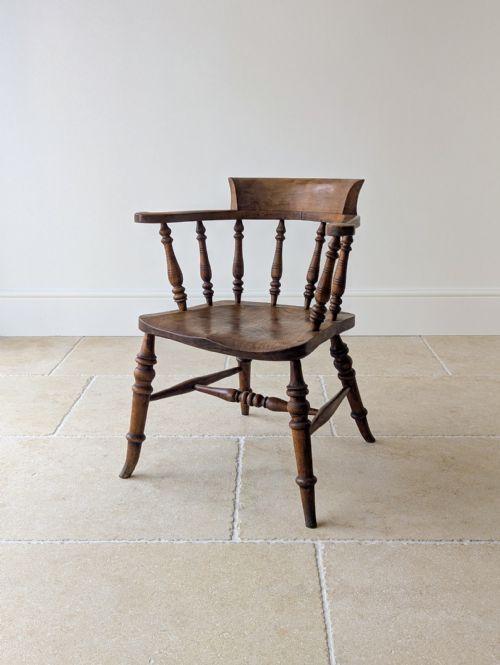
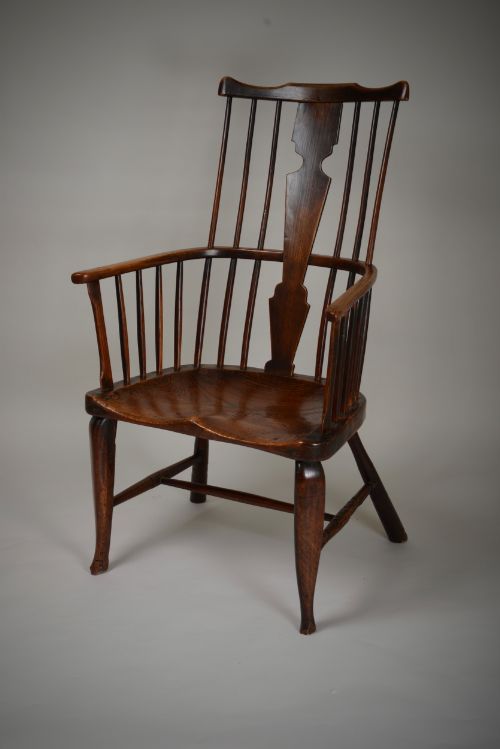
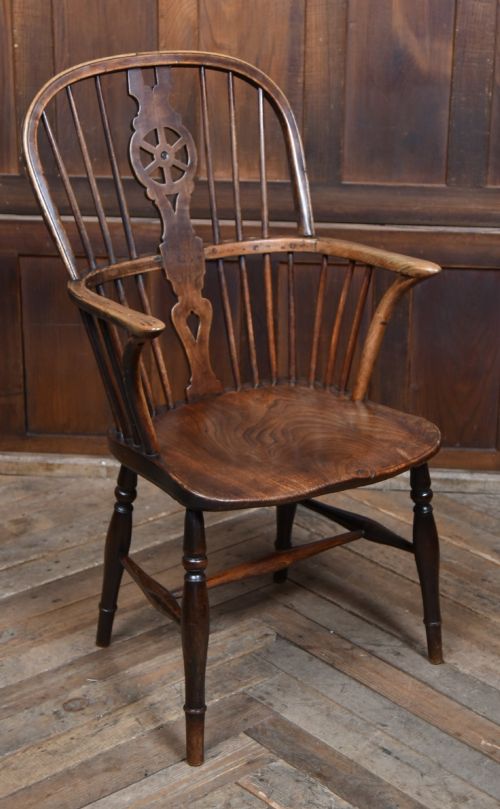
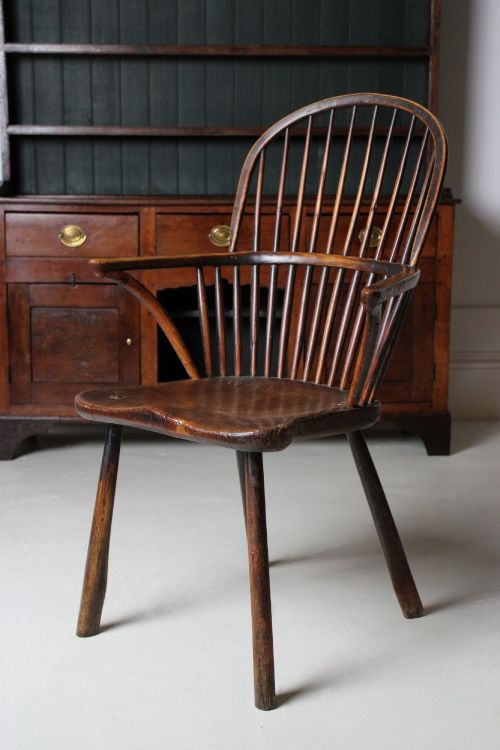
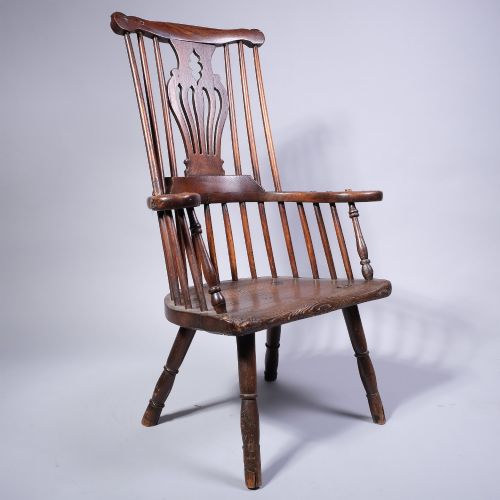
When searching for a dark elm desk chair, buyers encounter a diverse selection of traditional seating forms originating from various regional workshops. The examples found here span from the eighteenth century through the Victorian era and into the early twentieth century, encompassing distinct styles such as Windsor, Captain's, and Smokers Bow armchairs. Most pieces combine a solid elm seat with complementary timbers, fulfilling both utilitarian and decorative roles in traditional interiors.
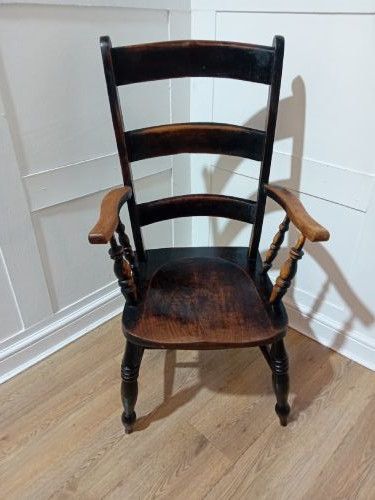
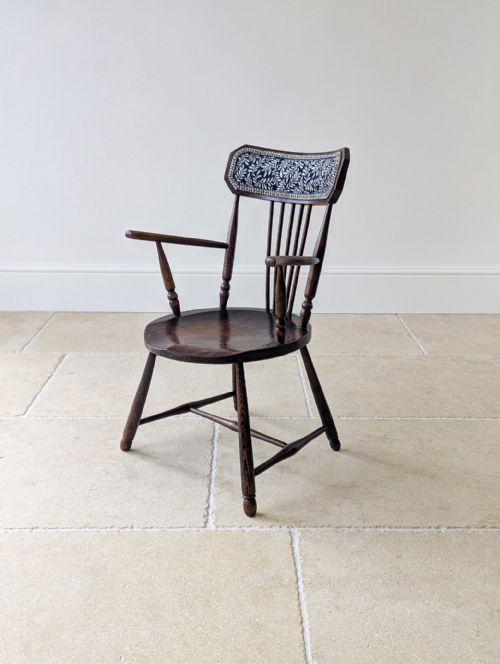
The assortment includes regional variations like Thames Valley Oxford chairs, Scottish armchairs, and West Country pieces alongside vernacular Georgian and Victorian country seating. Forms range from broad arm and comb back designs to wheel back, stick back, and spindle back configurations. Buyers are most likely to meet nineteenth-century Victorian interpretations alongside earlier eighteenth-century vernacular chairs.
How they were made
Construction relies heavily on traditional bodging techniques where multiple timber species serve specific structural purposes. Elm provides a tough, highly figured seat that resists splitting, whilst ash, beech, and yew are utilised for steam-bent bows, spindles, and legs.
Makers shaped seats from solid elm planks using adzes and scorps to create comfortable saddle shapes. Spindles and legs were typically turned on pole lathes and secured into bored seats with wedges, occasionally incorporating textiles for added upholstery.
Listings feature elm combined with ash, beech, yew, oak, alder, and textile across eighteenth, nineteenth, and early twentieth-century periods.
What varies in quality
Quality separates through the selection and figure of the timber, particularly the depth of grain in the elm seat and the integrity of the turned components. Superior examples display careful matching of secondary woods like ash, beech, or yew, alongside well-balanced proportions in the arms and back bows.
The degree of original finish and surface patination heavily influences a piece's standing. Chairs retaining untouched surface qualities and tight, honest joinery without excessive past repairs command greater appreciation among collectors.
The Dark Elm Desk Chair Glossary
- Windsor chair
- A chair built with a solid wooden seat into which the legs and back spindles are directly fitted. This form developed distinct regional variations across the British countryside.
- Smokers Bow
- A low-backed armchair with a continuous curved arm rail supported by turned spindles, often utilised in domestic and commercial settings.
- Comb back
- A Windsor chair variation where the vertical back spindles extend upward through a top rail, resembling the teeth of a comb.
- Vernacular
- Objects made by local artisans following regional traditions rather than formal academic design rules. These pieces utilise locally sourced materials.
- Bodge
- A traditional method of woodland woodworking where green timber is shaped near the felling site using pole lathes and hand tools.
Dark Elm Desk Chair: Frequently Asked Questions
Are these chairs comfortable for daily desk work?
Many of these traditional chairs feature deeply dished saddle seats sculpted from solid elm, designed to provide ergonomic support during extended periods of sitting.
Arm heights and overall proportions vary significantly across regional styles, so checking specific dimensions ensures proper clearance beneath a workspace.
How do I identify an eighteenth-century chair?
Eighteenth-century examples often display broader proportions, simpler vernacular joinery, and deeper surface patination developed over centuries of use.
Construction details such as hand-turned spindles and unrefined wedged joints help distinguish these earlier pieces from later nineteenth-century revivals.
What woods are mixed with the elm?
Makers routinely combined elm seats with ash or beech for the bentwood bows and structural spindles due to their superior flexibility and tensile strength.
Some regional variations also incorporate yew wood or alder, creating subtle tonal contrasts across the backrest and undercarriage.
How should I care for the surface finish?
Maintaining the historical surface requires gentle dusting with a dry cloth and occasional application of traditional beeswax to nourish the aged timber.
Avoid placing these chairs near direct heat sources or in fluctuating humidity to prevent timber shrinkage and movement in the elm seats.