


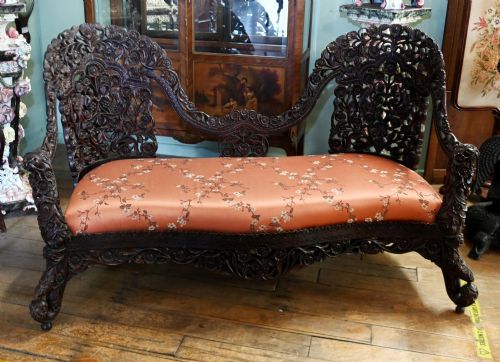
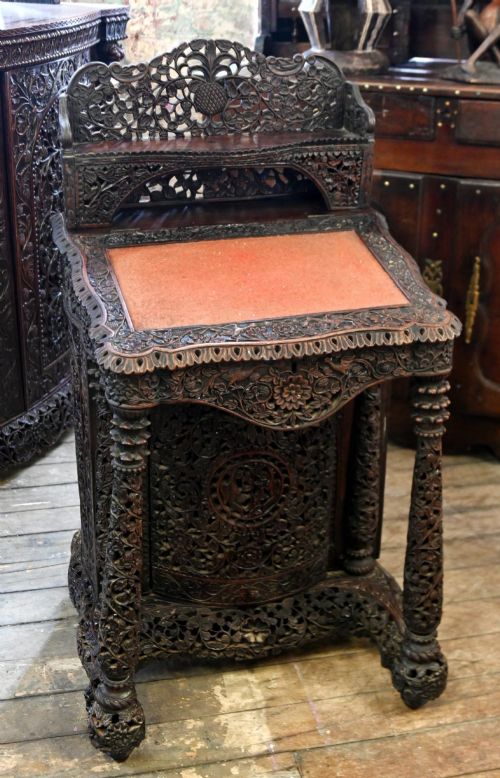
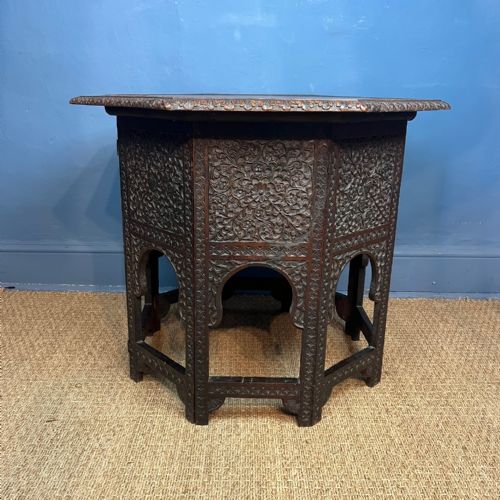
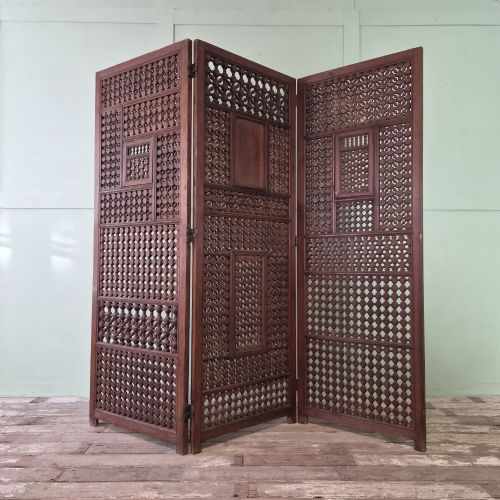
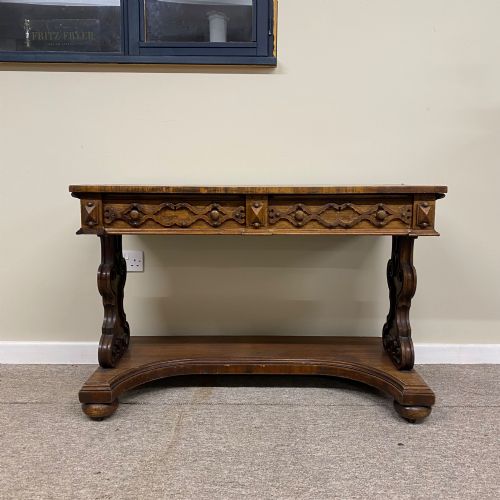
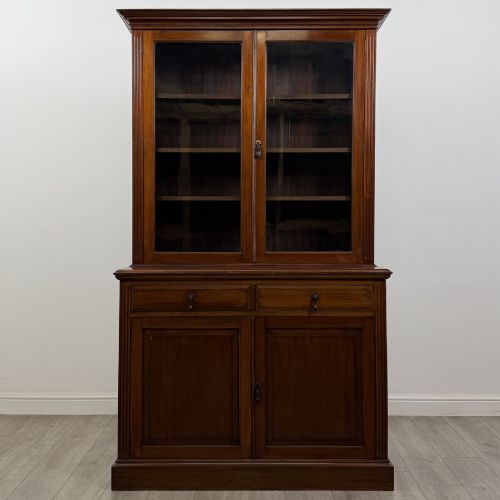

Dark Brown Wood Carving
These dark brown wood carving pieces bring rich timber texture and historical depth into a room, spanning centuries of craftsmanship.
Dark Brown Wood Carving
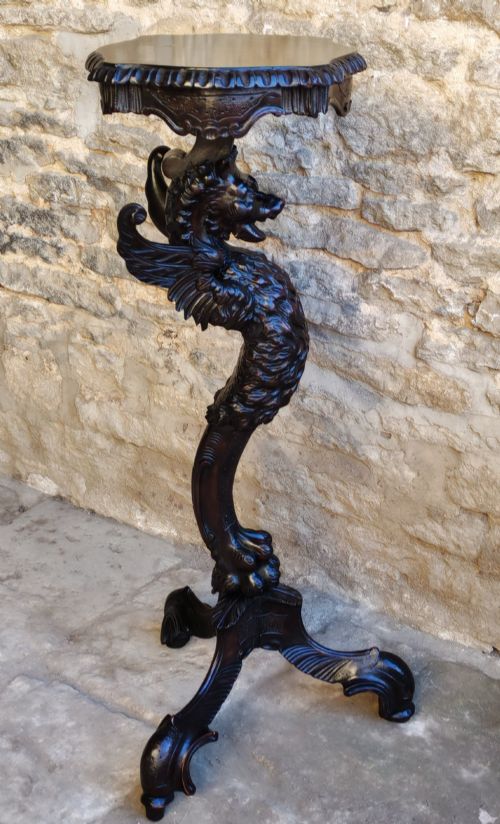
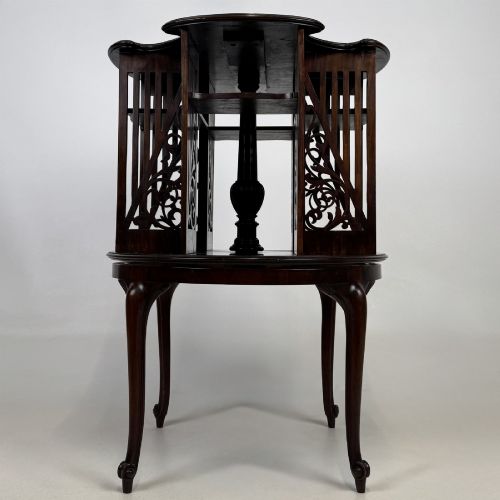
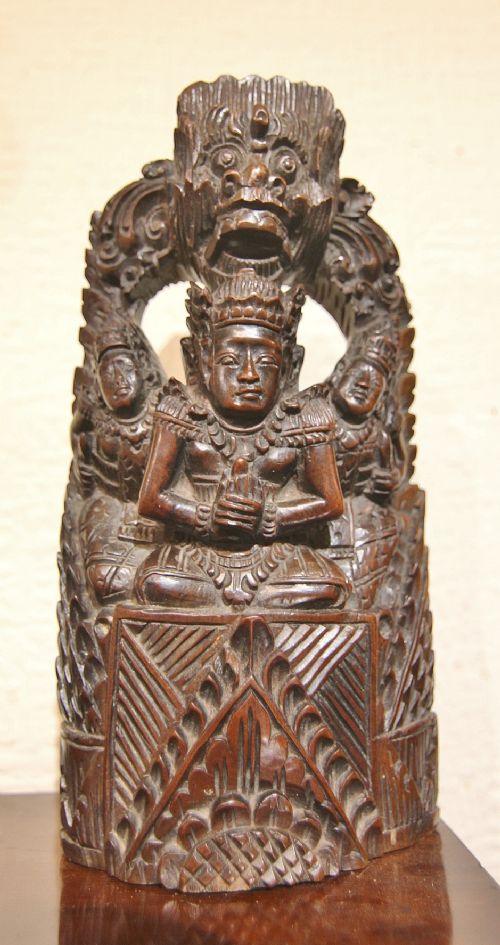
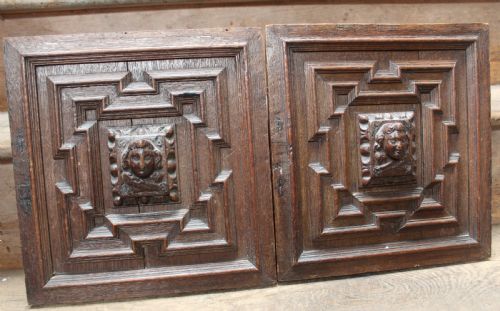
A dark brown wood carving encompasses sculptural items, wall panels, and substantial furniture pieces shaped from dense, rich timbers.
Buyers searching for dark brown wood carving frequently encounter robust oak and mahogany examples from the nineteenth century onward.
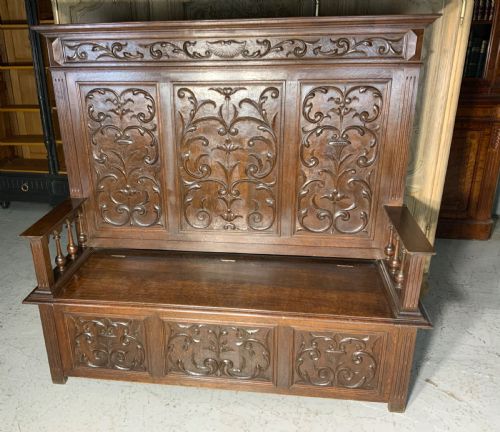
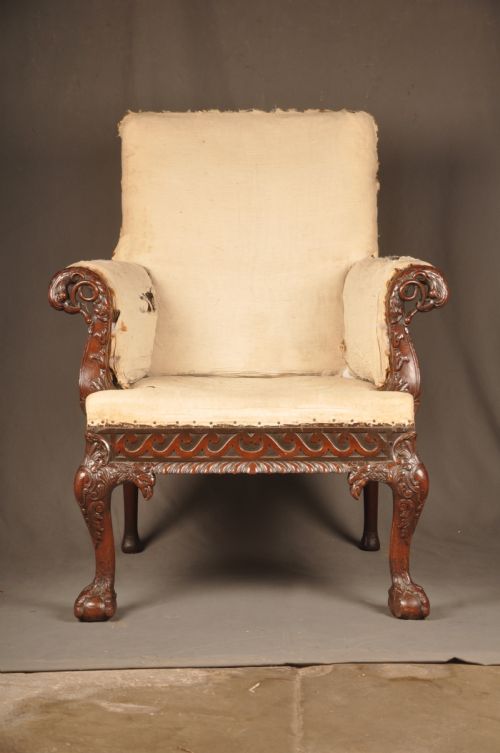
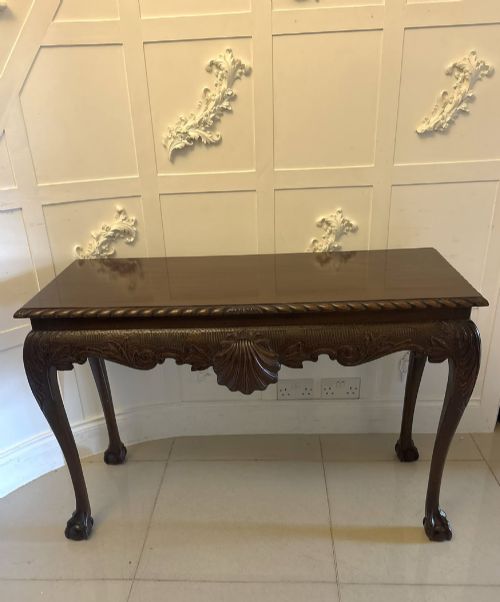
The selections range from architectural panels and decorative boxes to functional sideboards, cabinets, and seating created in various historical revivals.
Materials and construction methods
Articles are primarily formed from heavy hardwoods such as oak, mahogany, padouk, and walnut, chosen for their structural strength and deep natural grain.
Craftsmen utilised traditional hand tools including chisels and gouges to shape high relief motifs, linenfold patterns, and figurative subjects directly from solid timber.
Dark Brown Wood Carving Retail Price Guide 2026
Typical asking prices for dark brown wood carving among the pieces listed under this phrase on Sellingantiques today, from the lower quarter to the upper quarter. They describe what is for sale here now, not the wider market.
One remarkably vigilant carved wooden eagle watches the room with glass eyes that have survived since the nineteenth century.
Indicators of superior execution
The distinction between ordinary and exceptional work lies in the sharpness and depth of the chisel marks, where crisp undercutting creates genuine shadow and three-dimensional form.
Proportion, balance, and the integration of carved ornamentation with the underlying structure determine the overall success of the piece.
The Dark Brown Wood Carving Glossary
- Linenfold
- A style of wood carving that imitates folded linen or parchment. It is frequently seen on Tudor and seventeenth-century panels.
- Black Forest
- A term for nineteenth-century carved wooden animals and decorative objects originating from Switzerland and Germany. These items typically utilise softwoods and hardwoods finished to a deep brown tone.
- Padouk
- A heavy tropical hardwood valued for its natural reddish-brown colour and durability. It darkens significantly with age.
- Revival
- A design style that resurrects historical motifs from earlier centuries, such as Jacobean or Renaissance periods. This approach influenced nineteenth-century cabinet makers.
Dark Brown Wood Carving: Frequently Asked Questions
How do I clean carved wood?
Dust surfaces regularly with a soft, dry brush to prevent dirt from settling into the carved recesses. Avoid using modern aerosol polishes that leave silicones behind.
Apply a microcrystalline wax sparingly once or twice a year to nourish the timber and protect the patina. Buff gently with a clean cloth after application.
Where should I place these carvings?
Position carved panels, figures, and furniture away from direct sunlight and strong heat sources like radiators. Rapid temperature changes cause timber to warp and split.
Ensure adequate clearance around freestanding items so the form and detail remain visible from different angles within the room.
How do I date an oak carving?
Examine the tool marks left on the reverse and interior surfaces, as hand-cut surfaces differ significantly from machine-produced work. Tool marks tell the story of the maker's hand.
Consider the mounting methods, joinery style, and timber shrinkage patterns alongside stylistic clues like linenfold or strapwork motifs to narrow down the period.
What is Black Forest carving?
Black Forest carving refers to intricately detailed wooden figures, animals, and functional objects produced in the mountainous regions of Central Europe during the nineteenth century. These pieces often depict bears, eagles, and forest foliage.
Carvers utilised lime wood and walnut, applying dark stains and waxes to achieve the characteristic rich brown finish that defines the genre.