

Rustic Carved Wood Art
Rustic carved wood art gathers unpretentious timber objects and sculptures shaped by hand across centuries for domestic life.
Rustic Carved Wood Art
When you search for rustic carved wood art, you encounter utilitarian objects and decorative sculptures shaped from timber, pine, oak, and fruitwood. These pieces emerge from folk traditions and country workshops rather than formal urban academies.
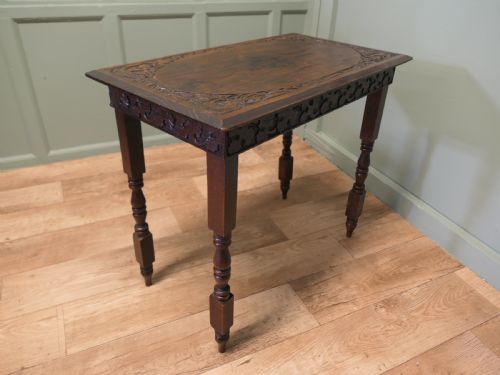
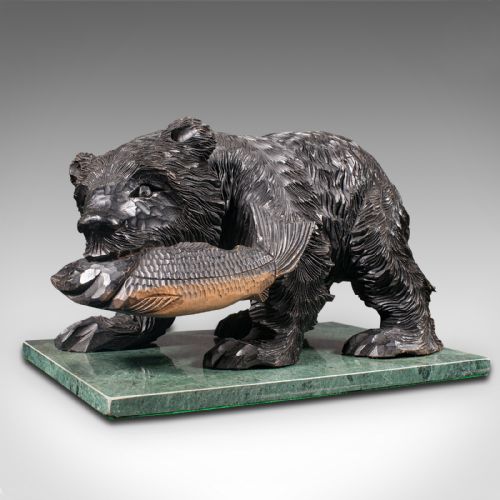
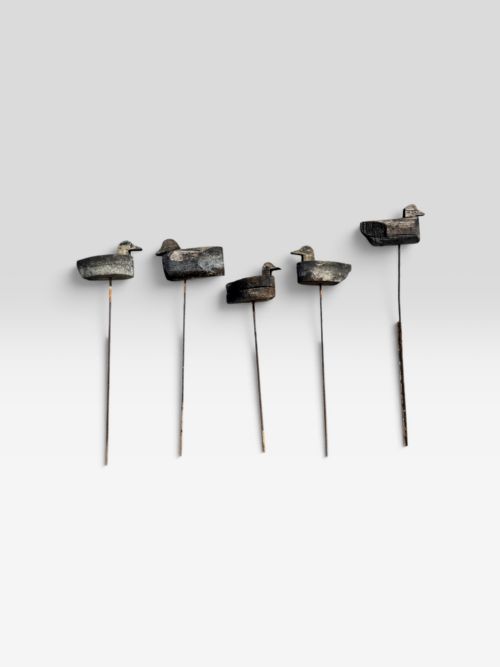
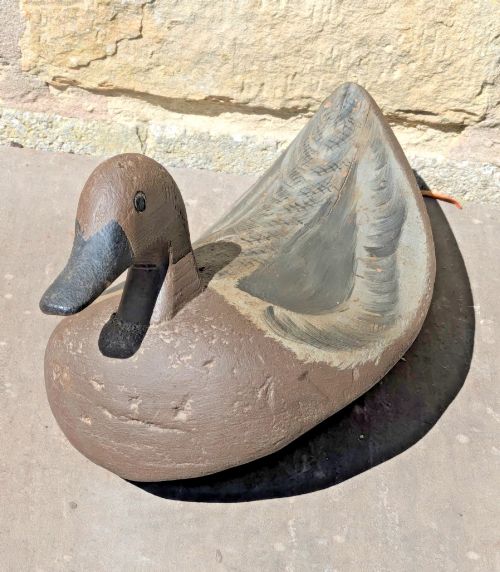
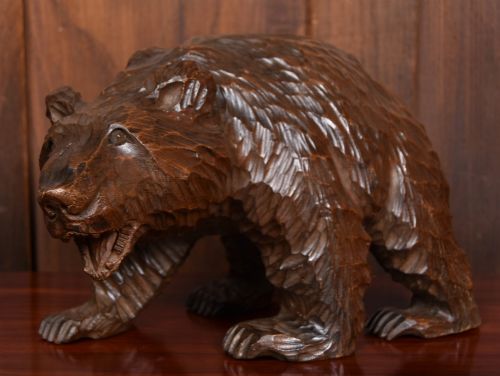
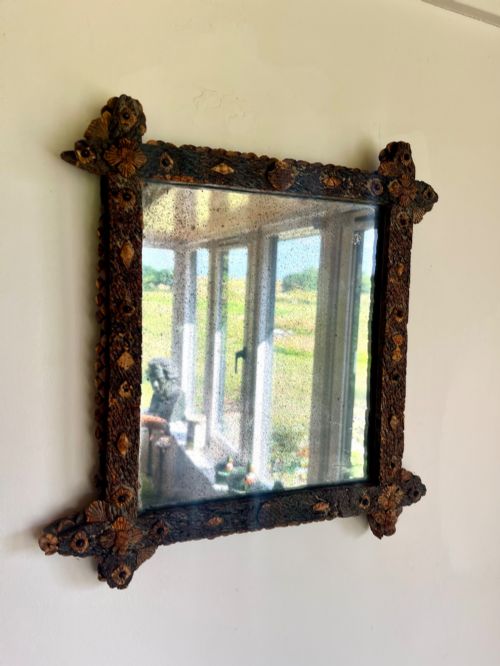
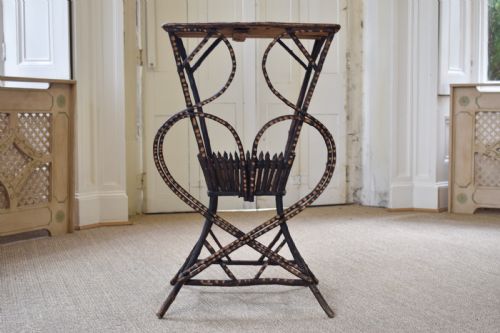
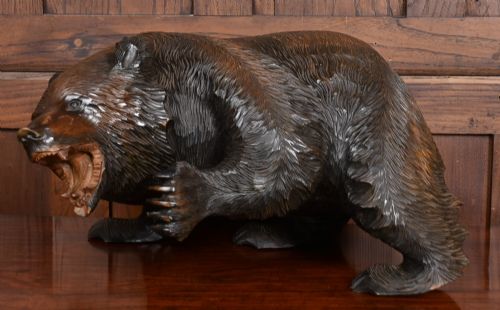
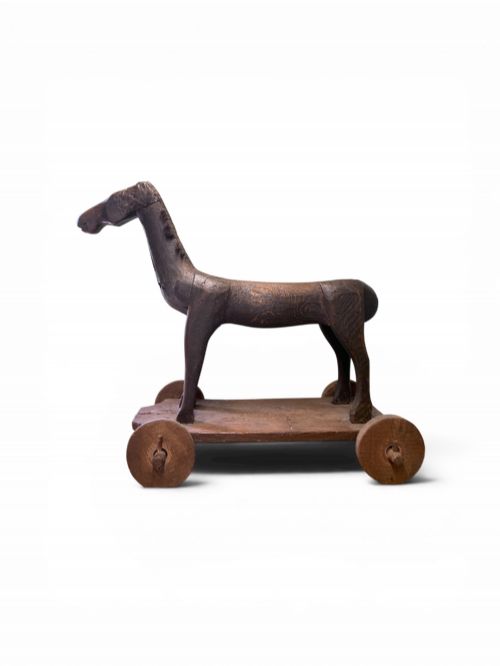
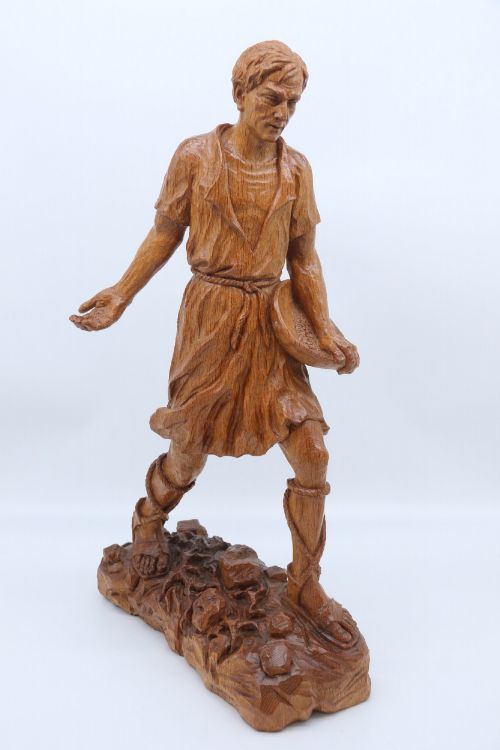
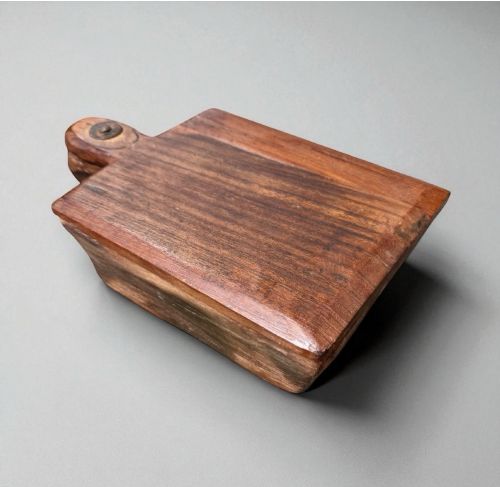
The selection on this page centres on items made between the eighteenth century and the early twentieth century. Common forms include carved animal decoys, figurative sculptures, rustic stools, side tables, and small household vessels.
Geographic origins span English, Swedish, Spanish, French, and Japanese traditions. Each piece reflects the specific material constraints and utilitarian needs of its rural or regional origin.
Materials and construction
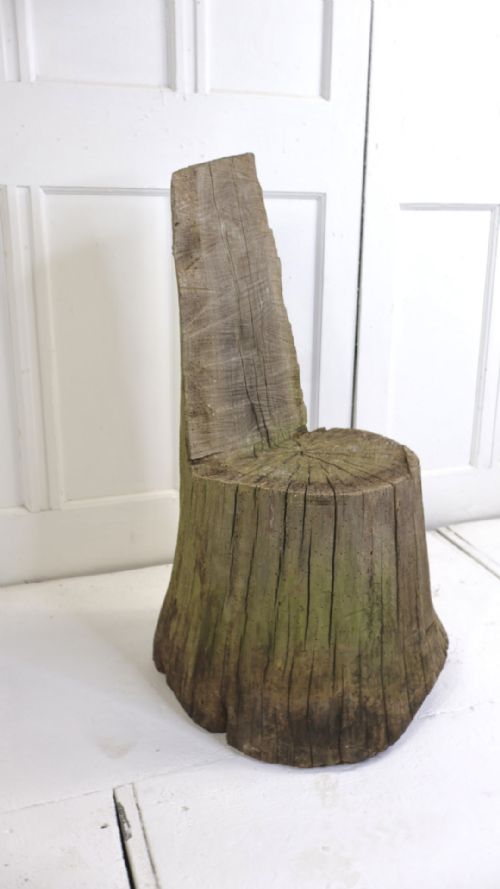
Maker utilise solid local timbers such as oak, pine, fruitwood, and hardwood, often retaining the natural grain and irregularities of the branch or trunk. Surfaces frequently show the tool marks of gouges and knives, revealing the direct hand-carving process.
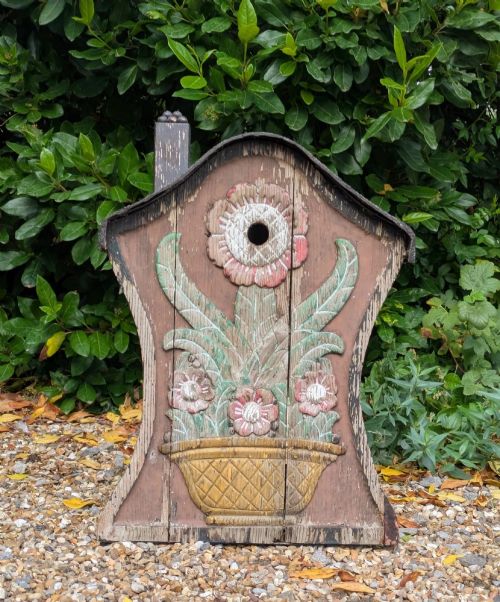
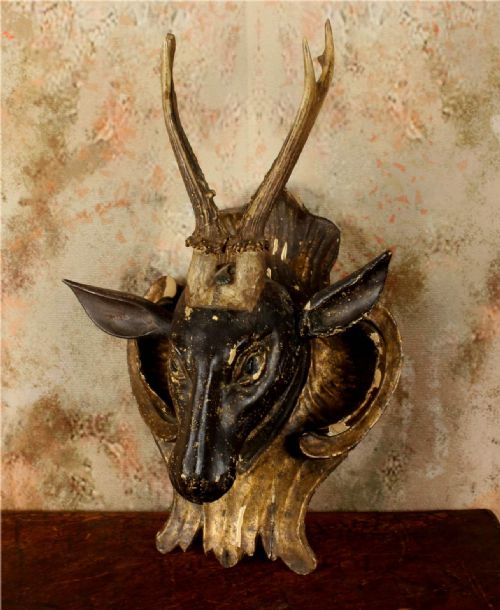
Many objects incorporate paint, either as an original protective coating or as decorative folk illustration. Pegged construction, carved joints, and natural patination define the assembly methods used across chairs, tables, and decorative boxes.
Listings feature items from the eighteenth, nineteenth, and early twentieth centuries, constructed from painted wood, oak, pine, and brass.
Assessing quality and character
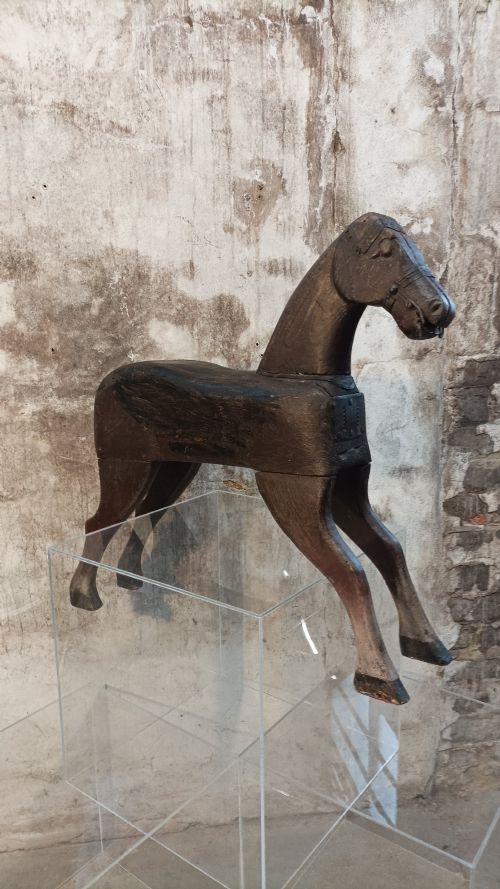
Quality rests upon the strength of the sculptural form and the integrity of the surface patina. Pieces that retain their original paint or display deep, honest wear through decades of handling hold greater visual presence than overly restored examples.
The skill of the carving defines the upper range, where anatomical observation in animal sculptures or proportion in vernacular furniture shows intentional design. Simpler objects succeed through honest utility and the charming naivety of their execution.
The Rustic Carved Wood Art Glossary
- Folk art
- Objects created within a cultural tradition by self-taught or local makers rather than professional guild artisans. These pieces prioritise practical utility and regional aesthetic customs.
- Treen
- Small handmade wooden domestic objects such as bowls, spoons, and knitting sheaths. They gain their collectable appeal from long handling and smooth patination.
- Decoy
- A carved and painted wooden bird or animal utilised historically to attract game. Their bold silhouettes and weathered painted surfaces now function as sculptural objects.
- Vernacular furniture
- Domestic pieces built by local carpenters using regional styles and readily available timbers. They lack high-style urban ornament in favour of sturdy, utilitarian construction.
- Patina
- The surface sheen and colour acquired by wood through age, light exposure, and frequent touch. A deep patina indicates long continuous use.
Rustic Carved Wood Art: Frequently Asked Questions
How do I clean antique wooden folk art?
Dust surfaces gently with a dry, soft cloth to preserve the historic finish and any original paint layers. Avoid water, harsh chemical cleaners, or modern polishes that can strip the accumulated patina.
Keep pieces away from direct heat sources and strong sunlight to prevent the timber from drying, splitting, or fading over time.
Are these carved wooden items original?
The pieces originate from periods spanning the eighteenth to the early twentieth century, showing authentic tool marks and period construction methods. Materials such as solid oak, pine, and fruitwood exhibit natural wear consistent with their age.
Each item carries the specific structural characteristics of its regional workshop background, whether English country furniture or Scandinavian folk objects.
Where should I place a rustic carved sculpture?
Position wooden sculptures and small furniture pieces on stable surfaces away from damp areas and fluctuating radiator temperatures. Their tactile surfaces contrast effectively against plain walls or neutral backgrounds.
Allow enough surrounding space for the form and grain of the timber to remain the primary visual focus of the room.
How do I tell different regional styles apart?
Look closely at the choice of local timber, the style of the painted decoration, and the construction details unique to each country. Swedish and Spanish pieces often display distinct painted motifs and robust structural forms compared to English equivalents.
Study the tool marks and surface finishes to understand the regional vernacular traditions that influenced the maker.