

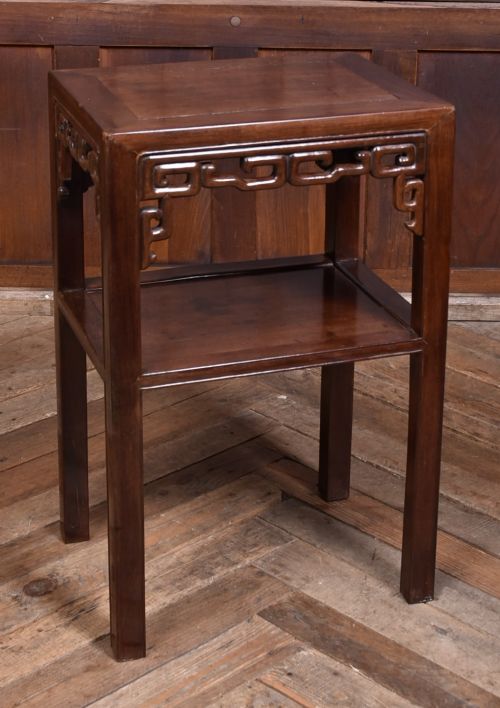
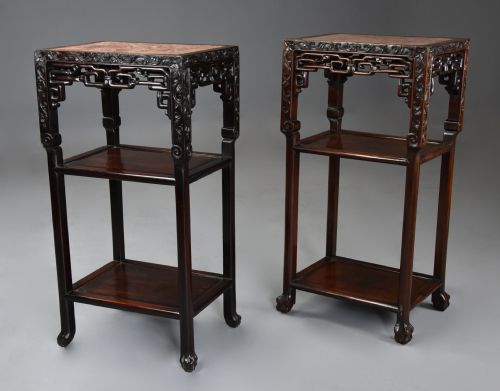
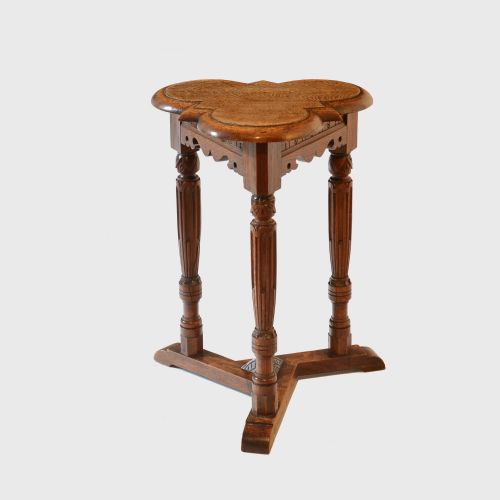


Dark Brown Urn Stand
A dark brown urn stand gives a heavy, grounded stage for plants and ornaments, drawing the eye naturally through rich timber tones.
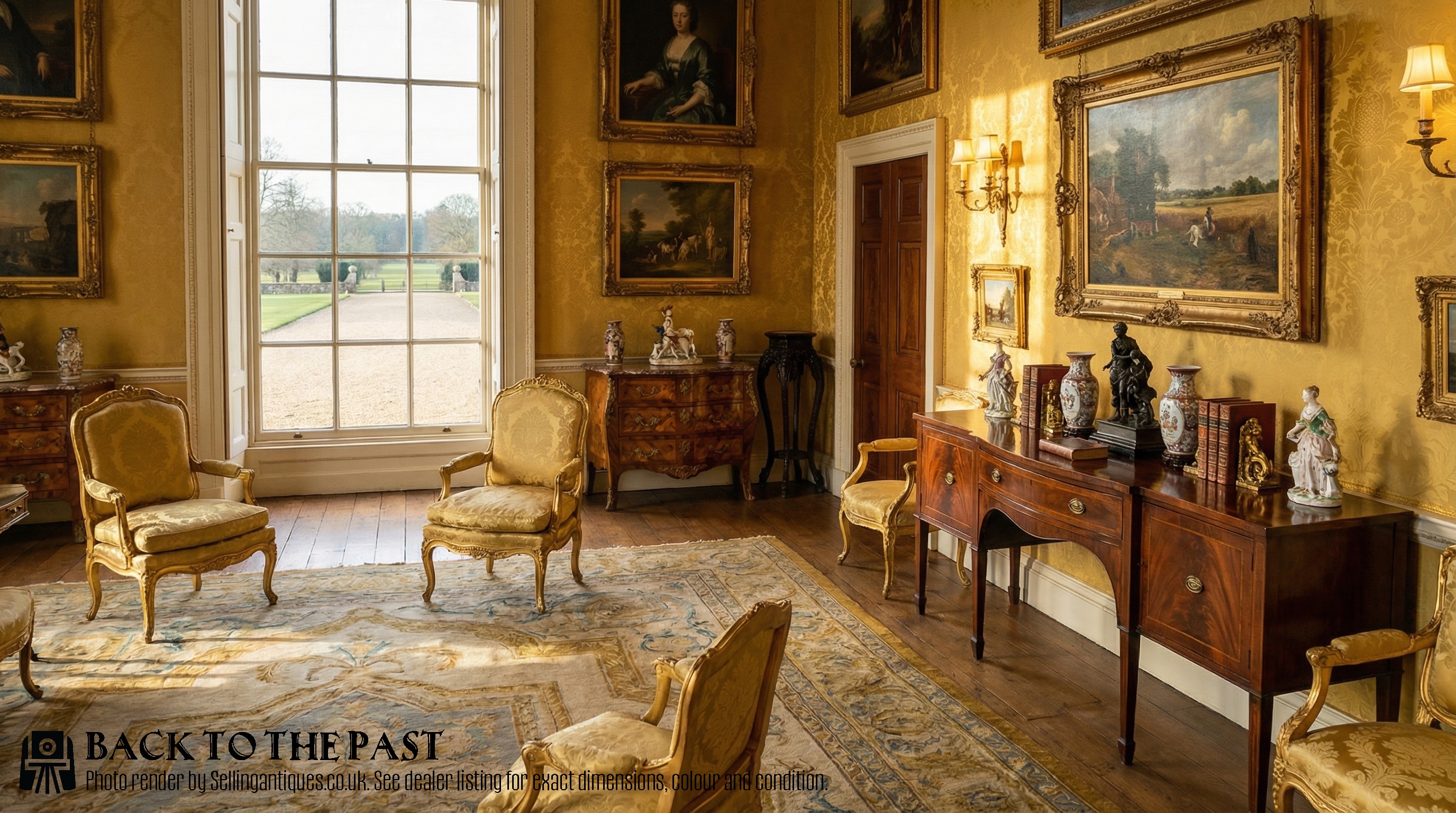
Dark Brown Urn Stand
A dark brown urn stand is fundamentally a sturdy platform designed to elevate planters, vases, and sculptures within a room. When you search for a dark brown urn stand, you encounter a variety of forms including plant stands, pedestals, torchieres, and low side tables.
The pieces appearing on this page span several distinct eras, notably the Victorian, Edwardian, and late nineteenth century. Alongside British country house furniture in oak and mahogany, you find numerous Chinese hardwood stands featuring carved details.
Materials and Construction
Makers utilised dense timbers such as mahogany, oak, walnut, rosewood, and exotic Chinese hardwoods to bear substantial weight securely. Many of these stands incorporate inset marble tops, providing a cool, smooth surface that contrasts with the dark wood frame.
Carpentry techniques range from turned shafts and tripod legs to intricate hand-carved Qing Dynasty motifs and Gothic trefoil framing. Brass elements appear occasionally to accent the woodwork, while lacquer finishes enhance select pieces.
Current listings feature dense hardwoods including mahogany, oak, walnut, rosewood, and Chinese hardwood, frequently paired with inset marble tops.
Assessing Quality and Craftsmanship
The distinction between ordinary and superior pieces rests on the weight and selection of the timber, alongside the depth of the carving. Dense Chinese hardwoods and figured mahogany carry a natural presence that lighter secondary timbers lack.
Execution of detail separates fine examples from simple utility pieces, particularly in the precision of turned pedestals, the tightness of joinery, and the careful fitting of inset marble slabs.
The Dark Brown Urn Stand Glossary
- Torchiere
- A tall stand or pedestal originally intended to hold a light source. These slender supports now function primarily for displaying vases and sculptures.
- Jardiniere
- A decorative pot or stand for holding plants and flowers. They often feature water-resistant surfaces such as marble or glazed porcelain.
- Huali
- A fragrant and durable Chinese hardwood prized for its rich grain. Furniture makers utilised this material for highly decorative tables and vase stands.
- Caryatid
- A sculpted female figure serving as an architectural support instead of a column. They appear on heavier pedestals and tables.
- Trefoil
- A graphic ornament composed of three rounded lobes arranged in a cloverleaf shape. This motif occurs frequently in Gothic Revival design.
Dark Brown Urn Stand: Frequently Asked Questions
How were these stands used?
These elevated surfaces held heavy items such as potted plants, urns, and bronze sculptures to improve their visibility in nineteenth-century interiors. They filled awkward corners and provided functional display space in reception rooms and hallways.
Over time, owners adapted them to support table lamps, vases, and decorative objects. Their sturdy construction ensured stability even when bearing substantial weight.
Are these pieces stable enough for heavy plants?
Most of these stands were built to support heavy marble urns and large planters without tipping. Solid hardwood frames and wide tripod bases provide a secure centre of gravity.
When placing very heavy pots, check the foot spread and weight distribution of the specific stand. Heavier Victorian and Chinese hardwood models offer exceptional stability.
How do I distinguish Chinese export stands from British pieces?
Chinese export stands typically utilise dense native hardwoods, intricate floral carving, and frequently incorporate inset marble tops. Their aesthetic reflects Qing Dynasty traditions rather than European stylistic periods.
British pieces more commonly employ mahogany, oak, or walnut with styling tied to the Georgian, Victorian, or Edwardian eras. Construction details and joinery methods also point clearly to their origin.
How do I care for marble-topped stands?
Wipe the marble surface regularly with a soft, damp cloth to remove dust and prevent staining. Avoid acidic cleaners that can etch the polished stone.
Treat the surrounding wood frame with appropriate furniture wax according to the timber type. Use protective pads under heavy or damp pots to safeguard both the marble and the wood.