


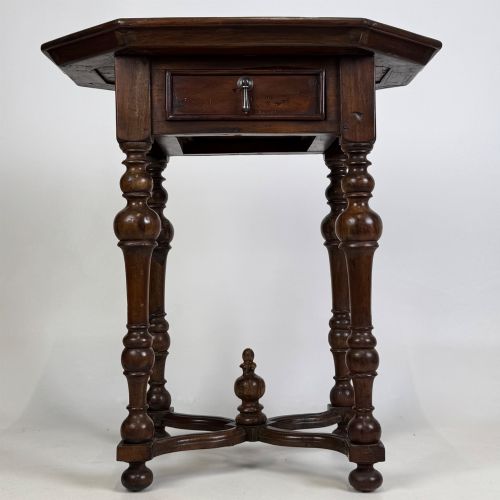
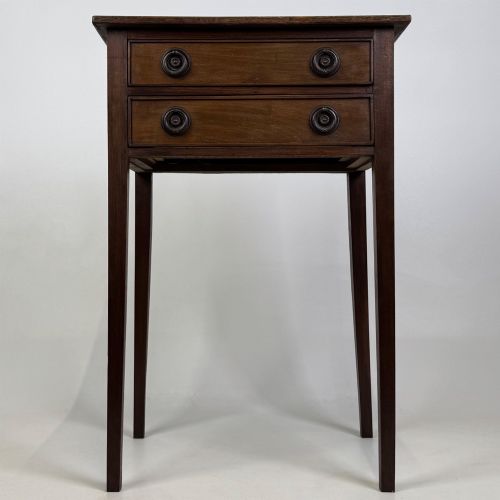
Dark Brown Table Lamp
A dark brown table lamp brings warm illumination and rich timber tones to a room, drawing the eye with solid proportions and traditional craftsmanship.

Dark Brown Table Lamp
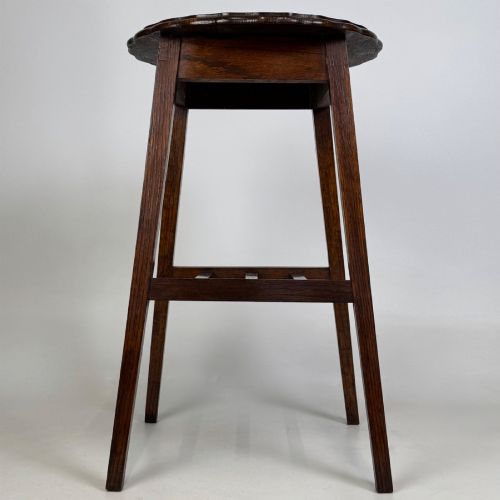
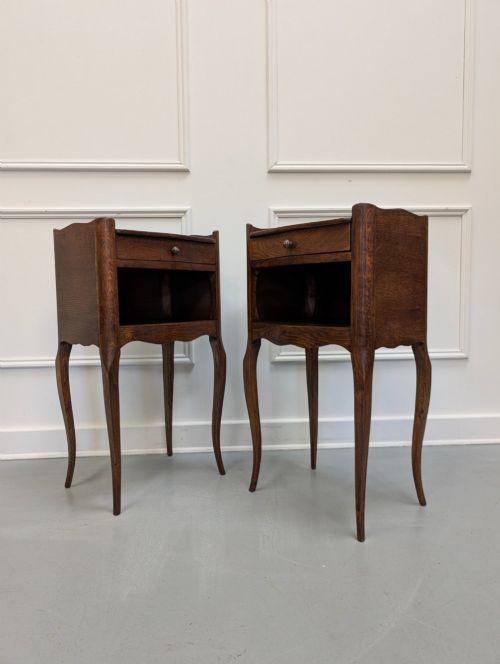
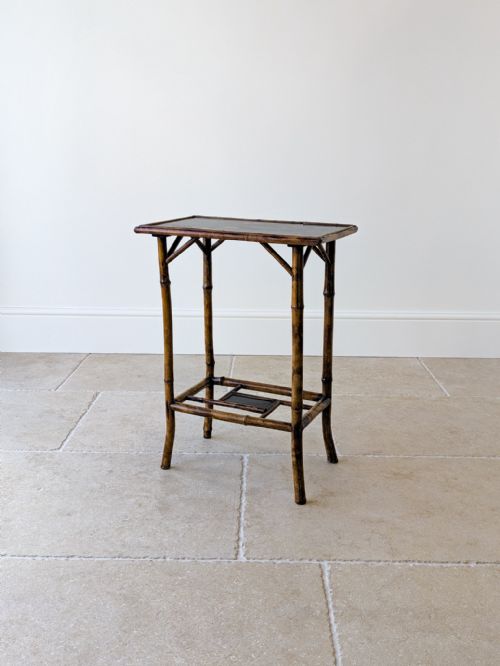
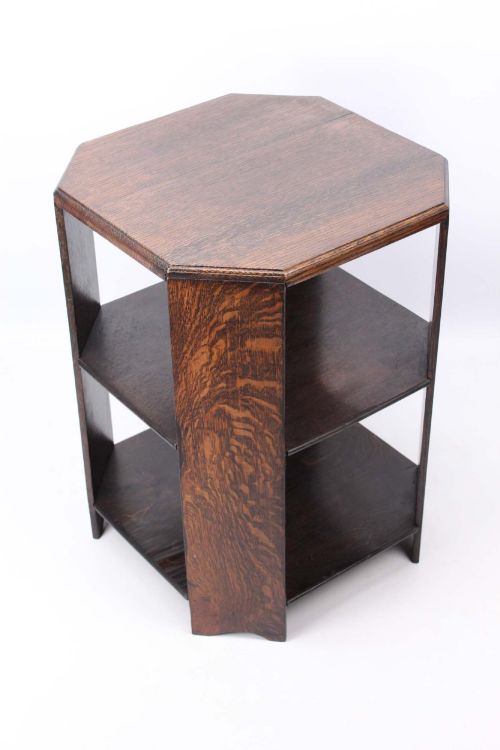
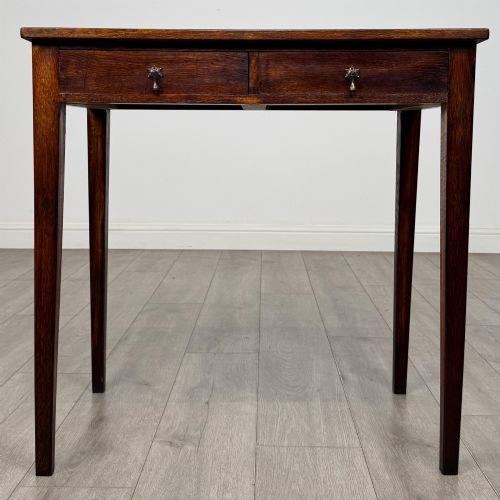
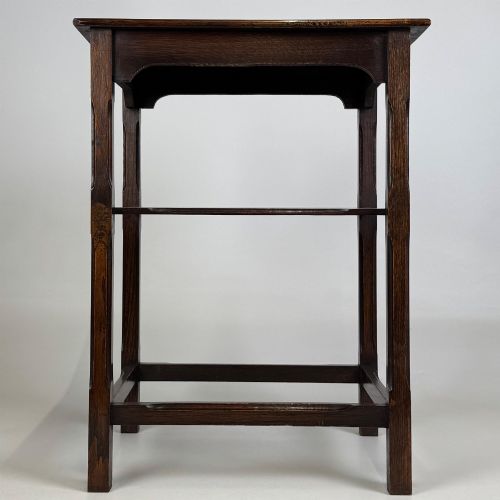
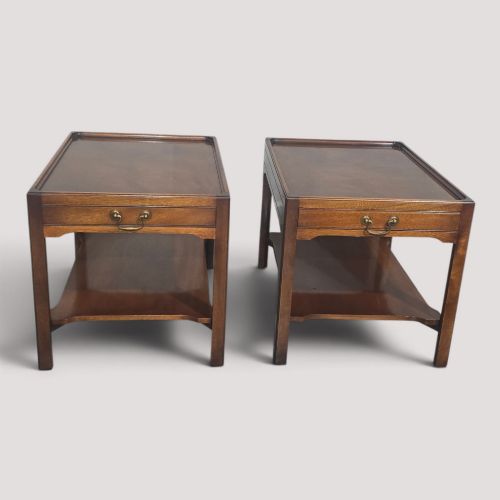
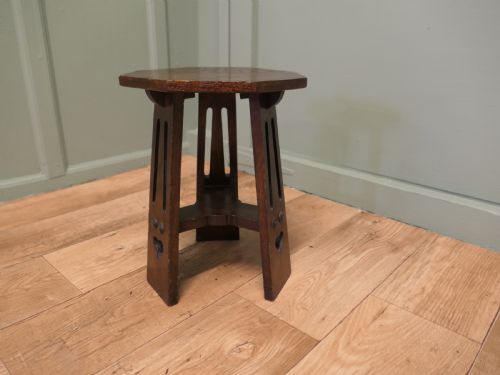
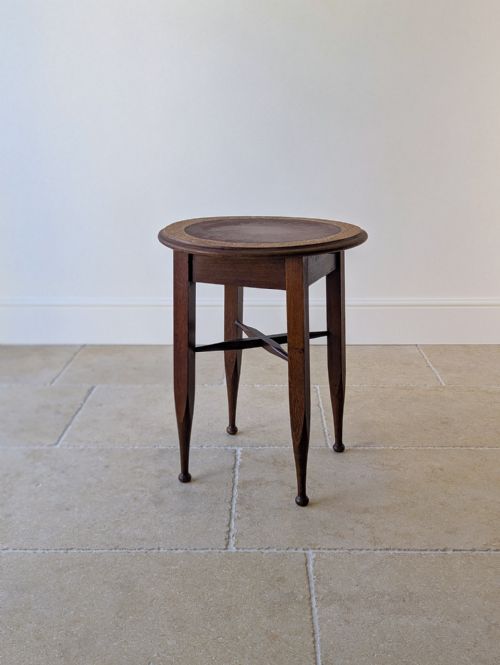
The periods represented stretch from the 18th century through the Victorian, Edwardian, and 1920s eras, encompassing Georgian proportions and Arts and Crafts simplicity. Oak and mahogany dominate the material palette, appearing in side tables, lamp tables, and sculptural bronzes.
Edwardian and Victorian examples provide the most frequent encounters on this page, often showing the influence of the Aesthetic Movement or Jacobean Revival. These pieces combine functional surfaces with rich, dark patination derived from walnut, rosewood, and hardwood.
Materials and construction
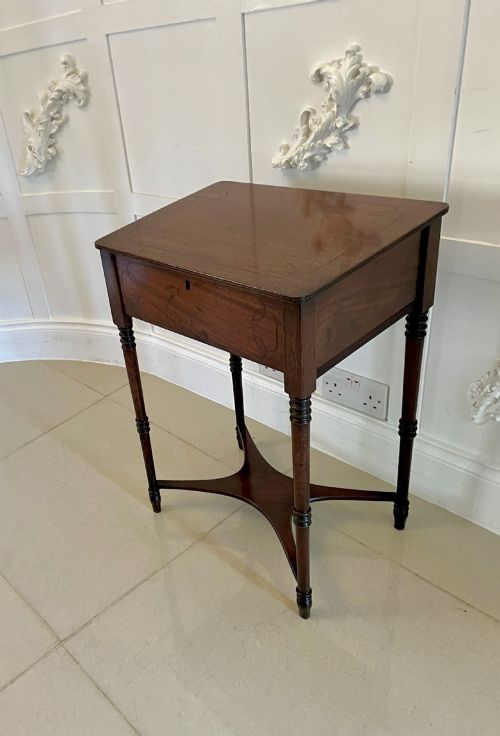
Makers utilised dense timbers such as oak, mahogany, walnut, and rosewood, alongside cast bronze and brass for metallic elements. Construction methods rely on traditional joinery, turned barley twist supports, and hand-carved detailing.
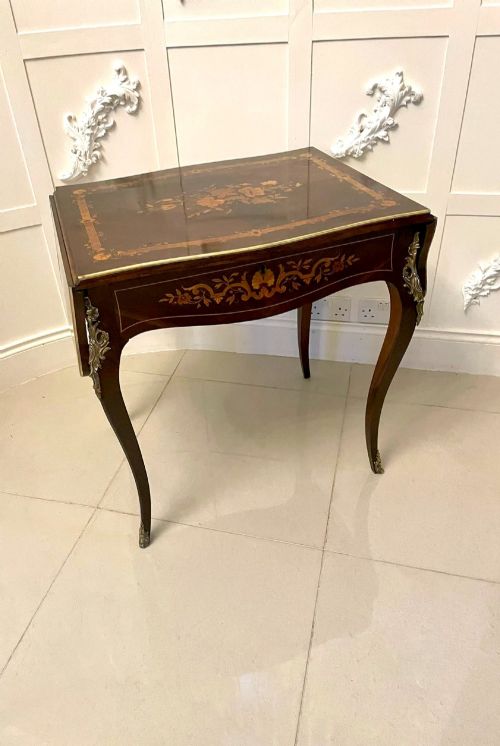
Surfaces frequently show marquetry inlay, chequered banding, or polished grain highlights that accentuate the deep brown colour of the timber. Bronze pieces employ traditional casting and patination techniques to achieve dark, variegated finishes.
Listings feature oak, mahogany, walnut, rosewood, and bronze across Victorian, Edwardian, and Georgian periods.
Assessing craftsmanship
Quality rests in the selection of timber figures, such as burr oak or figured mahogany, and the crispness of hand-carved mouldings. Superior examples exhibit balanced proportions, tight joinery, and well-preserved original patination on both wood and metal.
Maker attribution and regional techniques also separate standard production from distinguished work, visible in refined turned supports and precise marquetry inlay. The integration of materials, whether combining rich hardwoods or pairing bronze with carved bases, determines the distinction of the piece.
Liberty & Co.·William Birch·Gregory & Co
The Dark Brown Table Lamp Glossary
- Marquetry
- Decorative veneer work arranged in geometric or pictorial patterns on a wooden surface. It adds visual complexity to tabletops and cabinet fronts using contrasting timber tones.
- Barley Twist
- A turned wooden column resembling the spiral twist of a barley stalk. This decorative turning technique appears frequently on furniture supports from the Victorian and Edwardian periods.
- Cricket Table
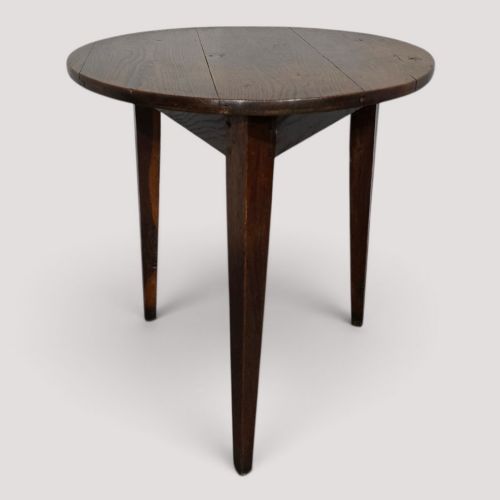
- A small, three-legged occasional table with a round wooden top, originating in the 18th century. The three legs ensure stability on uneven floors.
- Aesthetic Movement
- A late 19th-century design style emphasising visual beauty and artistic expression over historical revival. It produced dark wood furniture with clean lines and subtle ornamentation.
- Patina
- The surface sheen and deep colour developed on wood, metal, or leather through age and handling. A rich patina indicates long-term care and natural oxidation.
Dark Brown Table Lamp: Frequently Asked Questions
What periods do these lamps and tables represent?
The pieces span multiple eras, including Georgian, Victorian, Edwardian, and the 1920s, reflecting changing domestic tastes.
Craftsmen across these periods utilised traditional hardwoods and metals, resulting in enduring designs.
Where were these dark wood items used?
They served functional roles in period drawing rooms, libraries, and hallways as supports for lighting or objects.
Their compact forms allowed them to fit easily beside seating or in smaller corners.
What is a bronze table lamp?
Bronze table lamps utilise cast metal figures or bases to provide sturdy illumination.
Japanese Meiji period bronzes are frequently adapted for this purpose, bringing sculptural quality to interiors.
How should I care for dark timber surfaces?
Maintain the wood by avoiding direct sunlight and excessive moisture, which can fade or damage the finish.
Occasional light dusting and appropriate wax polishing help preserve the natural patination.