

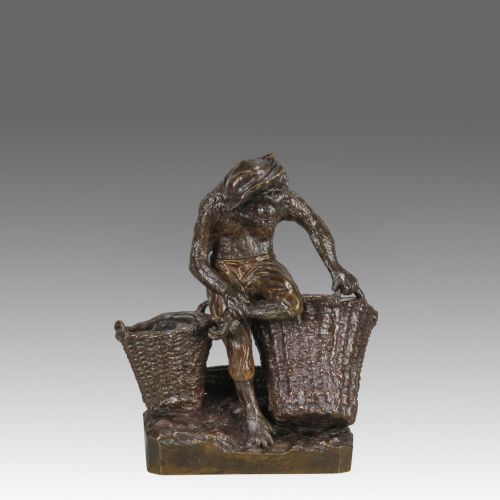
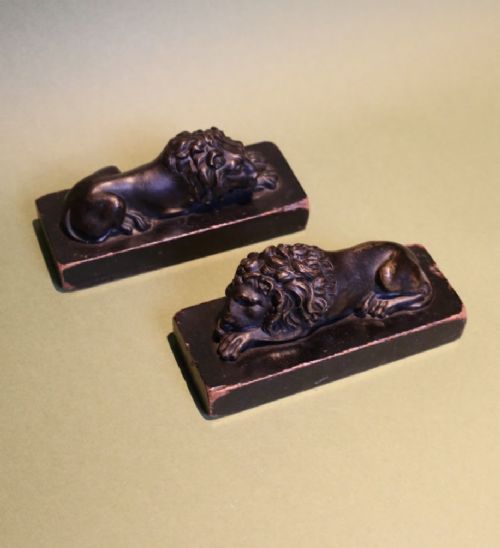


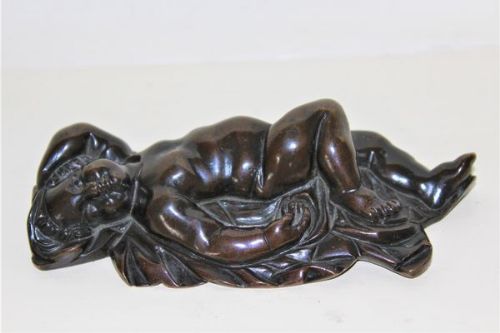

Dark Brown Metal Sculpture
Dark brown metal sculpture brings centuries of foundry skill into your rooms, offering tactile presence through cast bronze, spelter, and iron.

Dark Brown Metal Sculpture
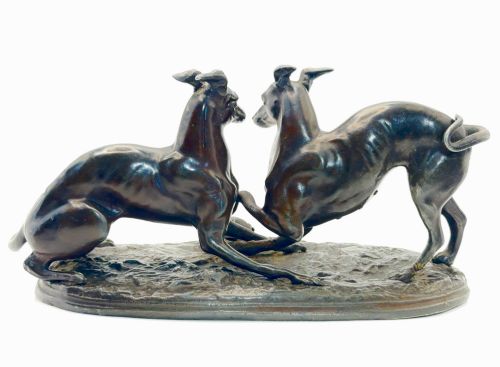
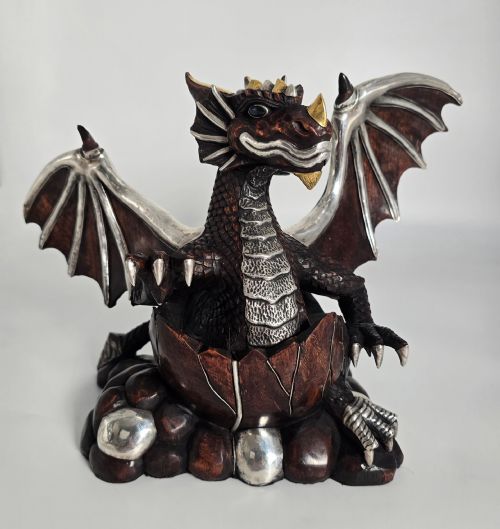
When you search for dark brown metal sculpture, you are looking at cast figures, animals, and decorative objects shaped by European and Asian foundries from the nineteenth century onwards. The selection spans neoclassical subjects, French animalier studies, and Japanese Meiji period castings.
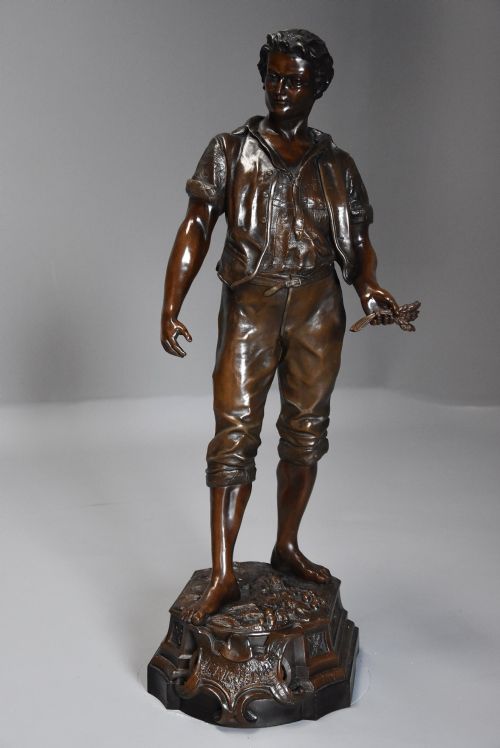
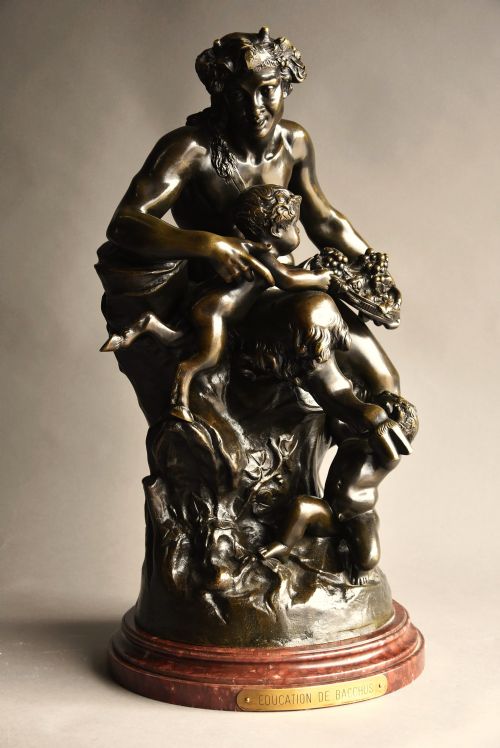
The most common pieces you will meet on this page are nineteenth-century bronze and spelter figures, often mounted on marble bases or integrated into functional items such as lamps and inkwells. These works capture everything from classical mythology to domestic animals and farm labourers.
Makers and sculptors emerge across the periods represented, ranging from French realists to Japanese artists working in bronze. Whether cast as standalone statues or paired as lions and foo dogs, these works rely on dark patination to define their forms.
Distinctions in execution and finish
Quality separates in these sculptures through the crispness of the chasing and the subtlety of the surface patination. Superior casts retain sharp definition in facial expressions and fur, whereas lesser examples lose detail in the secondary finishing stages.
The integrity of the material foundation matters significantly, distinguishing solid bronze castings from hollow spelter alternatives that rely entirely on surface paint. Furthermore, the weight and stability of associated marble or wooden bases contribute to the overall presence of the piece.
Dark Brown Metal Sculpture Retail Price Guide 2026
Typical asking prices for dark brown metal sculpture among the pieces listed under this phrase on Sellingantiques today, from the lower quarter to the upper quarter. They describe what is for sale here now, not the wider market.
Listings feature materials spanning cast bronze, spelter, cast iron, and carved marble across nineteenth- and twentieth-century European and Asian works.
F.Milliot·Claude Michel Clodian·Christophe Fratin·Charles Korschann·Lucien Madrassi·Leonhard Posch·Adrien Gaudez·Georges Van Der Straeten
The Dark Brown Metal Sculpture Glossary
- Spelter
- A zinc alloy commonly used as a less expensive alternative to bronze during the nineteenth and twentieth centuries. It is often given a bronzed finish to mimic heavier metal.
- Patina
- The surface coloration and sheen developed naturally over time or applied artificially by the foundry. Dark patinas are typical of nineteenth-century animalier bronzes.
- Animalier
- A nineteenth-century artistic movement focusing on the realistic depiction of animals, particularly predators, hounds, and farm livestock. French foundries specialised heavily in this genre.
- Okimono
- A Japanese decorative ornament intended for display on a shelf or cabinet, commonly carved or cast in bronze during the Meiji period.
- Maquette
- A small-scale preliminary model or sketch for a larger sculpture, allowing the artist to test proportions before committing to a final cast.
Dark Brown Metal Sculpture: Frequently Asked Questions
How do I tell bronze from spelter?
Bronze is heavier, colder to the touch, and yields a resonant tone when tapped gently, whereas spelter is lighter and softer.
Underneath a worn patch, spelter reveals a greyish-white metal beneath the dark brown surface coating.
What is an animalier sculpture?
An animalier sculpture depicts animals in realistic, often dynamic poses, capturing the muscle and movement of wildlife or domestic beasts.
These pieces were especially popular in nineteenth-century France and Britain.
How should I clean a dark metal sculpture?
Dust the surface regularly with a soft, dry brush to prevent dirt accumulation in the crevices of the casting.
Avoid using water, abrasives, or chemical polishes, as these can strip away the aged dark patina.
Why are some figures mounted on marble?
Marble bases provided stability for heavier metal sculptures and added a decorative architectural element to the display.
Black marble was frequently used in Art Deco and nineteenth-century French pieces to contrast with dark patinated metal.