
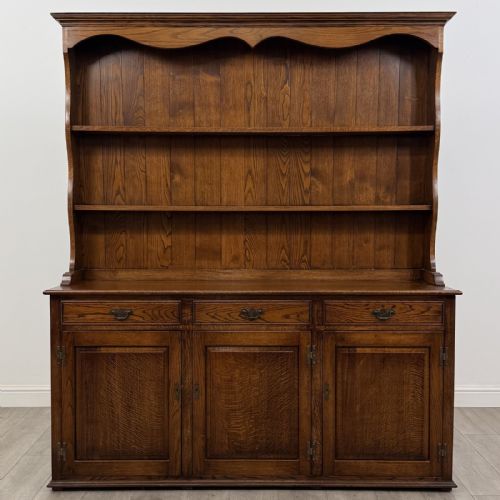
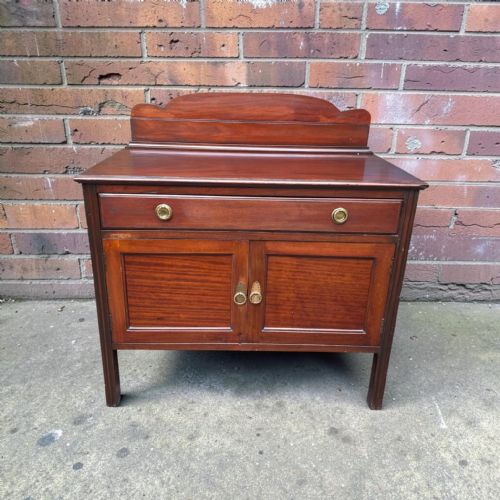
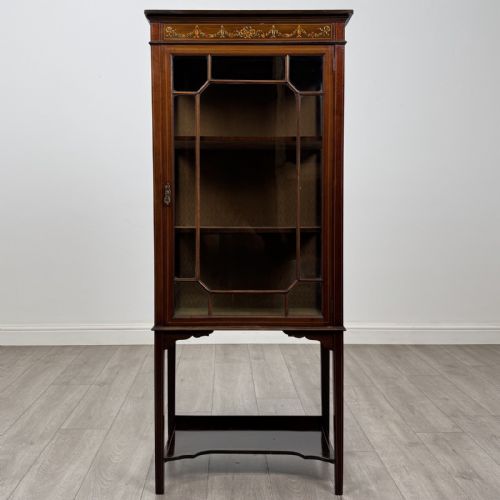
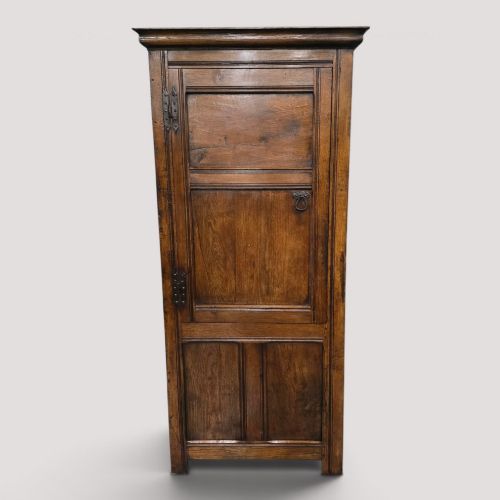
Dark Brown Cupboard
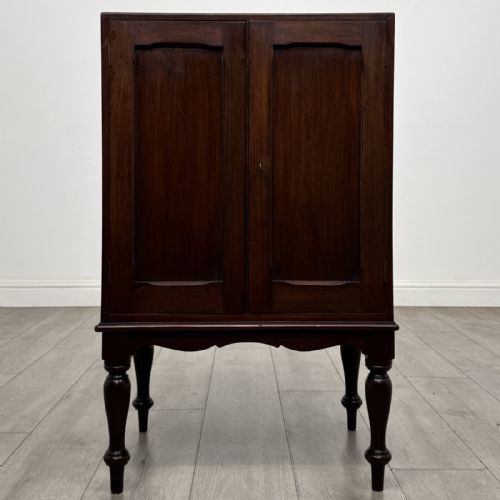
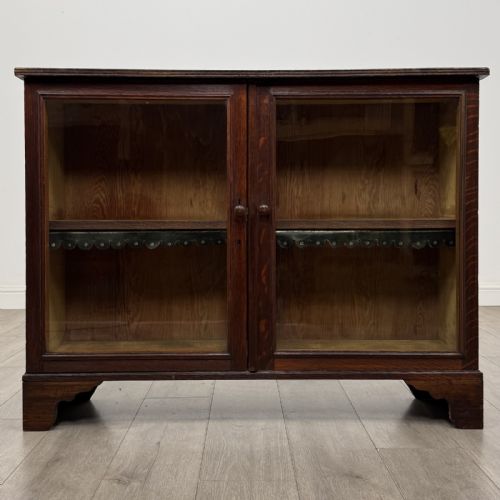
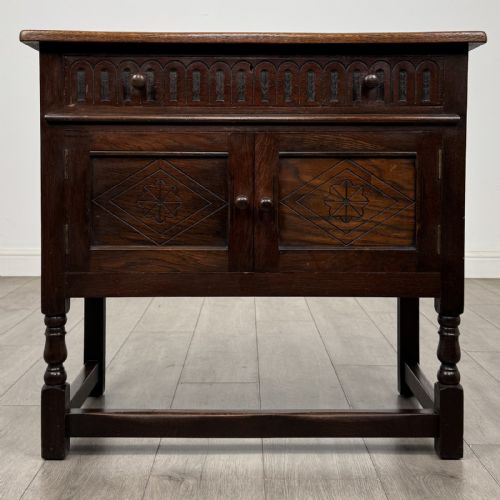
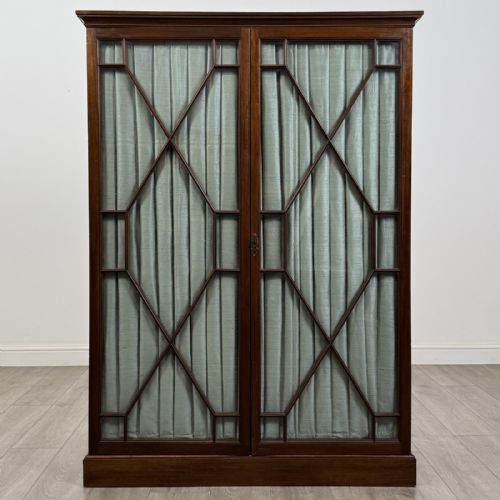
A dark brown cupboard brings deep warmth to a room, offering practical storage through rich timbers shaped across centuries.
Dark Brown Cupboard
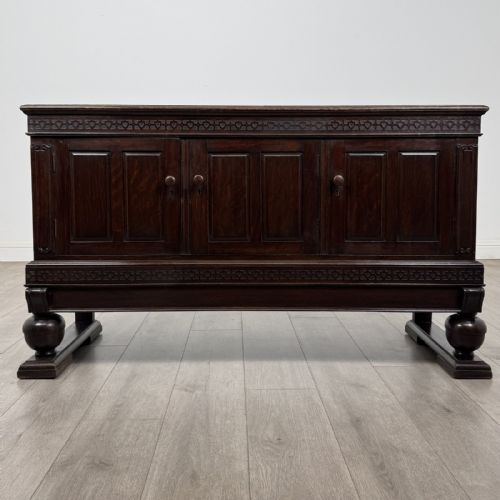
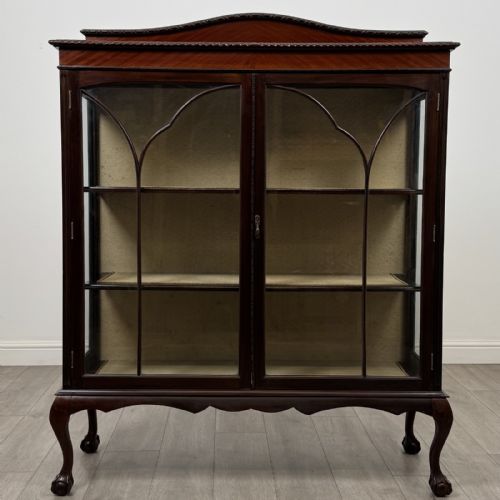
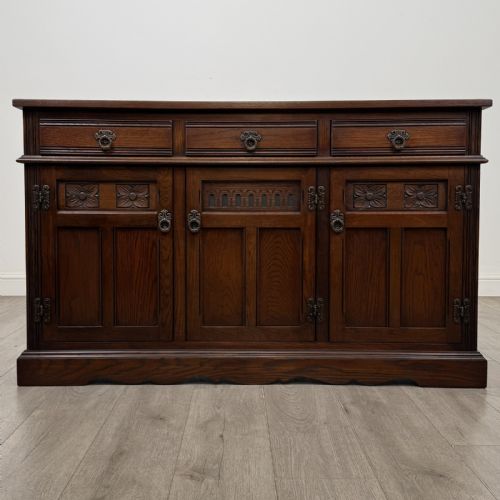
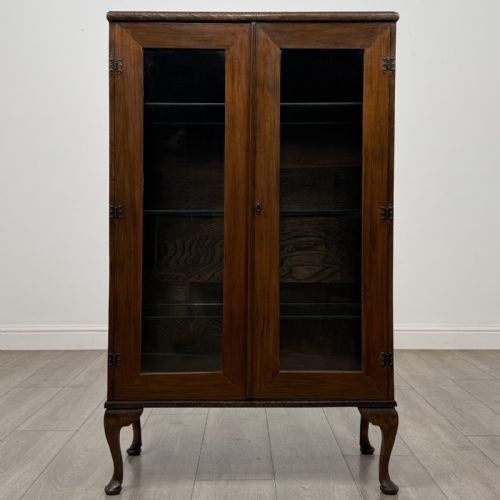
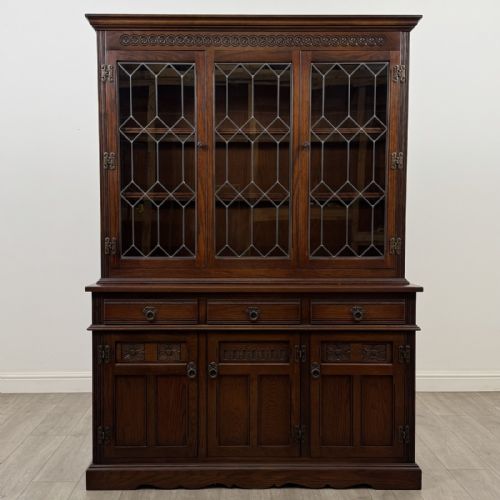
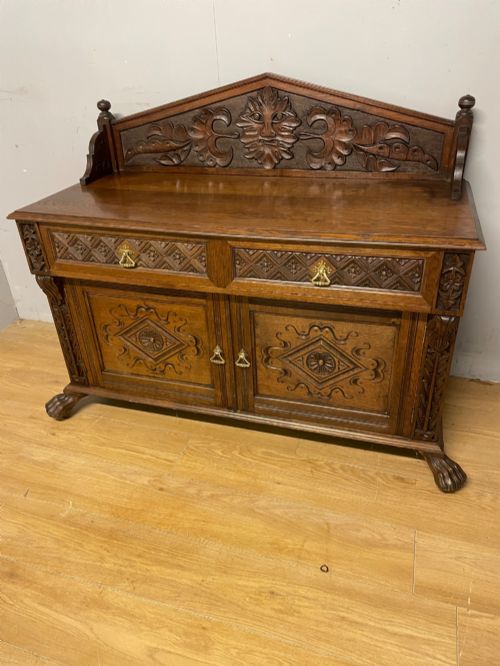
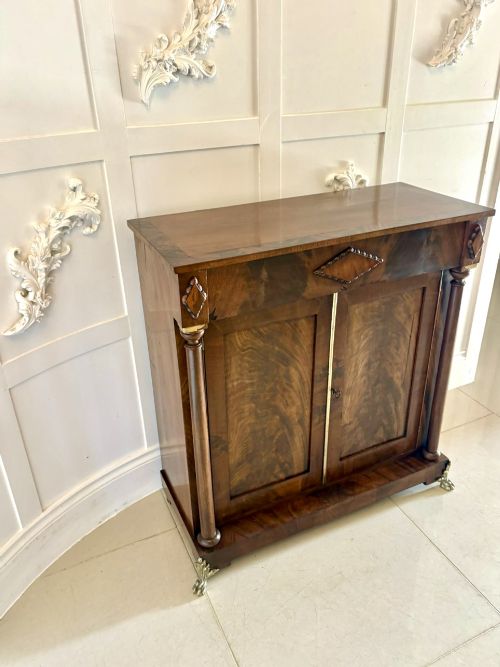
A dark brown cupboard spans various practical forms including wardrobes, sideboards, bookcases, corner cabinets, dressers, and display cabinets. Buyers seeking a dark brown cupboard encounter pieces originating from the eighteenth century, nineteenth century, and twentieth century, encompassing Georgian, Victorian, and Edwardian eras.
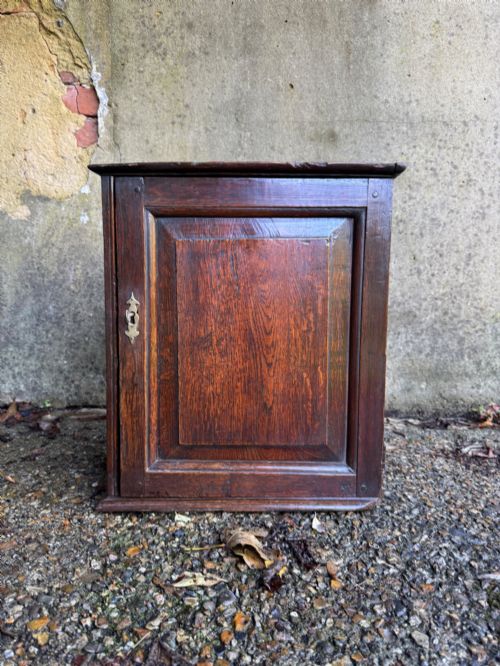
The selection ranges from compact wall-hanging spice cupboards and bedside tables to large housekeeper's cupboards, court cupboards, and low linen press units. Oak and mahogany dominate these forms, frequently displaying deep brown tones developed through age and traditional polishing techniques.
Materials and construction
Carpenters constructed these storage pieces predominantly using solid oak and mahogany, complemented by secondary timbers like pine. Structural and decorative hardware typically includes brass handles, escutcheons, and hinges, alongside iron and wrought iron fixings on earlier vernacular examples.
Joinery methods rely on traditional techniques such as mortise and tenon frames, hand-carved panels, and dovetailed drawer construction. Glazed sections utilise lead and glass panes, while surface finishes include painted treatments on regional dressers and hand-applied wax on polished timber.
Listings span multiple design movements, including Arts and Crafts, Gothic Revival, Jacobean Revival, and Art Nouveau.
Assessing craftsmanship
Quality reveals itself in the selection of timber and the precision of the joinery, where tight joints and well-fitted doors distinguish finer items from simpler utilitarian furniture. The depth of carved detail, from restrained linenfold panels to elaborate Victorian relief work, indicates the hand of a skilled maker.
Surface condition and original patina dictate much of the standing of a piece, with undisturbed aged finishes carrying greater appeal than stripped or heavily altered surfaces. Hardware integrity, including period-appropriate brass or iron fittings, further separates standard examples from exceptional ones.
The Dark Brown Cupboard Glossary
- Court cupboard
- A traditional English two-stage storage piece, often featuring an enclosed upper section supported by carved pillars above a lower cupboard.
- Housekeeper's cupboard
- A large timber storage unit traditionally utilised for linen and provisions, featuring multiple doors and internal shelving or drawers.
- Linen press
- A tall cupboard designed specifically for storing folded garments and textiles, typically containing sliding trays or shelves behind panelled doors.
- Astragal glazed
- A window or cabinet door divided into smaller glass panes held together by slender wooden glazing bars.
- Patina
- The surface sheen and colour variation developed on timber over decades of handling, polishing, and exposure to light.
Dark Brown Cupboard: Frequently Asked Questions
What is a court cupboard?
A court cupboard is a traditional multi-tier storage form originating in early British domestic architecture, designed for displaying plate and storing household provisions.
These pieces typically feature an upper recessed cabinet supported by short columns above a larger base cupboard, constructed mainly in solid oak.
How do I date an oak cupboard?
Dating relies on examining construction methods, timber grain, and decorative styles such as Jacobean revival carving or plain Georgian panels.
Earlier eighteenth-century pieces often show hand-riven timber and pegged joints, whereas twentieth-century Edwardian items display more uniform machine-sawn components.
Where were corner cupboards placed?
Corner cupboards were specifically built to utilise unused angles in dining rooms, parlours, and bedrooms.
They appear as wall-hanging units or floor-standing double-height cabinets designed to maximise domestic space efficiently.
How do I care for antique oak?
Antique oak benefits from stable indoor humidity and protection from direct sunlight to prevent timber shrinkage and fading.
Regular dusting with a dry cloth and occasional application of traditional beeswax help maintain the natural lustre of the brown surface.