
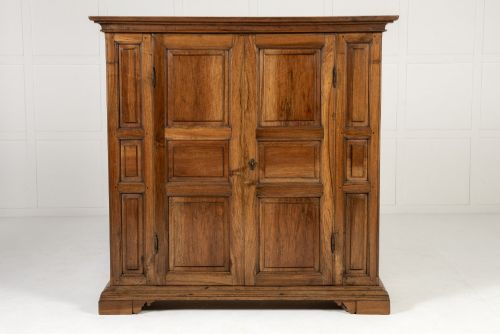

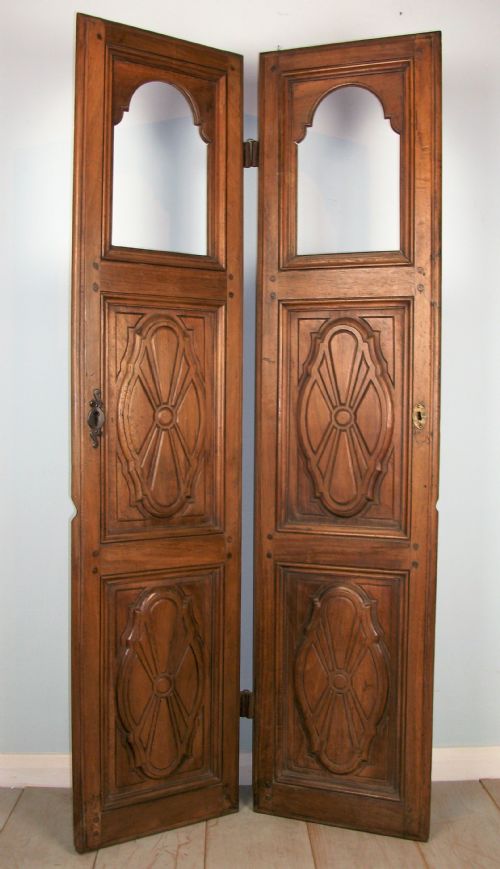


Rustic Walnut Cupboard
A rustic walnut cupboard brings immediate warmth to a room through deep grain and honest, regional construction.
Rustic Walnut Cupboard
A rustic walnut cupboard encompasses wall cabinets, floor standing corner cupboards, bedside cabinets, panetières, armoires, and sideboards originating from the eighteenth and nineteenth centuries. These pieces emerge from traditions across France, Italy, Spain, and English country workshops, showing regional utility in their domestic forms.
Buyers meet examples shaped by French Provincial, Italian Baroque, and Spanish Baroque aesthetics, alongside simple country designs. The forms range from two-part dressers and buffets to pedestal cupboards and architectural panelled doors.
Walnut dominates these listings, frequently partnered with fruitwood, oak, iron, brass, and glass elements. The construction spans from the early eighteenth century through to nineteen twenty, reflecting varied rural needs across Europe.
Materials and Construction
Makers utilised solid walnut and fruitwood timbers, often paired with iron and brass hinges, latches, or handles. Glass panels appear in select cabinet doors, while secondary woods like oak support interior shelving and structural framing.
Construction techniques rely on traditional joinery suited to heavy domestic service, including panelled doors and pegged joints. Carved ornamentation remains restrained or absent in simpler country pieces, allowing the natural grain of the timber to define the surface.
French bakers trusted panetières to keep their daily bread safe from ambitious household cats.
Distinctions in Quality
Quality rests in the selection of timber figures and the integrity of the original construction rather than decorative excess. Heavier seventeenth and eighteenth-century pieces demonstrate denser grain patterns and more substantial ironwork.
The degree of original hardware surviving on the doors and drawers alters the character of each piece. Retaining period brass or iron fixings alongside untouched timber patination distinguishes superior examples from later restorations.
The Rustic Walnut Cupboard Glossary
- Panetière
- A bread store cabinet traditionally used in French rural households to protect loaves from pests. These ventilated pieces feature distinctive spindle turned galleries.
- Armoire
- A large standing wardrobe or cupboard used for clothing and linens. The form varies from single door French examples to heavily carved Baroque variants.
- Fruitwood
- Dense timber harvested from fruit trees such as pear or apple, utilised alongside walnut in country furniture. It offers a contrasting tone and fine grain.
- Pedestal cupboard
- A compact freestanding storage unit elevated on a base or pedestal. Early examples from Italian workshops display robust proportions and architectural mouldings.
Rustic Walnut Cupboard: Frequently Asked Questions
Where were these cupboards made?
The pieces originate primarily from regional workshops across France, Italy, and Spain. Makers utilised local timbers and vernacular styles suited to provincial homes.
Italian and Spanish examples often display Baroque influences, while French pieces reflect provincial and country traditions.
How do I care for walnut furniture?
Keep walnut surfaces away from direct heat sources and strong sunlight to prevent the timber from drying out or fading. Regular dusting with a dry cloth protects the historic finish.
Avoid silicone polishes and instead use traditional beeswax sparingly to nourish the grain.
What is a panetière?
A panetière is a specialised French storage piece designed to keep bread fresh and safe from household animals. They feature open spindlework on the sides for ventilation.
These cabinets were central to rural French domestic life before the twentieth century.
How do I date an old cupboard?
Dating relies on examining the construction methods, tool marks, and hardware types used in the assembly. Hand-cut joinery and forged iron hinges point to eighteenth-century origins.
Timber shrinkage, patination, and regional design traits also help confirm the period of manufacture.