

Dark Brown Corner Stand
A dark brown corner stand turns dead space into storage, bringing warmth and dark wood grain into rooms that need a clever footprint.
Dark Brown Corner Stand
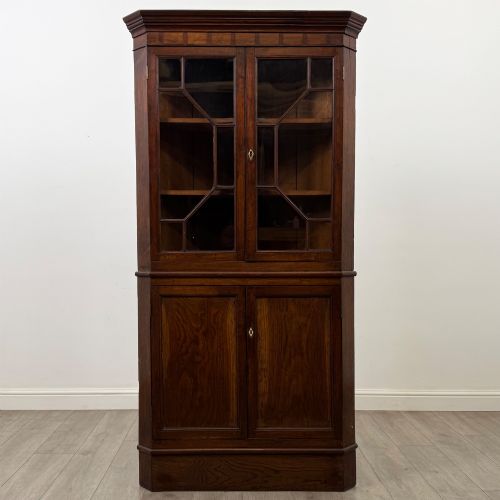
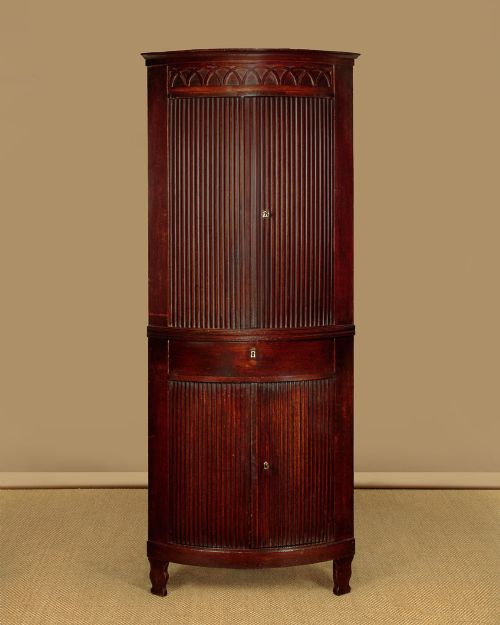
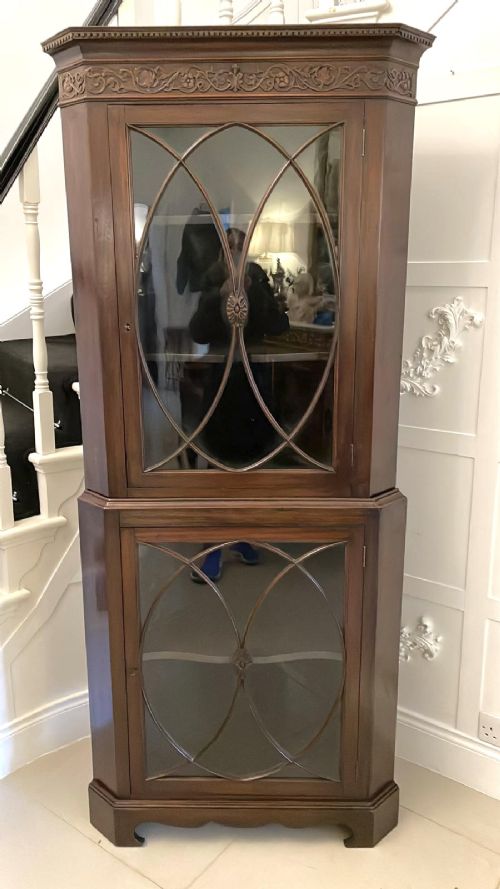
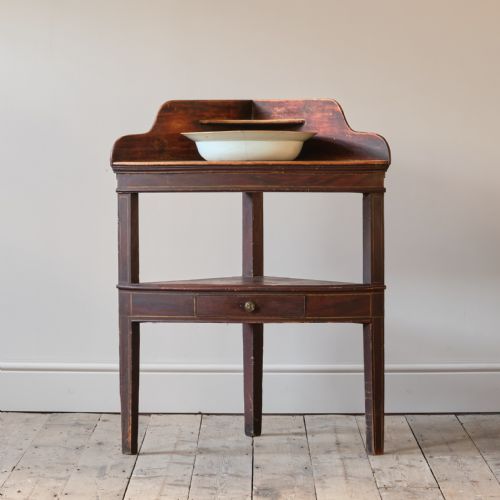
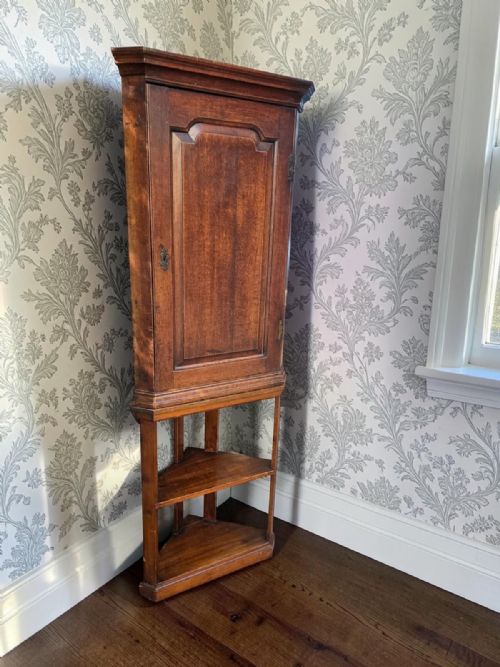
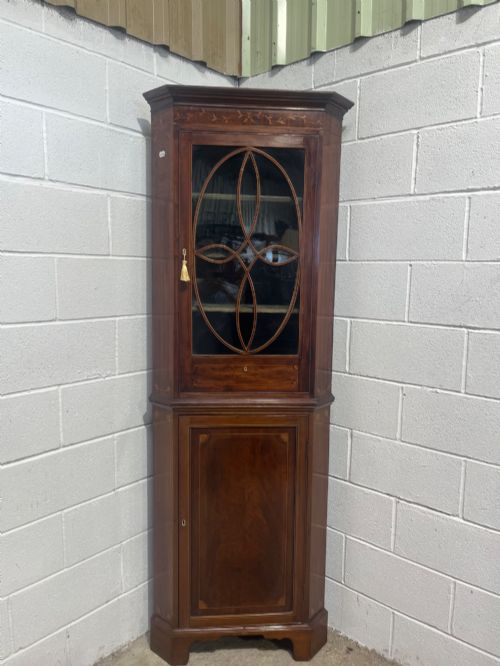
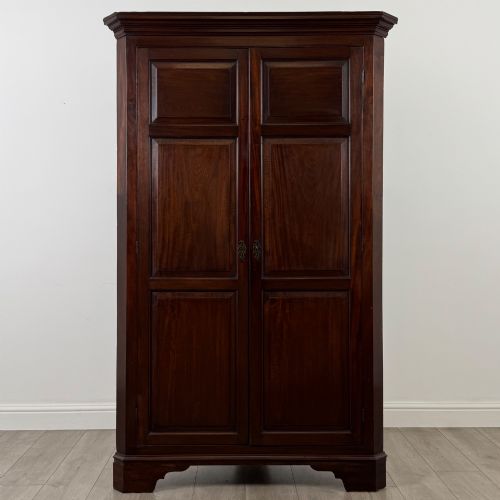
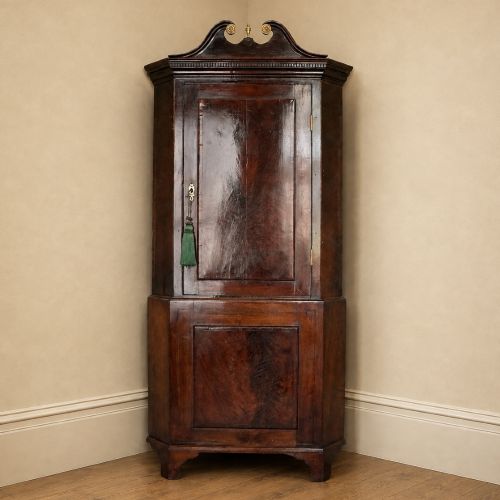
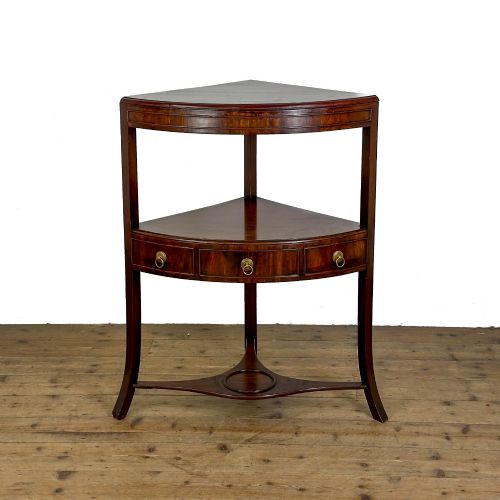
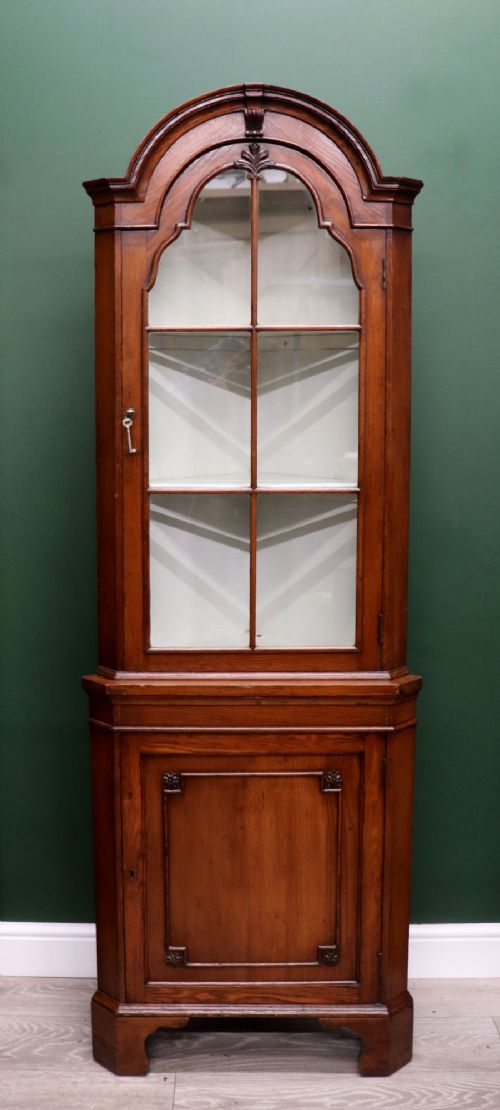
A dark brown corner stand uses awkward room angles to its advantage, appearing most frequently in forms such as corner cabinets, standing cupboards, and washstands. These pieces serve to maximise floor space while offering display and storage areas across multiple tiers or cupboards.
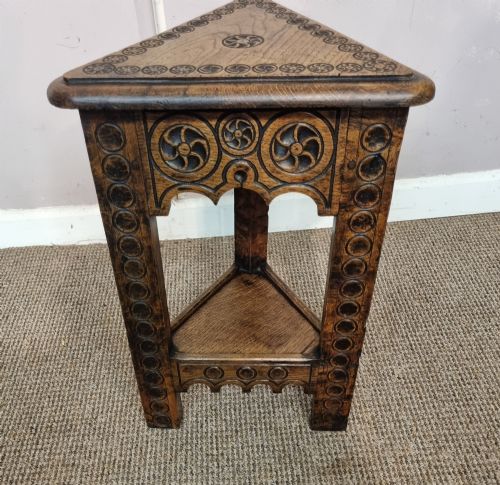
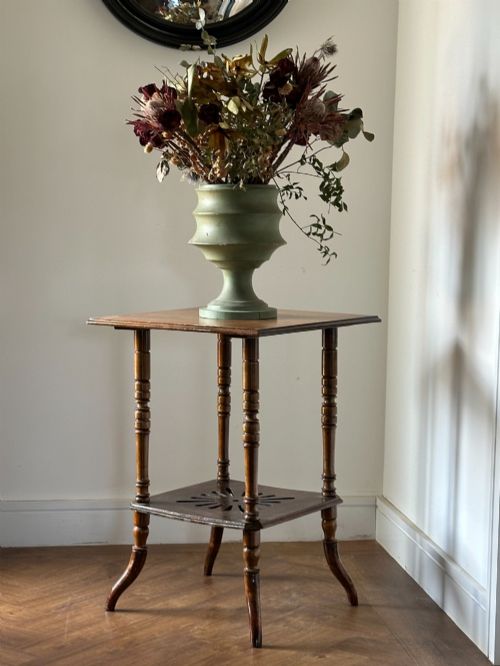
The selection ranges from early eighteenth-century Georgian oak pieces to nineteenth-century mahogany variants and later twentieth-century interpretations. Cabinets often feature double heights or floor-standing designs, alongside occasional tables and triangular washstands.
Makers built these stands to fit snugly into room junctions, employing rich timber tones in oak, mahogany, and walnut. Buyers will find both wall-hanging and free-standing formats designed to anchor the corner of a room effectively.
Quality and craftsmanship
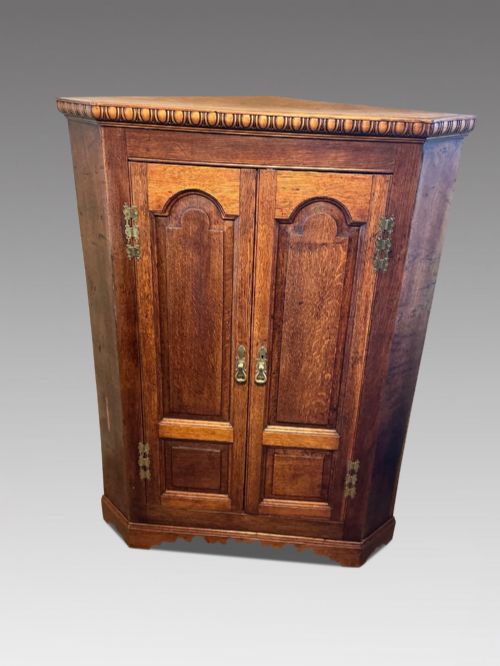
The distinction between standard utility pieces and finer examples rests on the selection of timber grain and the precision of the joinery. Superior items exhibit carefully matched mahogany or quarter-sawn oak panels that have aged to a deep, even patina.
Subtleties in carving execution and the retention of original brass fittings elevate certain examples above simpler country pieces. The proportion and balance of floor-standing cupboards dictate how successfully the piece occupies a room.
Current listings demonstrate a prevalence of oak and mahogany across eighteenth and nineteenth-century forms.
The Dark Brown Corner Stand Glossary
- Astragal glazing
- A method of dividing glass panes within a door using thin timber mouldings. This technique appears frequently on eighteenth and nineteenth-century cabinet doors.
- Washstand
- A piece of furniture designed to hold washbasins and water jugs. These often fit into corners and feature low splashbacks or tiered shelves.
- Whatnot
- An open set of shelves used for displaying ornaments and books. They range from three to four tiers and often feature triangular or square footprints.
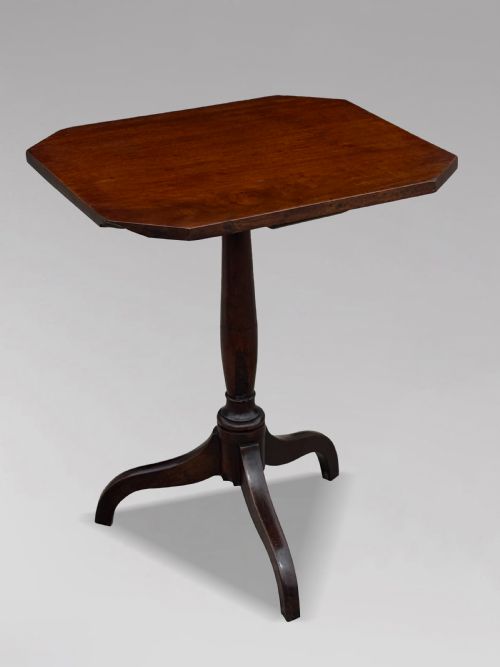
- Tripod table
- A small table supported by a central pillar and three legs. These balance well on uneven floors and appear in various timber finishes.
- Quarter-sawn oak
- Timber cut radially from the growth rings to produce a distinct silver flake pattern. This cut offers superior stability for cabinet doors and panels.
Dark Brown Corner Stand: Frequently Asked Questions
How do I style a corner stand?
Place a tall floor-standing cupboard in an empty dining room corner to store glassware and ceramics safely out of the way.
Shorter stands work well beneath wall art, allowing you to display table lamps or small decorative objects without crowding the room.
Were these always meant for corners?
Most of these pieces were specifically built with triangular footprints or angled backs to slot precisely into ninety-degree room junctions.
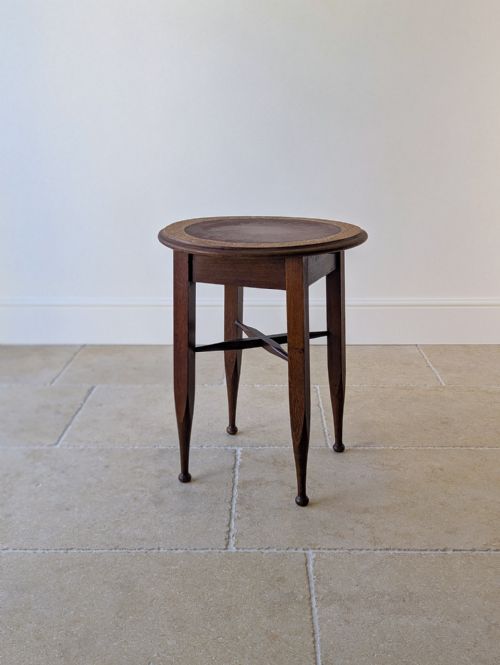
Some variants, such as tripod tables and side tables, are versatile enough to move away from corners into general room spaces.
How do I identify a Georgian piece?
Georgian stands typically showcase dense mahogany or solid oak construction with understated mouldings and traditional panelled doors.
Look for hand-cut dovetailing in drawer construction and period brass key escutcheons that indicate eighteenth or early nineteenth-century origins.
What is the difference between a cabinet and a cupboard?
Cabinets frequently incorporate glazed doors designed for displaying collections, whereas cupboards usually feature solid timber doors for concealed storage.
Both forms utilise the same space-saving angular design to fit snugly into room corners.