



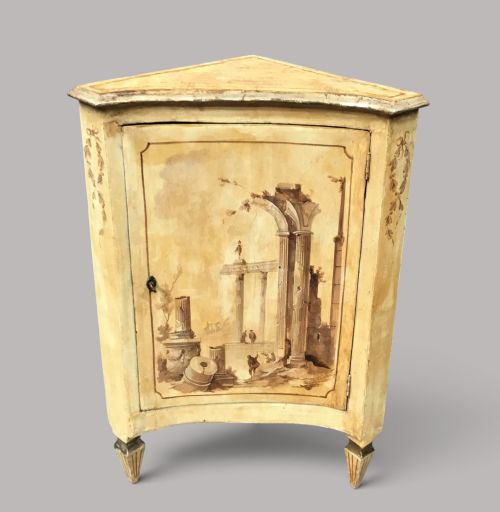

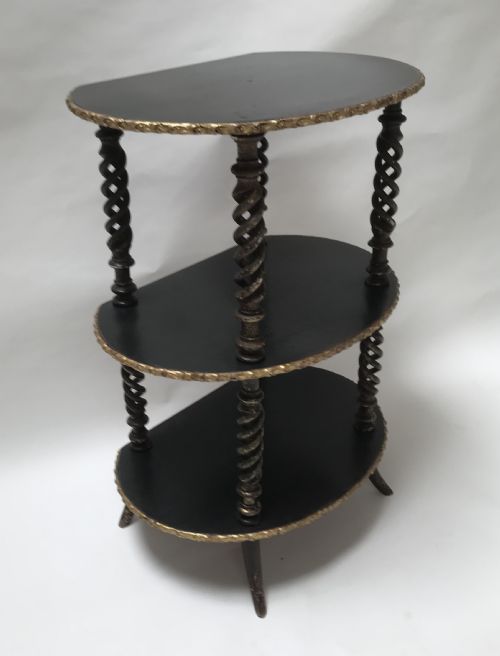


Antique Painted Corner Stand
An antique painted corner stand makes use of awkward angles, offering colour and display space where a flat piece will not fit.
Antique Painted Corner Stand
An antique painted corner stand is a fitted or freestanding item designed to occupy the junction of two walls, making efficient use of dead space in a room. These pieces range from tall standing cupboards with panelled doors to open plant stands and washstands intended for domestic use.
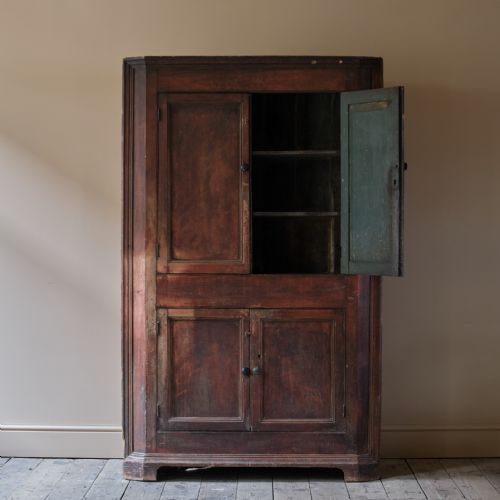
You are most likely to meet Georgian pine corner cupboards finished in paint, alongside Edwardian Chinoiserie examples and later iron or wooden variants. The form serves both utility and display, often housing precious china or everyday household items.
Origin and period shape these items significantly, spanning Georgian craft through to Victorian and Edwardian interpretations. The surviving examples demonstrate how households adapted specific furniture to fit domestic layouts over multiple centuries.
How they were made
Pine and general wood form the structural carcase of these items, shaped to fit square room angles with sturdy vertical framing. Wrought iron and slatted metal also appear in specific plant stands from later periods, utilising riveted construction for stability.
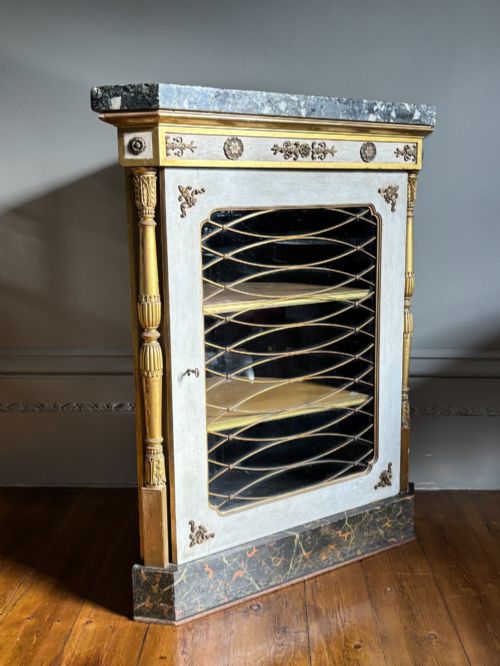
Paint finishes are fundamental to the surface, applied originally to protect the timber or to mimic more expensive materials such as lacquer. Gilt and brass details add focal points to doors and mounts, whilst glass panels feature in cabinet doors to display contents.
Antique Painted Corner Stand Retail Price Guide 2026
Typical asking prices for painted corner stand among the pieces listed under this phrase on Sellingantiques today, from the lower quarter to the upper quarter. They describe what is for sale here now, not the wider market.
Surface treatments across the current selection include original paint, Chinoiserie decoration, and traditional lacquer finishes.
What varies in quality
The integrity of the original painted surface separates standard pieces from superior examples, particularly where layers have survived intact over centuries. Hand-applied Chinoiserie detailing or genuine period paint finishes demand specialist skill that elevates the stature of the piece.
Proportion and timber selection dictate the baseline standard of the construction, with solid pine and figured satinwood representing different rungs of the maker's craft. The precision of the corner joints and the retention of original brass hardware further distinguish finer workshops.
The Antique Painted Corner Stand Glossary
- Chinoiserie
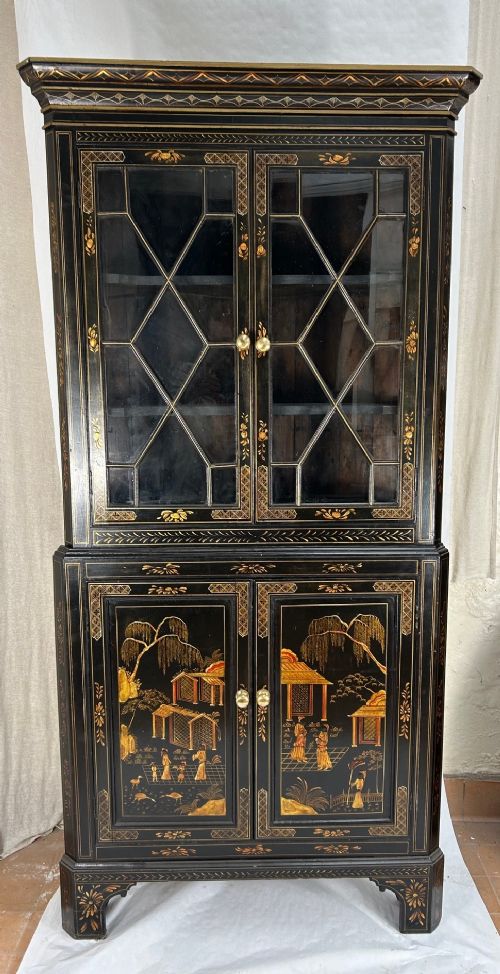
- European imitation of traditional Chinese artistic motifs, commonly featuring figures, pagodas, and landscapes rendered in paint or lacquer. This style appears frequently on Edwardian and Georgian corner cupboards.
- Standing corner cupboard
- A tall floor-standing unit designed to fit squarely into a room corner, usually featuring upper shelving enclosed by doors. They provide substantial storage whilst hugging the wall profile.
- Washstand
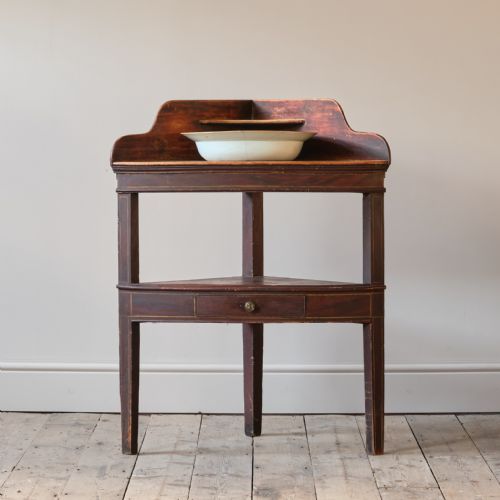
- A utilitarian piece of furniture equipped to hold basin and pitchers for personal hygiene, often constructed from pine and finished with paint to resist water. Surviving examples reflect domestic routines of the period.
- Whatnot
- An open set of tiered shelves designed for displaying ornaments, books, or small objects in a corner or against a wall. The form prioritises vertical display over enclosed storage.
- Regency
- An English design period spanning the early nineteenth century, characterised by classical restraint and neoclassical influences. Pieces from this era often display clean lines and painted surfaces.
Antique Painted Corner Stand: Frequently Asked Questions
What is an antique painted corner stand used for?
These items were traditionally employed to store crockery, display decorative objects, or hold wash basins in rooms with limited floor space. Their triangular footprint allows them to slot neatly into neglected room angles.
Today, they serve a similar purpose in domestic interiors, adding a splash of period colour and practical surface area to hallways, living rooms, and bedrooms without obstructing pathways.
How do I identify the period of a painted corner stand?
Dating relies on examining the timber construction, the type of hinges used, and the style of any painted decoration. Georgian pieces often utilise heavy pine and traditional panel construction, whereas Edwardian items may feature lighter woods or decorative Chinoiserie motifs.
Paint analysis also assists in establishing age, as original finishes show natural wear patterns and pigment characteristics consistent with specific manufacturing eras.
Are these stands suitable for small rooms?
Their primary design advantage is the ability to utilise corner space that would otherwise remain empty. Standing cabinets and open plant stands maximise vertical capacity while keeping floor footprints minimal.
Choosing an open shelf version or a lighter paint colour further reduces the visual weight of the furniture in a compact interior setting.
What is the difference between a cupboard and a stand?
Cupboards generally feature enclosed doors that hide the contents from view, making them ideal for storing tableware or household provisions. Stands are typically open-framed structures designed for holding plants, wash basins, or decorative displays.
Both share the same triangular corner geometry but serve distinct functional roles within historical and modern domestic spaces.