




Dark Brown Chairs
Dark brown chairs span centuries of workshop traditions, offering solid timbers and rich tones that anchor a room.
Dark Brown Chairs
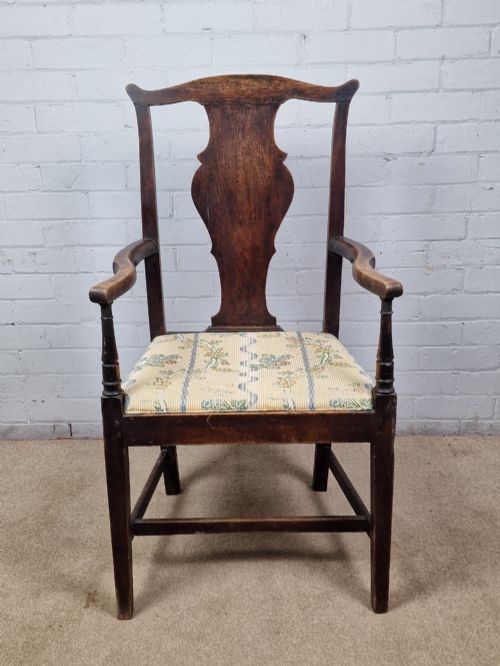
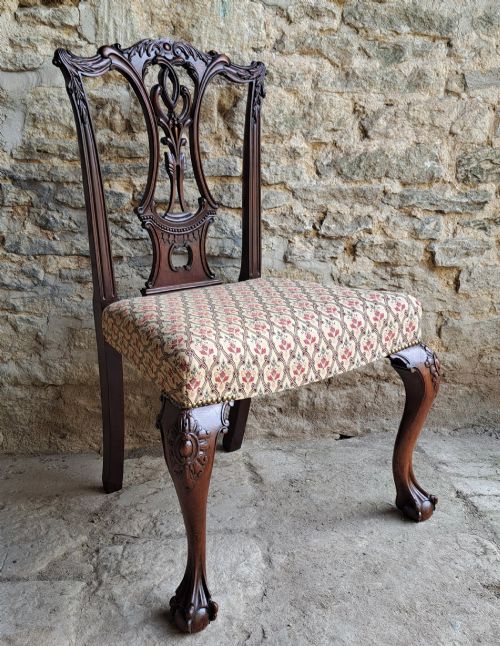
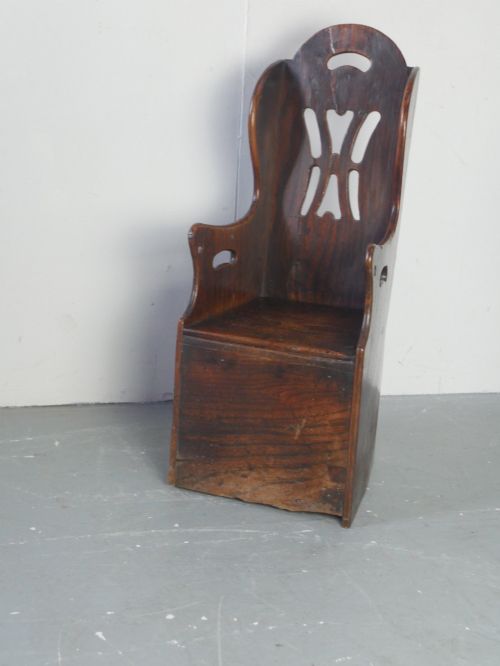
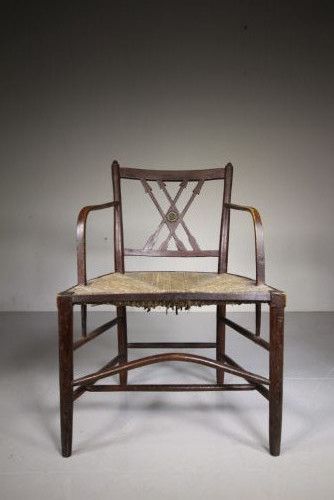
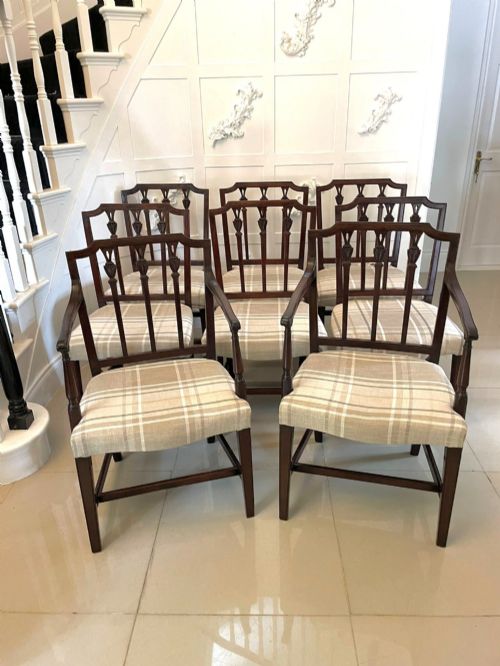
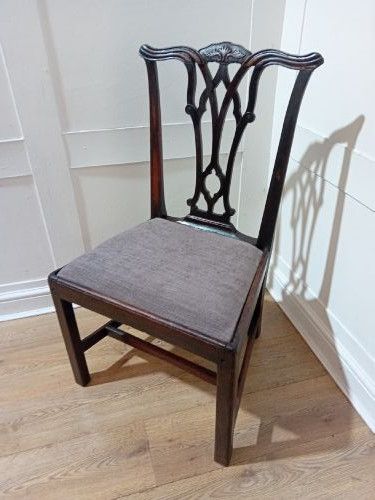
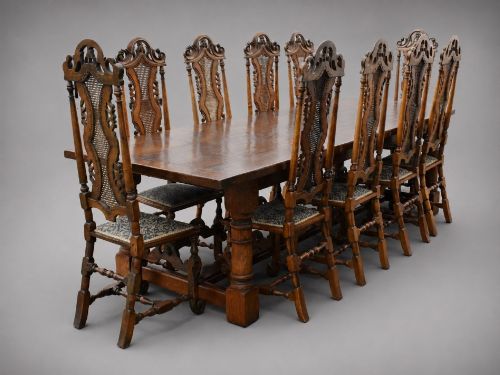
Dark brown chairs encompass everything from rustic farmhouse seating to formal dining sets produced across the eighteenth and nineteenth centuries. You will frequently encounter dining chairs, armchairs, and hall chairs shaped from dense hardwoods during the Georgian and Victorian periods.
The selection ranges from country Windsor designs in elm and beech to refined mahogany carvers and walnut high-back chairs. Makers through the decades utilised traditional forms such as the ladder back, shield back, and Windsor construction to serve both domestic and institutional spaces.
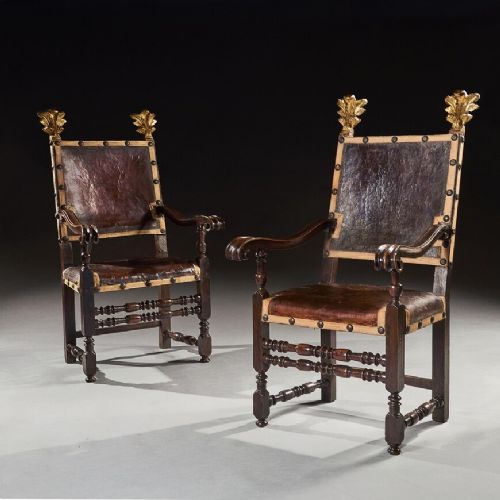
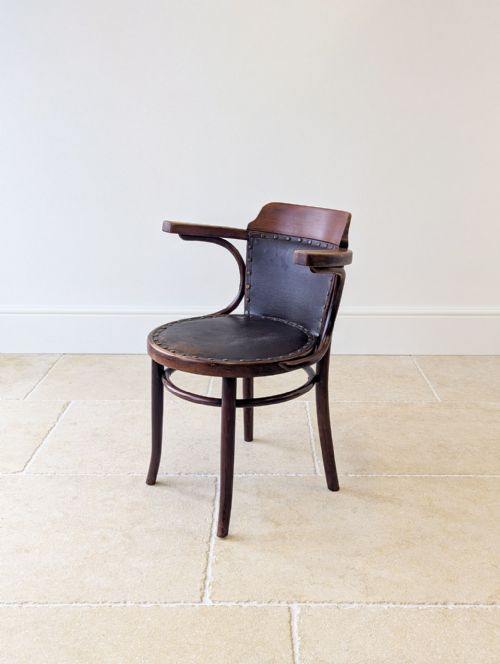
Earlier examples include oak turners chairs and Italian baroque seating, while later pieces stretch into Edwardian bentwood and early twentieth-century school chairs. These pieces demonstrate how dark timber tones were achieved through natural ageing, staining, and the original properties of oak, walnut, and mahogany.
Materials and construction
Construction relies heavily on native and imported timbers, with oak, mahogany, elm, and walnut forming the structural bones of most pieces. Joinery typically involves pegged mortise and tenon joints, steam bending for curved components like Windsor backs, and turned spindles.
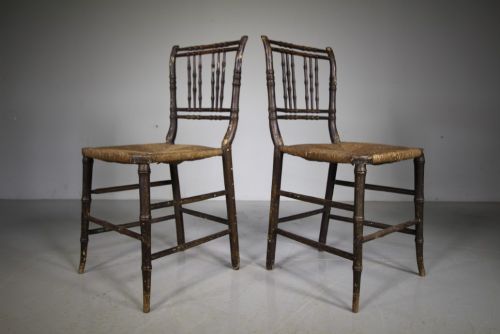
Surface finishes and upholstery complete the build, incorporating hand-dyed leather, woven rush, cane, and plain fabrics secured with brass tacks. Paint and parcel-gilt treatments also appear on specific regional and continental forms, adding colour and decorative contrast to the dark timber.
A metamorphic step chair cleverly unfolds from a modest wooden seat into a set of library steps.
Distinction in craftsmanship
Quality rests in the selection of timber and the precision of the joinery rather than surface decoration alone. Dense grain patterns in mahogany or quarter-sawn oak indicate superior material choice that stands up to centuries of use without losing structural integrity.
Carvings and turned elements reveal the hand of the maker, where crisp detailing and balanced proportions distinguish bespoke workshop output from mass-produced equivalents. Original surface treatments and untouched patina further separate pieces that retain historical integrity from those altered over time.
The Dark Brown Chairs Glossary
- Windsor chair
- A wooden chair built with a solid saddle-shaped seat into which the legs and back spindles are inserted directly. This form developed in English country workshops during the eighteenth century.
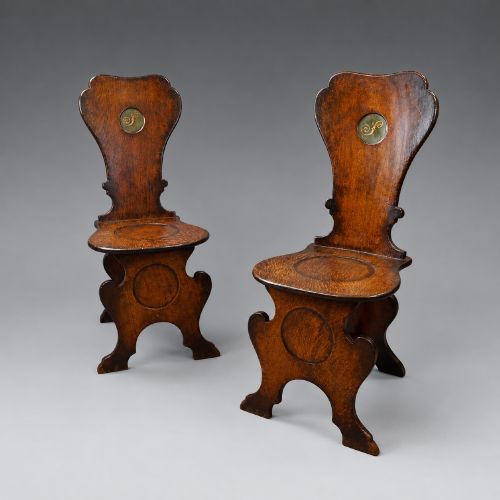
- Sgabello
- A light wooden chair originating during the Italian Renaissance, featuring a high back and solid trestle supports instead of conventional legs. They were typically used in the halls of grand houses.
- Shield back
- A chair back shaped in the outline of a heraldic shield, popularised by eighteenth-century designers such as George Hepplewhite. They often incorporate carved wheat ears or drapery motifs.
- Ladder back
- A chair back featuring a series of horizontal arched slats between two upright posts. This traditional vernacular design appears frequently in oak and ash dining chairs.
- Turners chair
- A heavy chair constructed entirely from turned wooden spindles and members joined without flat planks. They date back to the seventeenth century and earlier.
Dark Brown Chairs: Frequently Asked Questions
How do I care for antique leather upholstery?
Keep leather clean by dusting regularly with a dry cloth and apply professional wax or leather balm sparingly to maintain moisture. Avoid placing chairs near direct heat sources or strong sunlight, which causes the dark brown hide to dry and crack.
Allow the natural patina to develop over time rather than attempting to scrub away historic scuffs. Gentle maintenance preserves both the flexibility of the material and the character of the piece.
Are oak dining chairs sturdy enough for daily use?
Oak is an exceptionally dense and durable timber, making these chairs well suited for regular dining room seating. Check that the stretchers and leg joints remain tight and free from movement before putting them into heavy service.
Historic chairs may have slight play in the joints due to dried-out glue, which a restorer can easily address. With proper handling, they provide reliable seating for daily meals.
How can I tell a Georgian chair from a Victorian one?
Georgian chairs generally display lighter proportions, restrained carving, and tapered or cabriole legs characteristic of eighteenth-century taste. Mahogany and oak dominate this era, showing refined joinery and classical motifs.
Victorian chairs tend to be heavier and bolder in scale, frequently incorporating revival styles like Gothic or Jacobean elements. Walnut and darker finishes became widespread as industrial production methods expanded.