



Dark Brown Carpet Runner
When searching for a dark brown carpet runner, you are exploring hand-knotted tribal and nomadic floor coverings shaped by regional traditions.
Dark Brown Carpet Runner
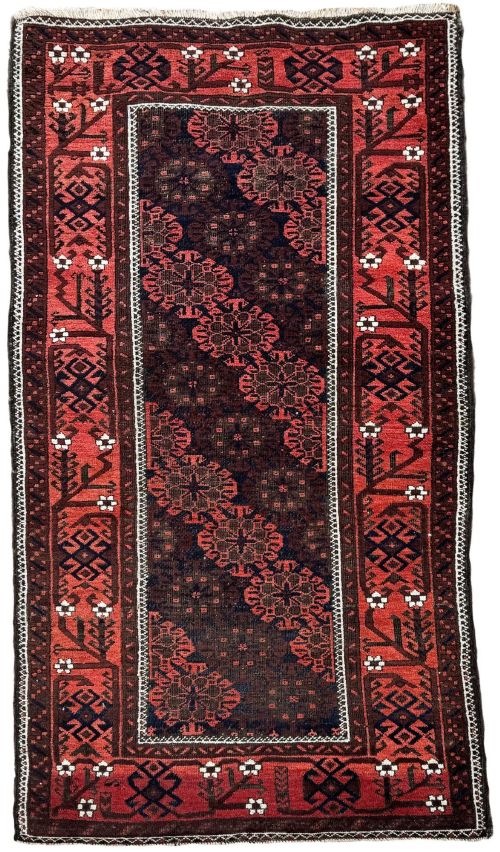
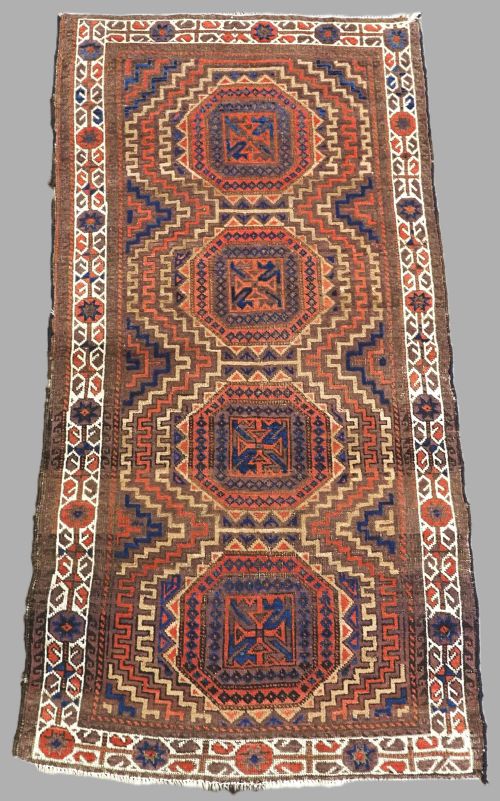
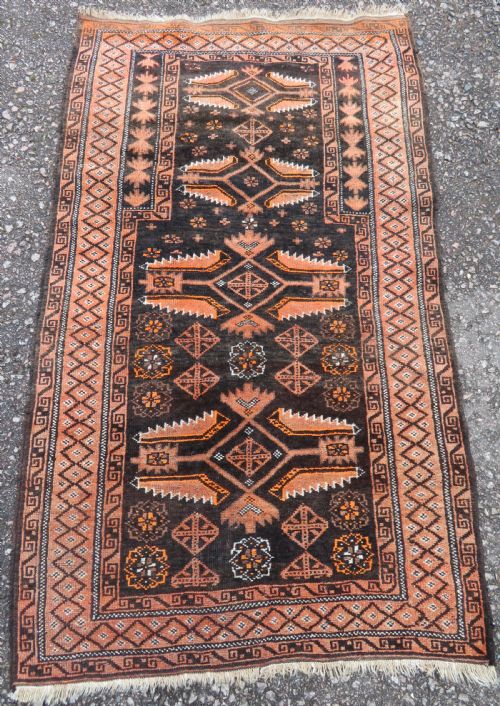
A dark brown carpet runner typically encompasses narrow tribal and nomadic rugs, including Kurdish, Baluch, and Caucasian pieces designed for hallways and long spaces. These pieces emerge from the nineteenth and early twentieth centuries, spanning periods from eighteen eighty to nineteen thirty.
The format focuses on linear dimensions suited for corridors, featuring concentrated tribal patterns like guls, lattice arrangements, and latch hook medallions. You will regularly encounter regional village and nomadic iterations originating from Persia, Afghanistan, and the Caucasus.
Makers utilised traditional formats suited for domestic foot traffic, balancing narrow proportions with dense repeating motifs. The selection centres on authentic hand-knotted examples rather than modern factory productions.
Materials and construction methods
Construction relies heavily on wool, hand-spun wool, and cotton foundations, combined with resilient goat hair in specific tribal contexts. Artisans employed natural dyes to achieve deep earthy tones, including the characteristic dark brown grounds seen across the pieces.
Knotting techniques reflect the specific tribal provenance, from Baluch workshops in western Afghanistan and Khorasan to Kurdish weavers in north-west Persia. The integration of hand-spun materials gives each runner its tactile weight and structural integrity.
Dark Brown Carpet Runner Retail Price Guide 2026
Typical asking prices for dark brown carpet runner among the pieces listed under this phrase on Sellingantiques today, from the lower quarter to the upper quarter. They describe what is for sale here now, not the wider market.
Listings feature pieces spanning the nineteenth century to nineteen thirty, predominantly utilising wool, hand-spun wool, and natural dyes across tribal regions.
Factors determining quality
Quality rests in the fineness of the knot density and the precision of the tribal patterns, such as guls, calyx lattices, or shield repeats. Superior examples demonstrate skilled execution in the drawing of geometric motifs and balanced proportions along the narrow format.
The depth and stability of the natural dyes significantly influence the visual impact of the piece, particularly within the dark brown fields and contrasting border details. Consistency in the hand-spun wool and the preservation of original selvedges and ends complete the evaluation.
The Dark Brown Carpet Runner Glossary
- Gul
- A medallion motif commonly found in tribal weaving, often repeated across the field in symmetrical rows. These secondary patterns help identify specific regional workshops.
- Natural Dyes
- Colourants derived from plant and mineral sources prior to the widespread adoption of synthetic alternatives. They impart a rich, varied patina as the material ages.
- Runner
- A long, narrow carpet format traditionally utilised in hallways, corridors, and narrow passageways. The proportions require specific geometric adaptation by the weaver.
- Tribal and Nomadic
- Describing pieces produced by distinct regional groups moving away from fixed urban manufactories. The designs reflect ancestral motifs passed down through generations.
- Prayer Rug
- A smaller format featuring a specific mihrab or architectural niche design used for personal devotion. These pieces often share the palette and wool quality of larger runners.
Dark Brown Carpet Runner: Frequently Asked Questions
How do I clean a vintage wool runner?
Maintenance requires gentle vacuuming without a rotating brush to protect the hand-spun wool fibres and natural dyes. Professional specialist cleaning is recommended for deep maintenance.
Avoid excessive moisture and harsh chemical detergents, as these can degrade the historic foundation and alter the dark brown tones.
Are these runners suitable for heavy hallways?
Many tribal runners were constructed by nomadic and village weavers using durable wool and goat hair to withstand daily use. Placing a suitable underlay beneath the piece prevents slipping and cushions the foundation against hard flooring.
Regular rotation distributes foot traffic evenly across the length of the runner, preserving the pile over time.
How can I tell a Baluch runner apart?
Baluch pieces typically display deep dark brown or indigo fields decorated with characteristic guls, tree of life motifs, or camel foot patterns. They often incorporate goat hair in the outer cordings and feature compact tribal dimensions.
Originating from regions spanning Iran and Afghanistan, their tactile handle and saturated palette distinguish them from larger Persian town carpets.
What period do these runners date from?
The pieces available span the late nineteenth century through to the early decades of the twentieth century, encompassing periods from eighteen eighty to nineteen thirty. Each era reflects traditional regional weaving practices before mass production altered village output.
Dating relies on structural analysis, wool characteristics, and the specific palette of the natural dyes utilised by the makers.