



Caucasian Hallway Rug
A caucasian hallway rug brings rich geometric patterns and village character to a corridor, offering lasting durability through traditional handweaving.
Caucasian Hallway Rug
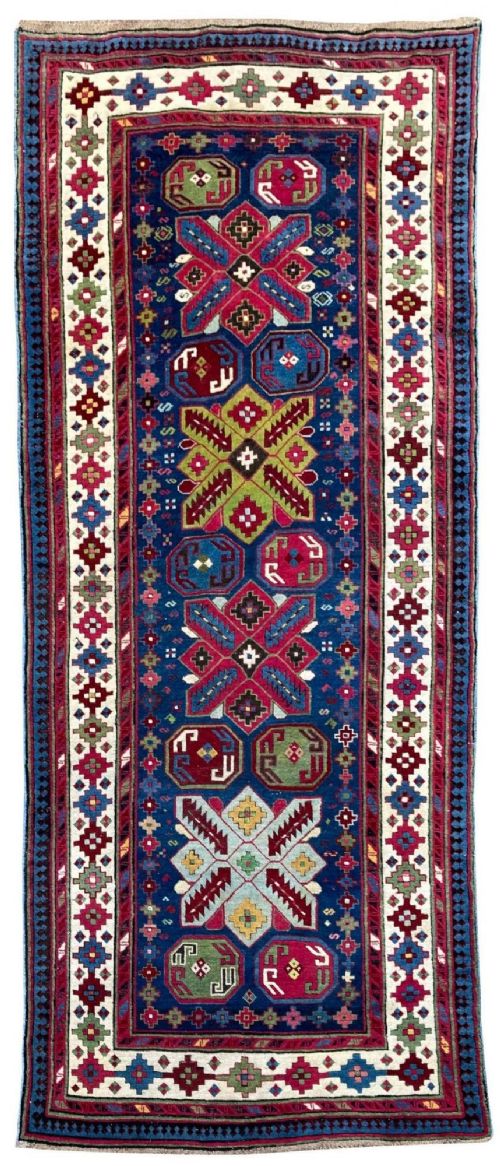
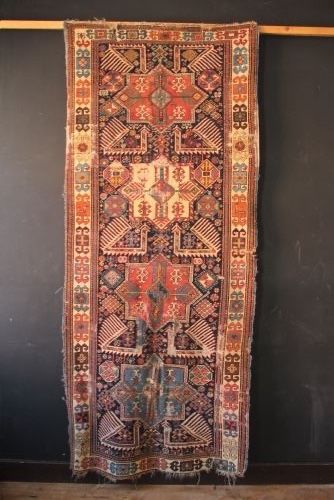
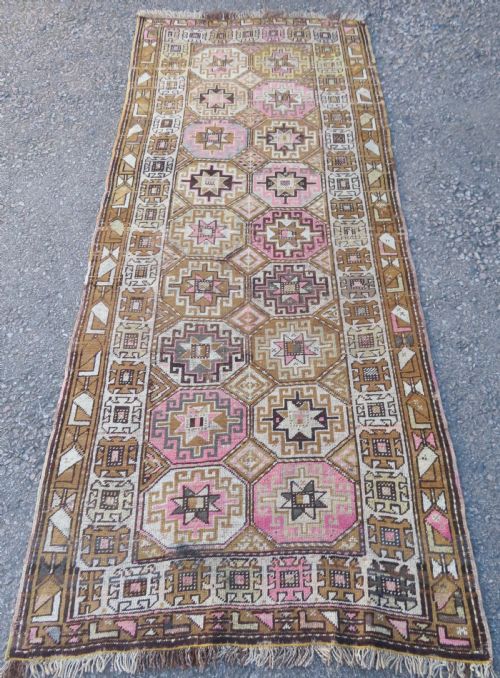
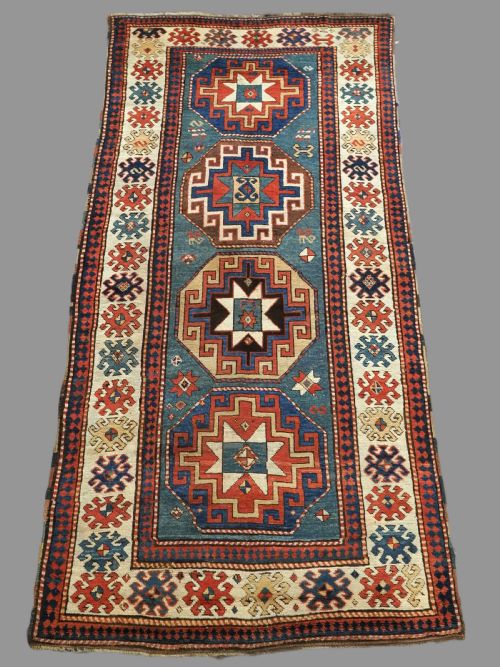
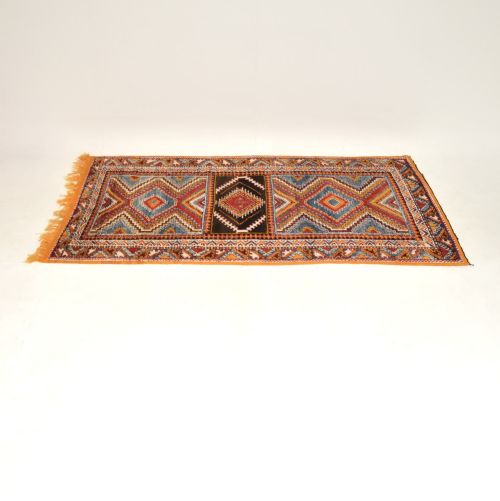
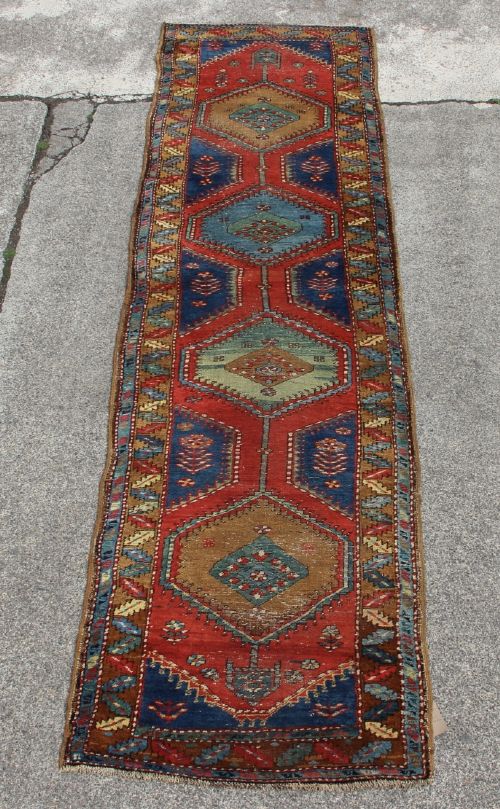
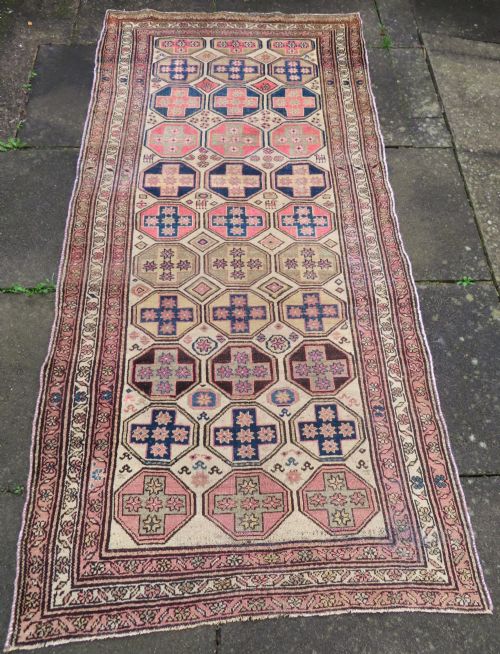
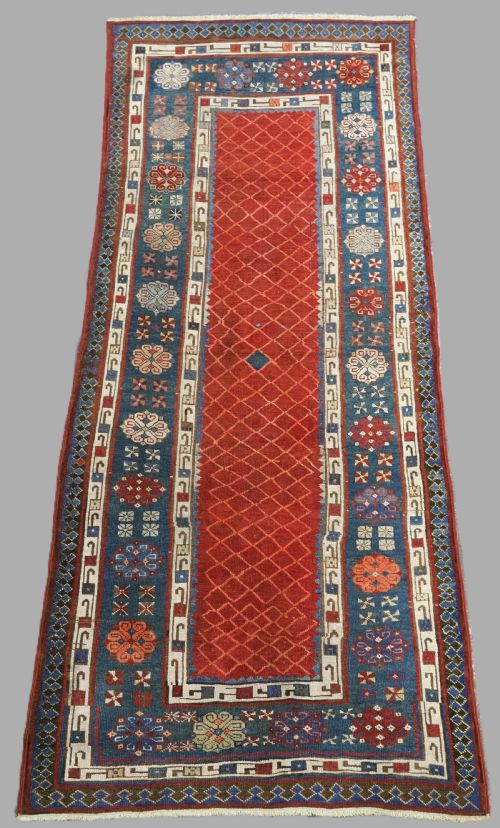
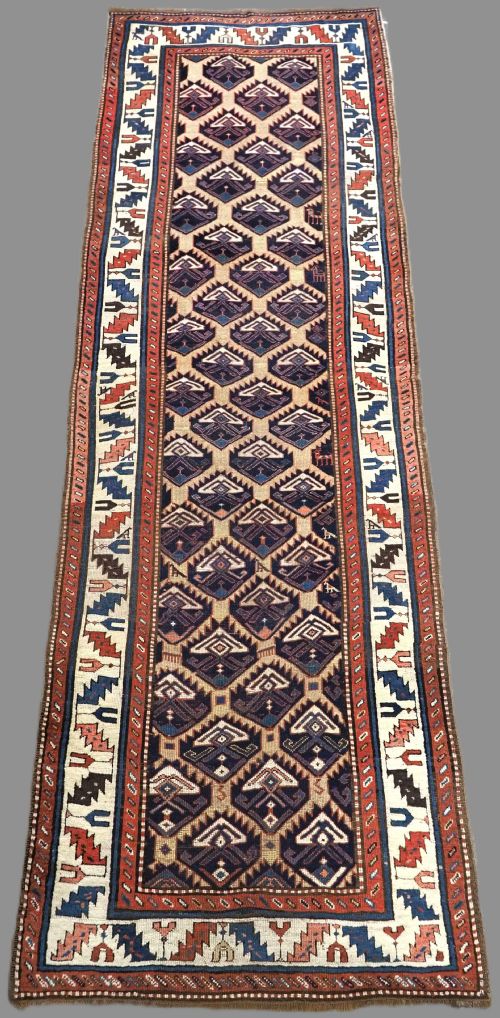
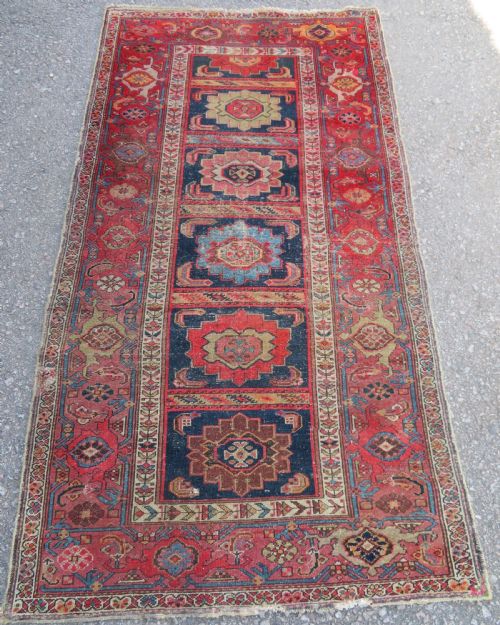
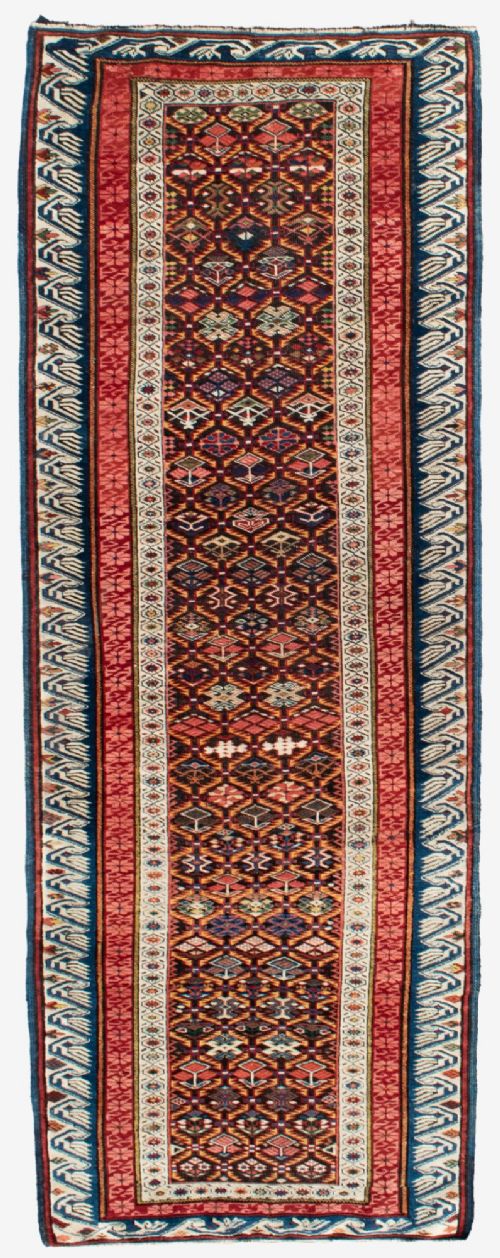
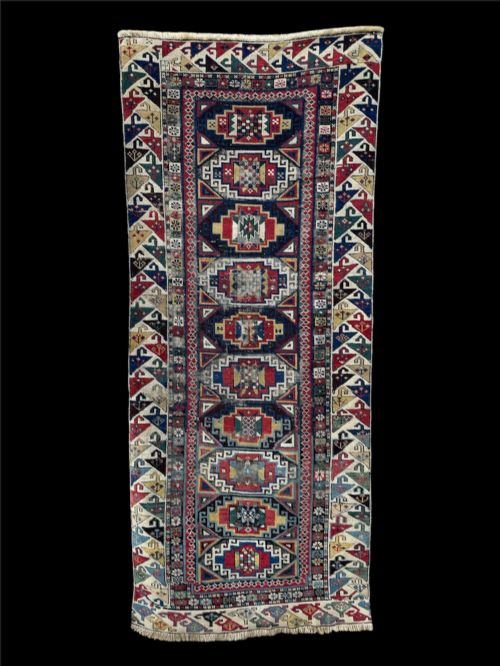
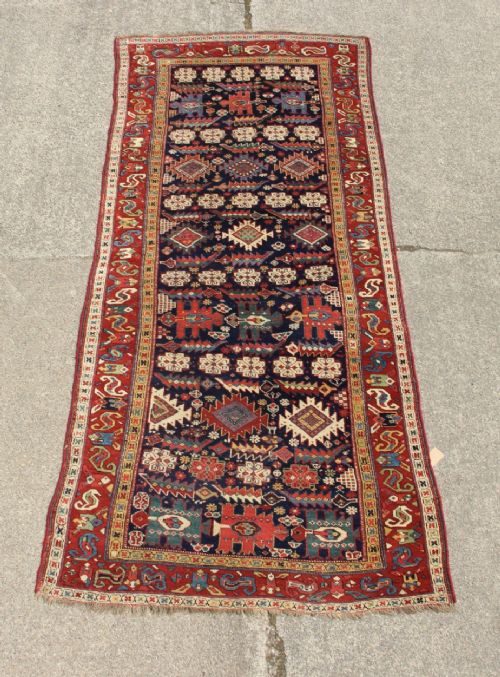
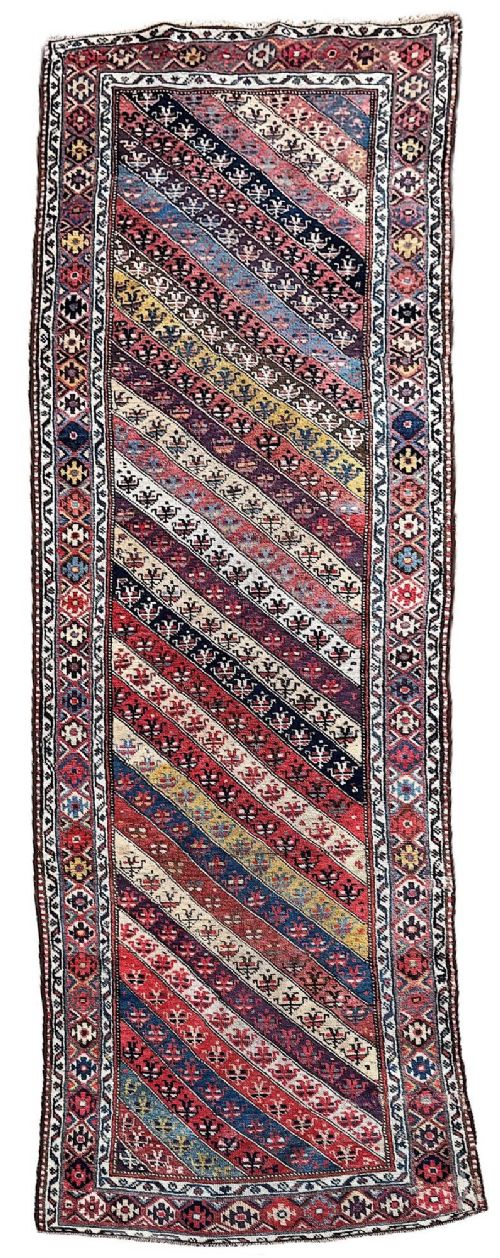
A caucasian hallway rug is a long, narrow floor covering originating from the Caucasus region, shaped specifically for corridors and narrow spaces. These textiles frequently display bold geometric motifs, medallions, lattice designs, and colourful boteh patterns.
Buyers will most commonly encounter runner formats dated across the nineteenth and early twentieth centuries, including pieces attributed to specific tribal groups like Kazak, Gendje, Talish, Shirvan, and Seychour.
The selection ranges from narrow runners with repeat medallions to long village rugs featuring green or blue grounds, reflecting the diverse weaving traditions of the region.
Materials and Construction
These floor coverings are constructed using wool, cotton, and hand-spun wool, providing a sturdy foundation and pile designed to withstand heavy foot traffic in a hallway. The reliance on natural dyes produces rich, saturated hues that develop a harmonious patina over time.
Weavers employed traditional handwoven techniques, knotting wool onto cotton or wool warps and wefts to create dense, flat or piled textiles. This method ensures structural integrity while allowing for the intricate geometric precision seen in village and tribal carpets.
Caucasian Hallway Rug Retail Price Guide 2026
Typical asking prices for caucasian hallway rug among the pieces listed under this phrase on Sellingantiques today, from the lower quarter to the upper quarter. They describe what is for sale here now, not the wider market.
Some antique village runners display charming irregularities in their geometry, reflecting the unhurried hand of a weaver working from memory.
Factors That Distinguish Quality
Quality in these textiles depends on the fineness of the weave, the clarity of the geometric design, and the depth of the palette. Tighter knotting and precise execution of lattice or medallion motifs indicate skilled village or nomadic production.
The vibrancy and integrity of the natural dyes significantly influence the visual impact of the piece. Superior examples maintain rich, varied colouration across the ground and borders, contributing to a more compelling presence in a hallway.
The Caucasian Hallway Rug Glossary
- Boteh
- A traditional teardrop or almond-shaped motif with a curved upper end, frequently seen in oriental carpets and runner designs.
- Lattice
- A repeating network of intersecting diagonal lines forming a grid pattern across the field of the rug.
- Runner
- A long, narrow carpet format specifically proportioned for hallways, corridors, and stairs.
- Warp
- The vertical threads stretched lengthwise on a loom, forming the structural foundation to which the wool knots are tied.
Caucasian Hallway Rug: Frequently Asked Questions
Where should I place a runner in my home?
These long formats are ideally suited for hallways, corridors, and narrow entryways where foot traffic benefits from a durable floor covering.
They also work effectively in galley kitchens or alongside large pieces of furniture in narrow rooms.
How do I care for an antique wool runner?
Regular gentle vacuuming without a rotating beater brush helps remove dust and grit from the wool pile.
Professional cleaning tailored to antique textiles should be utilised periodically to preserve the natural dyes.
What is the difference between a Kazak and a Talish runner?
Kazak weavings typically feature bold geometric medallions and robust, colourful motifs with a thicker pile.
Talish pieces are generally known for their open fields, often in blue or white, flanked by detailed, narrow borders.
Are these rugs suitable for high-traffic areas?
The dense construction of traditional hand-spun wool and sturdy foundations makes them resilient for everyday use.
Using an appropriate underlay helps secure the runner and reduces friction against the floorboards.