

Dark Brown Cabinet
A dark brown cabinet brings deep timber tones to a room, offering practical storage through centuries of craftsmanship.
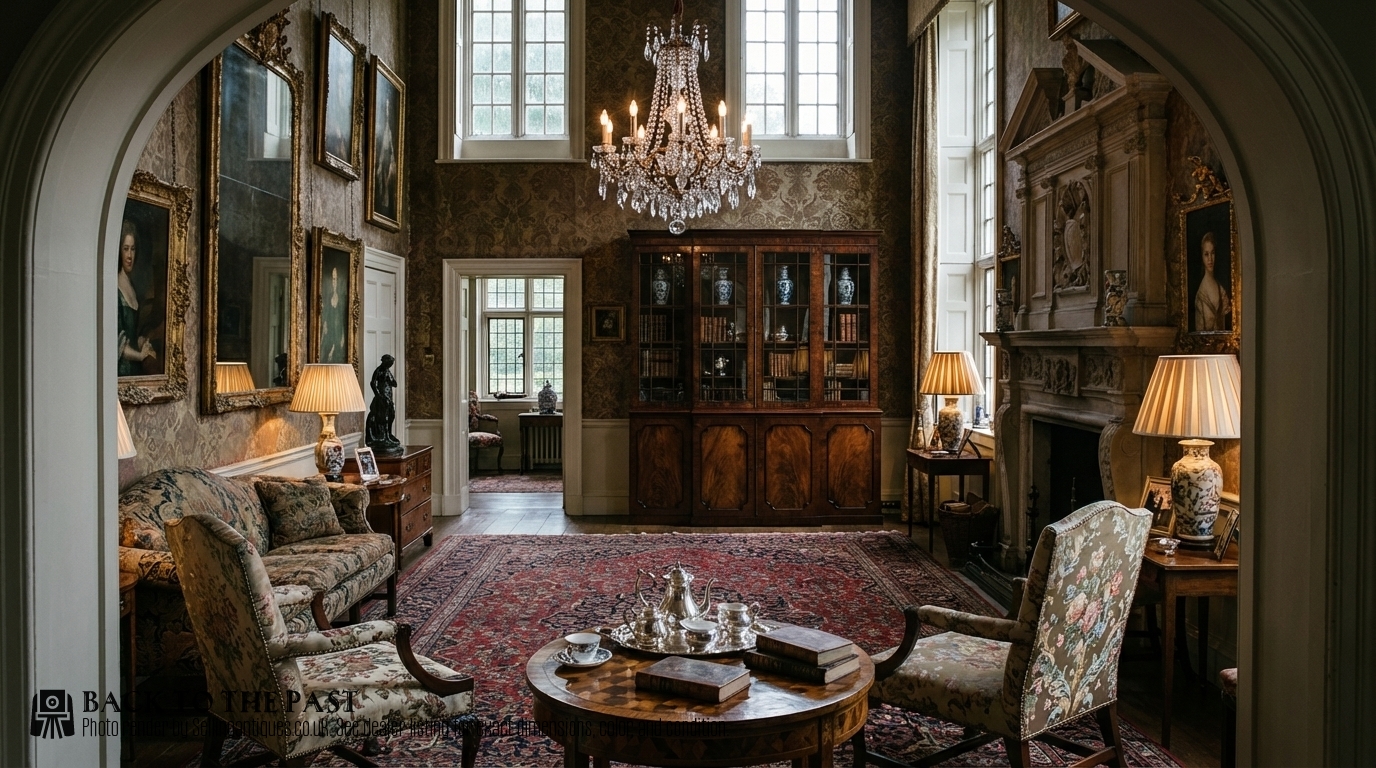
Dark Brown Cabinet
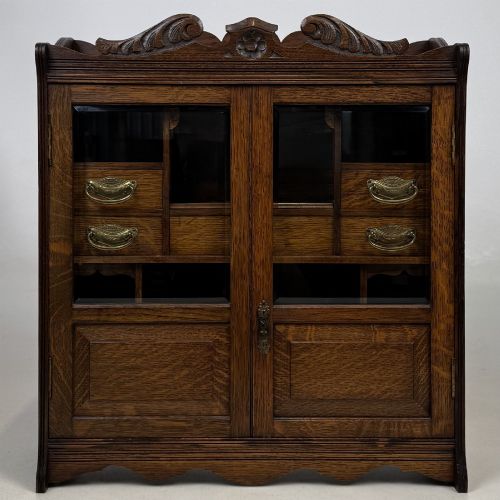
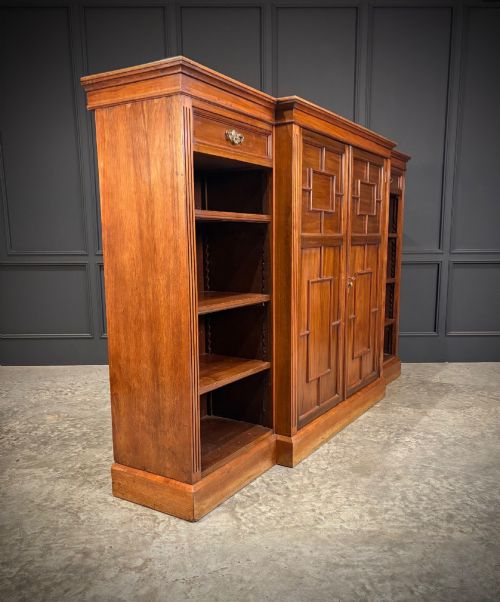
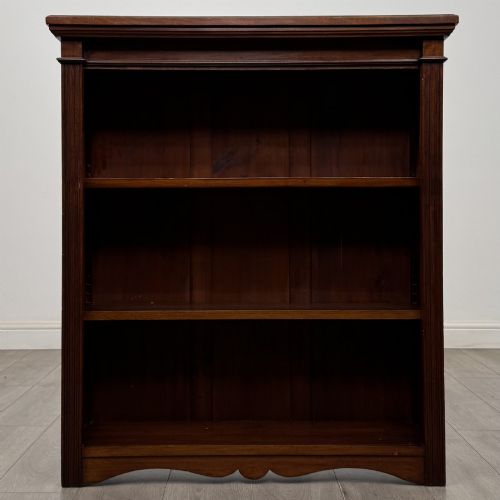
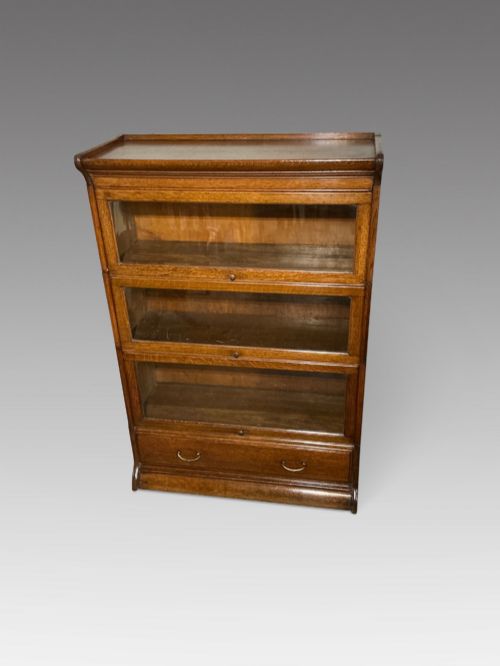
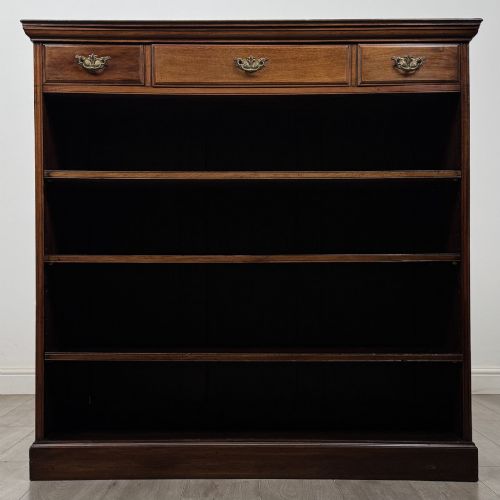
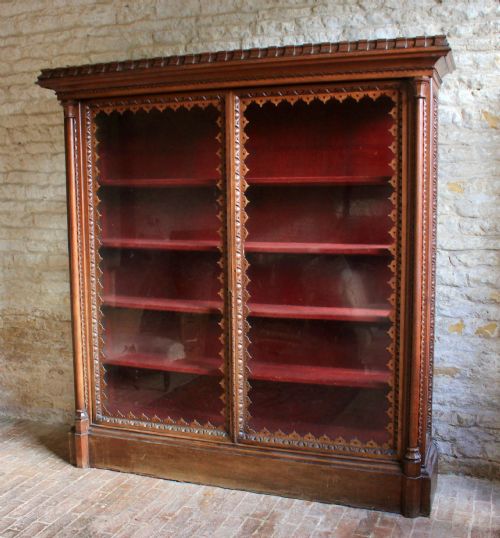
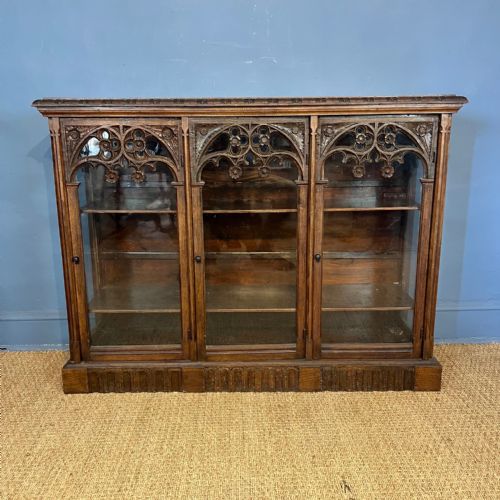
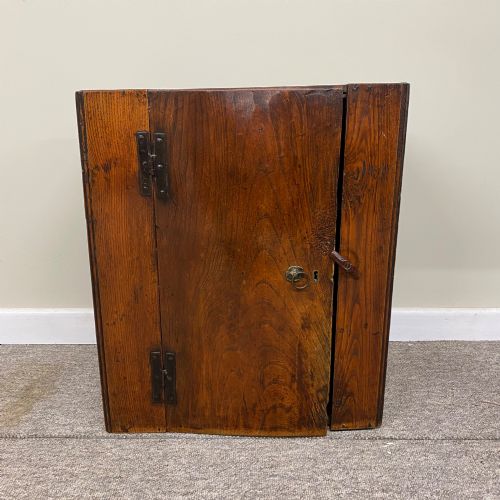
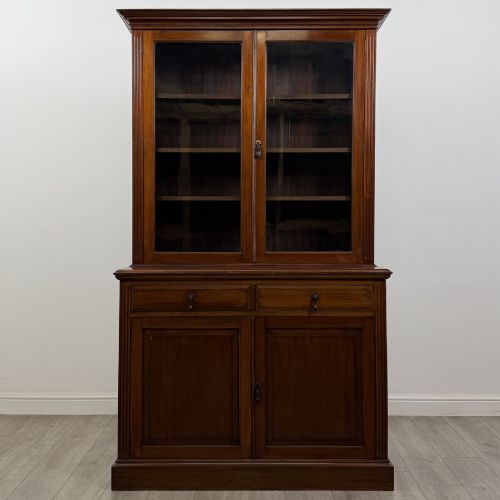
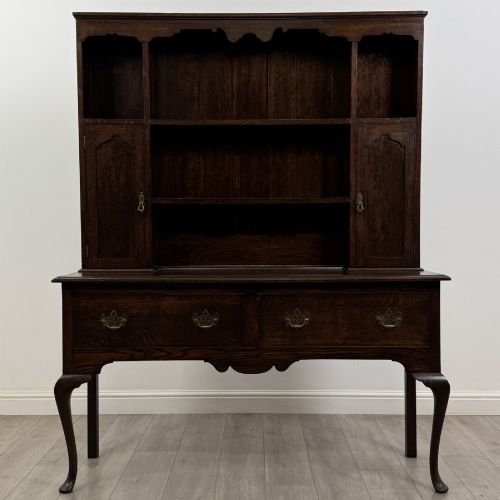
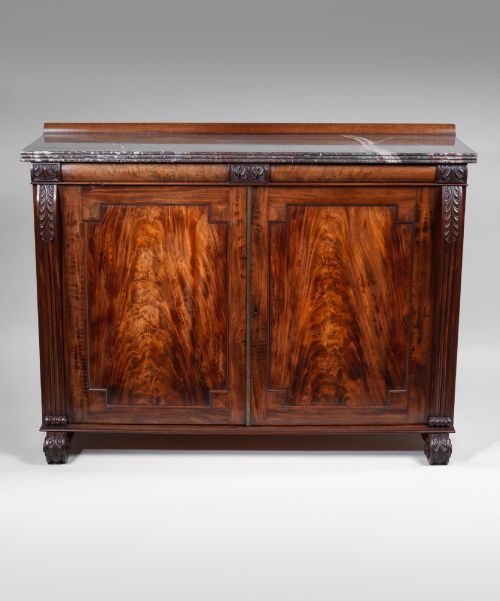
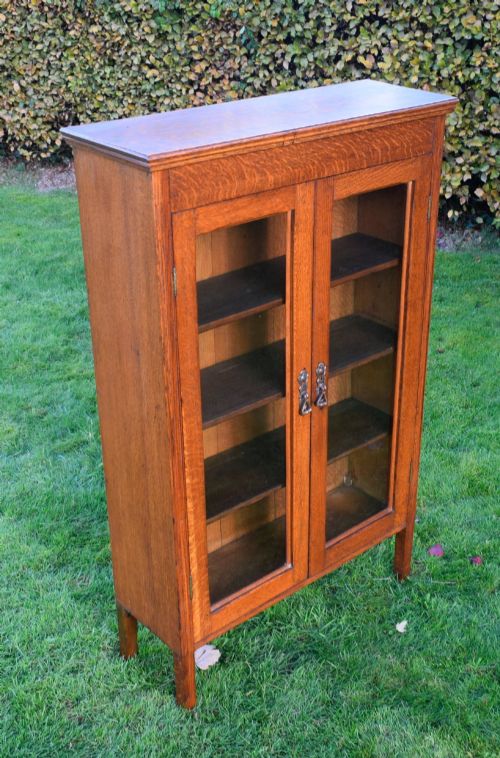
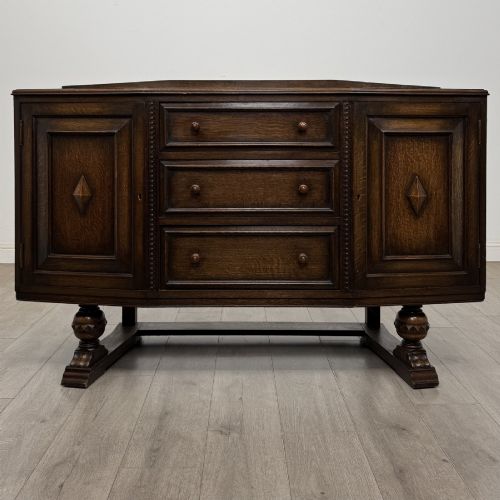
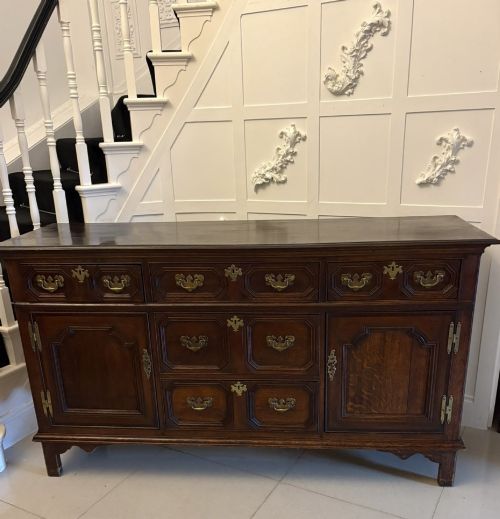
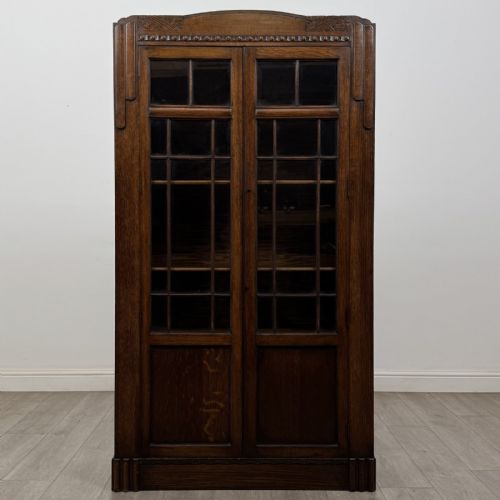
A dark brown cabinet encompasses a wide variety of timber storage furniture found on this page, spanning centuries of domestic design from the eighteenth century onwards. Buyers searching for a dark brown cabinet will encounter practical forms ranging from oak corner cupboards and glazed bookcases to mahogany sideboards and Edwardian display pieces.
The selection reflects traditional British and continental cabinet-making, featuring rich brown woods like oak and mahogany shaped into functional items for the home. Oak examples often display deep natural grain patterns, while mahogany pieces offer a smoother, darker reddish-brown finish suited to formal reception rooms.
What varies in quality
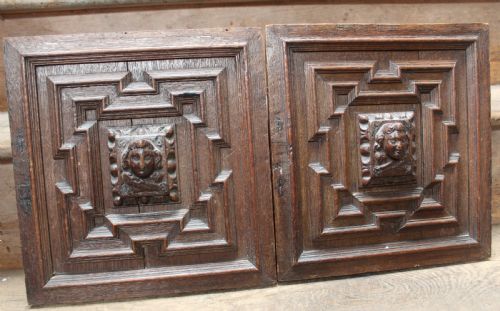
Quality in these brown timber cabinets rests upon the selection of the wood and the precision of the carving. Superior examples exhibit finely figured grain and crisp, hand-carved ornamentation rather than moulded resin or hurried machine work.
Internal construction also defines the better pieces, distinguished by secondary timbers of matching quality, hand-cut dovetails, and original brass fittings that remain firmly seated in the timber.
Dark Brown Cabinet Retail Price Guide 2026
Typical asking prices for dark brown cabinet among the pieces listed under this phrase on Sellingantiques today, from the lower quarter to the upper quarter. They describe what is for sale here now, not the wider market.
The furniture forms range from practical spice cupboards and linen presses to grand secretaire bookcases and French hunting cabinets.
Collinson & Lock
The Dark Brown Cabinet Glossary
- Dovetail
- A traditional wood joint formed by interlocking wedge-shaped fingers. This method provides exceptional tensile strength for drawer corners.
- Escutcheon
- A protective plate surrounding a keyhole. It is commonly cast in brass and screwed to the timber door face.
- Vitrine
- A glass-fronted cabinet designed for displaying porcelain or curiosities. These pieces often feature delicate timber framing and glazed sides.
- Bureau
- A desk featuring a sloping hinged flap that opens to reveal a fitted interior of small drawers and pigeonholes. It frequently sits atop a chest of drawers or bookcase.
- Linen press
- A tall cupboard originally built for storing folded household linen. Interiors typically comprise multiple sliding trays rather than open hanging space.
Dark Brown Cabinet: Frequently Asked Questions
How do I date a dark brown cabinet?
Dating relies on examining the construction methods, timber choice, and hardware. Hand-cut dovetails, secondary woods like pine or oak, and style motifs offer clear clues to the period.
Changes in handle design and locking mechanisms also help narrow down the decade of manufacture, distinguishing Georgian work from later Edwardian production.
Are these cabinets suitable for modern homes?
These dark brown cabinets provide substantial storage while introducing rich timber textures to contemporary interiors. Their diverse forms fit living rooms, hallways, and studies.
Buyers often use glazed bookcases for book storage and sideboards for dining room organisation, blending historical utility with everyday living.
What is the difference between mahogany and oak pieces?
Oak furniture generally displays a pronounced grain and robust construction associated with earlier periods like the seventeenth and eighteenth centuries. It carries a warm, heavy brown hue.
Mahogany offers a finer grain and a deeper, sometimes reddish-brown finish that became popular during the Georgian and Victorian eras for more formal settings.
How should I care for antique timber?
Maintain the wood by keeping the cabinet away from direct heat sources and strong sunlight, which can dry out and fade the polish. Regular dusting with a dry, soft cloth preserves the surface.
Applying a traditional beeswax polish occasionally helps nourish the timber and maintains the natural lustre without building up heavy chemical residues.