


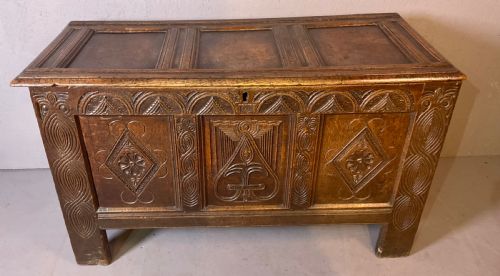

Dark Brown Bed
A dark brown bed spans centuries of cabinetmaking, offering sturdy timber frames and grand tester structures built for longevity and warmth.
Dark Brown Bed
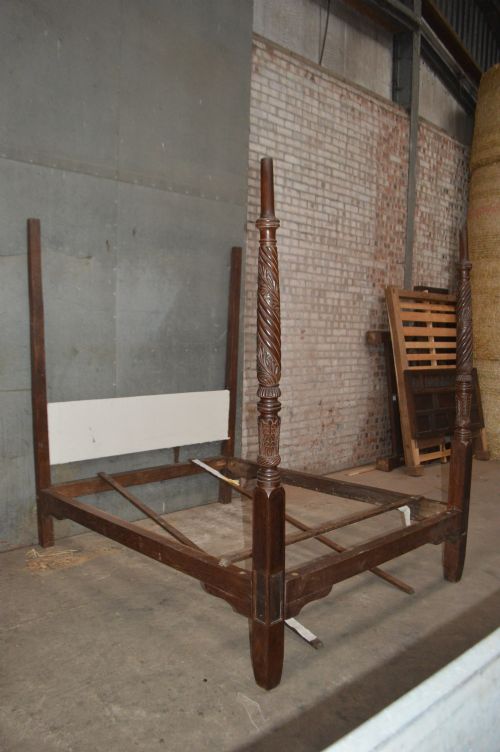
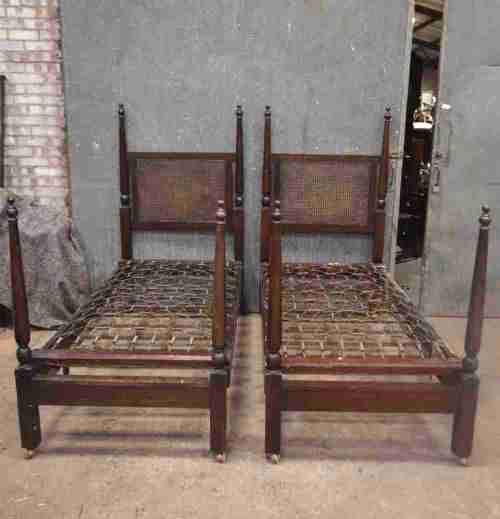
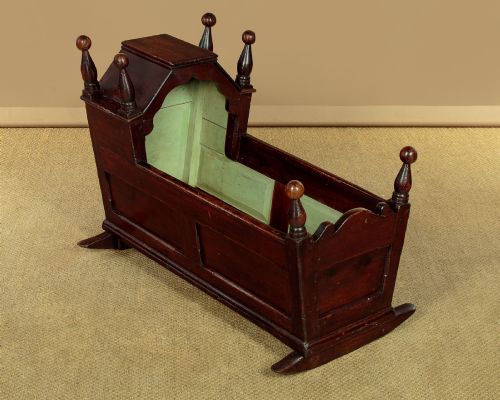
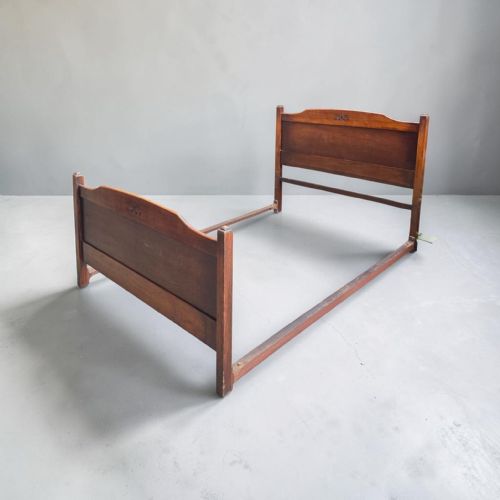
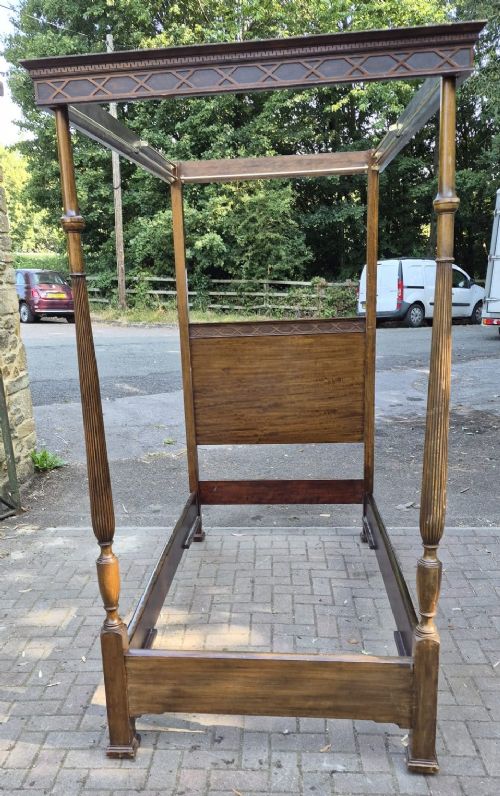
Buyers seeking a dark brown bed encounter substantial oak and mahogany frames originating from the seventeenth century through the Edwardian era. These pieces encompass stately four poster tester designs alongside simpler single frames and associated bedside storage.
Early examples date from the sixteen-sixties and include heavy oak construction with carved panels. Later interpretations draw upon Georgian and Jacobean revivals, bringing deep brown tones into smaller domestic spaces.
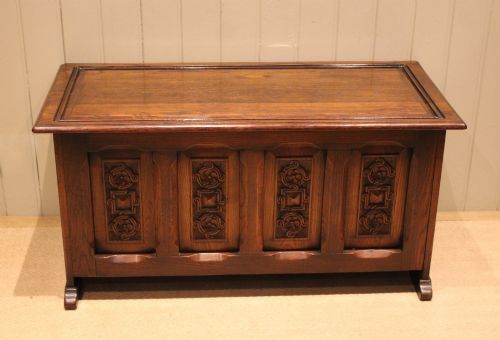
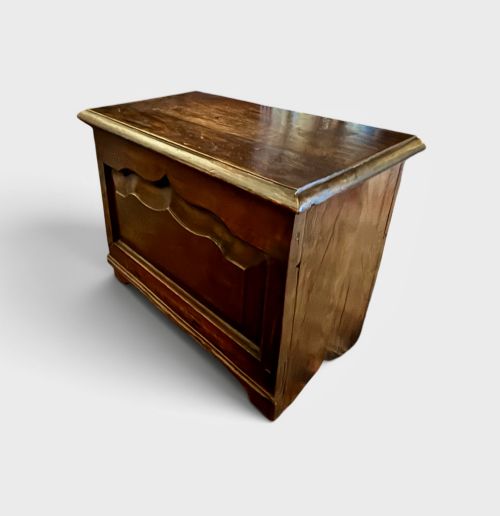
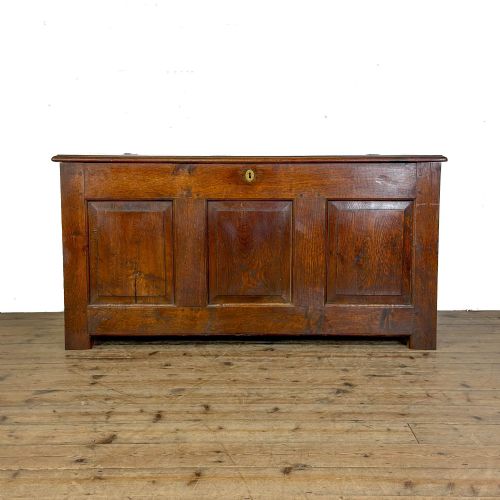
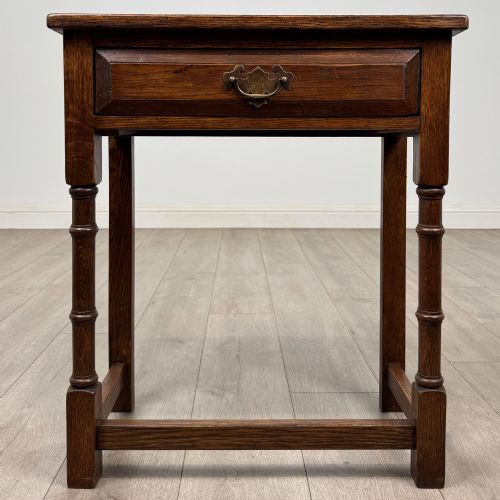
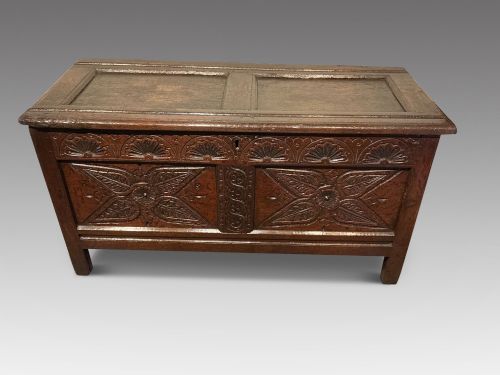
Associated items such as coffers, blanket chests, and bedside tables frequently accompany these beds, sharing the dark timber palette and period joinery traditions.
Materials and construction methods
Makers relied primarily on solid oak, mahogany, and elm, selecting timber for its dense grain and rich natural colour. Wrought iron and brass hardware provided structural reinforcement and functional detailing.
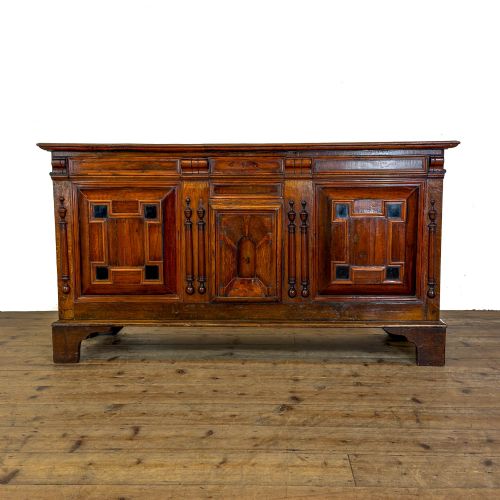
Panels were hand carved with geometric or floral motifs, utilising traditional mortise and tenon joinery to ensure the heavy wooden frames remained rigid over centuries of use.
Distinctions in construction and finish
Quality rests in the depth of the timber grain, the crispness of the hand carving, and the integrity of the original joints. Pieces retaining their structural columns and untouched patination command greater attention.
Subtle differences in timber selection separate standard utilitarian pieces from high status commissions, visible in the choice of quarter sawn oak and figured mahogany.
The Dark Brown Bed Glossary
- Coffer
- A heavy wooden chest with a hinged lid, frequently utilised for storage at the foot of a bed or within bedchambers. Early versions display hand carved front panels.
- Mule chest
- A storage chest combining a blanket box configuration with one or more drawers built into the base. This form emerged during the seventeenth and eighteenth centuries.
- Bergere
- An enclosed armchair or bed component featuring woven cane panels. It appears in twentieth century interpretations of earlier seating designs.
- Tambour
- A sliding door or shutter constructed from narrow vertical strips of wood glued to a fabric backing. This technique appears on late Georgian bedside tables.
Dark Brown Bed: Frequently Asked Questions
How do I date an oak bed?
Dating relies on examining the joinery methods, tool marks left by hand saws, and the style of any carved panels. Pegged mortise and tenon joints typically indicate earlier craftsmanship.
Changes in proportion and the evolution of revival styles during the nineteenth and twentieth centuries help place pieces made after the original period.
Can antique four poster beds fit modern mattresses?
Many surviving frames accommodate standard modern mattress sizes, though custom dimensions occasionally apply to seventeenth century frames. Interior rails can sometimes be adjusted discreetly.
Checking the internal length and width dimensions before purchase ensures compatibility with contemporary bedding.
What is the difference between a coffer and a mule chest?
A coffer is a traditional storage chest accessed strictly from a hinged lid at the top. It serves as one of the earliest forms of domestic furniture.
A mule chest incorporates drawers beneath the main storage compartment, combining the functionality of a chest with that of a small chest of drawers.
How should I care for dark oak furniture?
Maintenance involves applying natural beeswax periodically to nourish the dry timber and preserve the historic patina. Avoiding direct sunlight and sudden temperature shifts prevents wood splitting.
Dusting with a soft dry cloth removes everyday particles without introducing moisture to vulnerable antique surfaces.