


Dark Bronze Warrior Sculpture
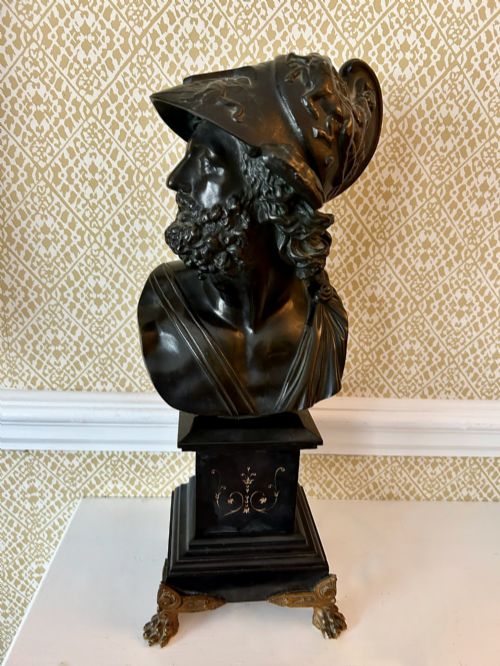
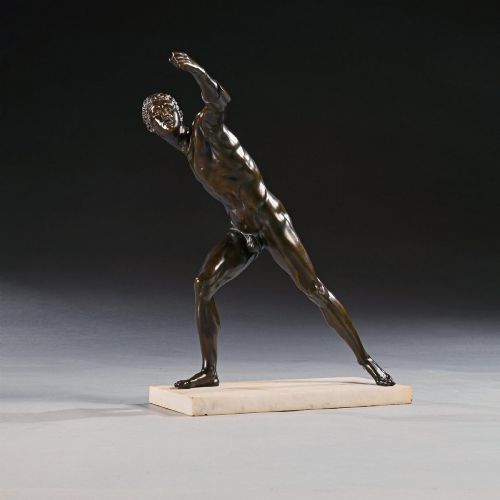
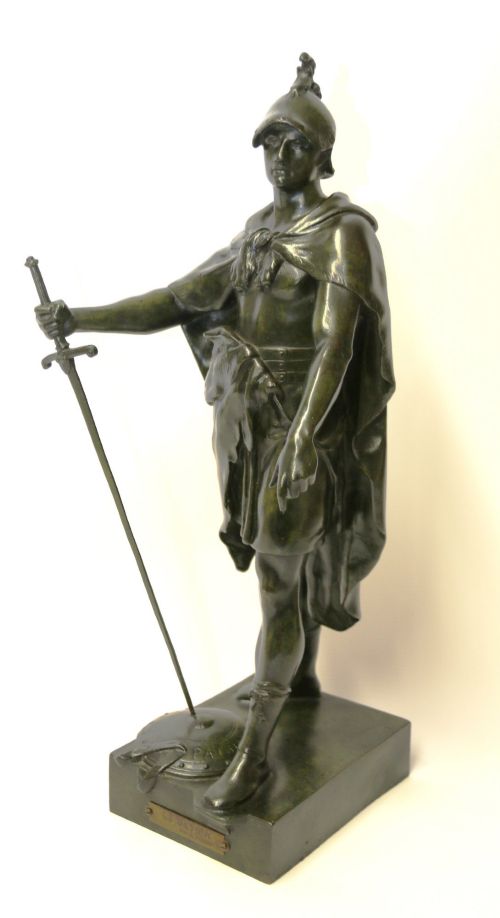
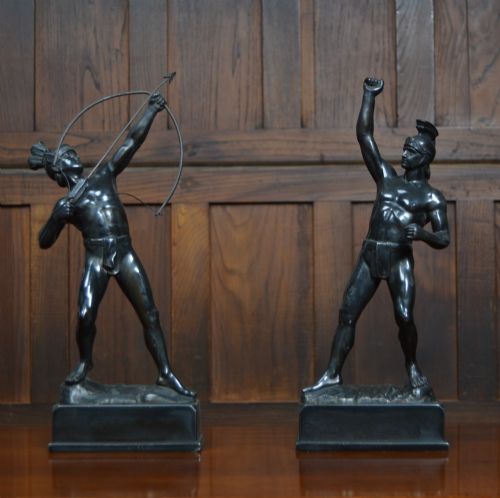
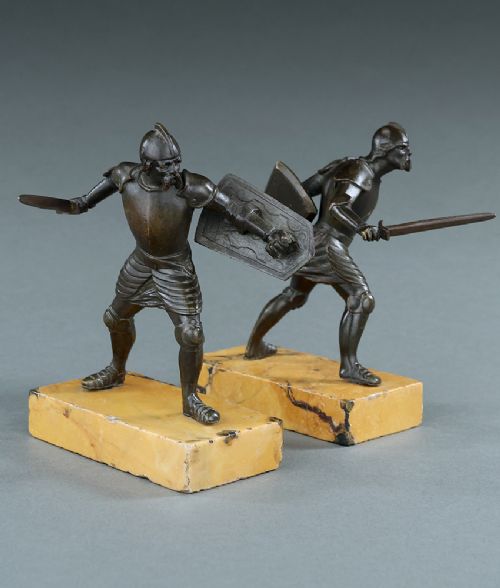
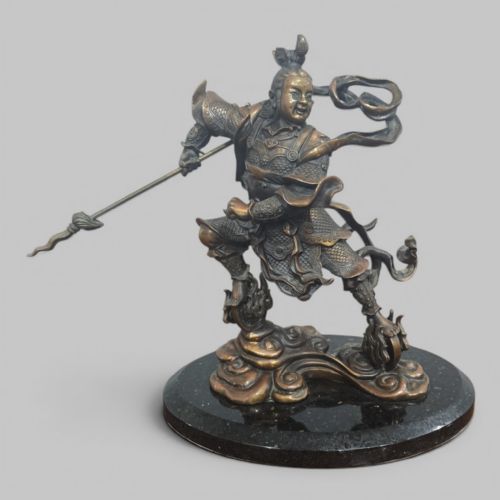
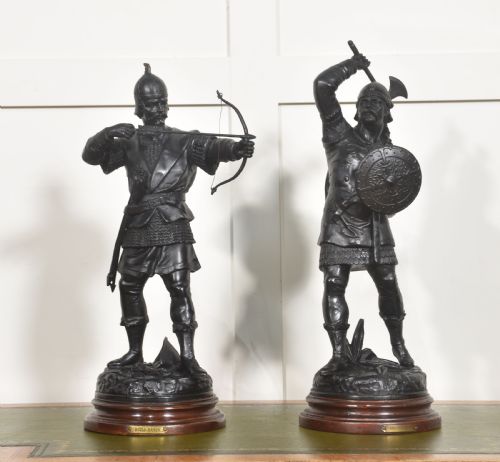
A dark bronze warrior sculpture captures historical strength and heroism, bringing classical mythology and military history directly into an interior space.
Dark Bronze Warrior Sculpture
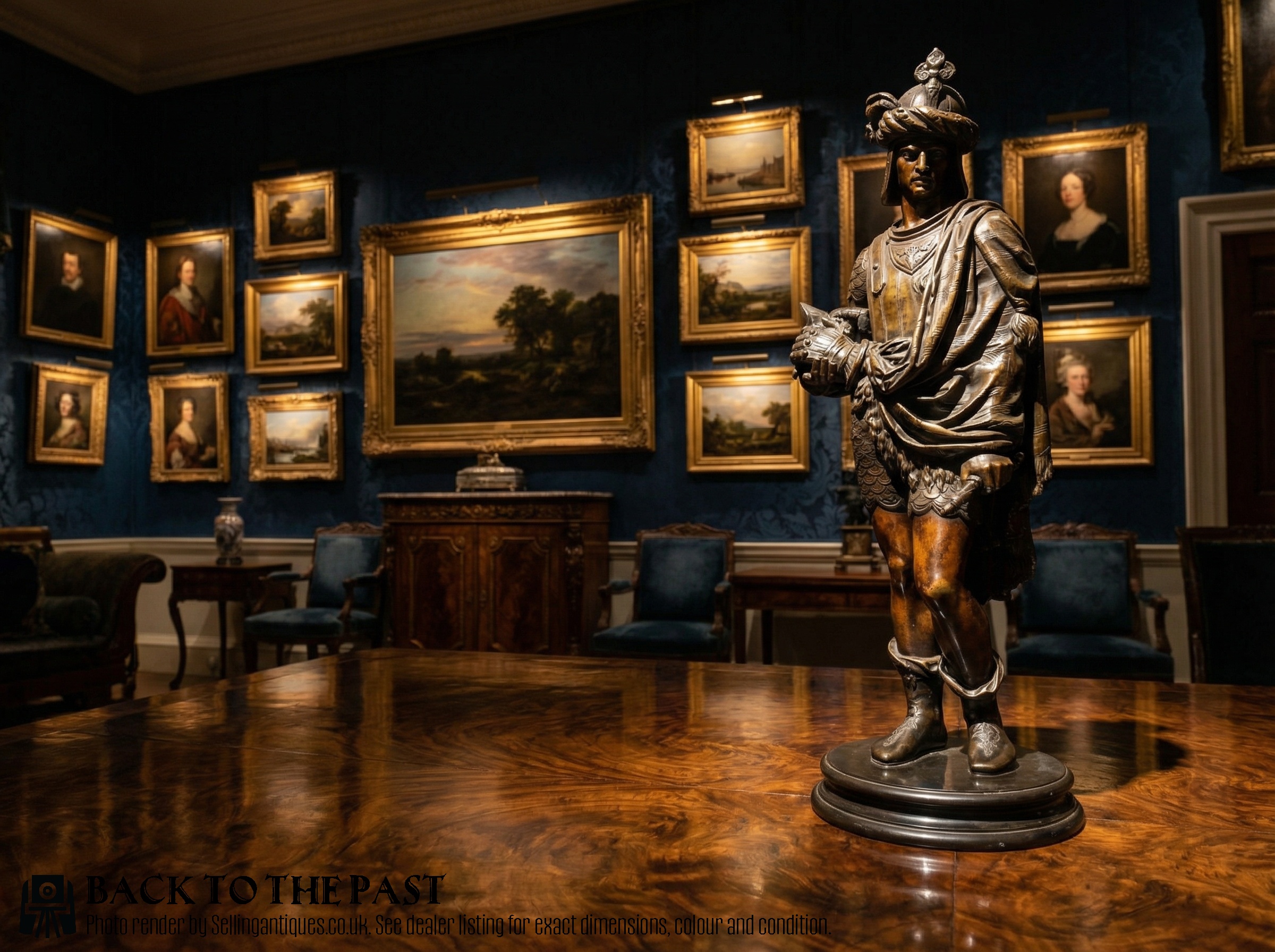
A dark bronze warrior sculpture depicts historical fighters, classical heroes, and mythological soldiers created across the nineteenth and early twentieth centuries. These figures range from ancient Greek archers and Roman gladiators to Renaissance knights, Celtic leaders, and Arabian sentinels.
Most examples originate from nineteenth-century French and Italian workshops, often produced as grand tour souvenirs or large-scale exhibition pieces. Buyers encounter both monumental cast figures and paired statues depicting notable historical and literary combatants.
Subjects draw heavily on classical antiquity, Renaissance revivalism, and Victorian historicism. Figures such as Ajax, Achilles, and various Roman soldiers dominate the forms available in this category.
Materials and casting methods
Foundries utilised traditional metal casting techniques, predominantly working in bronze alongside alternative metal compositions including spelter and zinc alloy. These figures frequently sit upon integrated or separate marble bases that provide stability and visual weight.
Makers applied chemical patination treatments to the metal surface to achieve deep brown, black, or greenish tones that simulate age and enhance sculptural depth. Fine chiselling and hand-finishing followed the initial casting process to sharpen details in armour, weaponry, and facial expressions.
Materials across these listings include bronze, spelter, zinc alloy, brass, wood, and marble.
Distinctions in craftsmanship
The sophistication of the patination and the density of the underlying bronze alloy define the longevity and tactile presence of the sculpture. Heavier, more substantial metalwork combined with signed signatures from established artists distinguishes high-end foundry output from commercial decorative items.
Émile Louis Picault·Eugene Barillot·Franz Iffland·Emile Laporte·Richard Aurili·Eden Antony Paul Noel
The Dark Bronze Warrior Sculpture Glossary
- Patinated bronze
- Bronze treated with chemical solutions to produce a specific surface colour, most commonly dark brown or black. This finish protects the metal and highlights the sculptural contours.
- Spelter
- A zinc-based alloy used as a cost-effective alternative to bronze in nineteenth-century figure production. It is lighter in weight and softer than bronze.
- Grand tour
- A cultural journey undertaken by wealthy young Europeans in the eighteenth and nineteenth centuries to study classical art. Souvenirs included small-scale bronze reductions of famous ancient sculptures.
- Chasing
- The manual refinement of a metal casting using hammers and punches to clean up surface flaws and sharpen details. High-end sculptures display extensive hand-chasing by skilled artisans.
- Neoclassical
- An artistic style drawing inspiration from the classical art and culture of ancient Greece and Rome. This aesthetic heavily influences the posture and garb of nineteenth-century warrior figures.
Dark Bronze Warrior Sculpture: Frequently Asked Questions
What periods do these warrior sculptures date from?
The pieces span the nineteenth century up to the early twentieth century, with a heavy concentration of works produced during the Victorian period and the late eighteen-hundreds.
Foundries in France and Italy created many of these historicism and grand tour bronzes to satisfy contemporary demand for classical subjects.
How do I tell bronze from spelter?
Bronze feels heavier, sounds more resonant when tapped gently, and accepts a deep chemical patination that bonds closely with the copper alloy. Spelter is softer, lighter, and often reveals a greyish metal underneath chips in the painted finish.
Markings and foundry stamps also help differentiate solid cast bronze art from zinc alloy decorative objects.
What is a grand tour bronze?
A grand tour bronze is a reduced-scale souvenir of a famous classical sculpture purchased by travellers touring European historical sites during the nineteenth century. These reductions allowed collectors to bring ancient Roman and Greek masterpieces into their homes.
Subjects frequently include mythological figures, gladiators, and heroic busts.
Where should I display a large warrior statue?
These sculptures require sturdy furniture such as sideboards, desks, or dedicated pedestals that can support considerable weight, especially pieces mounted on heavy marble bases. Placing them away from direct heat sources protects the patinated metal surface.
Adequate lighting helps reveal the fine detail in the armour and expression.