




Dark Bronze Sculpture Lamp
A dark bronze sculpture lamp combines figural casting with functional illumination, bringing classical form and rich patination into a room.

Dark Bronze Sculpture Lamp
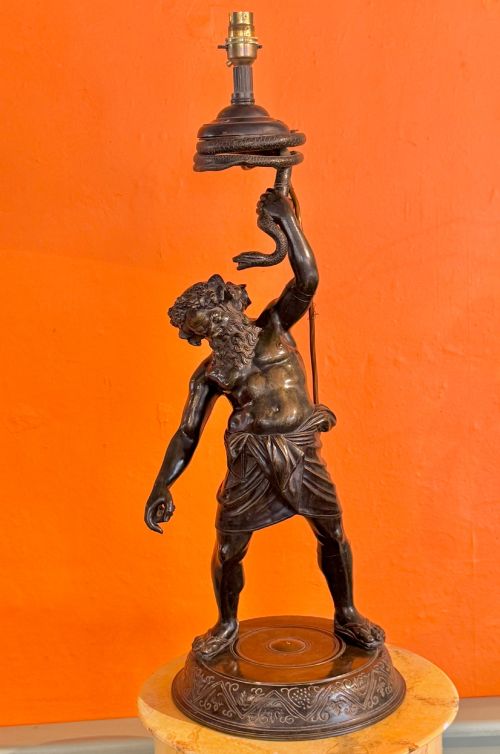
A dark bronze sculpture lamp integrates a figural or classical bronze casting with lighting elements, serving both decorative and functional roles in an interior. These pieces frequently draw on mythological subjects, allegorical figures, and classical antiquities, translating sculptural art into lighting.
The version most commonly encountered on this page originates from the nineteenth century, spanning French workshops, Grand Tour souvenirs, and Regency designs. Makers often utilised patinated bronze or spelter alongside marble plinths, glass shades, and fabric components to create table lamps, floor lamps, and torcheres.
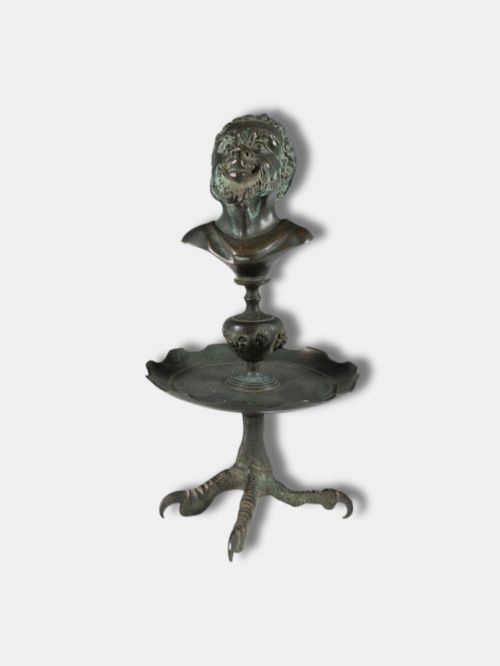
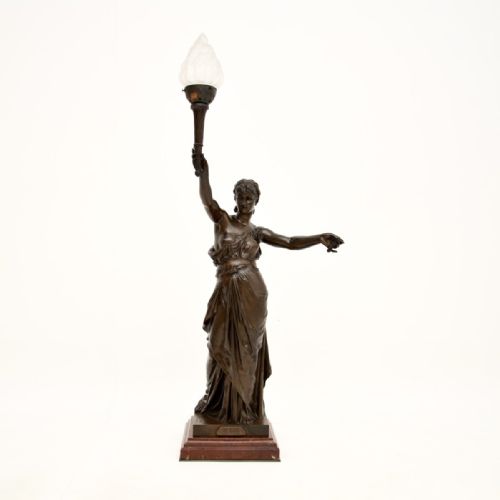
Figures range from allegorical representations like Gloire Et Fortune and La Paix to mythological subjects such as satyrs, putti, and deities. Collectors find examples ranging from modest boudoir lights to large figural torchere compositions signed by established European sculptors.
Materials and manufacturing techniques
Foundries employed traditional lost-wax casting and sand casting methods to shape bronze and spelter into intricate figural forms. Artisans then applied dark patination to the metal surfaces to accentuate muscle tone, drapery, and facial expressions.
Many works combine patinated or ormolu bronze with marble plinths, brass mounts, and glass or fabric shades. Electrification is often added later to historical figures and vases originally configured as oil lamps or torcheres.
Listings feature items spanning the Regency period through the Edwardian era, incorporating materials such as marble, glass, and patinated bronze.
Distinctions in quality
The selection of base materials also establishes hierarchy, with heavy marble plinths and genuine bronze standing apart from lighter spelter alternatives. The integrity of the original sculpture and the subtlety of the applied finish govern the standing of each piece.
G. Amodio Naples·Emile Picault·Humphrey Hopper·Ivan Zaiec·Jean-Jules Cambos·H. Moreau·Aug. Moreau·Adrien Gaudez·Coutan·Auguste Moreau
The Dark Bronze Sculpture Lamp Glossary
- Patinated bronze
- Metal treated with chemical solutions to produce a dark, uniform surface finish. This treatment protects the bronze while highlighting sculptural contours.
- Spelter
- A zinc alloy frequently used as a substitute for bronze in nineteenth-century figural casting. It is lighter in weight and often finished with a bronzed or painted coating.
- Torchere
- A tall stand or lamp designed to hold a light source high above the floor. Many historical examples take the form of classical figures holding torches or urns.
- Grand Tour
- The cultural journey undertaken by nineteenth-century elites across Europe, acquiring classical bronzes and antiquities as souvenirs. These pieces often depict ancient deities and mythological scenes.
Dark Bronze Sculpture Lamp: Frequently Asked Questions
How are these lamps powered?
Many of these pieces began life as oil lamps, torcheres, or decorative bronze vases before being adapted for electricity. Modern wiring is typically added to allow safe use as table or floor lamps.
Original burners or font fittings are sometimes retained alongside contemporary electrical components to preserve the antique character of the object.
What subjects do the figures represent?
The sculptures frequently depict classical deities, allegorical concepts like peace and fortune, and mythological characters such as satyrs and putti. Makers drew heavily on antique sculpture, Renaissance forms, and nineteenth-century French artistic traditions.
Works inspired by the Grand Tour often replicate famous archaeological finds from Pompeii and Rome, translating ancient marble and bronze statues into domestic lighting.
How do I distinguish bronze from spelter?
Bronze is heavier, harder, and cooler to the touch than spelter, with a dense metallic structure that allows for very fine chasing. Spelter is a softer zinc alloy that feels lighter and may show a silvery grey metal beneath worn areas of dark patination.
Sculptures signed by prominent nineteenth-century artists are more commonly cast in bronze, while mass-produced decorative lamps often utilised spelter.
Where should I place a large torchere lamp?
Large figural torcheres and floor lamps function well in spacious reception rooms, entrance halls, or corners where their height and sculptural presence can be appreciated. They require a stable surface or floor area, particularly when paired with heavy marble plinths.
Placement should account for the reach of the lamp and the balance between the figural base and the chosen shade.