










Dark Bronze Classical Sculpture
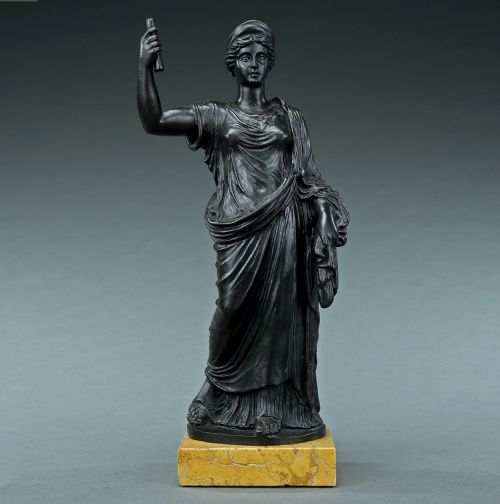
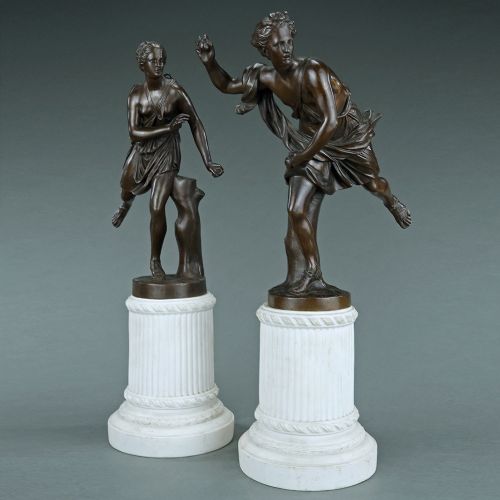
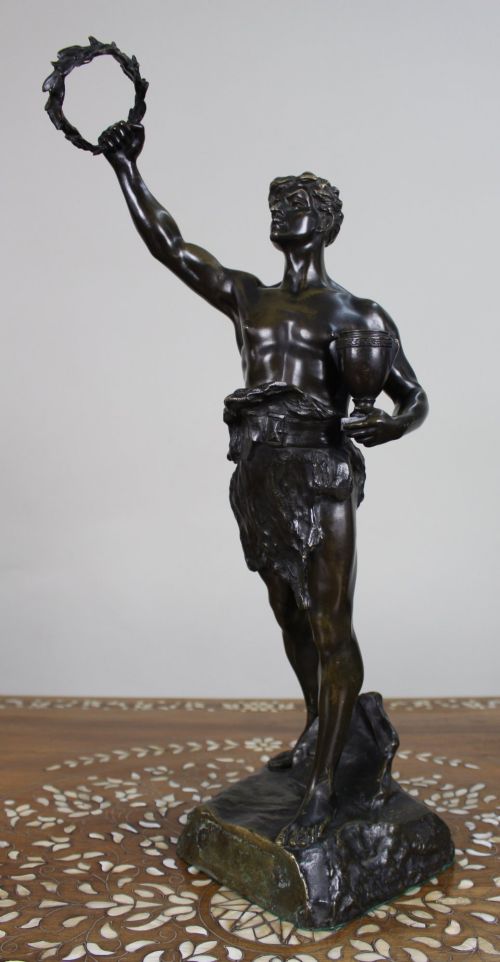
Dark bronze classical sculpture captures ancient figures and mythological subjects cast during the nineteenth century for collectors and travellers.
Dark Bronze Classical Sculpture
A dark bronze classical sculpture represents mythological deities, literary figures, and antique statuary cast mainly across nineteenth century Europe. The pieces span small Grand Tour souvenirs brought back from Italy and large gallery works modelled after famous ancient prototypes.
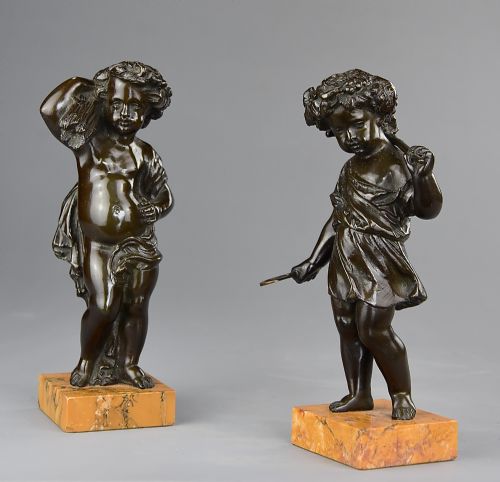
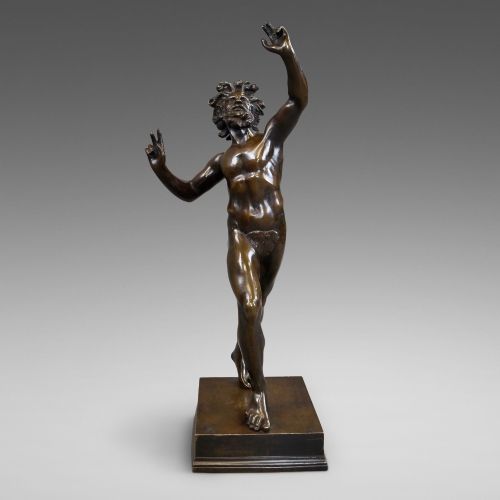
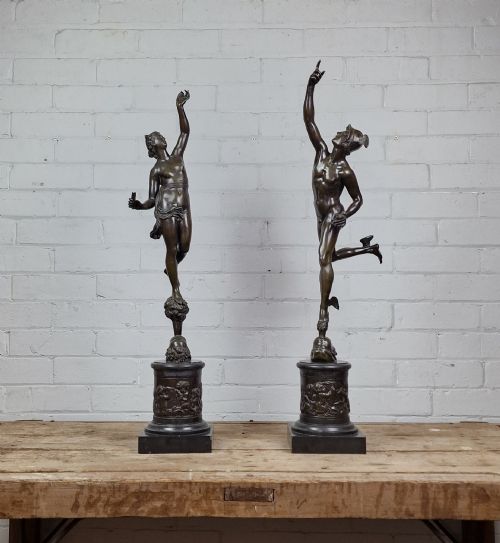
Most examples originate from French foundries or Italian workshops active during the Victorian period. Common subjects include figures of Mercury, Venus, dancing fauns, and putti, frequently mounted upon integral bronze or fossil marble bases.
Buyers encounter everything from cabinet statuettes to monumental floor figures and functional table lamps. The selection mirrors the nineteenth century taste for ancient history and classical mythology.
How they were made
Artisans applied chemical patination treatments to achieve the characteristic dark bronze surface tones, ranging from deep brown to near-black. Many figures were subsequently mounted onto contrasting bases made of slate, gilt bronze, or marble such as Siena and fossil varieties.
Several bronzes depict mischievous putti and satyrs caught mid-dance, proving that classical antiquity had a distinct sense of humour.
What varies in quality
The precision of the chasing work defines the upper tiers of production. Master founders ensured that fingers, toes, and facial expressions remained crisp and defined rather than softened by worn moulds.
The quality of the material and the depth of the patination set individual works apart. Heavy, solid metal castings with rich, stable surface finishes indicate superior workshop standards compared to lighter or hastily finished casts.
Ferdinand Barbedienne·Moreau Family·Émile Louis Picault·Hamo Thornycroft·C J R Colinet
The Dark Bronze Classical Sculpture Glossary
- Grand Tour
- A traditional trip through France and Italy undertaken by European gentry to study classical art and acquire souvenirs. These portable bronze reductions of famous antiquities formed a staple of such travels.
- Patina
- The surface coloration and sheen developed naturally with age or applied chemically by the foundry. Dark brown and near-black chemical patinations are characteristic of nineteenth century bronze figures.
- Lost-wax casting
- A historic metalworking process where a molten metal is poured into a mould that has been created by means of a wax model. The method allows for intricate undercut details and complex classical drapery.
- Chasing
- The manual finishing process where artisans use small punches and hammers to refine the surface of a metal casting. Crisp chasing distinguishes high-end foundry output from commercial reproductions.
Dark Bronze Classical Sculpture: Frequently Asked Questions
What is a Grand Tour bronze?
A Grand Tour bronze is a nineteenth-century reduction of a famous ancient sculpture purchased by travellers in Italy. These figures served as portable mementoes of classical art collections.
Foundries in Naples and Rome specialised in casting these reduced-scale copies of works like the Borghese Gladiator and the Dancing Faun for foreign visitors.
How should I clean a dark bronze sculpture?
Dust the surface gently with a soft, dry brush to remove particles that might settle in the crevices. Avoid using water, soap, or abrasive household polishes.
Applying a very light coat of microcrystalline wax occasionally helps protect the dark patina from atmospheric moisture without altering the finish.
Why are some figures mounted on marble bases?
Marble bases provided stability for tall or slender figures while emulating the presentation of museum antiquities. Different varieties like Siena and fossil marble added colour and weight to the display.
Many nineteenth-century French and Italian bronzes were permanently secured to these plinths as part of their original workshop design.
How can I tell the age of a bronze figure?
Dating relies upon examining the casting method, the quality of the surface chasing, and the nature of the patination. Nineteenth-century works typically display hand-finished details and specific foundry marks.
Comparing the subject and style against documented models by makers like Barbedienne or Picault helps narrow the period of production.