
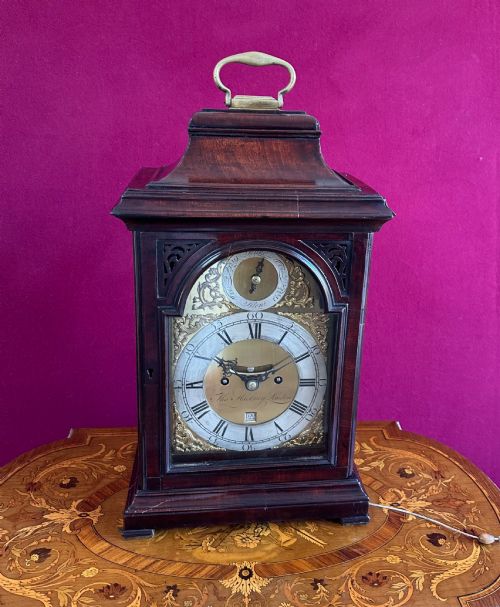
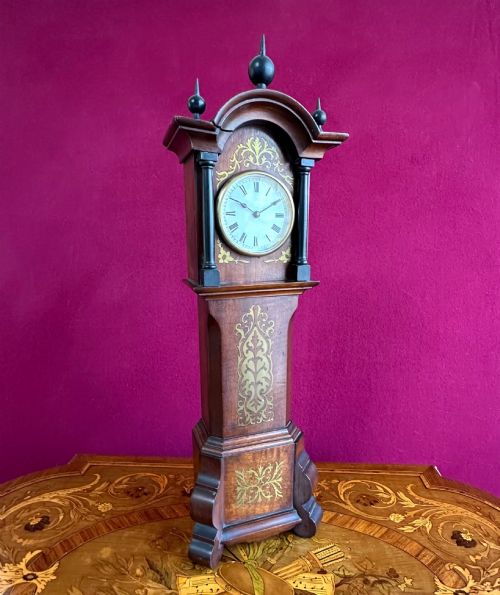
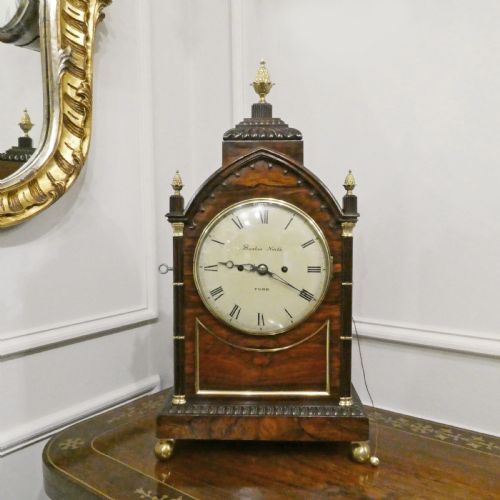
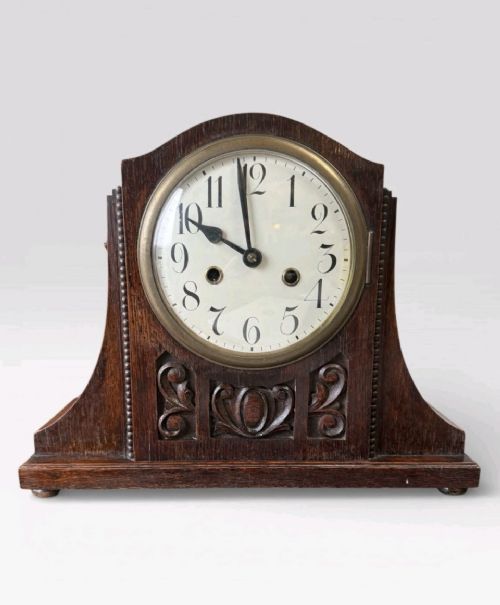
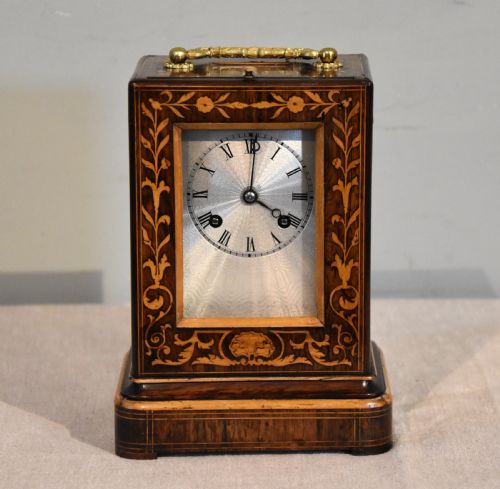
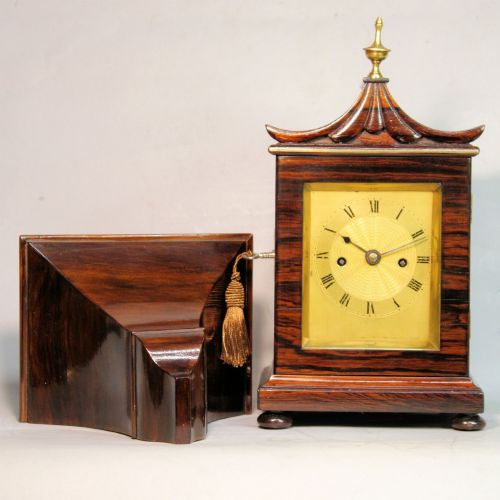


Dark Brass Mantel Clock
A dark brass mantel clock sits firmly on the shelf, bringing a measured tick and steady presence to a room.
Dark Brass Mantel Clock
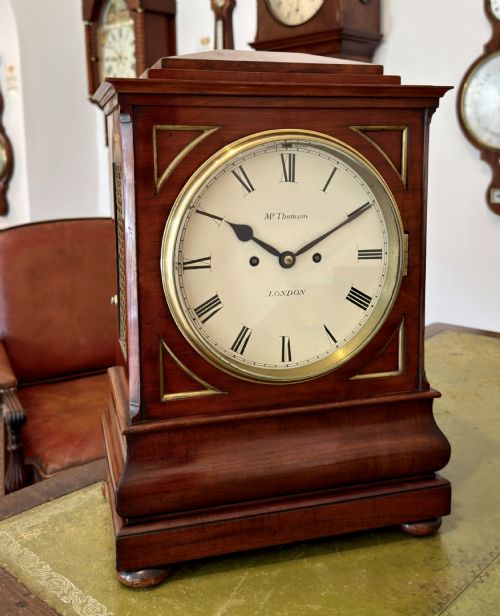
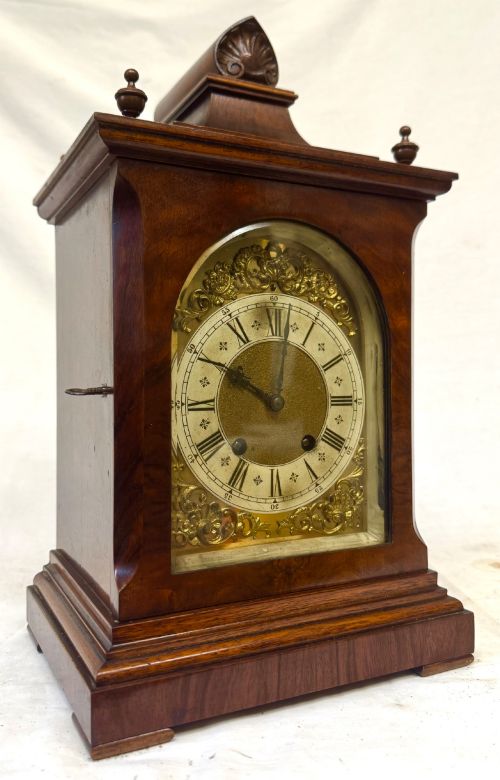
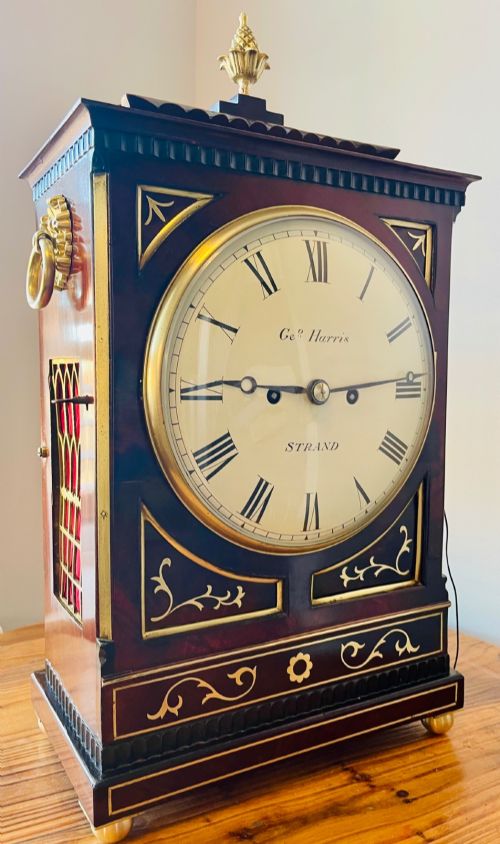
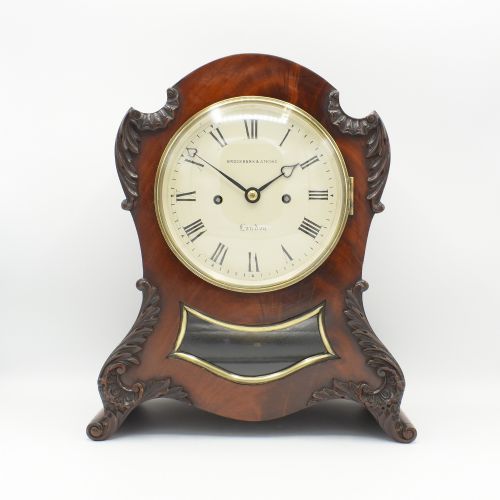
A dark brass mantel clock combines a robust metal dial or case structure with traditional timber surrounds, spanning Georgian, Victorian, and Edwardian periods.
The objects listed range from sturdy mahogany and rosewood bracket clocks to patinated brass electrical pieces and French bell-striking designs.
Buyers seeking this phrase most frequently encounter 19th-century mahogany and rosewood bracket forms alongside patinated brass and oak variations.
How they were made
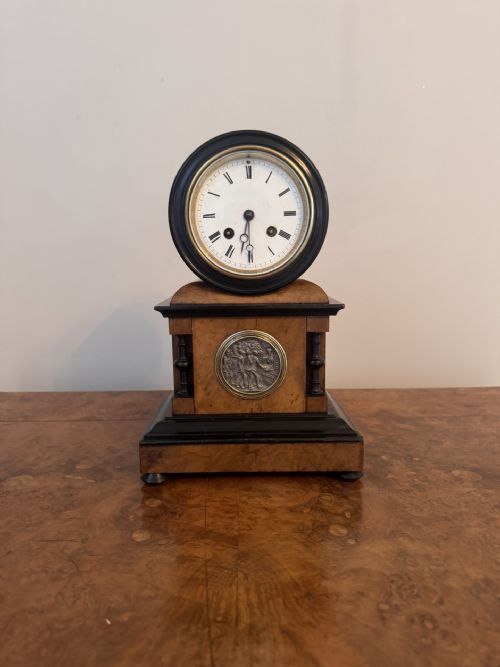
Cases combine heavy brass components, patinated metals, and ormolu with dense woods such as mahogany, rosewood, oak, and ebonised wood.
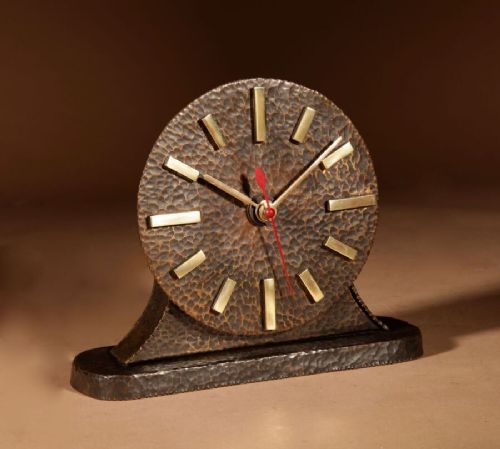
Intricate dial work incorporates silvered metal, enamel, and hammered brass, paired with mechanical fusee, verge, or early electrical movements.
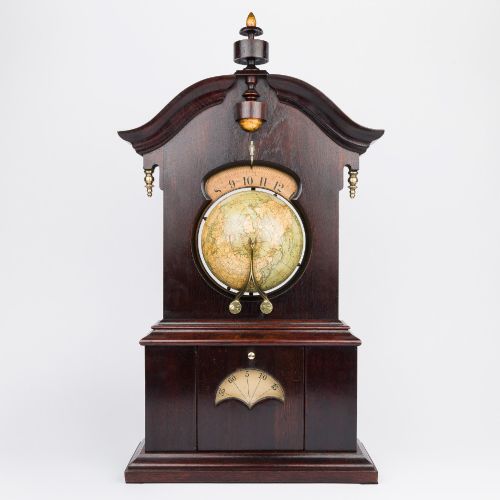
Solar timepieces remind us that inventors once tried to harness daylight itself to keep the parlour punctual.
What varies in quality
The refinement of the case carving and the precision of the brass inlay set standard pieces apart from exceptional examples.
Movement complexity, from simple timepieces to twin fusee and striking mechanisms, dictates the underlying calibre of each clock.
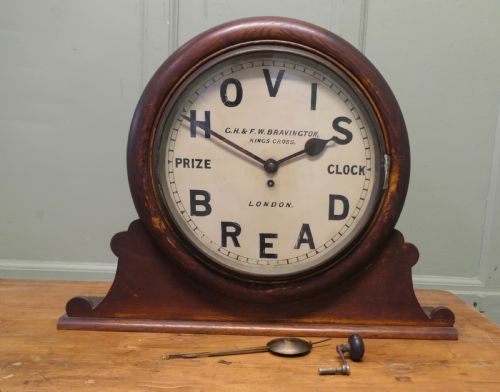
Thomson of London·Lenzkirch·Brockbanks & Atkins·G.H.& F.W. Bravington London·Barber & North of York·Winterhalder & Hofmeier·Schneckenburger·Mappin & Webb·Seller of Reading·Turner of London·Arnold and Frodsham·Barrett London·Junghans·Paul Garnier
The Dark Brass Mantel Clock Glossary
- Bracket clock
- A portable table or mantel clock originally designed to sit on a wall bracket. These timepieces typically feature substantial wooden cases and brass carrying handles.
- Fusee
- A conical pulley used in clock mechanisms to maintain even power as the mainspring unwinds. This device ensures consistent timekeeping accuracy across the power reserve.
- Verge movement
- An early type of escapement mechanism controlling the release of the gear train. It relies on a crown wheel and pallet impulses to regulate the beat.
- Ebonised wood
- Timber treated with a dark finish to imitate ebony. This dark surface creates a sharp visual contrast against polished brass dials and mounts.
- Ormolu
- Gilt bronze ornamentation applied to clock cases. The technique involves fusing a mercury and gold amalgam onto bronze to produce a rich metallic lustre.
Dark Brass Mantel Clock: Frequently Asked Questions
What is a fusee movement?
A fusee movement uses a conical drum and a cord or chain to equalise the declining power of the mainspring.
This mechanical arrangement helps the clock maintain steady tension and accurate timekeeping as the spring runs down.
Where should a bracket clock go?
Bracket clocks suit stable horizontal surfaces such as mantelpieces, side tables, or dedicated wall brackets.
Solid placement ensures the pendulum or balance wheel maintains a level beat for reliable operation.
How do I identify a Georgian clock?
Georgian clocks date from the eighteenth or early nineteenth century and often feature classical proportions, architectural wooden cases, and verge or early fusee movements.
Dial faces typically display restrained brass spandrels and silvered chapter rings rather than heavy Victorian ornamentation.
What does striking mean?
A striking clock sounds a chime on the hour or the quarter-hour using an internal bell or gong.
These acoustic signals add an audible dimension to the room, marking the passage of time throughout the day.