




Patinated Brass Clock
A patinated brass clock brings heavy metallic weight and dark, weathered warmth to a mantelpiece, combining mechanical precision with architectural presence.
Patinated Brass Clock
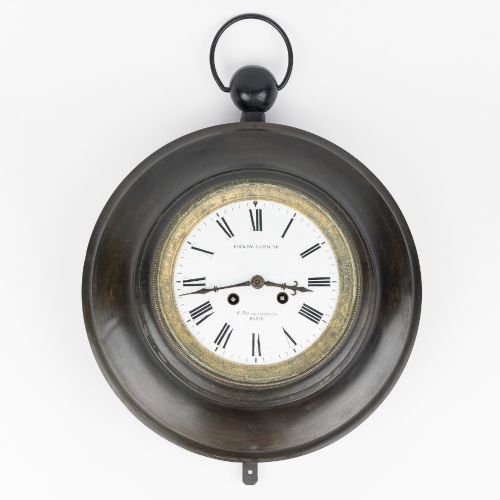
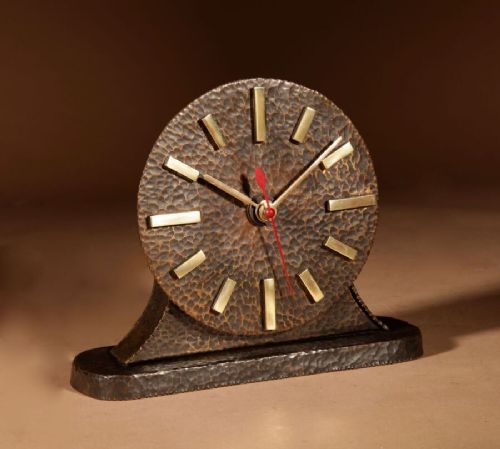
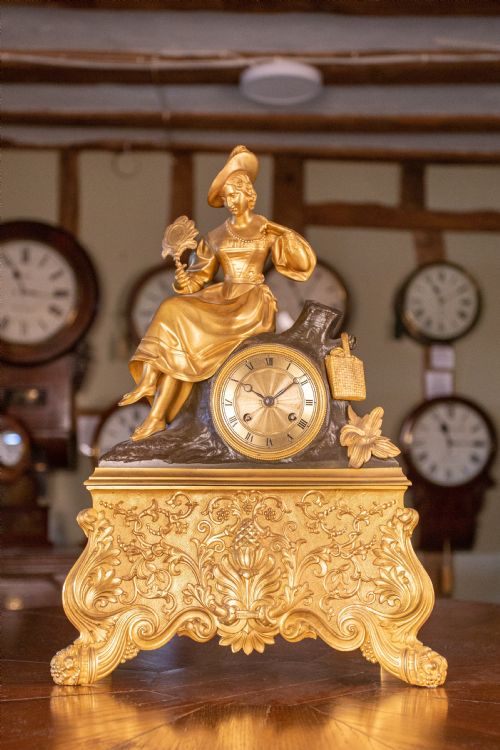
A patinated brass clock is a timekeeping object that combines metal cases with mechanical movements, spanning periods from the eighteenth century to the twentieth century. These pieces appear in forms such as mantel clocks, night timepieces, and engine clocks, incorporating materials like brass, patinated bronze, and glass.
The selection on this page shows styles ranging from Regency and French Empire to Amsterdam School and Rococo Revival. Buyers meet varied examples, from early electrical mantel clocks to traditional fusee movement designs.
Origins stretch across English and French workshops, with makers producing both simple timepieces and complex sculptural clock sets. The recurring presence of patinated finishes gives these brass and bronze objects their characteristic dark, aged surface.
How they were made
Maker construction relies heavily on brass and bronze, often utilising chemical or natural patination to darken and age the metallic surfaces. Gilt bronze and ormolu details provide contrast against the darker patinated bodies of the clock cases.
Movements within these pieces incorporate single chain fusee and twin fusee mechanisms, requiring precise gear cutting and mechanical assembly. Enamel dials and protective glass covers complete the structural makeup of the clock faces.
Listings feature periods spanning from the eighteenth century through to 1930, uniting Regency and Victorian pieces.
What varies in quality
The refinement of the cast metal ornamentation and the depth of the patination set individual pieces apart. Sharply chased bronze figures and crisp architectural mouldings indicate greater workshop skill than soft or worn casting details.
Mechanical complexity and the reputation of the horologist influence the standing of a clock. Fusee movements and signed dials by established makers demonstrate higher standards of period craftsmanship.
William Payne·Hessen Paris·Andre Guilmet·Deniere Paris·Baetens London
The Patinated Brass Clock Glossary
- Patinated brass
- Brass that has undergone chemical or natural oxidation to produce a darkened, weathered surface finish. This treatment highlights relief details and reduces bright metallic glare.
- Fusee movement
- A conical pulley mechanism inside a clock that equalises the diminishing power of the mainspring as it unwinds. It ensures consistent tension and accurate timekeeping.
- Ormolu
- Finely ground high-carat gold mercury-gilded onto a bronze object. It creates a rich, durable golden finish found on decorative mounts.
- Mantel clock
- A clock designed to stand upon the shelf or mantelpiece above a fireplace. These domestic timepieces often feature decorative architectural or figural cases.
Patinated Brass Clock: Frequently Asked Questions
How do I wind a fusee clock?
Winding requires a matching key inserted into the dial aperture, turning slowly until resistance is met. Care must be taken not to overwind the spring mechanism.
Fusee clocks generally need attention once a week depending on the duration of the particular movement.
Where should I place a heavy brass clock?
These heavy objects require a stable, level surface such as a sturdy mantelpiece or heavy sideboard to prevent vibration. Uneven placement can cause the pendulum to beat irregularly and stop the clock.
Keep the clock away from direct sunlight and damp environments to protect the metal patination and internal oils.
What does patinated mean on antique brass?
Patination is the natural or artificially induced ageing of the metal surface through oxidation and handling. It creates a dark, layered skin over the brass rather than a bright, polished shine.
This aged finish is valued for showing the true age and history of the metal object.
How do I tell a Regency clock apart from later styles?
Regency pieces often display classical architectural proportions, restrained use of gilt bronze, and precise single chain fusee movements. They reflect early nineteenth-century design influences.
Later Victorian and twentieth-century examples frequently adopt more elaborate revival styles or incorporate industrial innovations.