
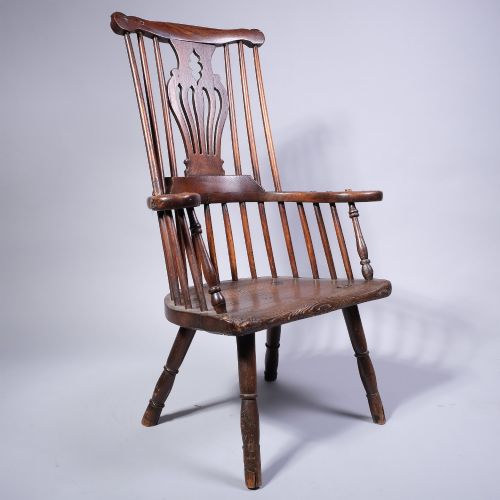


Dark Ash Windsor Chair
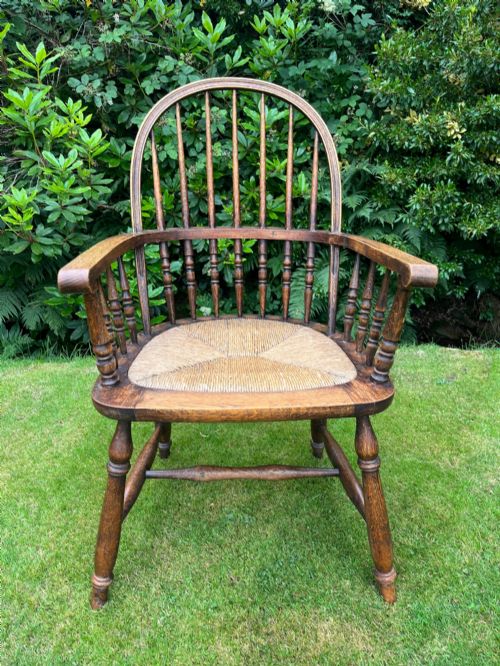
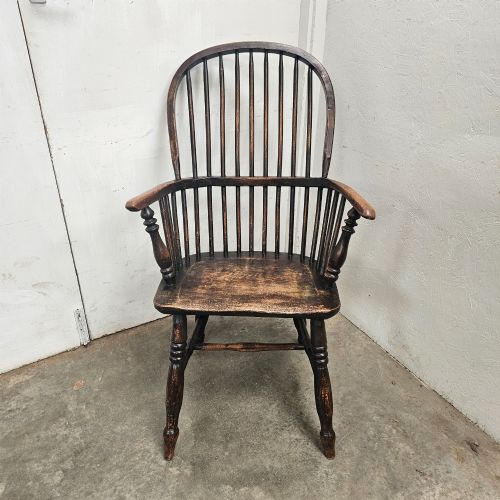
A dark ash windsor chair brings robust country craftsmanship and tactile timber grain directly into a modern interior.
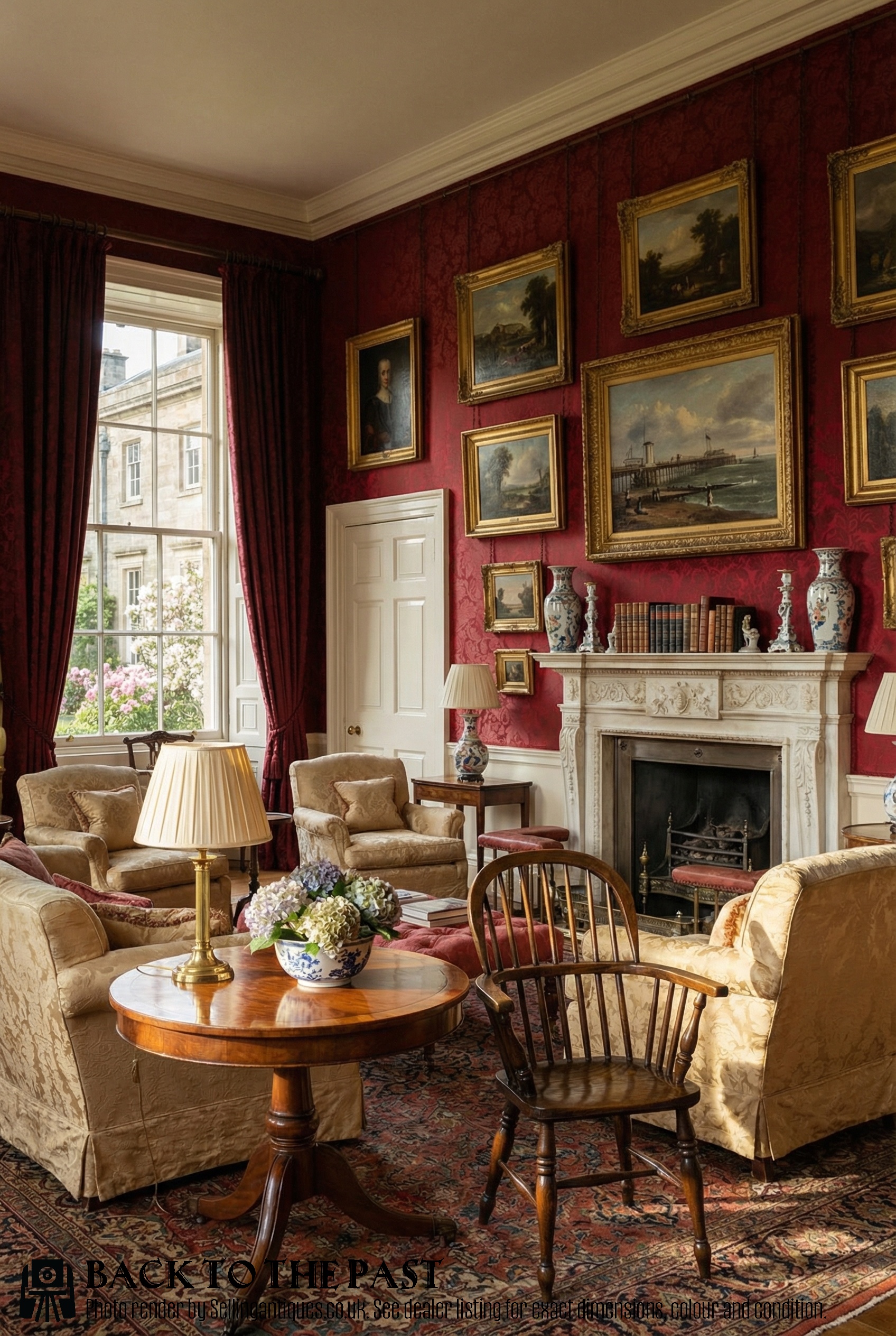
Dark Ash Windsor Chair
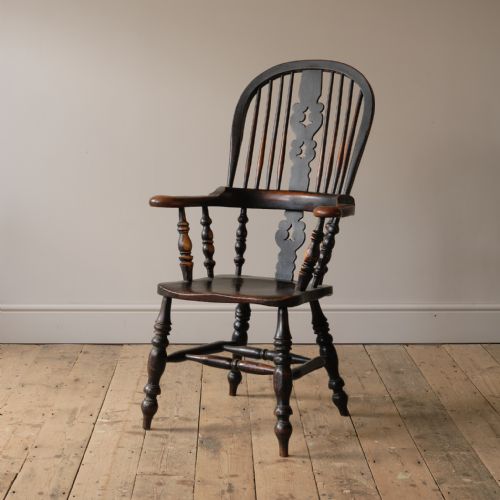
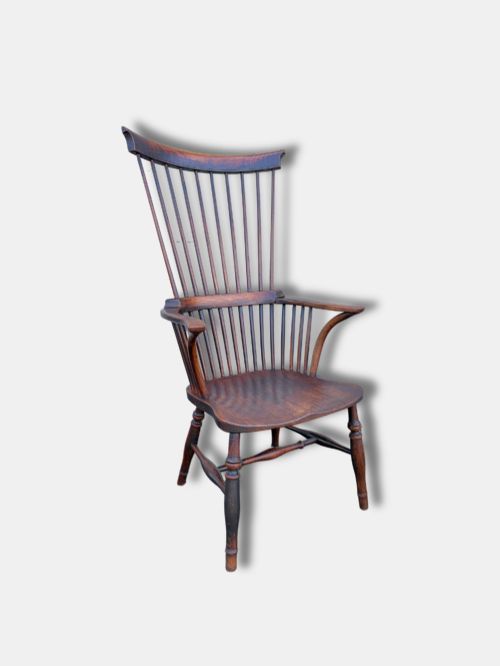
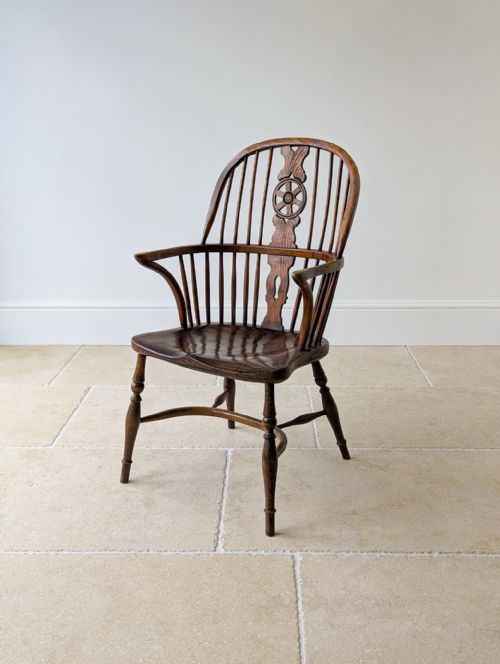
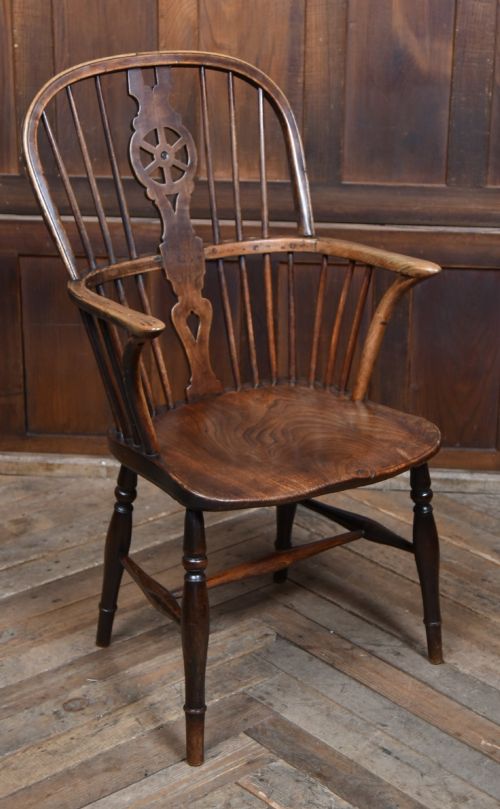
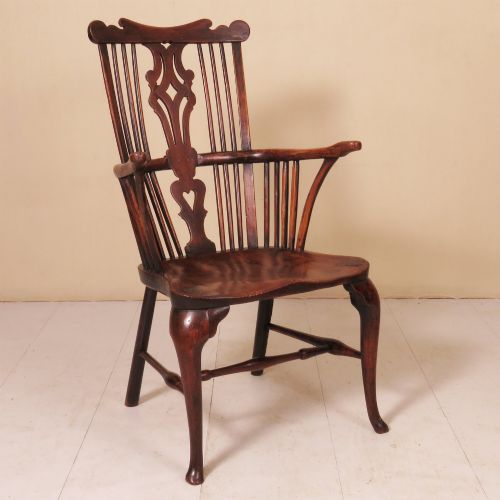
A dark ash windsor chair combines sturdy regional construction with deep patinated timber surfaces found across English, Welsh, and Scottish domestic traditions. Buyers searching for a dark ash windsor chair encounter varied regional forms, from high comb-back armchairs to low wheel-back and stick-back dining seats produced through the eighteenth, nineteenth, and early twentieth centuries.
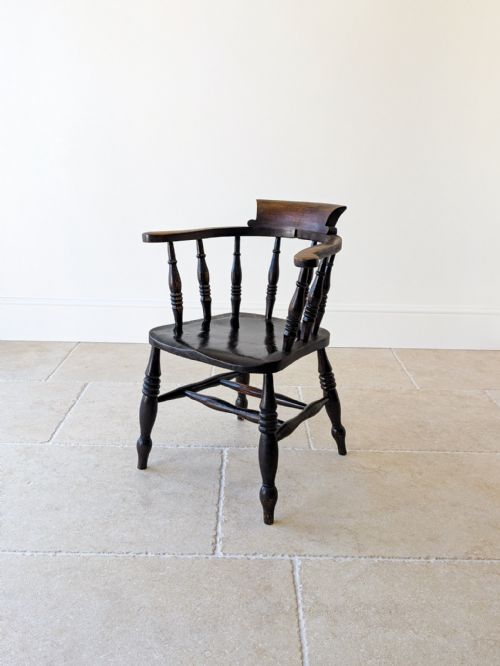
The most common iterations on this page pair an ash framework with a contrasting elm seat, frequently featuring spindle supports, steam-bent hoops, and saddle-shaped bases. These seating options range from single primitive captain's chairs and smoker's bows to larger sets intended for farmhouse kitchens and dining spaces.
Materials and Construction
Makers utilised contrasting native timbers to achieve structural resilience, turning to dense ash for spindles and bentwood bows while selecting heavily grained elm for deeply carved seats. Secondary woods such as beech, oak, alder, yew, and fruitwood appear across various regional workshops.
Joinery relied on wedged through-tenons and socketed legs fitted directly into solid timber bases without metal fasteners. Steam-bending allowed craftsmen to shape green ash into continuous back hoops and arm rails, resulting in lightweight yet rigid frames.
Distinguishing Quality and Character
Quality rests in the depth of the timber's grain pattern, the symmetry of turned spindles, and the sculptural comfort of the sculpted seat. Superior examples display thoughtful timber selection where rich dark tones develop naturally through age and heavy polish accumulation.
Refined craftsmanship shows in the balanced taper of legs and the precise wedging of joints, distinguishing bespoke vernacular pieces from standard commercial production. Simpler regional variations exhibit more primitive joinery and rustic charm while maintaining structural integrity.
Duncan McKellar of Fenwick
The Dark Ash Windsor Chair Glossary
- Comb back
- A Windsor chair design featuring a horizontal top rail supported by vertical spindles that resemble the teeth of a comb. This form often includes an extended back height.
- Wheel back
- A chair back incorporating a central wooden splat carved or pierced in the shape of a spoked wheel. It became widely popular during the nineteenth century.
- Stick back
- A chair construction method where turned wooden spindles are inserted directly into the seat and top rail without a central splat. This style is typical of vernacular country seating.
- Captain's chair
- A low-backed Windsor or smoker's bow variant with a continuous curved armrail supported by numerous short spindles. It offers compact seating suited for desks or dining tables.
- Primitive
- A descriptive term for vernacular furniture made by local carpenters or wheelwrights using basic tools. These pieces prioritise utilitarian function and unpretentious regional design.
Dark Ash Windsor Chair: Frequently Asked Questions
What is a dark ash windsor chair?
A dark ash windsor chair is a traditional wooden seating piece characterised by a solid saddle-shaped seat, turned legs, and an upper framework of spindles secured into the timber base. These chairs rely on native British hardwoods finished in deep, patinated tones developed over generations of use.
They reflect diverse regional designs from English, Welsh, and Scottish workshops, spanning eighteenth-century primitive forms to nineteenth-century wheel-back and comb-back variations.
How do I date a dark ash windsor chair?
Dating involves examining the construction methods, tool marks, and timber combinations used throughout the frame. Earlier eighteenth-century pieces often feature thick, hand-carved comb backs and primitive wedged joinery, while nineteenth-century versions frequently introduce steam-bent components and wheel-carved splats.
Changes in turning styles on the legs and spindles also help narrow down the period, moving from heavier Georgian proportions to sleeker Victorian formats.
Are these chairs comfortable for daily use?
Yes, the deep saddle-shaped elm seats are ergonomically carved to distribute weight naturally without upholstery. The flexible steam-bent back rails and raked spindles provide supportive lean when sitting for extended periods.
Pairing them with a standard dining table or desk works well, provided the seat height matches your intended surface.
How do I care for antique timber chairs?
Maintain the wood by keeping the chairs away from direct heat sources and sudden temperature shifts that can cause timber to split. Apply natural beeswax periodically to nourish the surface and preserve the dark patinated finish.
Avoid using modern silicone-based polishes, as they build up over time and dull the natural grain of the ash and elm.