


Cut Glass Table Light
A cut glass table light brings brilliance to a room, catching the daylight and throwing candlelight across a wall.
Cut Glass Table Light
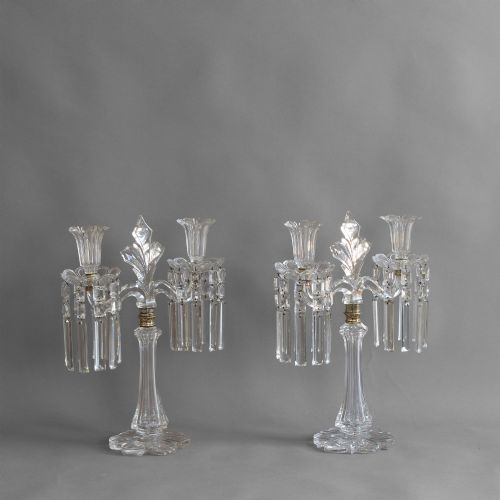
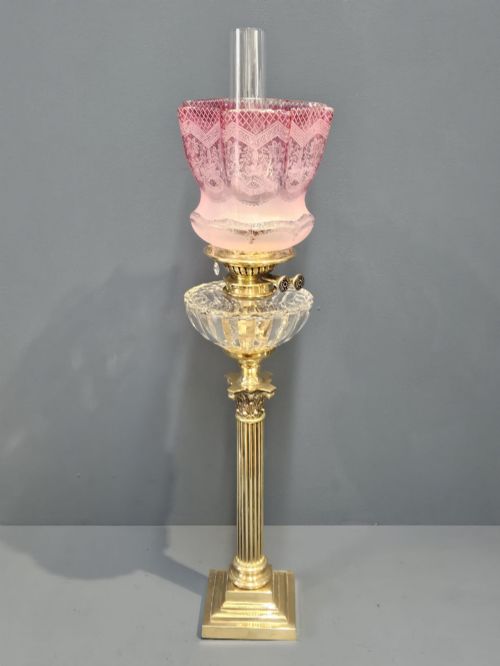
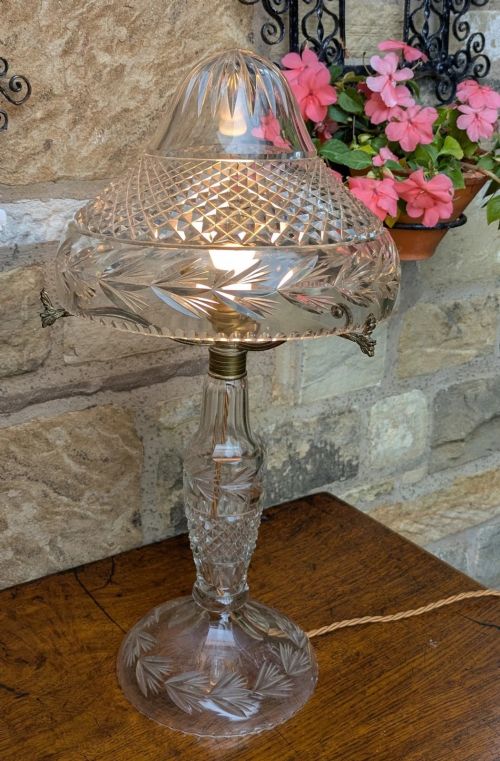
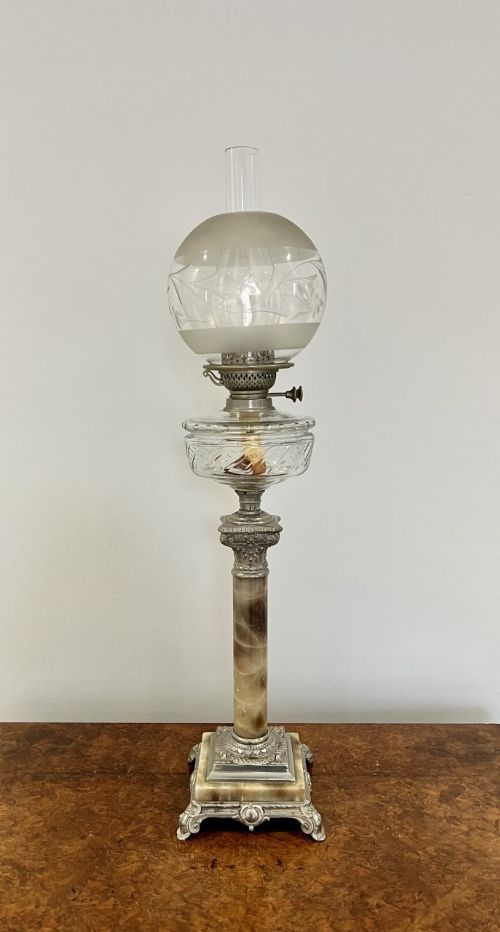
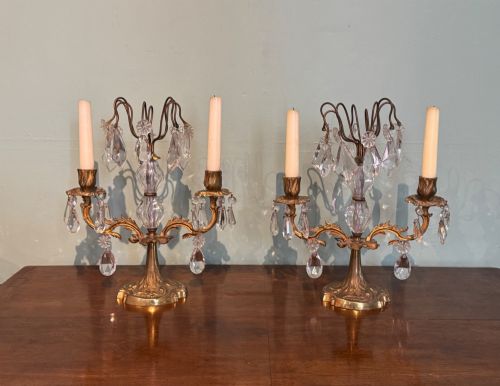
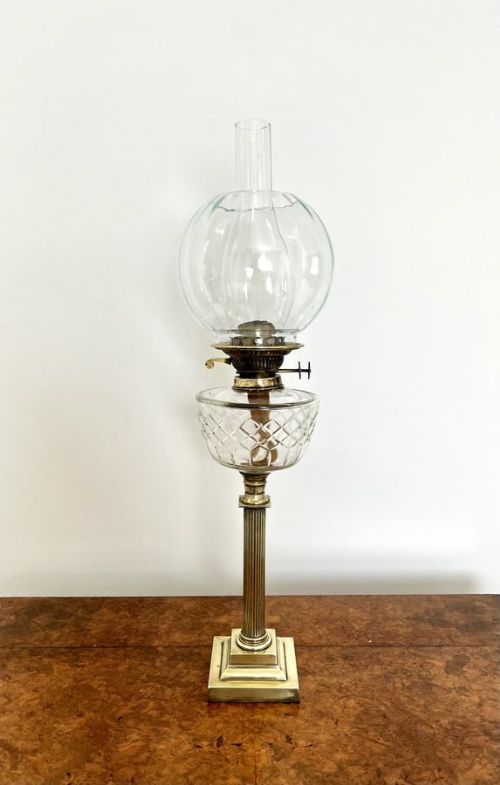
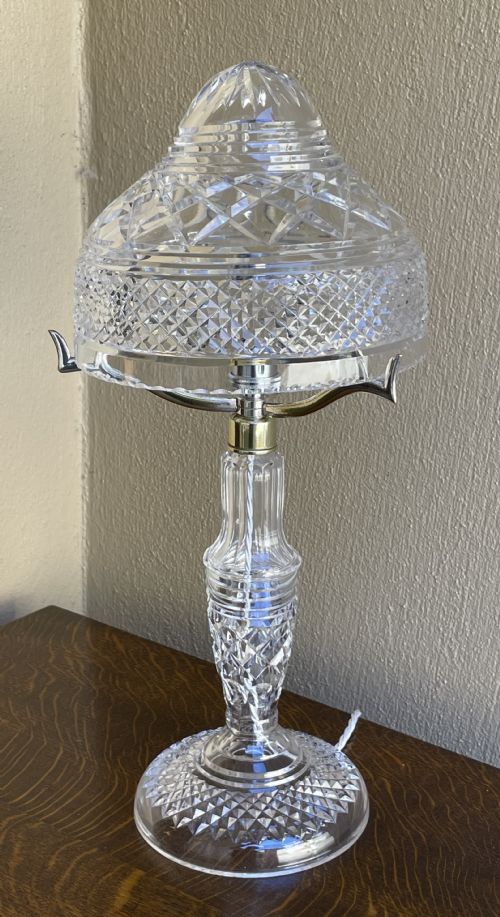
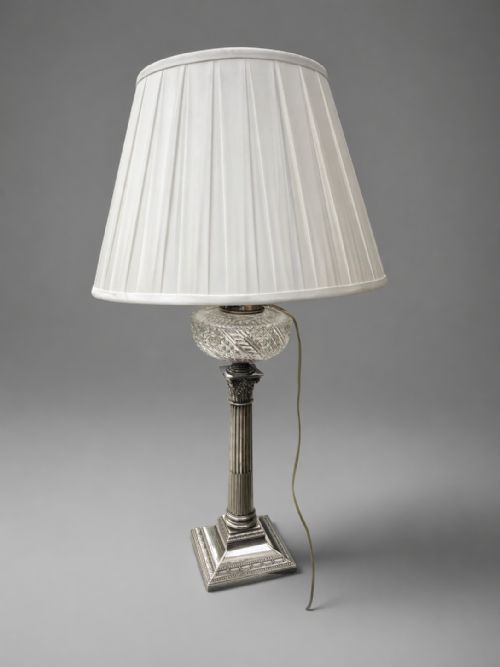
A cut glass table light encompasses a variety of functional and decorative pieces designed to illuminate interior spaces. Collectors encounter items ranging from Victorian oil lamps and Corinthian column designs to 1930s mushroom lamps and French candelabras.
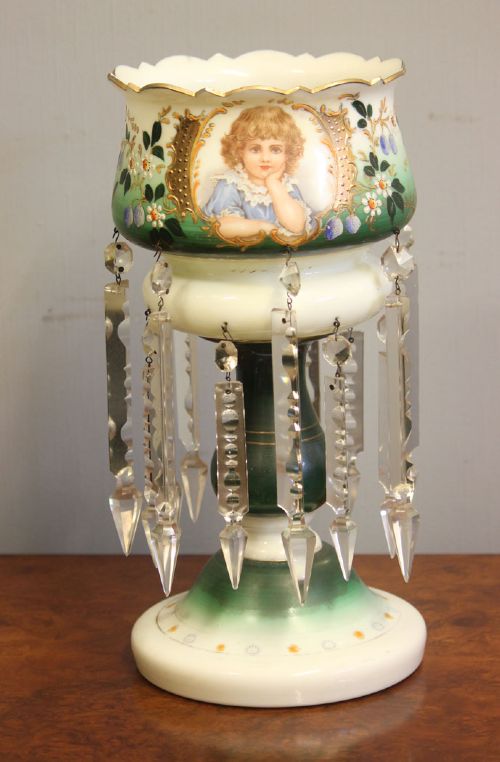
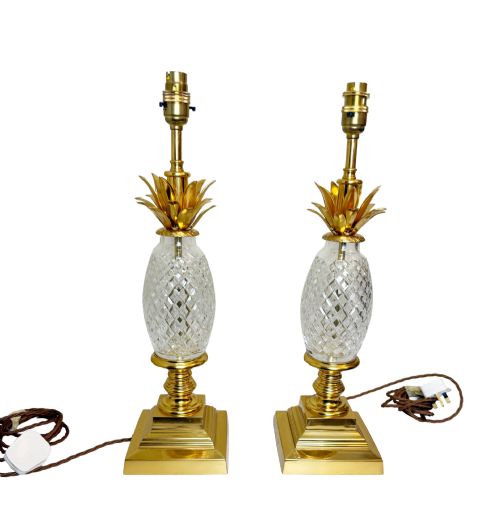
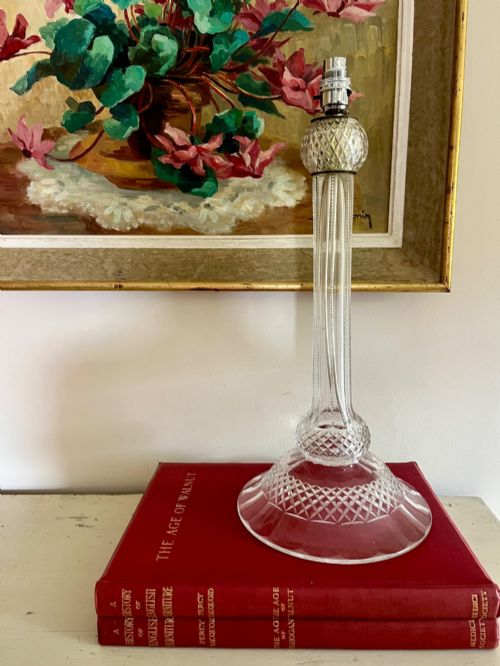
The selection includes pairs of lustres, candelabras with hanging drops, and tall crystal column lamps dating from the nineteenth century through the Art Deco period. These objects bridge the gap between practical illumination and ornamental sculpture on a desk or mantelpiece.
How they were made
Maker's workshops utilised heavy lead crystal and glass, shaping the bodies through deep cutting and polishing to maximise light refraction. Metal components like brass, gilt bronze, ormolu, and silver plate formed the structural mounts, columns, and reservoirs supporting the glass elements.
Many items incorporate delicate fabric shades or hanging glass prisms and drops secured with wire pins. The combination of cast metal bases and meticulously faceted crystal required collaborative craftsmanship between glasscutters and metalworkers.
Listings span the nineteenth century through the Art Deco period, uniting brass, silver plate, and heavy cut crystal.
What varies in quality
Depth and crispness of the facet cutting dictate the optical performance of the glass, separating sharp, brilliant work from softer, moulded alternatives. Weight and stability in the metal mounts, such as solid brass or fire-gilt bronze versus plated alternatives, signal the tier of manufacture.
Completeness of hanging crystal drops on lustres and candelabras influences the integrity of a piece. Original matched components and intact reservoirs demonstrate careful preservation across the decades.
Stuart Crystal·Goldsmiths and Silversmiths Company·Osler
The Cut Glass Table Light Glossary
- Lustre
- An ornamental mantelpiece or table vase fitted with hanging glass prisms. These pendants catch and refract ambient light.
- Cricklite
- A patented trade name for a specific type of glass candlestick and night light assembly popular in the Victorian era. They often used specialised paraffin burners.
- Ormolu
- Gilt bronze mounted onto decorative objects and furniture, providing a golden surface finish. It gained wide use in French lighting pieces.
- Mushroom lamp
- A rounded form of table light featuring a domed glass shade that resembles the cap of a fungus. This silhouette became prominent during the Art Deco period.
- Reservoir
- The container attached to an oil or paraffin lamp that holds the fuel beneath the burner. In cut glass examples, this reservoir is often heavily faceted.
Cut Glass Table Light: Frequently Asked Questions
How do I date a cut glass table light?
Dating relies upon examining the mounting styles, burner mechanisms, and manufacturing techniques present in the piece. Victorian examples often feature heavy brass Corinthian columns or cranberry glass shades.
Later pieces from the 1930s lean towards smooth mushroom shapes and geometric Art Deco profiles. Cross-referencing the weight of the crystal and the type of metal plating helps narrow the decade of origin.
Were these lights originally wired for electricity?
Most nineteenth-century examples began life as oil lamps, paraffin burners, or candle-lit lustres and candelabras. They were subsequently adapted for electrical wiring during the twentieth century.
This conversion process generally preserved the original glass bodies and metal mounts while replacing the internal fuel chambers with lamp holders and cords.
How should I clean cut glass?
Gentle washing in warm water with mild soap preserves the surface brilliance of faceted crystal without harming delicate mounts. Metal components like brass and gilt bronze require separate, careful maintenance to avoid chemical damage.
Removing hanging drops allows for thorough cleaning of individual prisms before reattachment.
What is a mantel lustre?
A mantel lustre is a decorative tabletop ornament traditionally placed on a fireplace mantelpiece to reflect candle or gas light. They feature a central vase or pedestal hung with long crystal pendants.
These objects prioritised decorative sparkle over direct illumination in formal Victorian and Regency interiors.