



Cut Crystal Candlesticks
Cut crystal candlesticks bring brilliant refraction to a table, pairing heavy glass with the sparkle of suspended prisms.
Cut Crystal Candlesticks
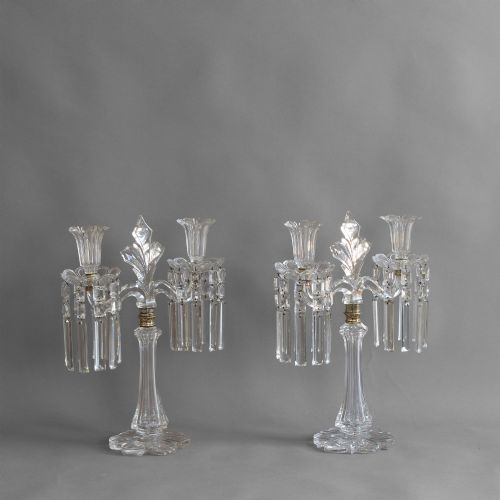
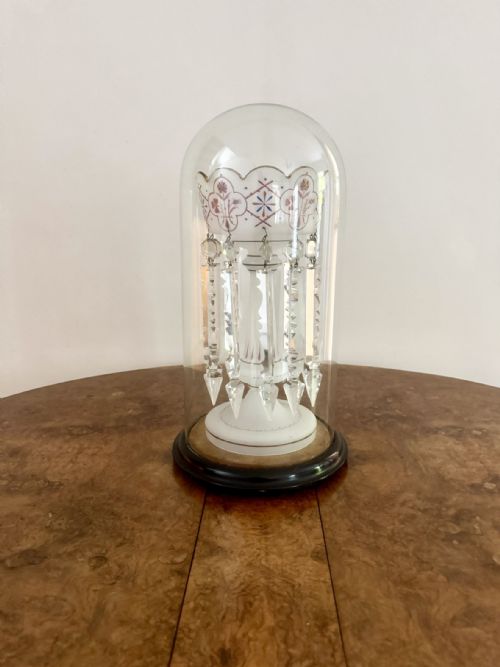
When you search for cut crystal candlesticks, you look at items designed to hold candles while scattering candlelight through faceted surfaces. The pieces meeting this description span several forms, including straightforward candleholders, mantel lustres hung with glass drops, and grander multi-light candelabra.
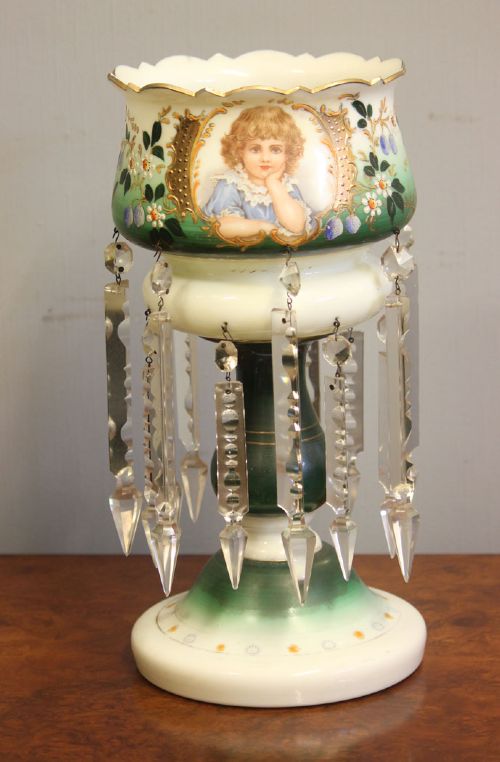
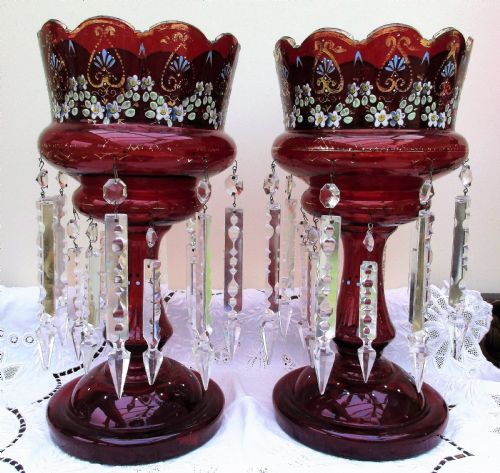
Most examples you encounter on this page date from the nineteenth and early twentieth centuries, covering periods from the Regency era through to Edwardian and 1930s designs. Alongside standard clear glass, variations emerge in ruby, cranberry, and coloured glass, sometimes mounted in brass, gilt metal, bronze, or sterling silver.
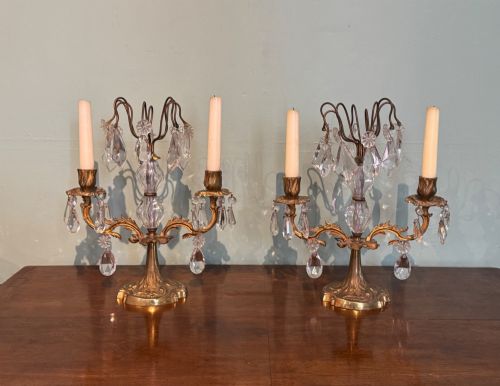
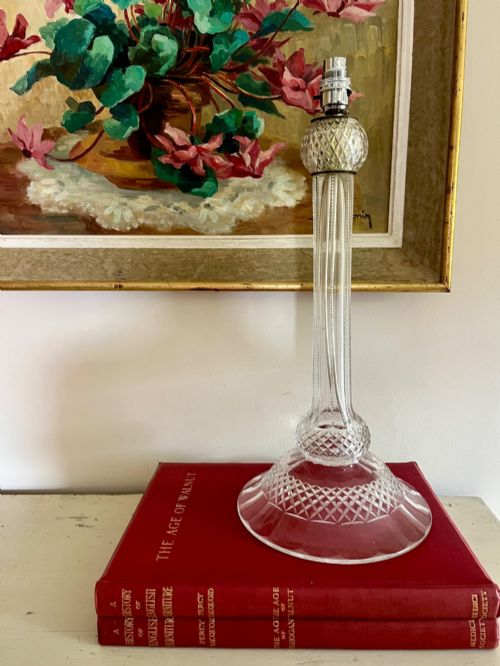
Many survivors appear as matched pairs, designed to balance a mantelpiece, sideboard, or dining table. Alongside simple candlesticks, you also find specialised lighting adaptations such as table lamps and pieces equipped with storm shades or glass domes.
How they were made
Maker operations relied on heavy lead glass or crystal, blown or pressed into initial shapes before artisans applied surface facets by hand on rotating wheels. This wheel-cutting created deep geometric or linear patterns that maximised the refraction of light.
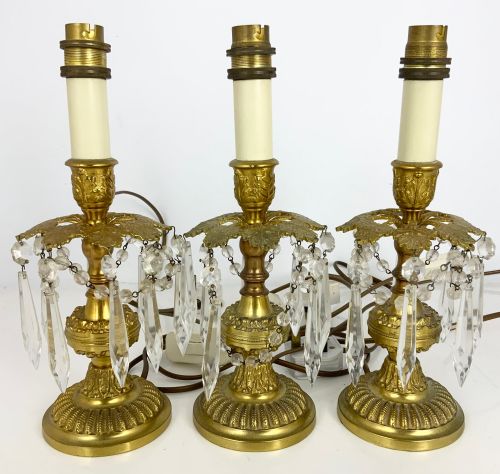
Makers integrated metal components where structural support required them, combining cut glass stems and sockets with brass, gilt bronze, or ormolu mounts. Suspended glass drops, known as lustres, hung from metal or glass rings using wire pins to catch and scatter the illumination.
Listings feature items spanning from the eighteenth century through the 1930s, incorporating materials such as ruby glass, brass, gilt metal, and crystal.
What varies in quality
Quality rests primarily on the crispness and depth of the wheel-cut facets on the crystal. Sharper, deeper cutting creates superior brilliance, whereas softer or shallower marks indicate hurried production.
The weight of the glass and the stability of the metal mounts, such as brass or ormolu bases, set finer examples apart from simpler domestic ware. Complete sets of matching hung prisms or undamaged storm shades also distinguish the best preserved items.
The Cut Crystal Candlesticks Glossary
- Lustre
- A decorative tabletop vessel or candlestick hung with cut glass pendants designed to reflect candlelight. These pieces often feature a central vase shape surrounded by dangling crystal prisms.
- Candelabra
- A branched candlestick holding multiple candles on separate arms. They frequently incorporate cut crystal stems and matching hanging drops.
- Ormolu
- Gilded bronze applied as a decorative mount to glass and crystal pieces, common in French and Regency designs. The technique provides a rich metallic contrast to clear or coloured glass.
- Cricklite
- A patented nineteenth-century glass and brass lighting system designed by Clarke. These assemblies use specialised cut glass shades and candlesticks to house safety night-lights.
Cut Crystal Candlesticks: Frequently Asked Questions
How do I clean cut crystal candlesticks safely?
Wash the glass by hand in lukewarm water using mild detergent, removing any metal components first if they detach safely. Avoid hot water, which can stress antique glass.
Dry each piece immediately with a lint-free cloth to prevent water spots on the facets. Take extra care around suspended drops and wired lustre prisms.
Are these candlesticks safe to use with real candles?
Most antique pieces accommodate standard taper candles, though shrinkage in older sockets means you should check the fit carefully before lighting. Ensure the base sits firmly on a level surface to prevent tipping.
Keep burning candles away from drafts to protect delicate glass stems and hanging drops from thermal shock or accidental knocks.
How can I tell a Regency candlestick from a Victorian one?
Regency examples often display neoclassical lines, bronze or ormolu mounts, and precise, crisp cutting reminiscent of earlier Georgian standards. They frequently appear as clear cut-glass table lustres.
Victorian pieces tend toward heavier proportions and embrace broader decorative revivals, including ruby glass, cranberry tones, and elaborate mass-produced press-moulded forms alongside cut designs.
What is the difference between a lustre and a candlestick?
A standard candlestick holds a single candle without additional ornamentation beyond its cut stem and socket. Its sole purpose is elevation and illumination.
A lustre includes a central shaft or bowl fitted with a ring of hanging glass pendants, or prisms, designed to catch and amplify the light from the candle flame.