
Victorian Red Glass
When you search for victorian red glass, you encounter rich tones shaped into scent bottles, decanters, lamps and tableware that bring vibrant nineteenth-century colour to a room.
Victorian Red Glass
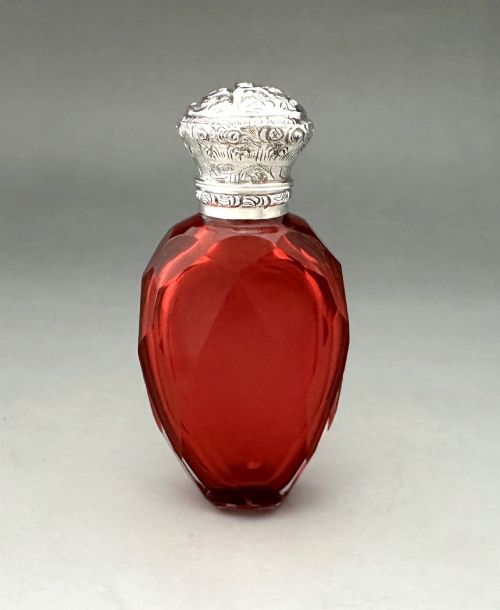
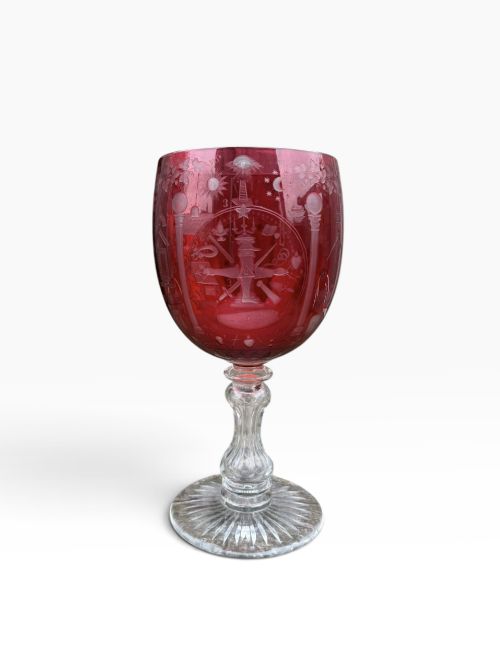
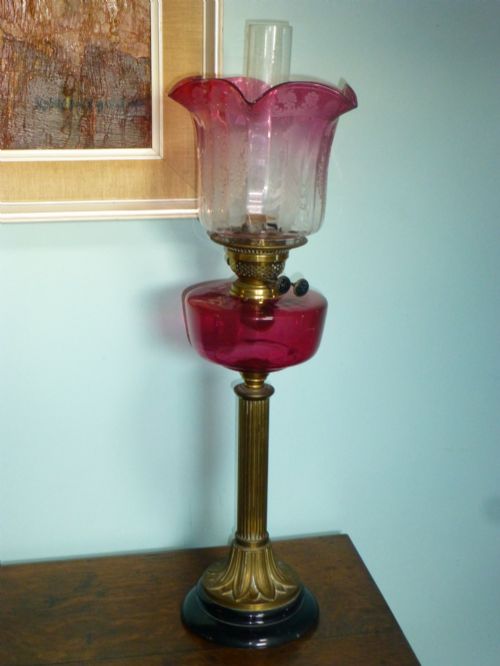
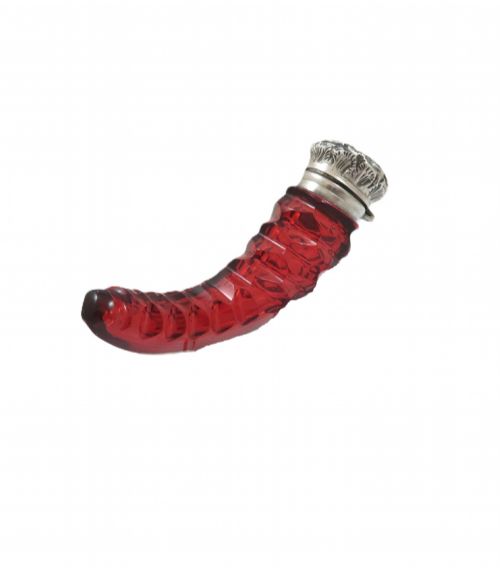
Victorian red glass encompasses objects produced during the nineteenth century, spanning distinct shades often described as cranberry or ruby. The items appearing on this page range from small scent bottles and wine glasses to larger decanters, oil lamps, lustres and cheese dishes.
English, French and Bohemian makers contributed to this category, creating functional vessels and decorative display items. Domestic settings utilised these pieces for dining, lighting and personal grooming, frequently combining the red glass with brass mountings or sterling silver.
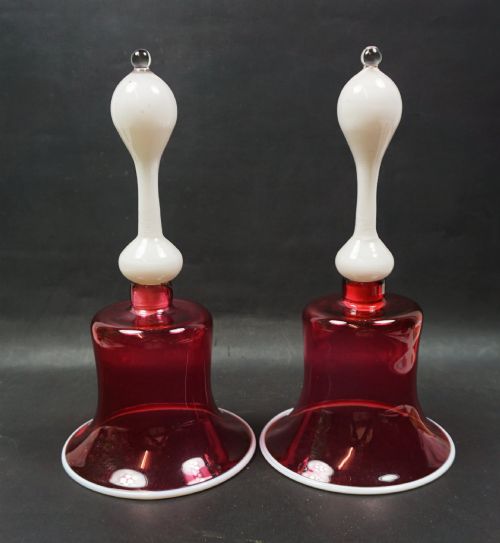
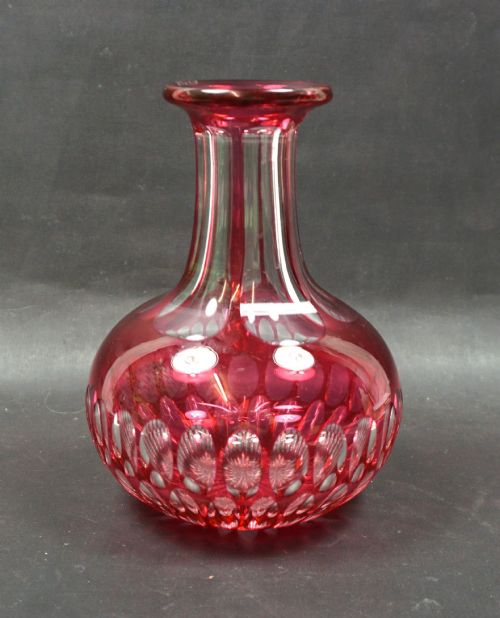
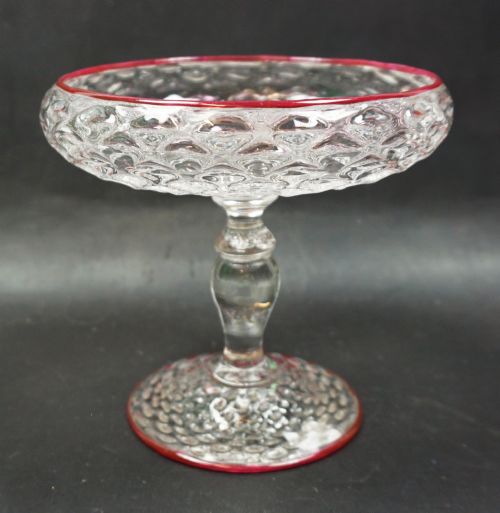
Vessels take many shapes, including finger bowls, tazzas, carafes and bells. Pieces from this era frequently display moulded patterns, facet cutting or applied enamel decoration.
Materials and Techniques
Makers achieved the characteristic red coloration by adding gold or copper compounds to the molten glass batch. Artisans then shaped the glass using blowing and moulding techniques, producing items such as honeycomb patterns, overlaid crystal layers and fluted designs.
Many items incorporate secondary materials including brass, silver, gold leaf and enamel. Metal mounts, stoppers and hinged lids were fitted to scent bottles, oil lamps and decanters to complete the functional design.
Surface ornamentation involved hand painting, gilding and acid etching. Workshops applied white glass handles, contrasting rims and delicate floral motifs to create layered visual effects.
Some Victorian glassmakers applied pale blue and white canes to red glass hats, creating curious miniature novelties.
Evaluating the Pieces
Quality depends upon the depth and consistency of the red colour, alongside the precision of the glass cutting. Superior examples exhibit crisp facet cuts, well-defined moulded details and even distribution of the mineral colourants.
The integration of secondary materials indicates higher craftsmanship. Pieces retaining original silver mounts, intact gilding and undamaged applied handles demonstrate superior preservation and superior workshop origin.
Design complexity separates standard utility items from luxury production. Hand-painted enamel work, intricate overlay techniques and heavy crystal blanks distinguish the finest output.
The Victorian Red Glass Glossary
- Cranberry glass
- A transparent pinkish-red glass coloured with gold chloride. It became popular in Victorian tableware and decorative accessories.
- Ruby glass
- A deep, dark red glass typically produced using copper oxide. It was widely used for decanters, lustres and scent bottles.
- Lustre
- A mantle or vase hung with glass prisms designed to reflect candle or gas light. Victorian examples frequently paired ruby glass bodies with gilt or brass fittings.
- Tazza
- An ornamental shallow cup or plate mounted on a stem and foot. Glass versions from the nineteenth century often feature moulded or cut decoration.
- Mary Gregory glass
- Glass decorated with silhouette figures, usually children, painted in white enamel. This style appears frequently on nineteenth-century cranberry glass pieces.
Victorian Red Glass: Frequently Asked Questions
What is the difference between cranberry and ruby glass?
Cranberry glass relies on gold chloride to produce a bright, transparent pinkish-red tone. Ruby glass uses copper compounds to achieve a deeper, darker crimson hue.
Both varieties were widely produced during the nineteenth century for tableware and decorative objects.
How were Victorian red glass scent bottles used?
Victorian ladies carried small glass scent bottles in pocketbooks or displayed them on dressing tables. They held liquid perfumes and featured secure stoppers alongside silver or brass caps.
Many surviving examples retain hallmarked silver tops dating from the mid to late nineteenth century.
Are these glass items English or continental?
The pieces originate from English, French and Bohemian workshops. English makers produced substantial quantities of tableware and scent bottles, while continental makers supplied heavily gilt and enamelled items.
Stylistic markers and mounting techniques help distinguish regional production origins.
How do you clean antique red glass?
Careful washing in warm water with mild soap preserves the surface. Harsh abrasives must be avoided, particularly on pieces with surface gilding or enamel decoration.
Items with metal mounts or silver tops require specific care to prevent moisture damage to the joins.