
Curved Glass Light
Curved glass light fixtures bring architectural presence to hallways and rooms through rounded lanterns, wall sconces and hanging lamps.
Curved Glass Light
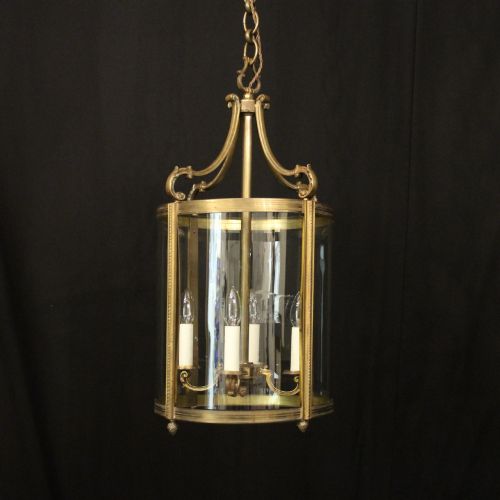
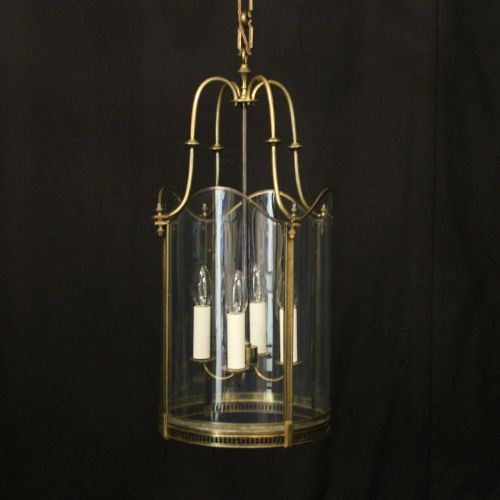
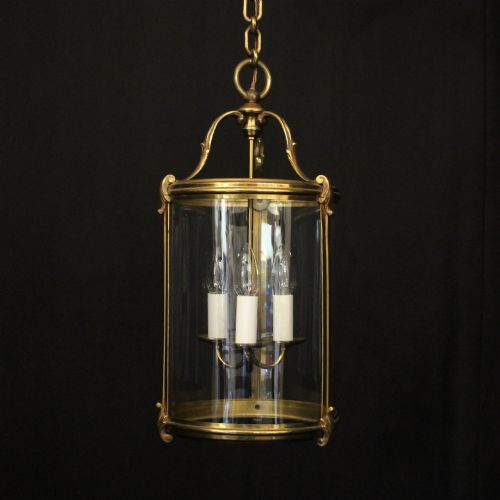
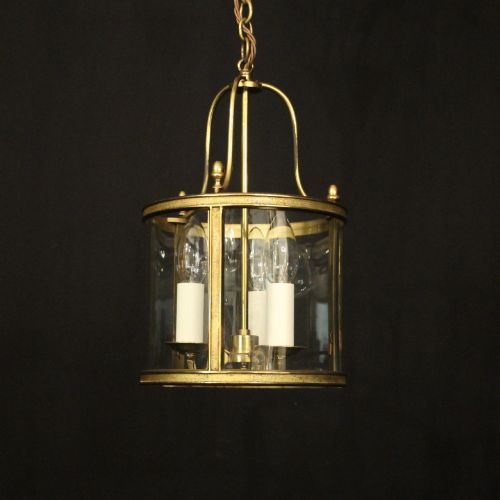
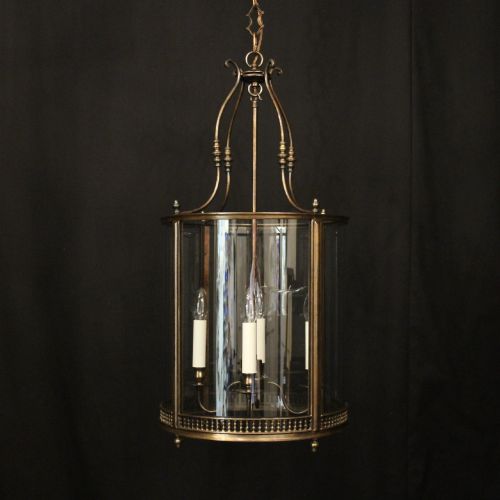
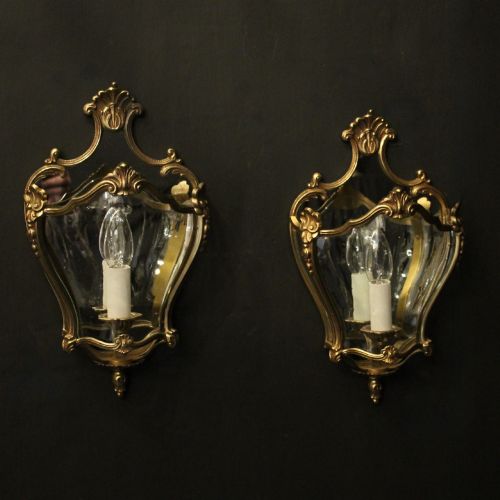
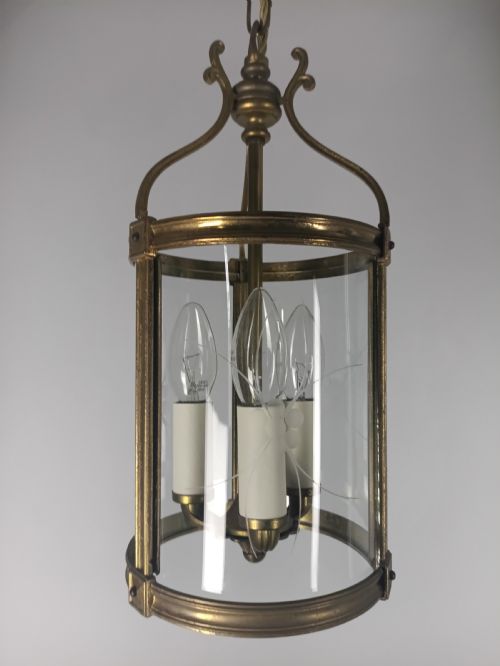
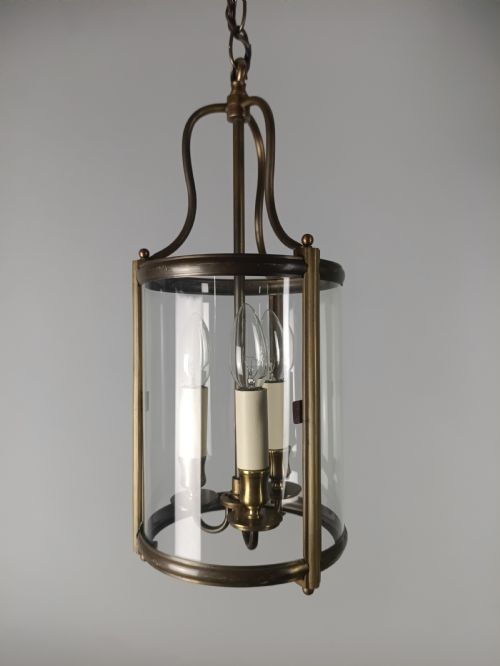
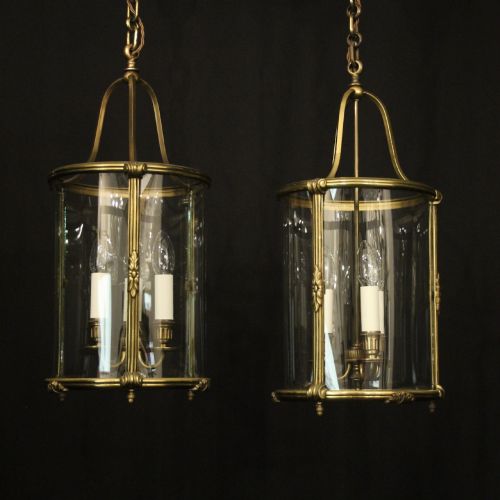
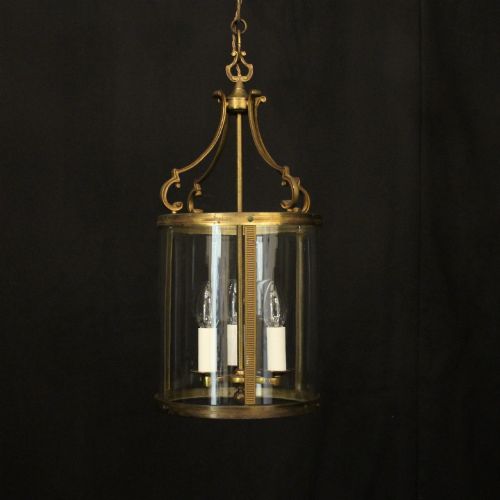
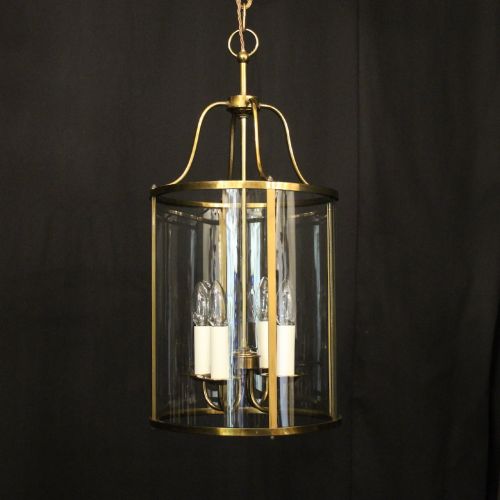
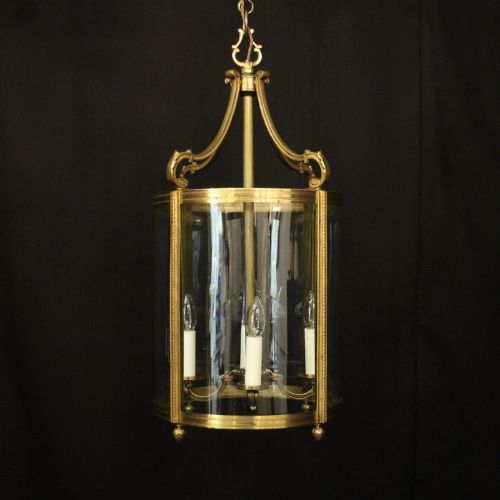
When you search for a curved glass light, you encounter hanging hall lanterns and wall sconces shaped with bowed or convex glazing. These fixtures appear primarily in French and English designs dating from the 19th Century through the 1930s.
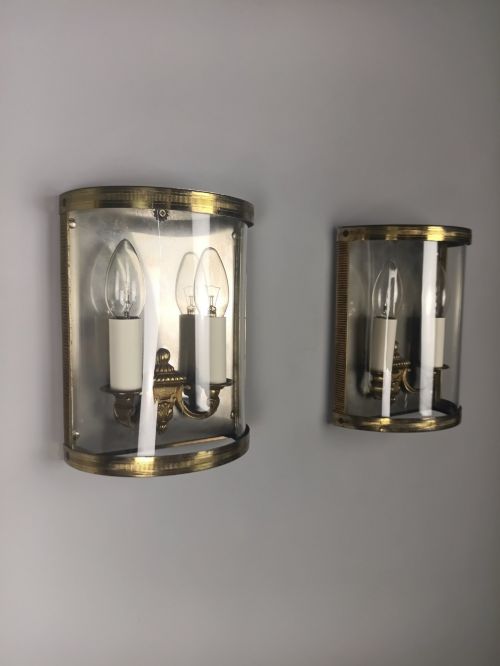
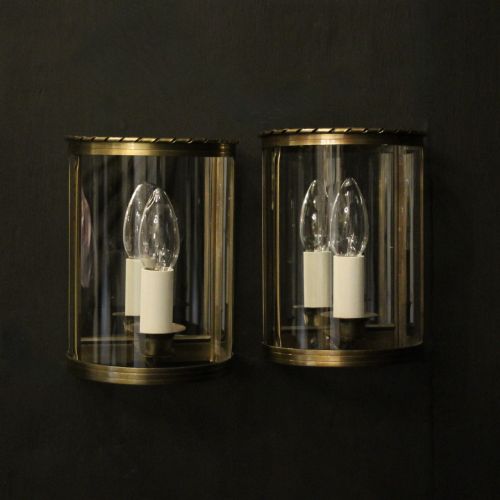
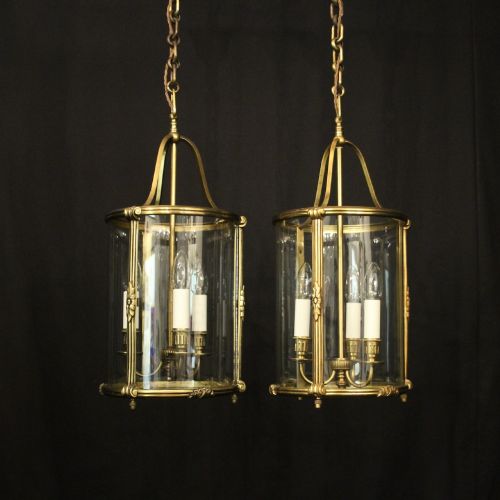
The version you are most likely to meet on this page is the hall lantern, often formed of gilt brass, bronze or gilded bronze housing multiple internal lights. Alongside these hang wall lights and half lanterns designed to mount flush against plaster.
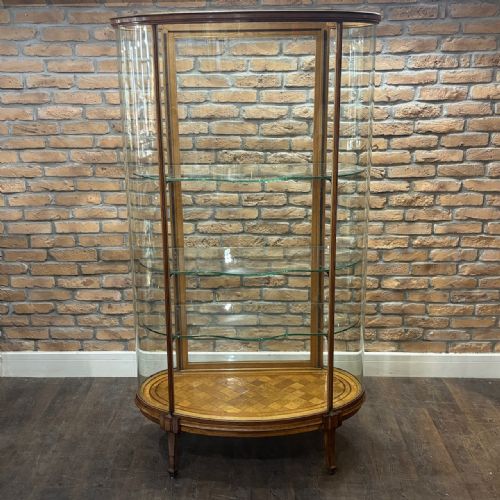
Makers utilised various metals to frame the glass panels, ranging from polished brass to heavy cast bronze in styles spanning Edwardian, Art Deco and French Neoclassical traditions. The selection includes ceiling lights and specific shop display cabinets utilising curved panes.
How they were made
Makers formed the structural frames of these lights by casting bronze, brass or gilt brass into structural cages, frequently ornamented with Rococo or Louis XVI motifs. Artisans then fitted bowed panes of glass into these metal frameworks, sometimes incorporating etched decoration into the glazing.
Wiring and electrical components were added during period renovations or later rewiring, adapting original burning oil or gas lanterns for electric bulbs. Finishes applied to the metal frames include fire gilding, polishing and patination to achieve deep metallic tones.
Materials recorded across the selection include solid oak, polished brass, gilt bronze, and etched glass.
What varies in quality
Quality in a curved glass light rests on the weight of the cast metal and the clarity of the glass panels. Heavy bronze castings with crisp chased detail command greater presence than thin stamped brass alternatives.
The method of glass curving also distinguishes finer examples, where thick convex plates sit snugly within the metal rebate rather than loose modern replacements. The integration of original patination on the gilt bronze or brass surfaces indicates how well a piece survives.
F. Sage & Co
The Curved Glass Light Glossary
- Convex
- Curved outward in the manner of the exterior of a sphere. This describes the rounded glass panels fitted into many period lanterns.
- Hall Lantern
- A ceiling-hung light fixture designed specifically for entrance halls and corridors. These typically feature glazed sides and enclosed tops.
- Gilt Bronze
- Bronze metal coated with a thin layer of gold. It provides a durable metallic finish seen on many French frames.
- Half Lantern
- A light fixture split vertically to mount flat against a wall. These function as both wall lights and sconces.
- Toleware
- Painted or enamelled sheet metal. It appears on specific regional frames alongside traditional brass and bronze.
Curved Glass Light: Frequently Asked Questions
Where should I hang a hall lantern?
These fixtures suit high-ceilinged entrance halls, stairwells and wide corridors where their hanging proportions create a strong focal point. Their enclosed glass sides diffuse light evenly across surrounding walls.
Ensure you measure the drop height from your ceiling to allow sufficient clearance below the fixture for passage.
How do I distinguish French from English lanterns?
French pieces often display more ornate cast ornamentation, such as Rococo scrolls or gilt bronze mounts, reflecting continental stylistic preferences from the early 20th Century. English examples tend toward restrained brass structures with cleaner geometric lines.
Both national traditions utilise convex glass panels housed within robust metal cages.
What is the difference between a wall sconce and a half lantern?
A wall sconce generally projects outward from a backplate with exposed bulbs or simple shades, whereas a half lantern uses a flattened three-dimensional housing with curved glass sides. Half lanterns project further from the wall but sit flush against the mounting surface.
Both styles provide directional illumination for corridors and reception rooms.