



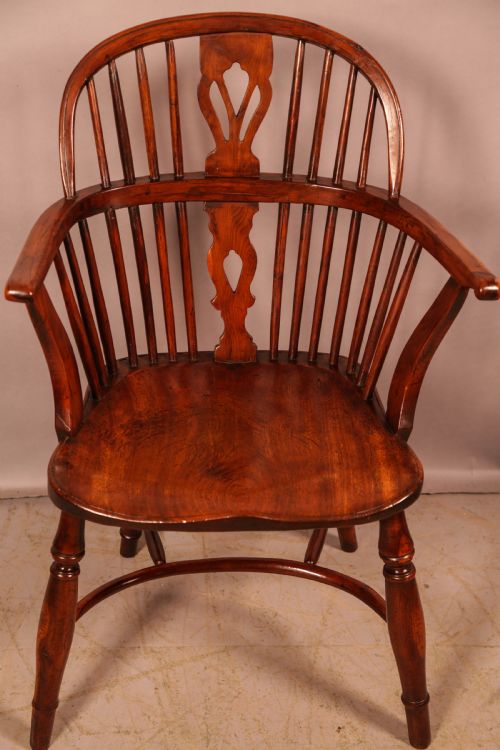


Curved Back Low Chair
These curved back low chair selections offer low-slung seating designed for comfort and ease of movement in period interiors.
Curved Back Low Chair
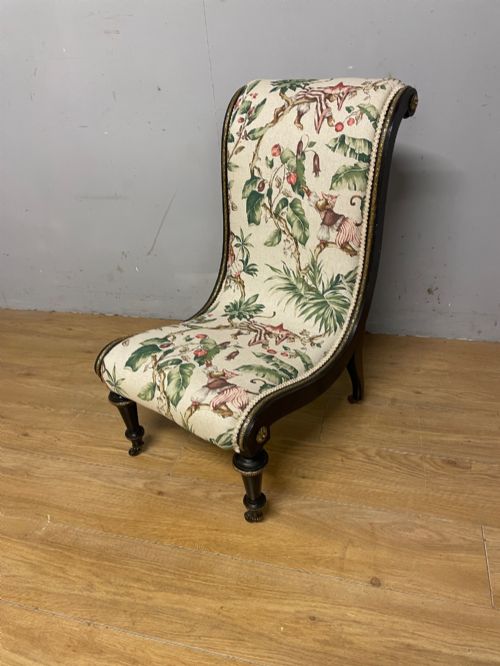
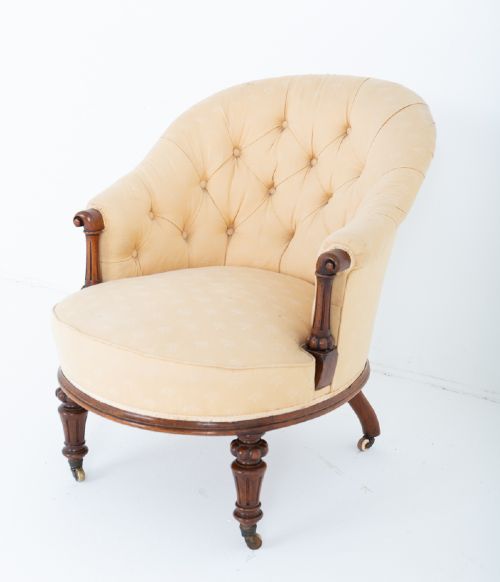
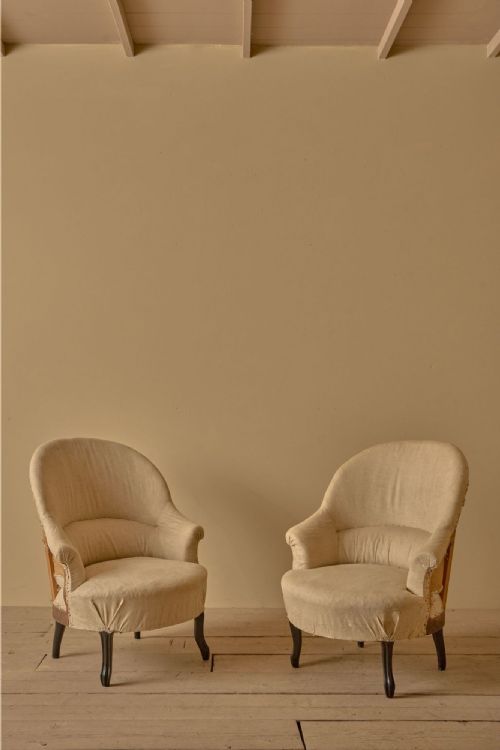
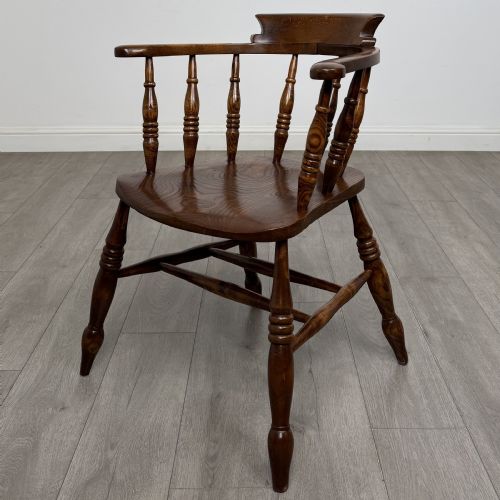
A curved back low chair brings together various low-slung seating forms from the nineteenth and twentieth centuries, including slipper chairs, nursing chairs, tub chairs, and Windsor chairs. Buyers seeking these pieces generally want a compact, low-profile seat that fits easily into traditional sitting rooms, bedrooms, or studies.
The versions most commonly met on this page span the Victorian era, the Aesthetic movement, and French Napoleon III designs, alongside traditional country and 1930s Art Deco examples. These include ebonised wood frames with brass or ormolu mounts, deep buttoned upholstery, and traditional elm or yew wood construction.
Such chairs often served specific domestic functions in the period, from nursing infants to sitting by a low fireplace or dressing in a bedroom. Their lower stature and curved backs provided practical support while maintaining a distinct silhouette suited to smaller spaces.
How they were made
Makers utilised native and exotic timbers such as mahogany, elm, yew, and ebonised wood to build the structural frames of these low chairs. Ebonised finishes were frequently combined with gilt legs, brass details, or ormolu mounts to achieve the decorative standards of the nineteenth century.
Upholstered variants relied on traditional stuffing and textile coverings, ranging from simple calico and basic fabrics to deep buttoned treatments. Wooden Windsor and smoker's bow examples employed traditional turned spindles and bentwood techniques to form the characteristic curved backs.
Curved Back Low Chair Retail Price Guide 2026
Typical asking prices for curved back low chair among the pieces listed under this phrase on Sellingantiques today, from the lower quarter to the upper quarter. They describe what is for sale here now, not the wider market.
Listings feature items spanning the nineteenth century through the 1930s, utilising materials such as brass, elm, mahogany, ebonised wood, and various textiles.
What varies in quality
The standard of a curved back low chair is determined by the crispness of its timber carving, the integrity of its joinery, and the authenticity of its mounts. Finer examples display well-executed ebonising, secure brass or ormolu work, and robust frame construction that withstands regular use.
In upholstered pieces, the overall refinement depends on the proportional balance of the curved back and the quality of the underlying frame materials, such as solid mahogany or seasoned elm, rather than superficial covering alone.
The Curved Back Low Chair Glossary
- Slipper chair
- A low-seated upholstered chair originally designed for bedrooms to allow women to dress comfortably. These pieces typically feature no arms and stand close to the floor.
- Nursing chair
- A low upholstered armchair designed for nursing infants, often featuring a supportive curved back and deep seat. The reduced height made it easier to tend to children near a hearth.
- Tub chair
- An armchair characterised by a continuous curved back and arms that form a single rounded enclosure. This form provides enclosing comfort and compact proportions.
- Windsor chair
- A wooden chair constructed with a solid wooden seat into which the legs and back spindles are separately bored. Country variants often incorporate low curved backs and sturdy armbows.
- Ebonised wood
- Timber treated with a dark stain or finish to imitate the appearance of ebony. This technique was widely utilised during the Victorian and Aesthetic periods for decorative effect.
Curved Back Low Chair: Frequently Asked Questions
What is a curved back low chair used for?
These chairs are generally used as accent seating in living rooms, bedrooms, or dressing areas where space is limited. Their low height and supportive backrests make them practical for relaxed sitting.
Historically, specific forms like nursing chairs and slipper chairs served dedicated domestic purposes in private rooms. Today, they function well as occasional seating that adds period character to an interior.
How do I date a low armchair?
Dating relies on observing the timber types, decorative mounts, and framing techniques characteristic of different periods. Nineteenth-century examples often feature ebonised finishes, brass mounts, or deep buttoned upholstery.
Later pieces from the 1920s and 1930s tend to display simpler lines or transitional Art Deco influences. Comparing the construction methods to known stylistic periods helps narrow down the decade of manufacture.
Are these chairs comfortable for daily use?
Most of these low chairs are surprisingly comfortable due to their ergonomic curved backs and compact proportions. Upholstered variants offer padded support, while wooden Windsor types provide solid back bracing.
Because they sit closer to the floor than standard dining chairs, they are best suited for relaxed lounging or reading rather than upright desk work.
How do I fit a low chair into a modern room?
A curved back low chair works effectively in corners or beside larger sofas because its low profile does not block sightlines. It acts as a sculptural accent piece that breaks up the height of standard modern furniture.
Pairing a period ebonised or wooden chair with contemporary decor adds textural contrast and historical depth to the space.