



Curved Back Dining Chairs
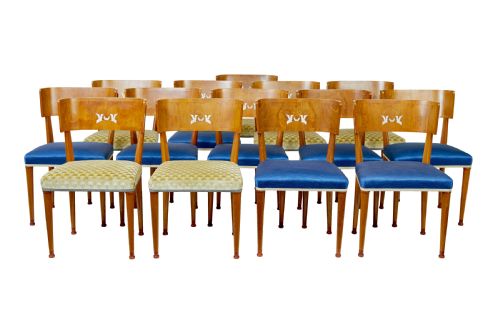
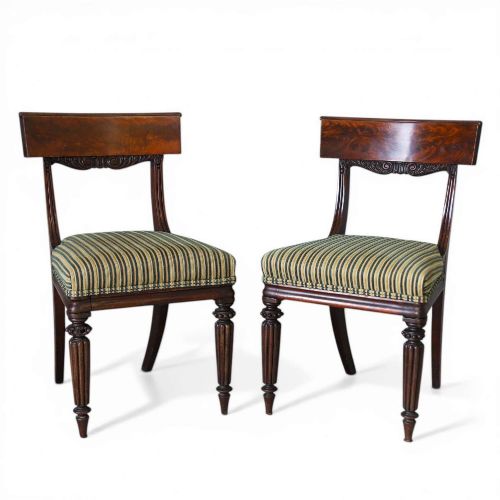
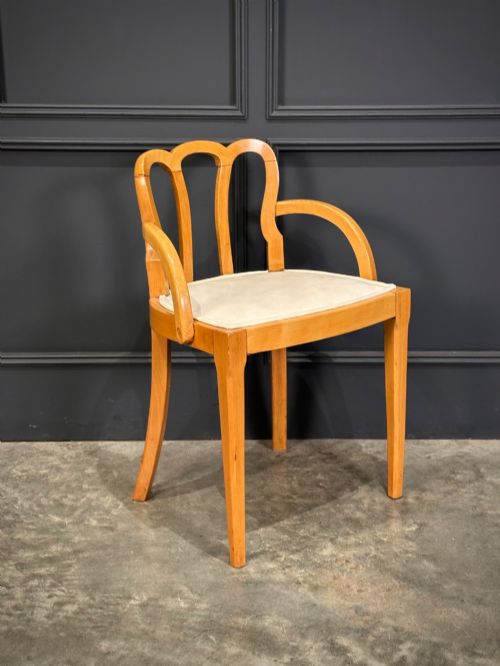
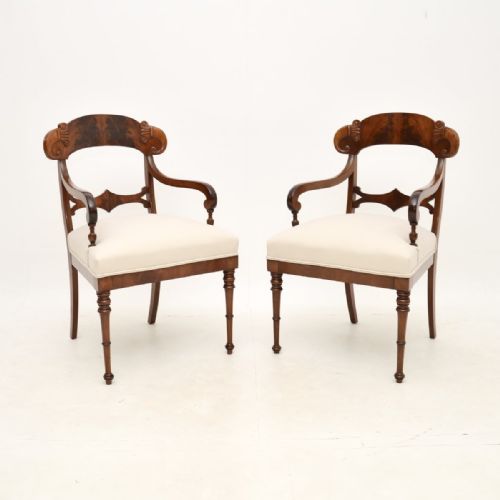
Curved back dining chairs bring a distinct line to the table, spanning the generous sweeps of the Regency period down to the clean arcs of Art Deco.
Curved Back Dining Chairs
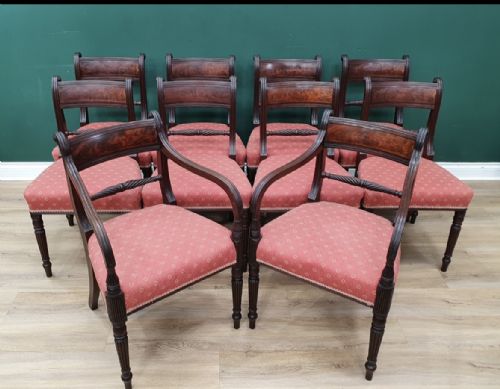
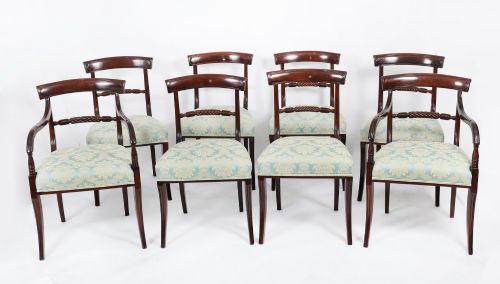
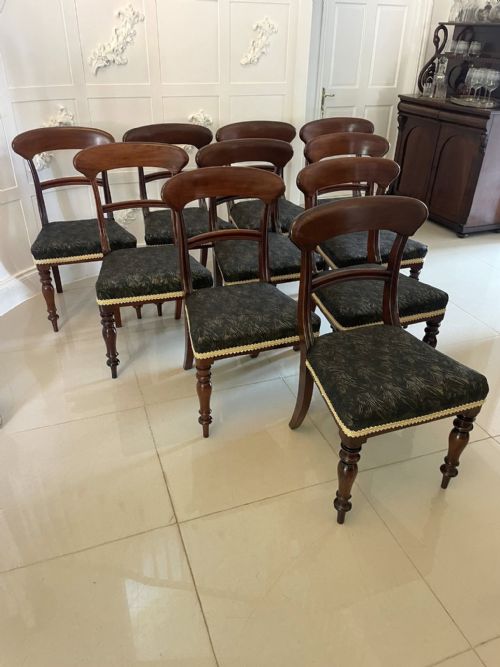
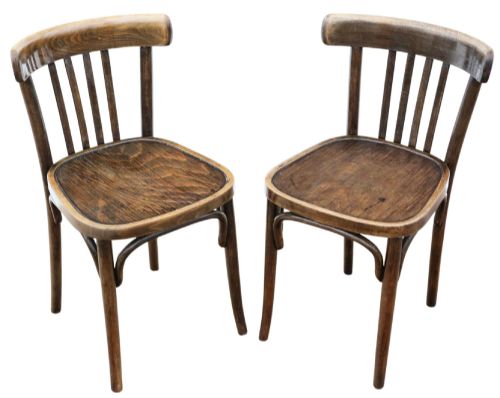
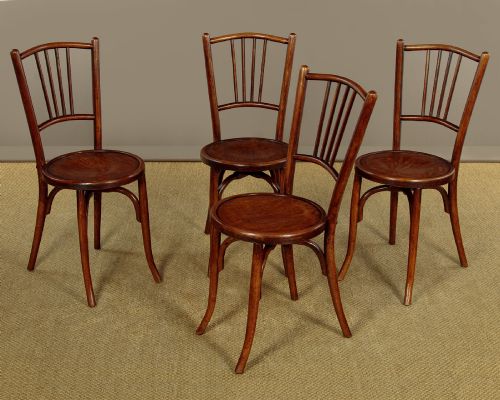
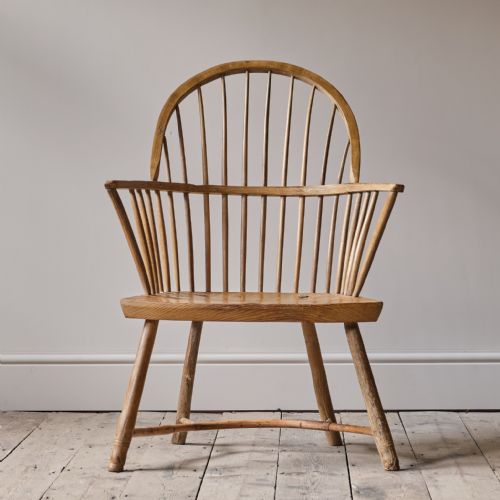
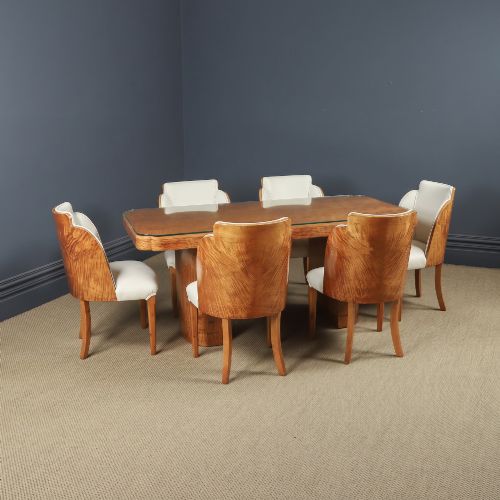
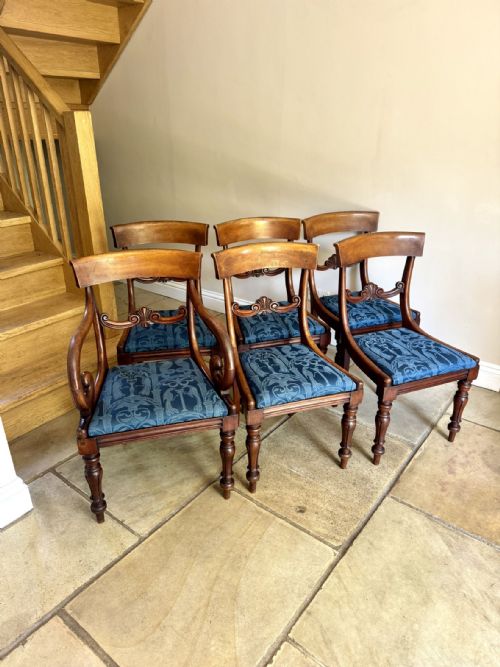
Curved back dining chairs encompass everything from formal mahogany sets of the Regency and Victorian eras to streamlined Art Deco seating and informal kitchen windsors. You will encounter these in single pairs, larger matched sets of six to ten, and occasional dining suites complete with tables.
The materials range from dense hardwoods such as mahogany, rosewood, walnut, and satinwood to lighter bentwood timbers like beech and elm. Many examples feature upholstered seats covered in fabric, leather, or specific Regency stripes.
Origins stretch across English workshops, Scottish makers, Swedish studios, and Chinese timber yards. This variation means you can select an imposing set for a formal dining room or simpler bentwood pieces for daily use.
Materials and Construction
Makers utilised solid timbers including mahogany, beech, elm, and satinwood, often turning or steaming the wood to achieve the characteristic curved profiles. Bentwood designs relied on heat to soften timber, allowing craftsmen to bend beech into continuous fluid loops.
Joinery methods varied according to the period, employing traditional tenons for early nineteenth-century mahogany frames and steam-bent components for later bistro seating. Upholstered drop-in or fixed seats were added using fabric, leather, or horsehair padding over webbing.
Curved Back Dining Chairs Retail Price Guide 2026
Typical asking prices for curved back dining chairs among the pieces listed under this phrase on Sellingantiques today, from the lower quarter to the upper quarter. They describe what is for sale here now, not the wider market.
Judging Quality
Quality rests upon the crispness of the timber grain, the integrity of the curved joints, and the scale of the matched set. A larger set of ten or twelve uniform mahogany chairs demands superior initial selection of wood and highly skilled turning.
Art Deco and Swedish pieces depend on the grain figure of satinwood, elm, or maple, where well-matched veneers elevate the visual balance. Simpler bentwood or kitchen chairs show quality in the resilience of the steam-bent frame and the snug fit of the elm seats.
Benjamin Gilling·Harry & Lou Epstein·Thonet
The Curved Back Dining Chairs Glossary
- Klismos
- An ancient Greek chair form with concave curved back rails and splayed legs, revived during the Regency and Art Deco periods.
- Bentwood
- Wood that has been heated and bent into curved shapes, frequently utilised in nineteenth and twentieth-century cafe chairs.
- Sabre leg
- A curved, outwardly tapering leg shape common on Regency dining chairs that echoes classical Greek design.
- Windsor chair
- A wooden chair featuring a solid elm or hardwood seat into which bent back-bows and spindles are wedged.
- Side chair
- An upright chair without arms, designed specifically for seating guests along the sides of a dining table.
Curved Back Dining Chairs: Frequently Asked Questions
How do I care for antique leather upholstery?
Leather seats require regular dusting with a dry cloth and occasional application of a suitable neutral wax or balm to prevent drying and cracking.
Keep these chairs away from direct heat sources and strong sunlight to maintain the suppleness of the hide over decades.
Are bentwood chairs sturdy enough for daily use?
Bentwood chairs designed in the nineteenth and twentieth centuries relied on steam-bending techniques that created resilient, springy frames.
Provided the joints remain tight and the beech timber is sound, they easily withstand the demands of daily dining.
How do I identify a Regency period dining chair?
Regency chairs typically display classical influences such as saber legs, reeded frames, and horizontal top rails curving to fit the spine.
Timber choice often centres on dark mahogany with subtle brass inlay or carved rope-twist details characteristic of the early nineteenth century.
Can I mix curved back chairs with a modern table?
The clean architectural lines of Art Deco or mid-century bentwood designs pair effortlessly with contemporary glass or wooden tables.
Contrast the warm tones of mahogany or satinwood against modern surfaces to create a balanced, layered interior.