


Crown Derby Urns
Crown derby urns are decorative porcelain vessels that bring a traditional focal point to a mantelpiece or side table.
Crown Derby Urns
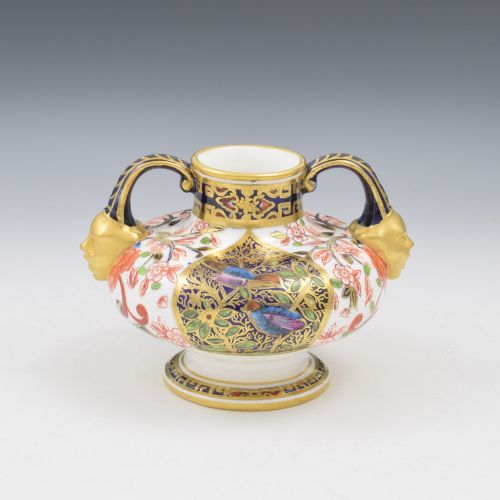
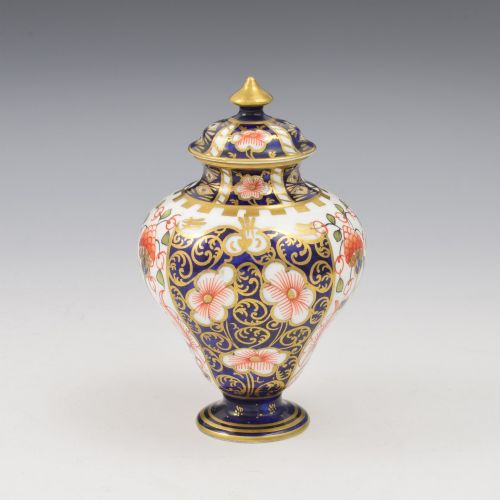
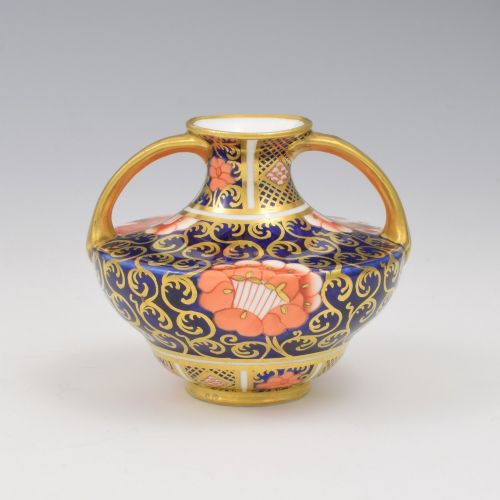
You are most likely to meet Victorian and 1920s examples on this page, often finished with detailed patterns such as Imari or raised gold decor. The forms vary from twin-handled miniature vases to substantial decorative ewers and urns. Each piece reflects the output of the factory across different eras, capturing both classical shapes and distinct stylistic movements like the Aesthetic Movement.
How they were made
These pieces are constructed from porcelain and bone china, providing a refined ceramic body for detailed painting and gilding. Artisans applied gold leaf, gilt, and gold gilding to highlight handles, rims, and intricate surface patterns.
Decoration involved careful hand-painting by notable artists, as seen on pieces bearing signatures such as George Robertson, Darlington, and Albert Gregory. The application of enamel added rich colour to patterns like the Imari designs found on various vases and urns.
Listings feature porcelain and bone china items decorated with enamel, gold leaf, and gilt across the Georgian, Victorian, Edwardian, and 1920 periods.
What varies in quality
The standard of a piece often rests upon the skill of the artist responsible for its decoration, with named hands like George Robertson or Albert Gregory elevating the work. Hand-painted detail and the precision of the gilding set superior examples apart from standard production items.
The complexity of the form and pattern also dictates the tier of the piece, where intricate mouldings, twin handles, and extensive gold leaf application indicate higher ambition. Condition and the preservation of the enamel and gilding further distinguish the finer vessels from more everyday items.
George Robertson·Darlington·Albert Gregory·Harris
The Crown Derby Urns Glossary
- Imari
- A traditional decorative style featuring rich cobalt blue, iron red, and gold, frequently utilised on crown derby porcelain. This palette draws inspiration from Japanese export wares.
- Bone china
- A type of porcelain incorporating bone ash, resulting in a strong, translucent ceramic body. It forms the base for many fine decorative urns and vases.
- Ewer
- A large pitcher with a wide spout and flared base, traditionally used for water but often produced purely for display. These decorative vessels appear frequently alongside standard urns.
- Gilt
- A thin layer of gold applied to the surface of the porcelain to accentuate handles, borders, and motifs. It adds a reflective quality to the finished piece.
- Ice pail
- A specialised vessel designed for chilling wine at the table, featuring thick ceramic walls and often matching covers. These functional items translate into highly decorative display pieces.
Crown Derby Urns: Frequently Asked Questions
What are crown derby urns used for?
These vessels serve primarily as decorative objects for display on mantelpieces, sideboards, and pedestals. Their ornate patterns and gilded finishes make them centrepieces in traditional interiors.
Historically, similar porcelain forms fulfilled both ornamental duties and specific dining functions, though surviving examples are generally kept for visual appreciation today.
How do I identify the period of a piece?
Dating relies on stylistic clues, factory marks, and the specific decorative movement associated with the item. Georgian pieces display different handling compared to Victorian or 1920s productions.
Signatures from recorded artists like George Robertson or Albert Gregory also help narrow down the date of creation within the wider timeline.
What is the Imari style on these urns?
The Imari style refers to a distinct palette of deep cobalt blue, iron red, and extensive gold gilding. It draws on traditional Japanese aesthetics adapted by British porcelain makers.
This pattern appears across various forms on this page, including miniature vases and bud vases from the Edwardian period.
How should I care for antique porcelain?
Antique porcelain and bone china require gentle handling and placement away from direct sunlight and areas of heavy vibration. Dusting with a soft, dry cloth is usually sufficient for maintenance.
Avoiding harsh cleaning agents preserves the delicate enamel work, gold leaf, and hand-painted signatures found on these items.