


Crimson Wool Weaving
Crimson wool weaving brings together rich red textiles and carpets rooted in Persian, Turkmen, and Caucasian traditions.
Crimson Wool Weaving
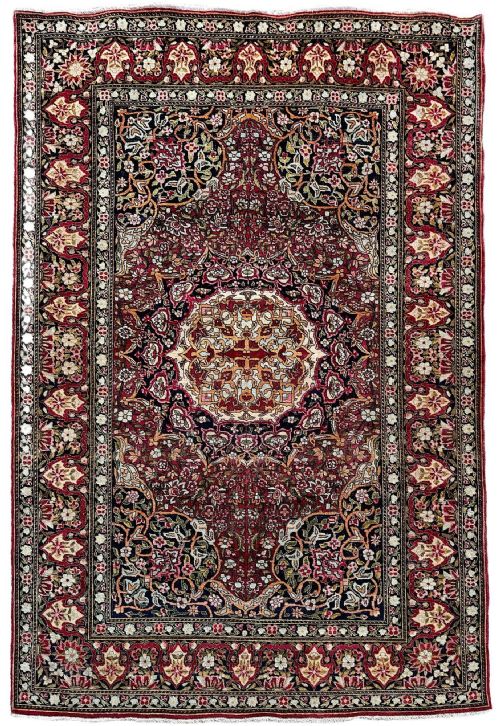
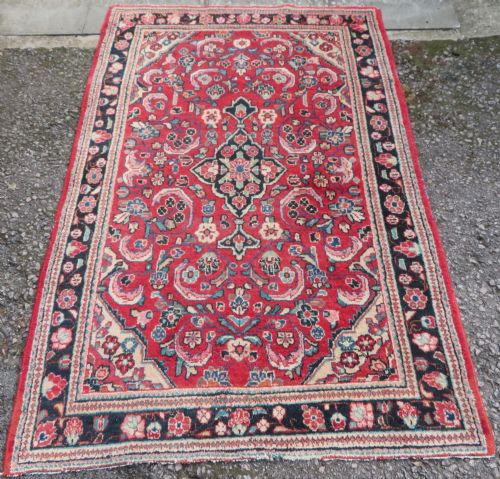
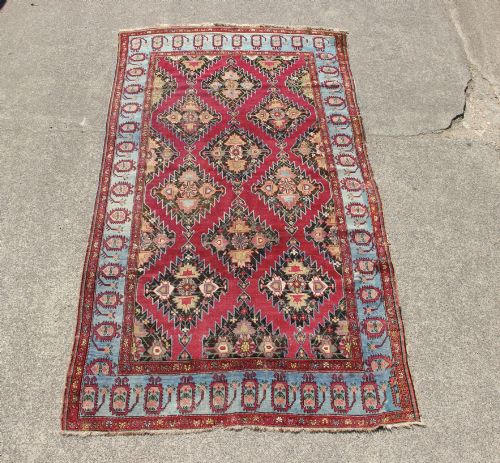
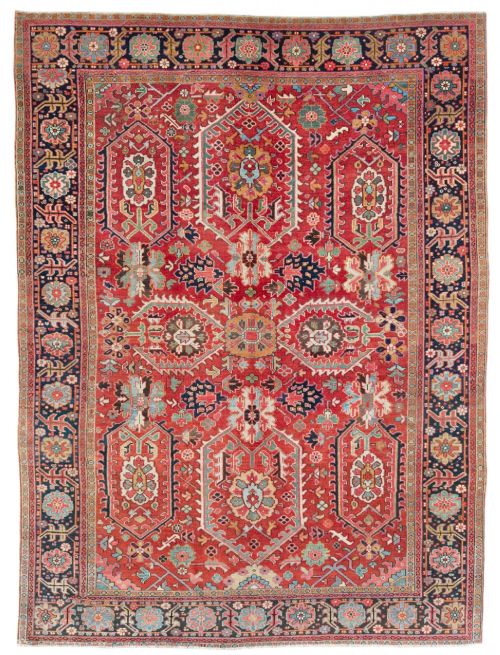
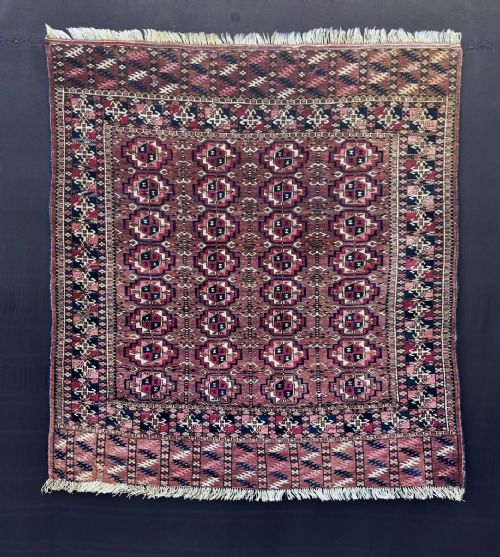
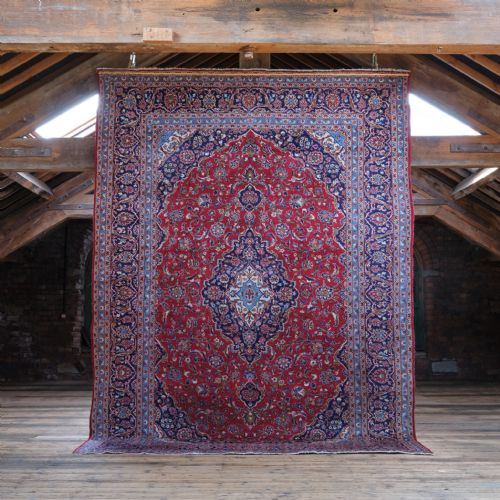
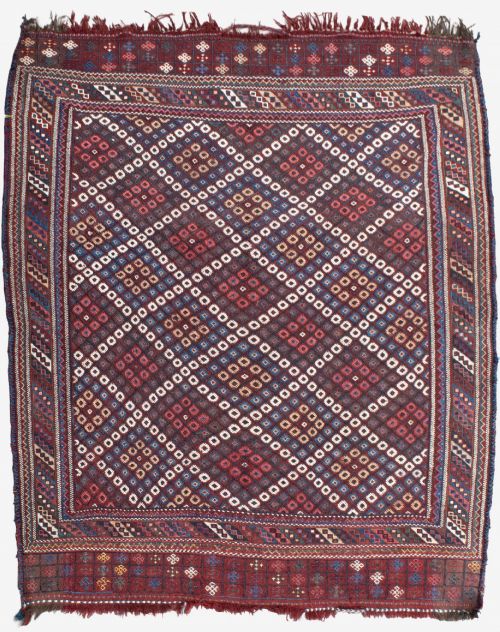
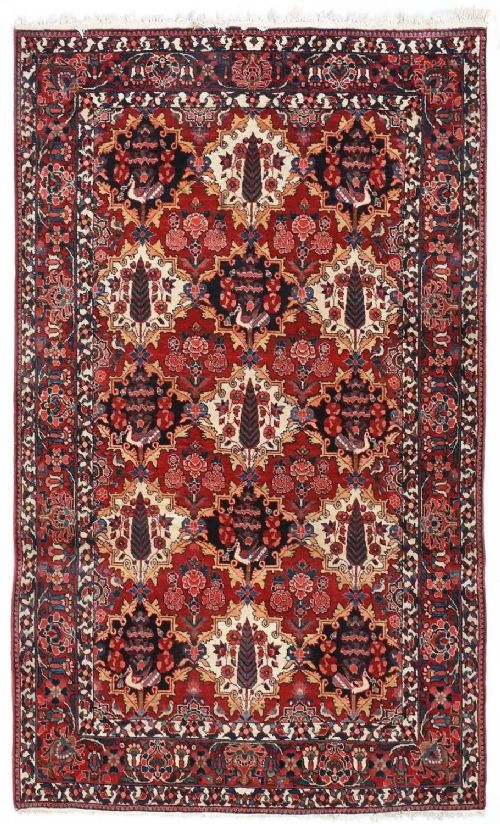
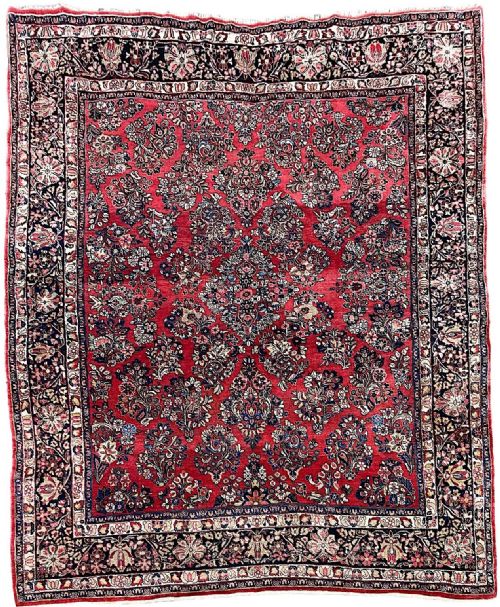
When you search for crimson wool weaving, you encounter hand-knotted carpets, tribal rugs, and functional storage bags created across Persia, the Caucasus, and Central Asia. These items range from large room-size carpets originating in workshops to smaller tribal pieces woven by nomadic groups.
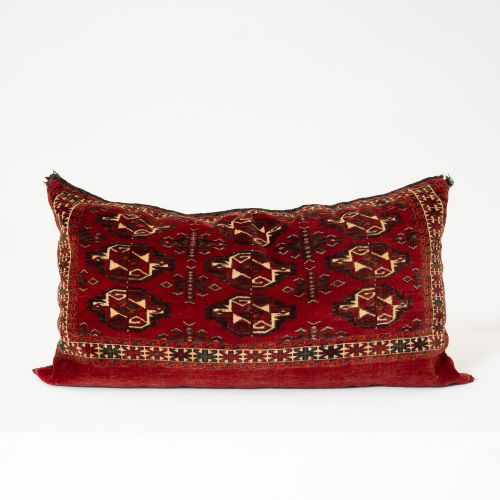
The selection on this page centres heavily on pieces from the nineteenth and early twentieth centuries. You will find items attributed to specific regional traditions, including Tekke, Yomut, and Ersari tribal groups alongside Persian city carpets.
Materials and construction
The pieces rely primarily on wool and hand-spun wool foundations and piles, occasionally incorporating cotton or silk details. Artisans utilised natural dyes to achieve deep red and crimson tones across the wool surface.
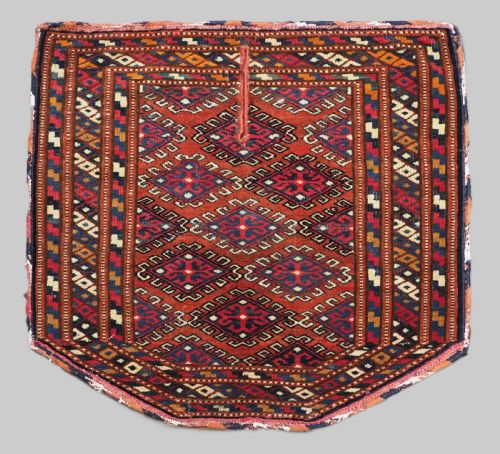
Weavers employed hand-knotting techniques to build dense structures suited to daily domestic use or nomadic transport. Many smaller items function as bag faces, storage sacks, or saddle covers constructed alongside larger floor coverings.
Listings feature wool, cotton, and silk materials across nineteenth and early twentieth century periods.
Assessing quality
Quality rests in the precision of the weave and the depth of the dye work. Tighter knot counts and finer materials distinguish the most accomplished workshop carpets and dowry pieces from standard utility items.
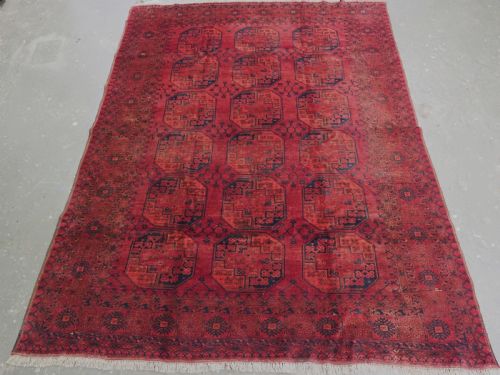
The clarity of traditional motifs, such as guls and medallion patterns, defines the execution. Well-preserved structures with original backs and balanced proportions command greater attention from collectors.
The Crimson Wool Weaving Glossary
- Gul
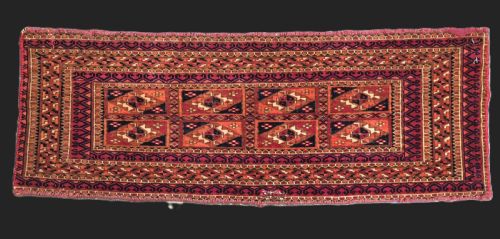
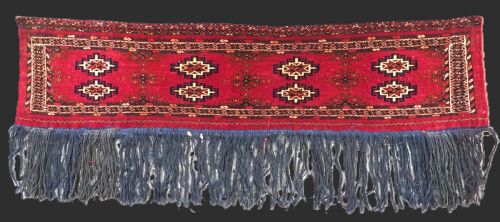
- A medallion motif commonly found in Turkmen tribal rugs and carpets. These repeating octagonal designs often identify the specific tribe that produced the weaving.
- Torba
- A small storage bag face used in nomadic households. They were typically hung inside tents and feature intricate border work.
- Chuval
- A large storage bag utilised for bedding and household goods by Central Asian tribes. Surviving examples often appear as complete pieces with plain weave backs or as decorative face fragments.
- Sofreh
- A spreading cloth used for kneading bread or sharing meals in Persian and tribal traditions. These flatwoven or piled pieces display geometric field patterns.
- Knot count
- The number of knots per square unit in a carpet. Higher counts generally indicate finer detail and greater labour investment by the weaver.
Crimson Wool Weaving: Frequently Asked Questions
What is crimson wool weaving?
Crimson wool weaving encompasses hand-knotted rugs, carpets, and tribal textiles featuring dominant red hues. These pieces originate primarily from Persian, Caucasian, and Central Asian makers.
Items range from large room-sized floor coverings to small nomadic storage bags and dowry pieces. The materials typically involve wool, hand-spun wool, and natural dyes.
How were these rugs used?
Nomadic and tribal groups utilised these textiles for practical storage, tent decoration, and floor coverings. Smaller pieces functioned as saddle covers, cushion faces, and wall hangings.
Workshop carpets served as decorative floor coverings in substantial homes and administrative spaces. Their durable construction accommodated heavy domestic traffic.
How do I care for an antique wool rug?
Protect the textile by placing it in areas with moderate foot traffic and away from direct sunlight. Gentle vacuuming without a rotating brush prevents fibre damage.
Professional cleaning tailored to antique natural-dyed wool preserves the structural integrity of the pile. Avoid harsh chemical treatments and excessive moisture.
How can I tell tribal rugs apart?
Distinction relies on structural characteristics, colour palettes, and specific repeat motifs like guls or medallions. Turkmen tribes often utilised distinct octagonal motifs and deep crimson grounds.
Persian and Caucasian pieces display different floral or geometric fields. Examining the weave structure and fringe finish offers further clues to regional origin.