



Crimson Wool Wall Hanging
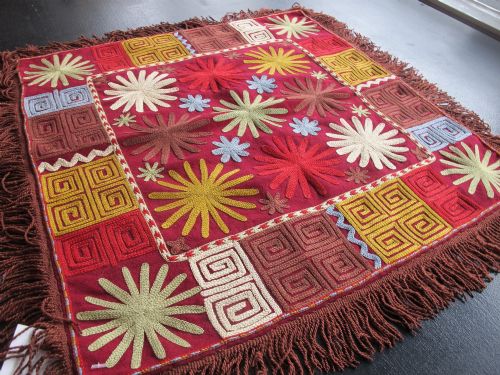
A crimson wool wall hanging brings rich nomadic texture and deep historical warmth to an interior.
Crimson Wool Wall Hanging
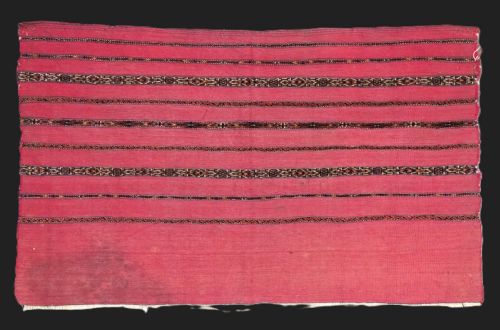
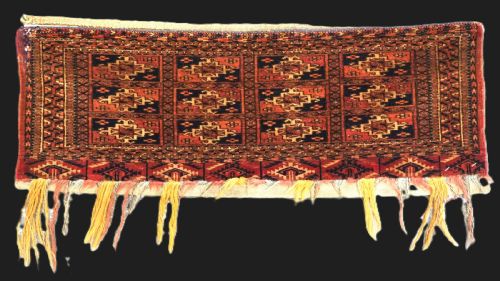
When you search for a crimson wool wall hanging, you encounter tribal textiles from Central Asia and Turkmenistan. These pieces originated as utility bags or domestic furnishings produced by nomadic groups such as the Tekke, Yomut, and Ersari tribes. Today, collectors display them on walls to showcase their striking geometric motifs and rich regional character.
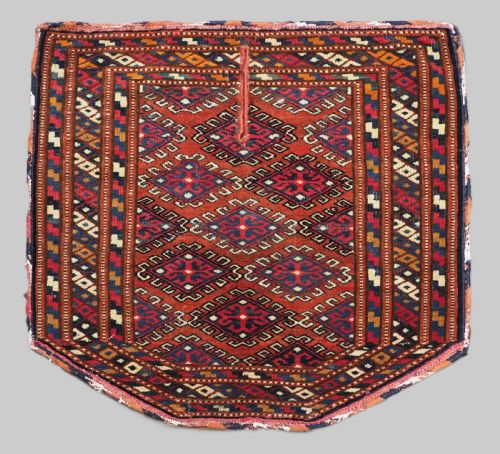
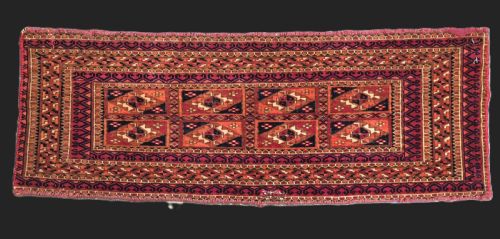
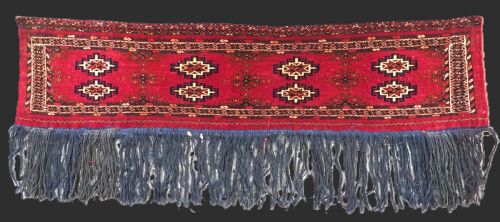
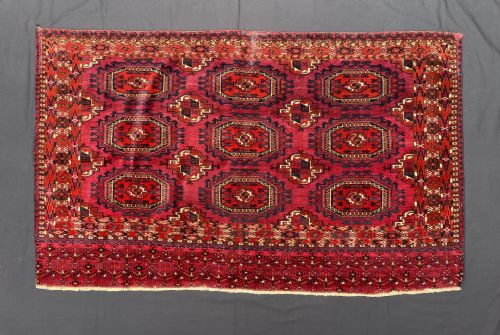
The most common examples you meet on this page are torba faces, chuval faces, and tribal kap pieces dating from the nineteenth century. These formats were originally woven as storage bags for tents and nomadic transport before finding a second life as decorative wall art. They generally feature structured medallion patterns known as guls arranged across a dark red or crimson ground.
Originating across the Trans-Caspian steppes and Afghanistan, these tribal textiles reflect the traditional weaving heritage of pastoral societies. The forms span the period from the mid-nineteenth century up to around nineteen hundred, offering distinct tribal designs that vary by region. Each piece represents a tangible link to the nomadic lifestyle of Central Asia.
How they were made
These textiles rely entirely on wool and hand-spun wool for their construction, yielding a dense and resilient pile or flatweave surface. Weavers utilised natural dyes to achieve the deep crimson and madder tones that characterise the grounds of these tribal weavings. This combination of local materials and traditional dyeing methods produced textiles designed to endure the rigours of nomadic existence.
The construction involves meticulous hand-knotting or weaving techniques passed down through generations within specific tribal groups. Artisans constructed torba and chuval faces with durable wool foundations to support the intricate geometric drawing of the guls. The survival of these pieces demonstrates the high standard of craftsmanship inherent in nineteenth-century tribal workshops.
Crimson Wool Wall Hanging Retail Price Guide 2026
Typical asking prices for crimson wool wall hanging among the pieces listed under this phrase on Sellingantiques today, from the lower quarter to the upper quarter. They describe what is for sale here now, not the wider market.
Nomadic weavers packed their worldly belongings into these very bags before they found new life as wall art.
What varies in quality
Quality in these tribal textiles rests primarily on the depth and saturation of the natural dyes, alongside the precision of the drawing. Superior examples exhibit vibrant, varied crimson tones and sharply defined gul motifs that demonstrate exceptional artisanal control. Weaker pieces often display duller palettes and less disciplined geometry in the pattern arrangement.
The integrity of the remaining wool pile and the presence of original backs or borders further distinguish finer items. Pieces that retain their structural form with minimal restoration command greater appreciation among collectors of Central Asian textiles. The overall visual impact depends on the harmonious balance between the field colour and the secondary tribal ornaments.
The Crimson Wool Wall Hanging Glossary
- Torba
- A small storage bag produced by Turkmen tribes, often displayed today as a hanging. These items traditionally hung inside a yurt to hold small domestic possessions.
- Chuval
- A large tent bag made by nomadic weavers for household storage. Their wide rectangular format translates particularly well to modern wall display.
- Gul
- A medallion or repeating floral motif used extensively in Turkmen carpet and textile design. Each tribal group utilised distinct gul patterns to signal their specific lineage and origin.
- Kap
- A small nomadic bag or pouch used for transport and storage across the Central Asian steppes. They share the robust wool construction and rich red palette typical of the region.
- Natural Dyes
- Colourants derived from plants, insects, and minerals rather than synthetic compounds. These materials yield the shifting, nuanced crimson shades seen in nineteenth-century tribal weaving.
Crimson Wool Wall Hanging: Frequently Asked Questions
How do I hang a textile safely?
Mounting a textile requires spreading the weight evenly across the entire upper edge to prevent distortion of the wool foundation. Using a cotton sleeve stitched to the reverse allows a concealed wooden batten to support the piece securely against the wall.
Avoid direct nails or clips that pinch the fabric and weaken the historical fibres. Keeping the hanging away from direct sunlight preserves the natural crimson dyes over time.
How do I tell Tekke and Yomut pieces apart?
Tekke weavings generally feature precise, repeated octagonal guls arranged in strict rows across a deep crimson field. Their drawing tends towards geometric symmetry and fine knotting.
Yomut pieces often incorporate alternative border designs and more varied secondary motifs, reflecting a different tribal tradition. Examining the specific structure of the guls helps identify the originating group.
What is a gul motif?
A gul is a medallion pattern used as the primary design element in Central Asian tribal rugs and bags. The word derives from the Persian term for flower or rose.
Different tribes, such as the Salor or Tekke, employed specific gul variations to denote their clan identity. These motifs anchor the visual composition of the crimson field.
How should I clean a wool hanging?
Gentle surface dust removal using a soft brush or low-suction vacuum with a mesh screen protects the fragile wool fibres. Professional textile conservators should handle any deep cleaning to prevent dye bleeding or shrinkage.
Water and household detergents can permanently damage the natural dyes and hand-spun wool foundation. Regular inspection keeps the textile free from environmental dust accumulation.