




Cream Wool Textile
Cream wool textile pieces are historic woven and needleworked works of art that bring texture and rich colour to an interior.
Cream Wool Textile
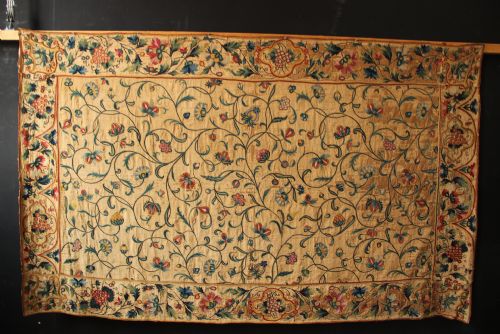
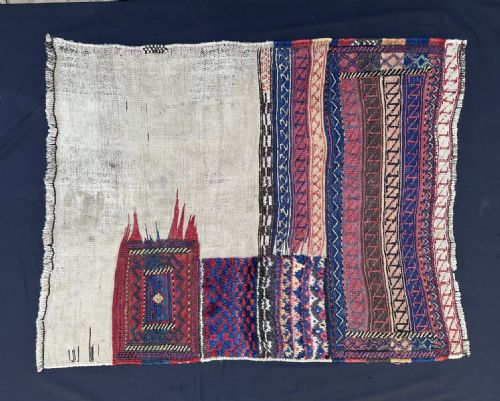
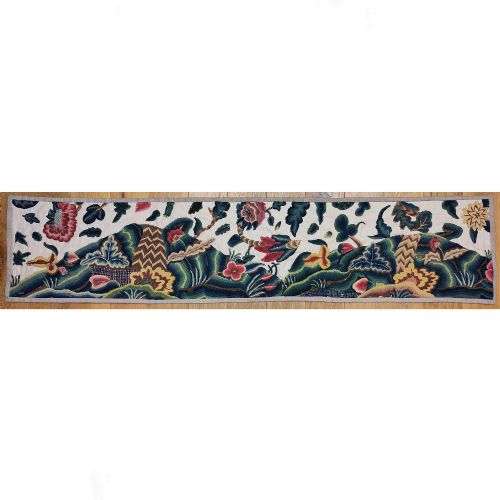
When you search for cream wool textile, you encounter a diverse selection of historic floor coverings, wall hangings, and functional domestic items. These pieces span from seventeenth-century English crewelwork panels to nineteenth-century Persian nomadic bags and covers.
The most common examples on this page are tribal weavings from Persia and Central Asia, alongside European needlework and tapestries. They range from small utilitarian bread sopfrehs and water-pipe bags to large tent bands and coverlets.
Materials and construction
The pieces rely primarily on wool, often hand-spun, combined with natural dyes to create enduring colour and pattern. Cotton, linen, canvas, silk, and goat hair also appear as foundational warps or supplementary elements.
Techniques vary from tribal knotting and flatweaving to intricate needlepoint, crewelwork embroidery, and tapestries. Artisans utilised local materials suited to their region, whether working in European workshops or nomadic encampments.
Materials documented across the page include hand-spun wool, cotton, linen, silk, canvas, goat hair, and natural dyes.
Distinctions in quality
Quality rests upon the fineness of the spin, the complexity of the design, and the integrity of the execution. Pieces described as super fine display a remarkable density of stitch or knot that elevates them above standard domestic work.
The handling of natural dyes and the preservation of original structure also distinguish finer examples. Master weavers and skilled needleworkers achieved a harmony of proportion and tonal depth that marks the upper tier of the range.
Mohtasham Kashan
The Cream Wool Textile Glossary
- Sofreh
- A Persian flatwoven or piled spread used for handling bread or food. These textiles combine utility with striking geometric tribal designs.
- Tacheh
- A nomadic wool container or wheat sack from western Persia. They are prized for their expressive tribal patterns and robust construction.
- Kilim
- A flatwoven carpet or rug made without a pile. Central Asian and Persian examples utilise slit-weave techniques to create sharp geometric designs.
- Gros point
- A needlepoint stitch worked on canvas using a coarse thread. It produces a durable, textured surface suitable for pictorial panels and furnishings.
Cream Wool Textile: Frequently Asked Questions
How do I clean a historic textile?
Historic textiles require specialist conservation rather than standard washing methods. Gentle surface dusting is usually the limit of safe home maintenance.
Professional textile conservators should handle any deeper cleaning to protect fragile wool fibres and natural dyes from damage.
Where were nomadic bags used?
Tribal groups in Persia and Central Asia utilised bags and covers for transport and storage within tents and settlements. Items like bread sofrehs and water-pipe bags served daily domestic functions.
Over time, these functional objects became recognised for their sophisticated artistic merit and regional design variations.
How do I hang a textile on the wall?
Mounting a textile safely involves distributing the weight evenly across the entire upper edge. Sewing a cotton sleeve to the back and sliding a padded baton through it is a standard method.
Avoid direct piercing with nails or pins, as this stresses the historic wool and canvas structure.
What is the difference between crewelwork and needlepoint?
Crewelwork involves embroidery using wool yarn on a woven fabric ground, traditionally producing curving botanical motifs. Needlepoint works stitches through a stiff canvas grid to cover the entire ground in geometric or pictorial designs.
Both techniques create durable surfaces, but their visual textures and historical origins differ significantly.