




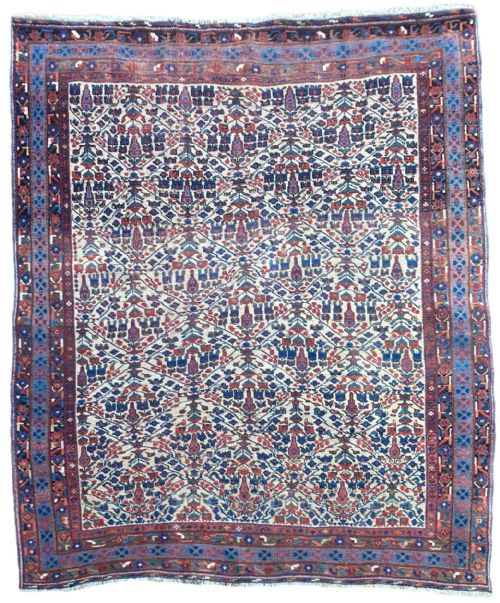


Cream Tribal Rug Runner
When you search for a cream tribal rug runner, you encounter hand-woven village and nomadic floor coverings shaped by traditional cultures.
Cream Tribal Rug Runner
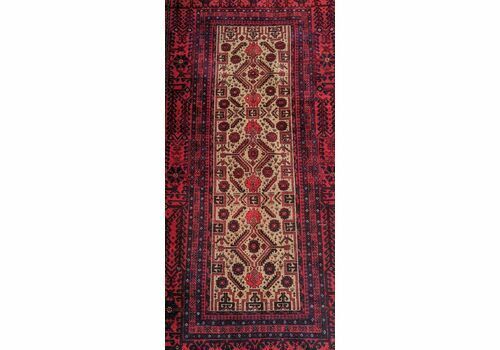
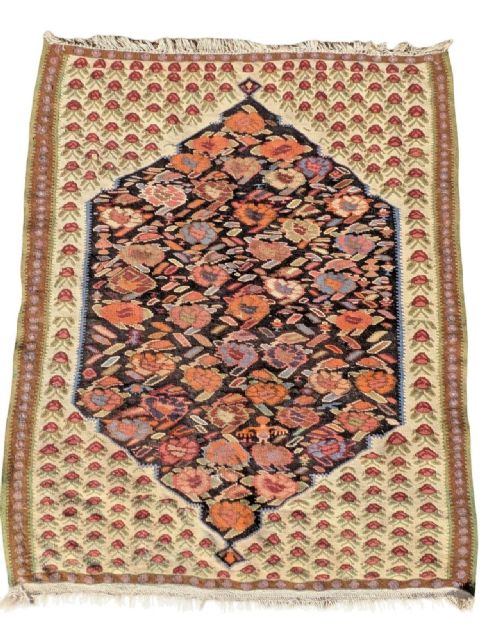
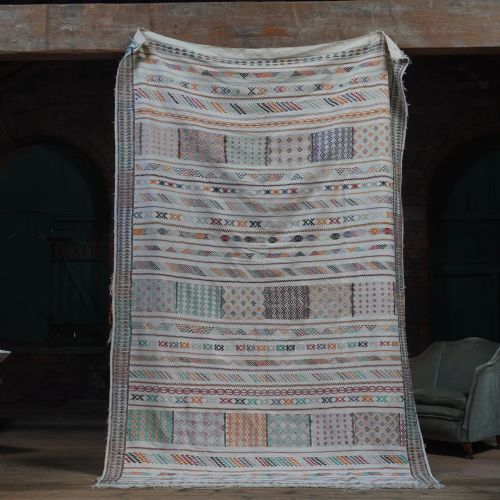
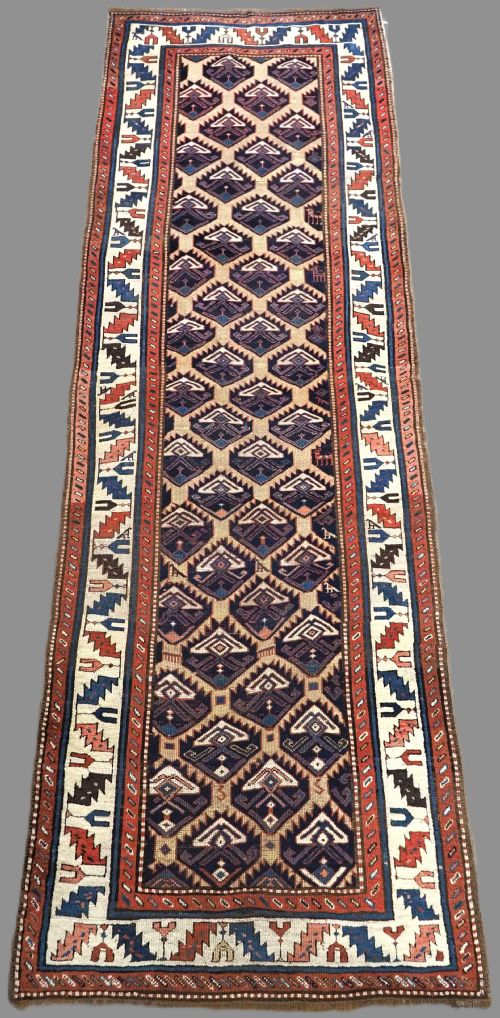
A cream tribal rug runner brings together elongated formats and nomadic or village weaving traditions from Persia, the Caucasus, Turkey, and Central Asia. When you search for a cream tribal rug runner, you meet pieces originating from groups such as the Bakhtiar, Afshar, Kurdish, and Turkmen tribes, spanning periods from the mid-nineteenth century through the early twentieth century.
These textiles function primarily as corridor carpets, hallway runners, and long floor coverings designed for heavy domestic use in pastoral or village settings. The palette frequently incorporates neutral or ivory grounds that highlight geometric medallions, lattice patterns, and animal motifs.
Varieties range from narrow Hamadan and Sarab runners to Caucasian Gendje pieces and Anatolian village rugs. Each piece reflects the specific regional motifs and weaving structures handed down through generations of tribal makers.
Materials and Construction
The construction relies heavily on hand-spun wool and cotton foundations, utilising natural dyes derived from local plants and minerals to achieve stable, deep tones. Certain Moroccan variants incorporate sabra fibre and cactus silk for distinct texture.
Weavers employ traditional hand-knotting and flat-weaving techniques on vertical or horizontal looms. The resulting pile and flatweave structures provide durability and distinct tactile qualities characteristic of nomadic textile traditions.
Listings span periods from the mid-nineteenth century to the 1930s, featuring wool, cotton, and natural dyes across Persian and Caucasian forms.
Judging Quality and Execution
Knot density and structural tightness dictate the longevity and definition of the design across these runners. Finer examples display precise execution of geometric layouts and balanced proportions in the border systems.
The choice of materials and the depth of natural dyes influence the visual stability of the piece over time. Tightly spun wool and well-fixed colour separation distinguish superior village and nomadic output from standard utilitarian work.
The Cream Tribal Rug Runner Glossary
- Kilim
- A flat-woven carpet or rug produced without a pile. These pieces rely on interlocking weft threads to create sharp geometric patterns.
- Sofreh
- A ceremonial woven spread or cloth used for sharing meals or preparing bread in nomadic households. They often feature symbolic tribal iconography.
- Runner
- A long, narrow carpet format designed specifically for corridors, hallways, and staircases. They balance linear space with rhythmic border designs.
- Natural Dyes
- Colourants extracted from plants, insects, and minerals before the advent of synthetic alternatives. They yield rich hues that develop patina with age.
- Safid
- A term denoting white or pale ground coloration in specific Central Asian flat-weaves. These backgrounds emphasise contrasting geometric motifs.
Cream Tribal Rug Runner: Frequently Asked Questions
Where were these runners originally used?
Nomadic tribes and village communities placed these runners inside tents, pastoral dwellings, and permanent village houses to insulate floors and delineate living spaces.
Their elongated formats suited narrow areas like entryways, hallways, and large multi-purpose rooms within traditional dwellings.
How do I care for an old wool runner?
Gentle vacuuming without a beater bar removes surface dust while protecting the hand-spun wool pile and foundation threads from undue stress.
Professional specialist cleaning is recommended for addressing deeper soiling to preserve the integrity of natural dye stuffs.
What defines tribal rug designs?
Tribal designs rely on geometric motifs, stylised floral elements, and repeating lattice patterns passed down within specific weaving communities.
Unlike urban workshop carpets, these patterns reflect local folklore, regional identities, and the individual expression of the weaver.
How can I distinguish regional styles?
Specific knotting structures, colour palettes, and characteristic border arrangements point directly to the geographic origins of the weavers.
Examining the side-cords, end finishes, and wool quality helps differentiate between Caucasian, Persian, and Anatolian village production.