


Cream Porcelain Dish
A cream porcelain dish brings a quiet, tactile elegance to a table, combining subtle glazes and delicate forms across centuries of craftsmanship.

Cream Porcelain Dish
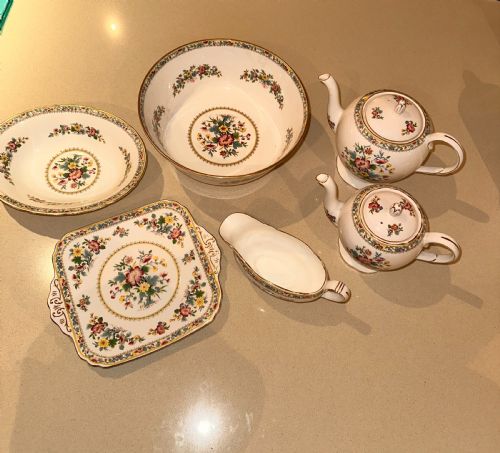
When you search for a cream porcelain dish, you enter a diverse category of ceramic tableware, decorative plates, service pieces, and centrepieces spanning the Georgian, Victorian, and Edwardian eras alongside Japanese Meiji periods.
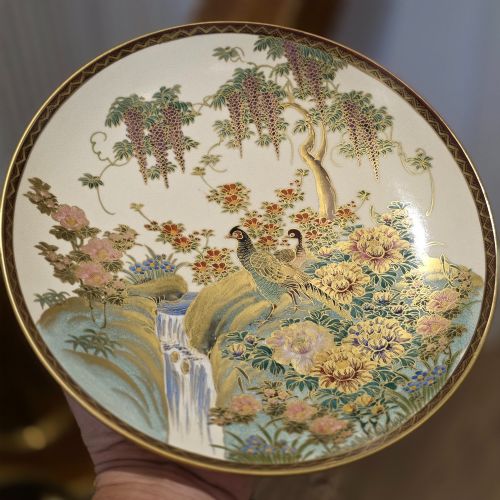
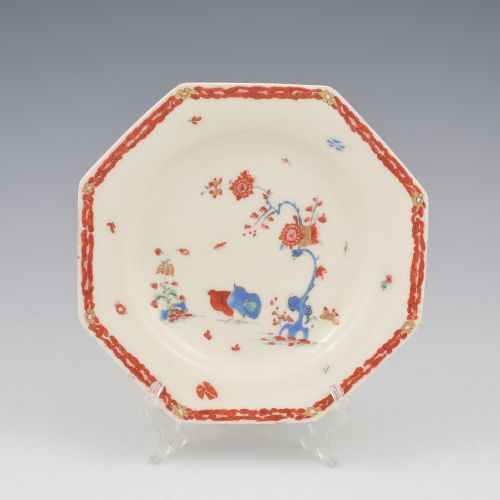
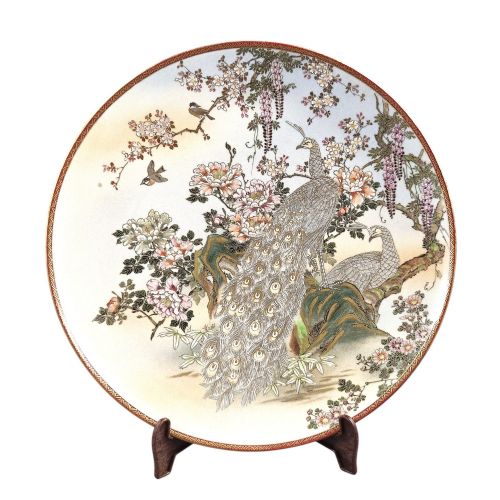
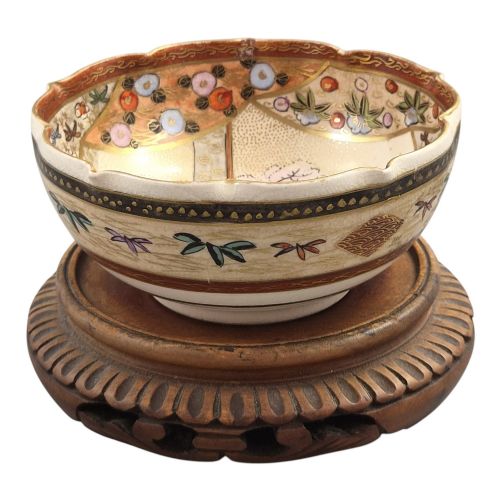
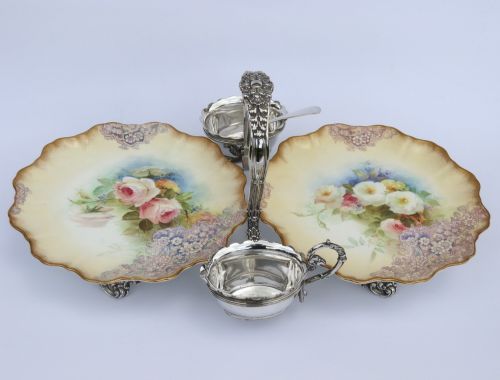
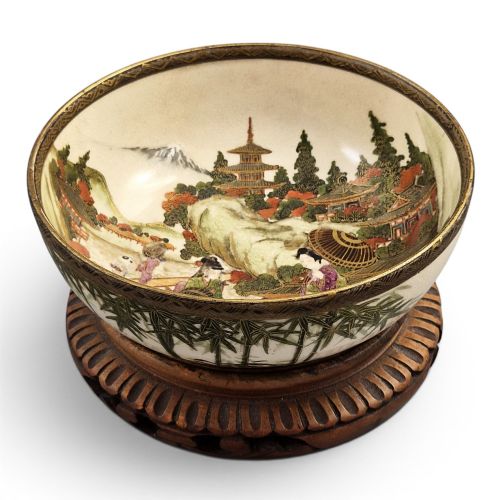
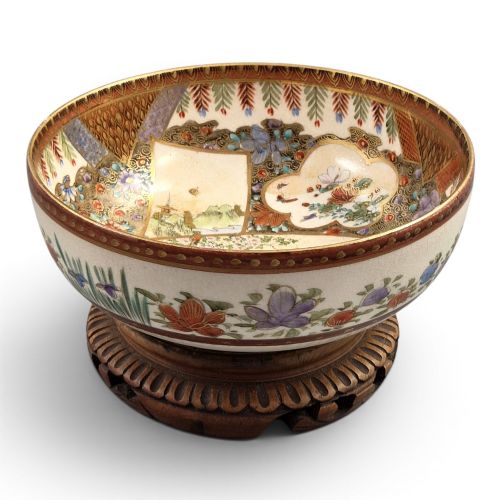
The selections on this page range from hand-painted English cabinet plates and dessert services by makers such as Mintons, Wedgwood, and Royal Worcester to Japanese Satsuma and Kutani chargers featuring intricate floral and figural motifs.
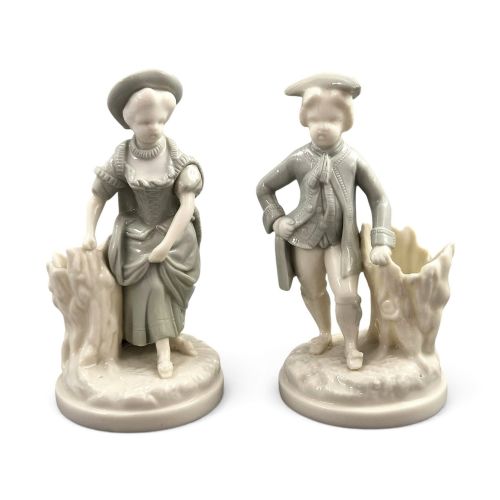
You will encounter specialised serving vessels, including sauce tureens, salt cellars, ribbon dishes, and vide poche bowls, reflecting both European refinement and Meiji period artistry.
How they were made
The pieces in these listings utilise traditional ceramic and porcelain bodies, frequently enriched with delicate enamel paints, raised moriage decoration, and touches of gold leaf or gilding.
Makers employed meticulous hand-painting techniques to apply botanical studies, courting scenes, and Japanese deities, often pairing fine porcelain with silver-plated mounts or wooden elements.
Materials across the selection include fine porcelain, earthenware, pearlware, enamel, gold leaf, and wood.
What varies in quality
Quality rests upon the precision of the hand-painting, the finesse of the porcelain body, and the complexity of the decorative scheme, such as dense gilding or finely controlled moriage work.
Signed studio pieces and works attributed to established potteries and renowned artists command attention through superior composition and preservation of delicate surface details.
Royal Worcester·Doulton Burslem·Mintons·Wedgwood·Royal Dux·Limoges
The Cream Porcelain Dish Glossary
- Pearlware
- A fine earthenware developed in the late eighteenth century featuring a subtle bluish glaze that pooled in recesses to mimic Chinese porcelain. It forms the foundation for many early botanical service items.
- Moriage
- A Japanese ceramic technique using slip trailed from a pastry bag to build up raised decorative dots and lines before glazing and firing. It frequently appears on Satsuma bowls and chargers.
- Vide poche
- French for empty pocket, this small decorative dish or tray serves as a receptacle for coins, keys, or jewellery. Art Nouveau examples often incorporate natural shell forms and figures.
- Cabinet plate
- A decorative ceramic plate intended for display in a cabinet or on a wall rather than for dining. These pieces typically showcase elaborate painted scenes and gilt borders.
- Salt cellar
- A small open vessel placed on the table to hold salt before the advent of individual shakers. Nineteenth-century examples often take sculptural, figural forms in porcelain.
Cream Porcelain Dish: Frequently Asked Questions
How do I care for antique porcelain?
Wash porcelain pieces gently by hand using lukewarm water and mild soap, avoiding dishwashers and harsh abrasives.
Keep gilt and hand-painted surfaces away from prolonged direct sunlight to preserve the colours over time.
Were these dishes meant for daily use?
Many items, such as cabinet plates and centrepieces, served purely decorative functions in period homes.
Dinner services and sauce tureens were built for dining, though surviving antique examples are now handled with greater care.
What is the difference between a charger and a plate?
Chargers are significantly larger decorative plates, historically used underneath service courses or displayed upright on sideboards.
Standard plates are smaller and generally designed as part of a matching tableware service.