
Antique Reticulated Dish
An antique reticulated dish brings pierced openwork craftsmanship to the table, combining delicate ceramic or silver forms with functional elegance.

Antique Reticulated Dish
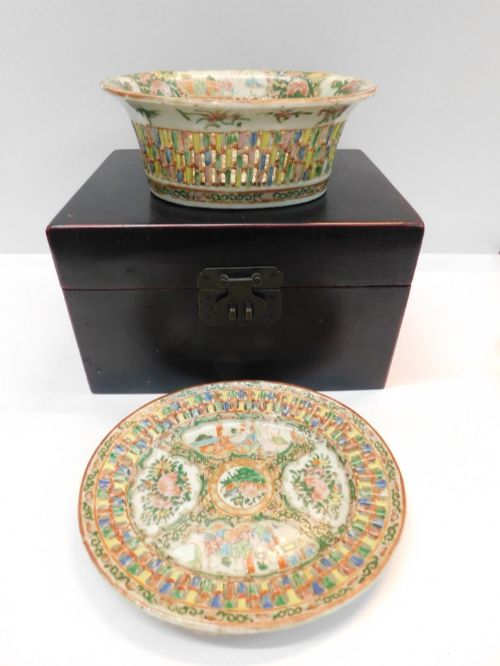
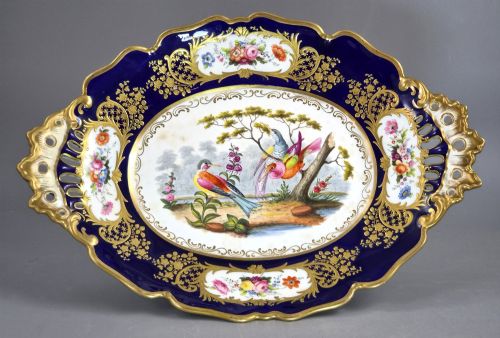
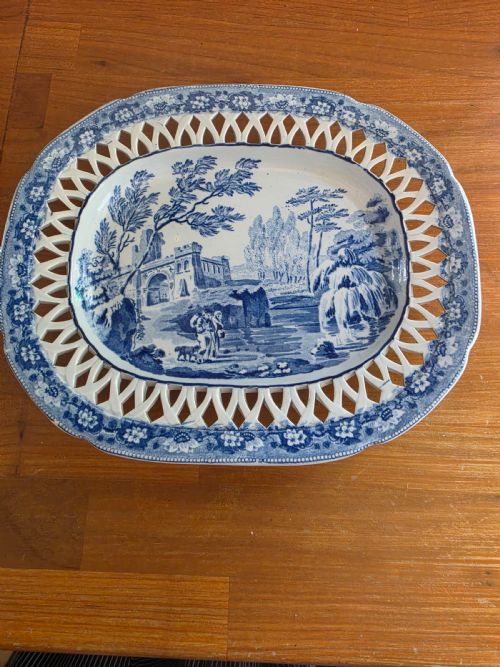
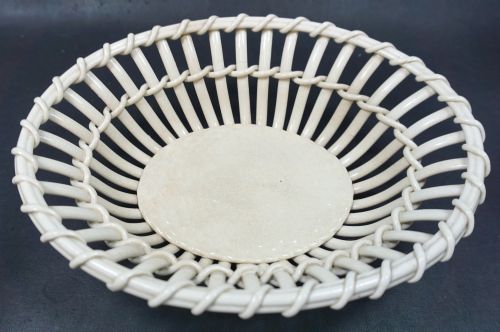
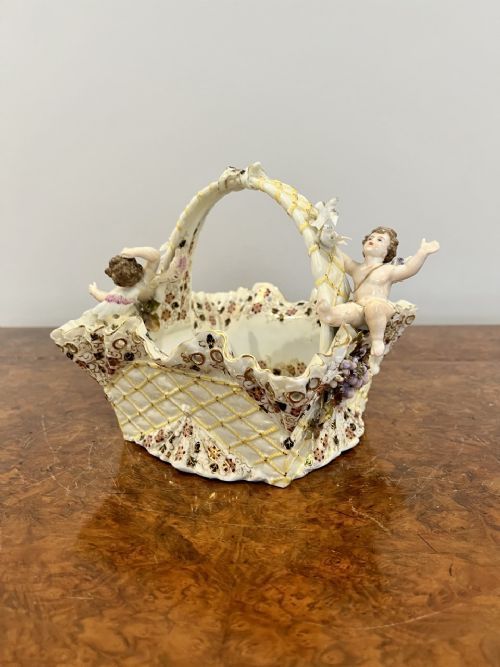
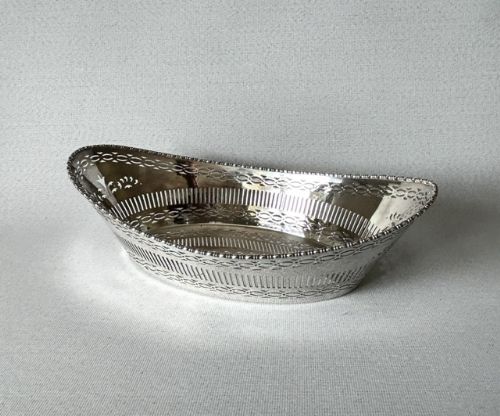
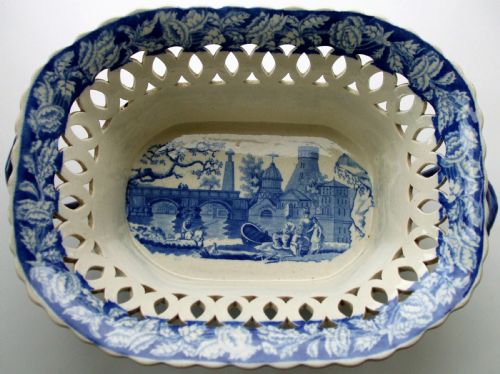
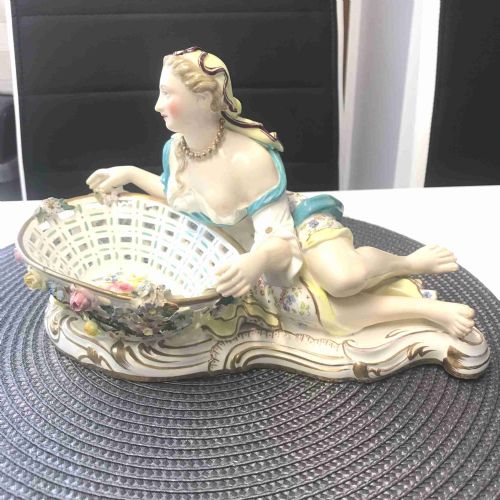
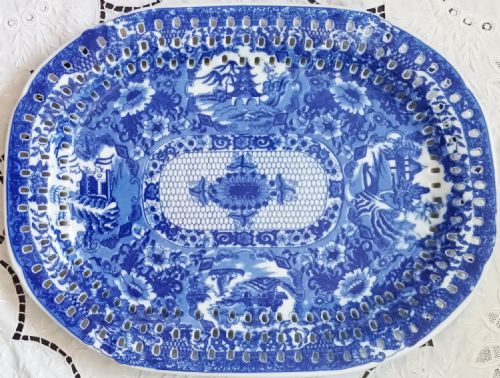
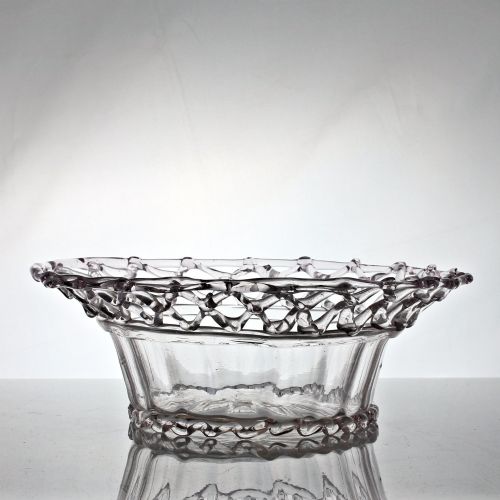
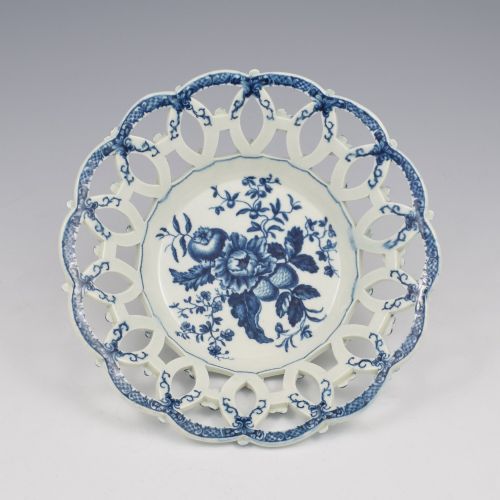
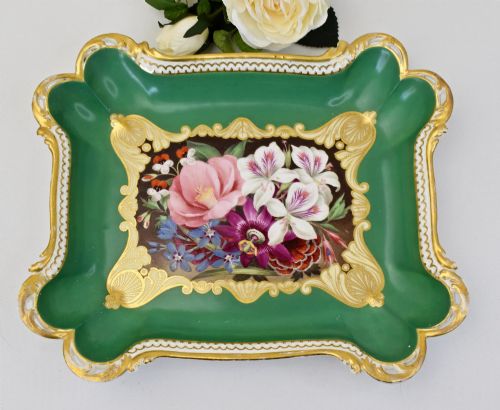
An antique reticulated dish refers to ornamental vessels, baskets, plates, and platters featuring pierced, fretted, or lattice-work patterns. These pieces emerge from periods spanning the eighteenth, nineteenth, and early twentieth centuries.
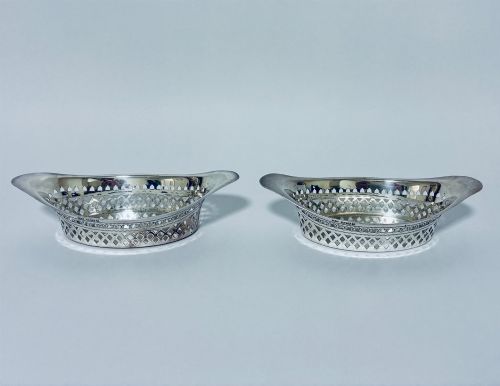
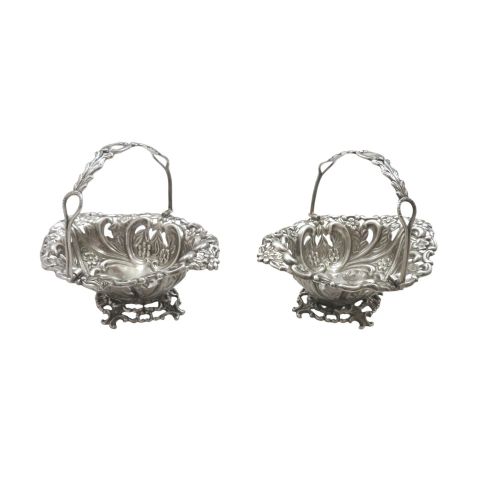
The selections on this page encompass various forms including chestnut baskets, bonbon dishes, centrepieces, and serving platters. Makers utilise materials ranging from porcelain and earthenware to sterling silver and silver plate.
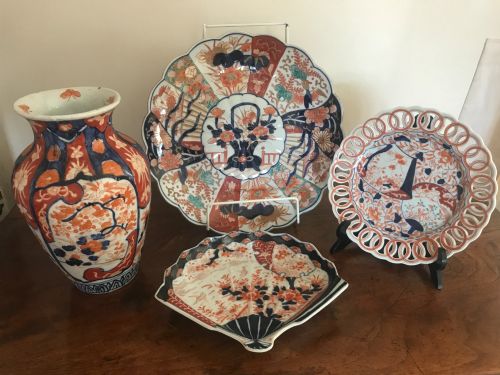
Originating across England, Germany, China, Japan, and Belgium, these items display styles from Georgian and Victorian to Japanese Imari and Rococo Revival. Buyers find both intricate ceramic piercing and delicate metal openwork in these listings.
How They Were Made
Ceramic pieces rely on meticulous piercing of clay bodies before firing, often combined with hand-painted glazes, transfer printing, or applied floral details. Porcelain and earthenware bodies require careful shaping to maintain structural integrity during kiln firing.
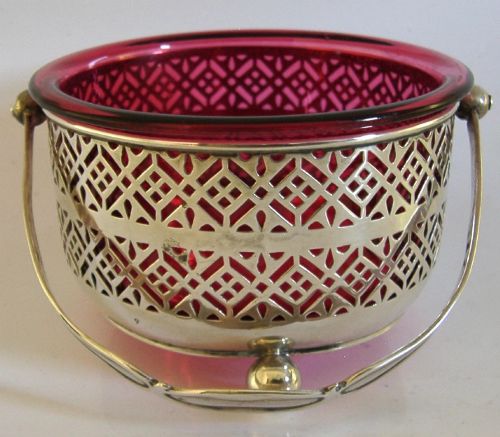
Silver and silver-plated items involve piercing sheet metal or casting frames with lattice patterns, frequently paired with fitted glass liners in colours like cranberry or cobalt blue. Goldsmiths and silversmiths solder components together and apply polished finishes to handles and rims.
Listings feature porcelain, earthenware, sterling silver, and silver plate across Georgian, Victorian, and Edwardian periods.
What Varies in Quality
The refinement of the piercing dictates visual success, separating sharply cut lattices from softer, blunter openings. Crispness in moulded ceramic basketweave or detailed metal openwork demonstrates superior craftsmanship.
Painting and glazing execution also differentiates pieces, particularly on porcelain where hand-painted birds, figures, or floral sprays require skilled brushwork. The integration of components, such as secure swing handles and unblemished glass liners, marks higher production standards.
Coalport·Davenport·J. & R. Clews·Meissen·Doe & Rogers·Mappin & Webb·Furstenberg·Minton·Royal Vienna·Schierholz·Fenton·Walker & Hall·Zsolnay Pecs·Dresden·Atkin Brothers
The Antique Reticulated Dish Glossary
- Reticulated
- Describes an openwork pattern resembling a net or lattice, created by piercing material before firing or cutting metal.
- Pierced
- Formed by cutting through the body of ceramic or metal to create decorative negative space.
- Cranberry glass
- A rich red glass coloured with gold chloride, often used for liners in silver baskets.
- Imari
- A style of Japanese porcelain decorated in underglaze blue and overglaze red, gold, and green.
- Famille rose
- A palette of opaque enamel colours dominated by pink, used on Chinese porcelain during the Qing dynasty.
Antique Reticulated Dish: Frequently Asked Questions
What is an antique reticulated dish used for?
These pieces served practical and decorative purposes in historic dining rooms, holding fruit, bread, chestnuts, or sweets.
Today, collectors utilise them as table centrepieces or display items to highlight period craftsmanship.
How do I clean silver plated baskets?
Gentle washing with warm water and mild soap preserves the delicate plated surfaces and applied decorative elements.
Harsh chemical dips and abrasive cloths damage the thin silver layer over base metals.
Are glass liners original?
Many silver baskets feature removable glass liners in cobalt blue or cranberry glass designed to hold moist foods.
Matching the colour and shape to the period helps confirm whether a liner matches the original mount.
How do I date porcelain openwork?
Examination of factory marks, glaze characteristics, and potting styles assists in determining the manufacturing era.
18th-century pieces often display distinct paste variations compared to Victorian or Edwardian equivalents.