

Cream Persian Carpet
A cream persian carpet brings warmth and traditional depth to a room through centuries of weaving heritage.
Cream Persian Carpet
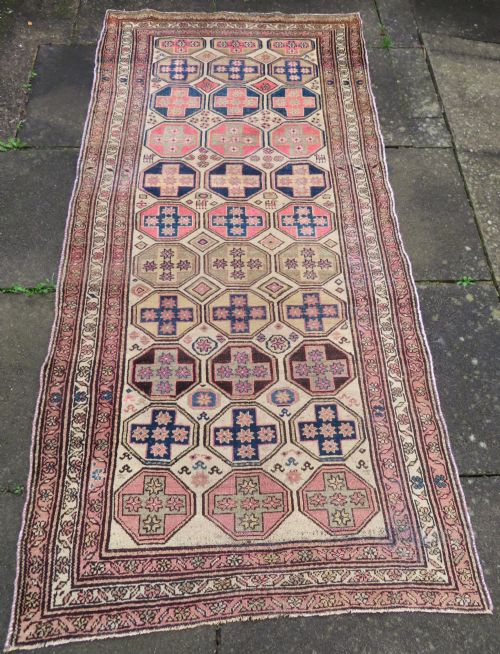
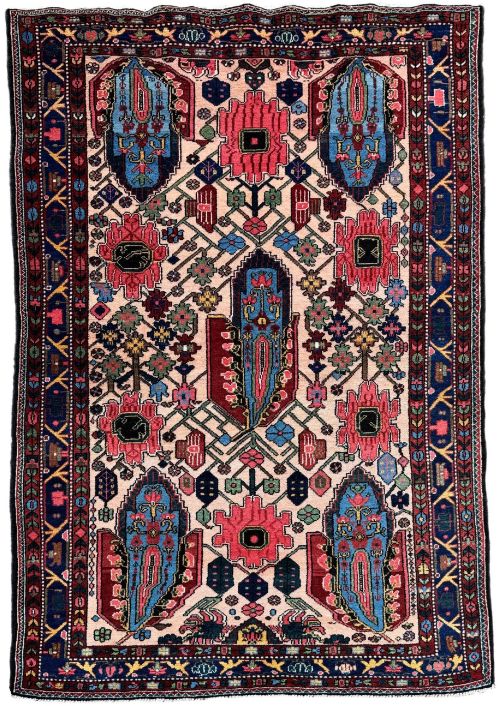
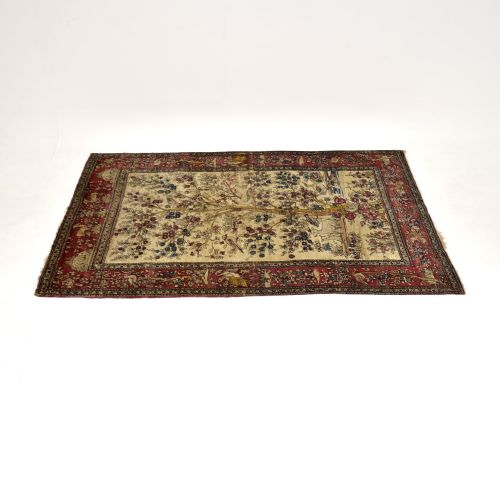
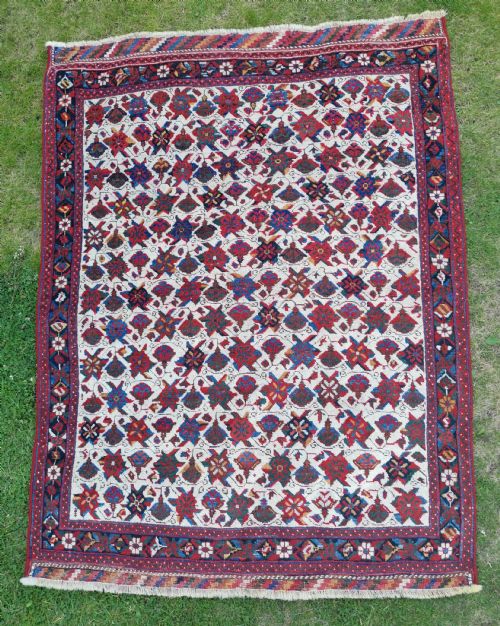
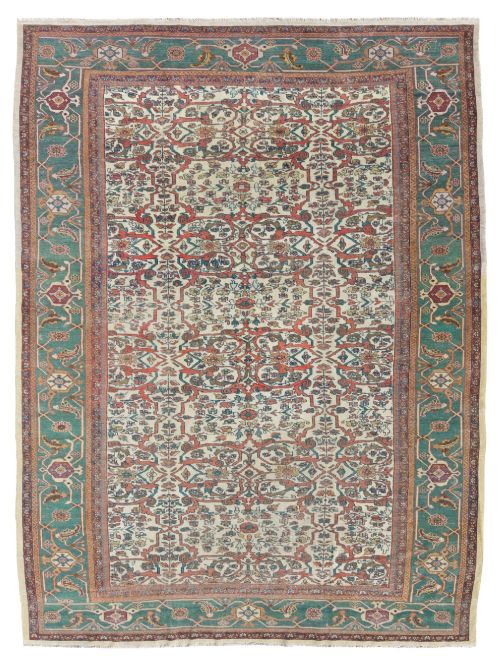
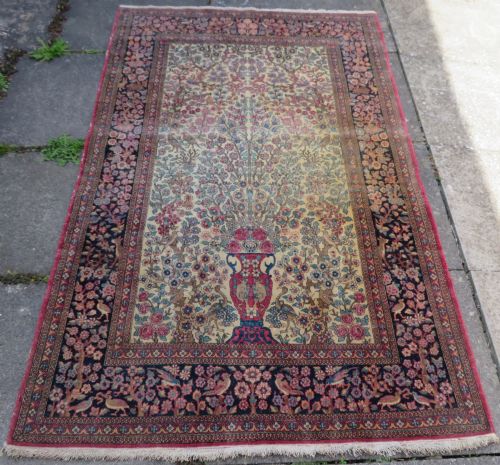
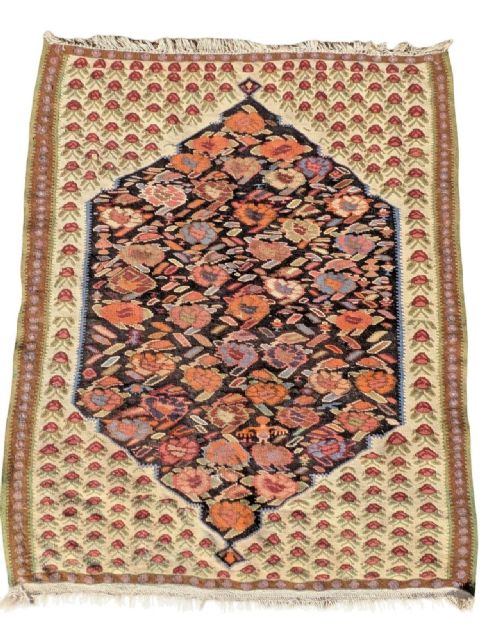
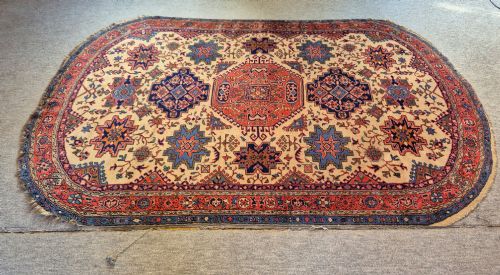
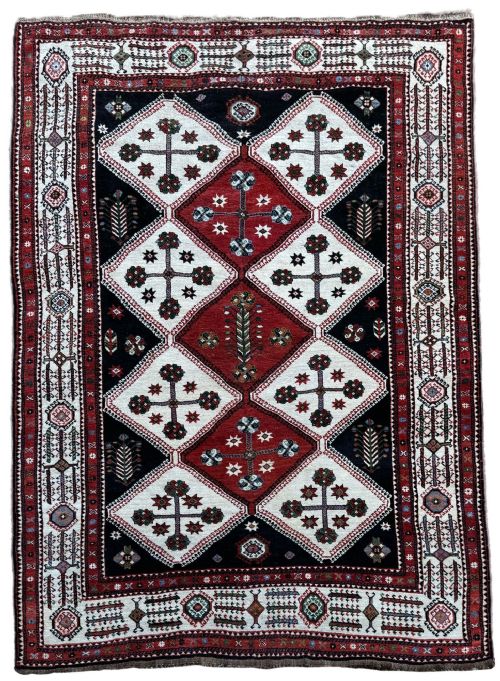
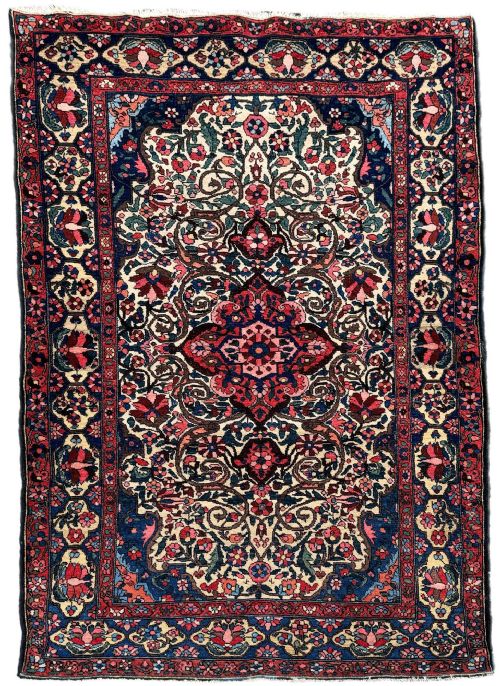
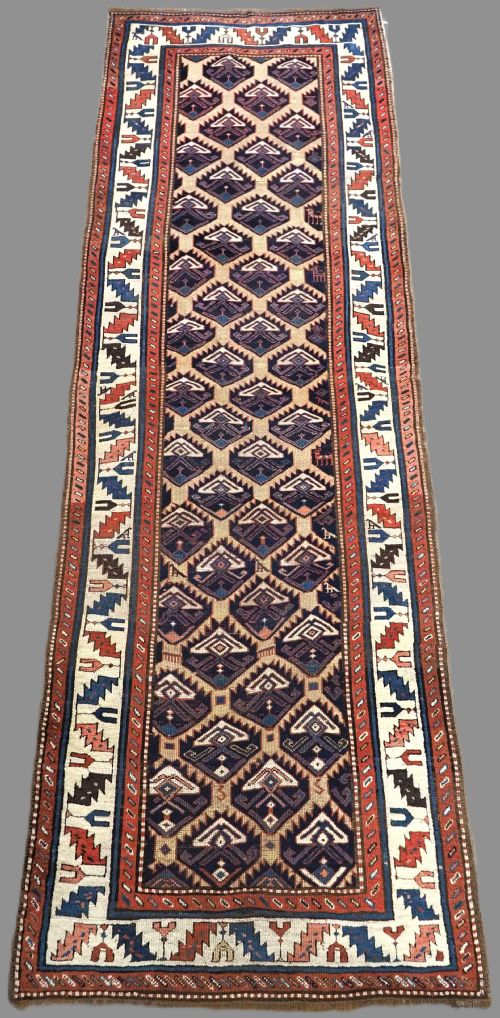
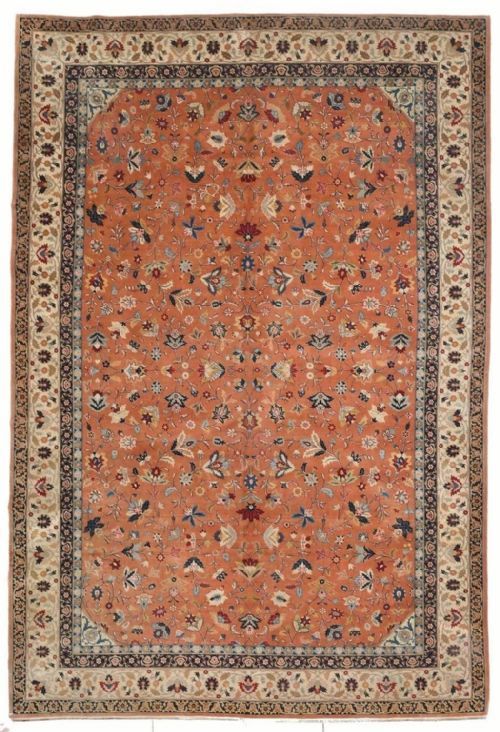
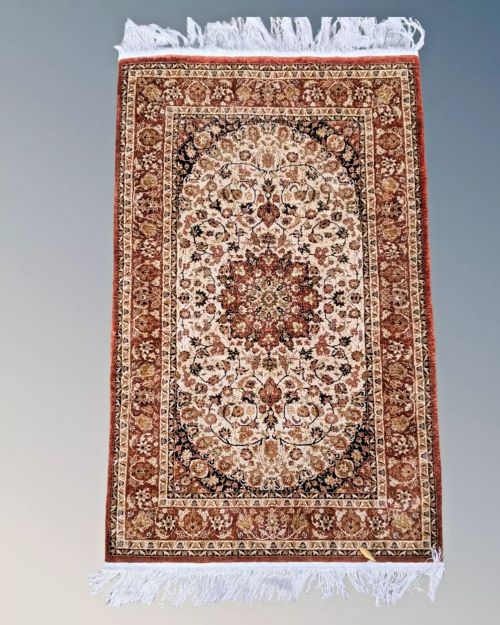
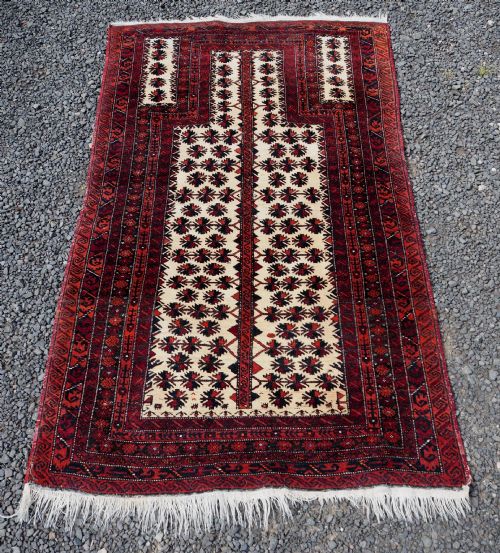
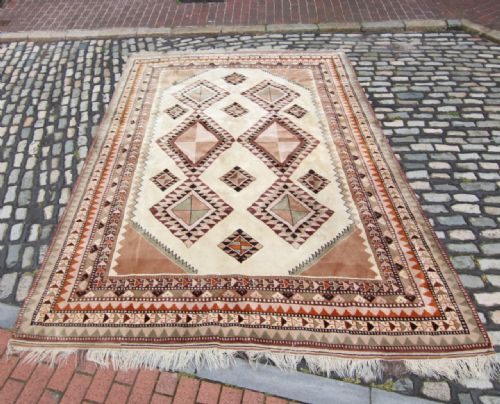
A cream persian carpet is a floor covering originating from various regions of Persia, defined by light neutral grounds and intricate traditional motifs. These pieces span the nineteenth and early twentieth centuries, including examples from Heriz, Mahal, Malayer, Tabriz, Sarouk, Kolyai, Kirman Laver, and Farahan.
The version most commonly encountered on this page is an antique wool rug or larger area carpet displaying village or town weaving traditions. They feature ivory or cream fields that serve as a bright backdrop for complex floral or geometric designs.
Buyers seek these carpets to anchor a space with authentic historical texture and a softer palette than deeply saturated reds and blues. The regional variations offer distinct knotting densities and visual structures, from bold geometric village work to finely detailed city compositions.
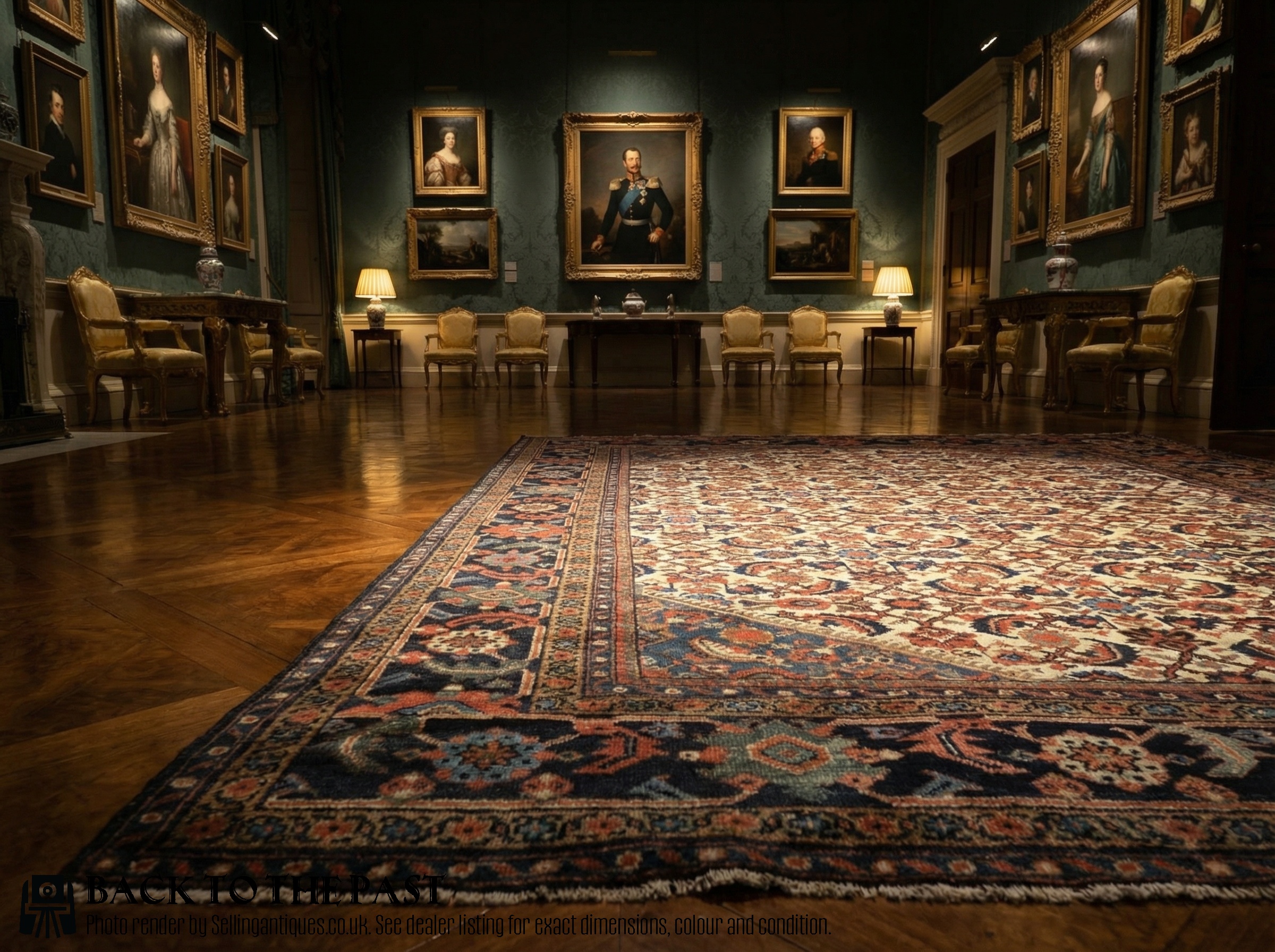
How they were made
These carpets are constructed using natural materials, predominantly utilising wool for the pile and cotton for the foundational warp and weft threads. Hand-weaving techniques ensure durable construction that withstands generations of use.
Dyers utilised natural organic materials to colour the wool, creating the nuanced shades of ivory and cream seen on the ground fields alongside contrasting tones in the motifs. Hand-spun wool varies slightly in texture, absorbing dye with subtle tonal shifts across the surface.
Cream Persian Carpet Retail Price Guide 2026
Typical asking prices for cream persian carpet among the pieces listed under this phrase on Sellingantiques today, from the lower quarter to the upper quarter. They describe what is for sale here now, not the wider market.
Some village weavers hid small intentional imperfections in their geometric patterns to ward off the evil eye.
What varies in quality
Quality in these carpets rests on the fineness of the knotting and the precision of the design execution. City workshops like Tabriz often demonstrate higher knot densities and intricate curvilinear precision, whereas village pieces like Malayer or Kolyai showcase charmingly idiosyncratic geometric interpretations.
The handled weight of the wool and the crispness of the secondary colours against the cream ground dictate the visual strength of the piece. A superior carpet maintains structural integrity in the foundation while retaining supple drape and deep pile nuance.
The Cream Persian Carpet Glossary
- Warp
- The vertical threads stretched across the loom that form the foundational skeleton of the carpet. Fringe ends typically emerge from these parallel strands.
- Weft
- The horizontal threads passed alternately through the warp threads to secure the rows of knots. They contribute to the structural firmness of the weave.
- Pile
- The vertical or diagonal cut ends of the knotted yarn that form the usable surface of the carpet. The height and density of this layer define the tactile feel.
- Boteh
- A traditional almond-shaped or paisley motif representing a floral spray or cypress tree. This ancient symbol appears frequently in village and tribal weaving.
- Ground
- The main background colour field of the carpet, which in these examples is predominantly ivory or cream. It provides the visual negative space against which medallions and borders stand.
Cream Persian Carpet: Frequently Asked Questions
How do I clean a cream persian carpet?
Professional specialist cleaning is essential for antique wool and cotton carpets to preserve natural lanolin and prevent dye bleeding. Regular gentle vacuuming without a beater bar removes surface dust safely.
Avoid household chemical treatments or excessive moisture, which can weaken old cotton foundations and alter delicate wool pile tones.
Can I place these carpets in high traffic areas?
Traditional wool carpets from nineteenth and early twentieth century Persia were built for durability and handle regular foot traffic well. Placing a quality underlay beneath the carpet cushions the fibres and prevents sliding.
Village pieces like Kolyai and Malayer use robust wool that ages gracefully under normal household use.
How do I identify a village rug from a city rug?
Village rugs often display bolder, more geometric motifs and memory-driven designs created outside formal workshops. They tend to have coarser knotting and heavier wool.
City carpets feature finer curvilinear floral patterns with higher knot densities, reflecting structured workshop production in centres like Tabriz or Kirman.