



Cream Paper Engraving Print
Cream paper engraving print selections offer historical cartography, botanical studies and architectural plates spanning multiple centuries.
Cream Paper Engraving Print
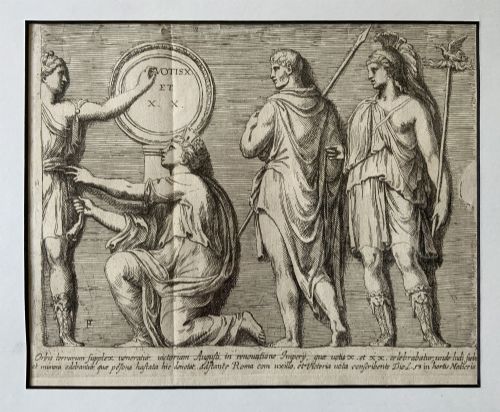
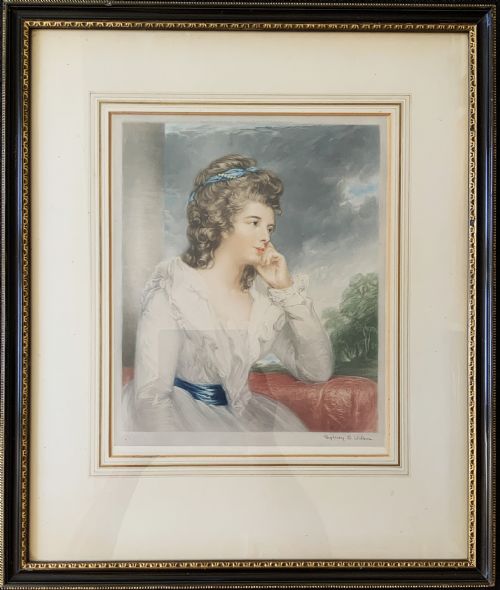
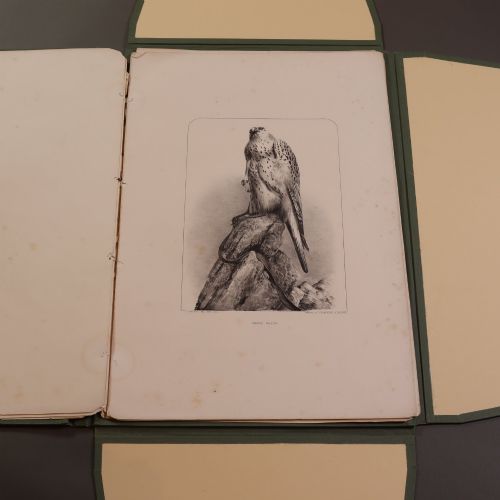
A cream paper engraving print represents historical visual culture captured through intaglio printing, lithography and aquatint processes on aged paper stock. These works include detailed cartography, architectural elevations of ancient temples, botanical studies and portraiture.
Buyers encountering this selection most frequently find framed and unframed sheets originating from the seventeenth, eighteenth and nineteenth centuries. The subjects range from regional maps of English counties and world cartography to classical Greek and Roman architectural engravings.
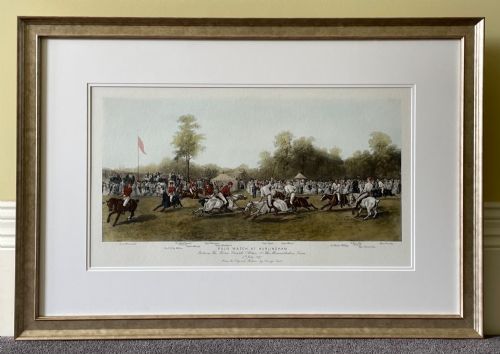
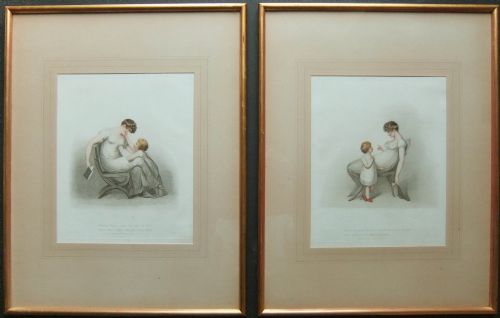
The aesthetic centres on the natural warm tone of the paper combined with monochrome or hand-coloured ink work. Pieces often arrive framed in wood with glass protection, occasionally featuring gold leaf or gilt accents.
Production Methods and Materials
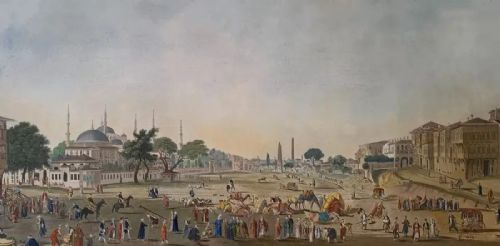
Makers utilised paper sheets inscribed with ink through copperplate engraving, stipple, mezzotint or lithographic techniques. Many examples incorporate hand watercolour application over the printed ink lines to add selective colour.
Protective framing utilises wood surrounds, glass panels and occasionally cloth mountings. Gilt or gold leaf details sometimes highlight the framing elements around the paper substrate.
Some seventeenth-century mapmakers filled blank ocean spaces with swimming sea monsters and elaborate sailing ships.
Evaluating Print Distinction
Quality rests upon the crispness of the ink impression and the depth of the plate mark left in the paper. Early strikes from copperplates retain finer architectural and cartographic detail than later impressions.
The preservation of the original paper tone and the precision of any contemporary hand colouring distinguish superior examples. Complete sets, such as multi-plate architectural series or botanical sequences, carry greater integrity than isolated sheets.
John Hancock·Robert Morden·John Curtis·Joan Blaeu·James Basire
The Cream Paper Engraving Print Glossary
- Engraving
- A printmaking process where an artist cuts lines directly into a copper plate using a sharp tool called a burin. The inked plate transfers the design under pressure to paper.
- Aquatint
- An intaglio printmaking technique that produces tonal areas resembling watercolour washes. It is often combined with line engraving to create multi-coloured prints.
- Cartography
- The study and practice of making maps. Antique cartographic plates record historical geographical boundaries and town plans.
- Mezzotint
- A monochrome printmaking method where the copper plate is roughened to produce dark tones and scraped to create highlights. This technique allows for subtle gradations of light and shade.
- Lithography
- A planographic printing method based on the repulsion of oil and water. Artists draw on limestone or metal plates to produce multiple impressions.
Cream Paper Engraving Print: Frequently Asked Questions
What is a cream paper engraving print?
These works are historical printed sheets on aged paper stock, produced via traditional techniques such as copperplate engraving, lithography and aquatint. They encompass subjects ranging from classical architecture and botany to regional cartography.
The paper develops a warm cream hue over the centuries, providing a distinct background for the monochrome or hand-coloured ink designs.
How were these prints used originally?
Plates served as illustrations within bound atlases, scientific folios, architectural surveys and standalone wall art. Owners frequently bound them into reference volumes or framed them for display in studies and libraries.
Cartographic prints documented shifting borders and town layouts, while architectural engravings preserved ancient structures from Athens and Rome for scholars.
How do I care for framed antique prints?
Keep framed pieces away from direct sunlight to prevent the fading of ink and the degradation of the paper stock. Maintain stable indoor humidity levels to protect both the paper and any wooden framing elements.
Ensure that framing uses conservation-grade materials that prevent acidic contact with the margins of the sheet.
How can I tell the period of a print?
Dating relies on the paper characteristics, typography, cartographic boundaries and plate signatures recorded on the sheet. Reference manuals and recorded publication dates for specific mapmakers or series provide precise chronological markers.
Stylistic indicators such as Neoclassical or Georgian design elements further clarify the era of production.