
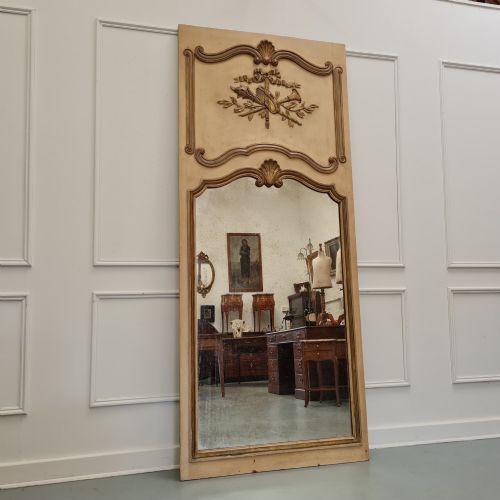


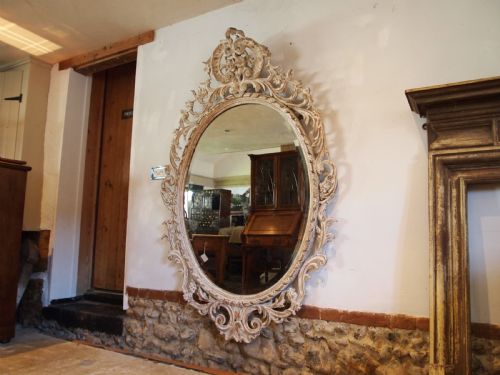

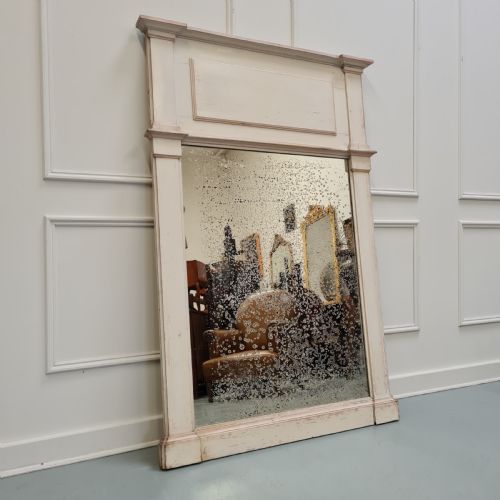


Cream Painted Pier Glass
Cream painted pier glass mirrors bring vertical elegance and historic light to tall spaces.
Cream Painted Pier Glass
A cream painted pier glass is a tall, vertical wall mirror traditionally designed to hang on the narrow wall pier between windows. These pieces span the eighteenth century, nineteenth century, and early twentieth century, originating from French, Italian, Swedish, and wider continental workshops.
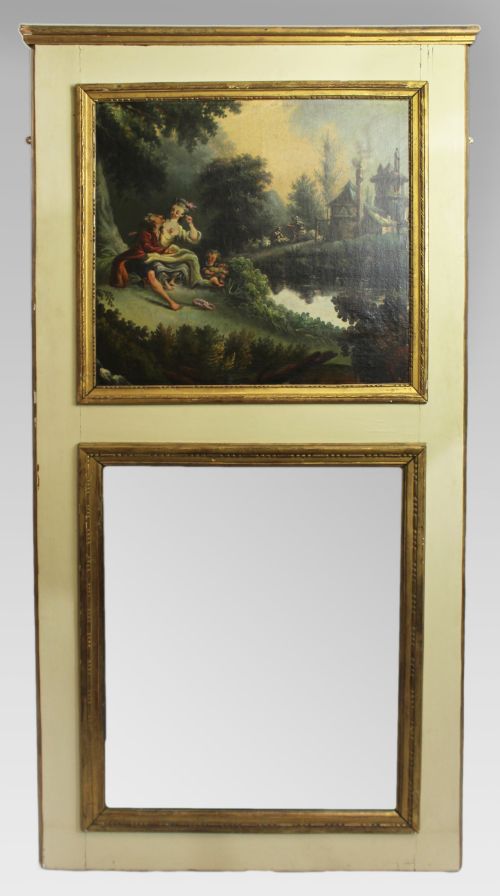
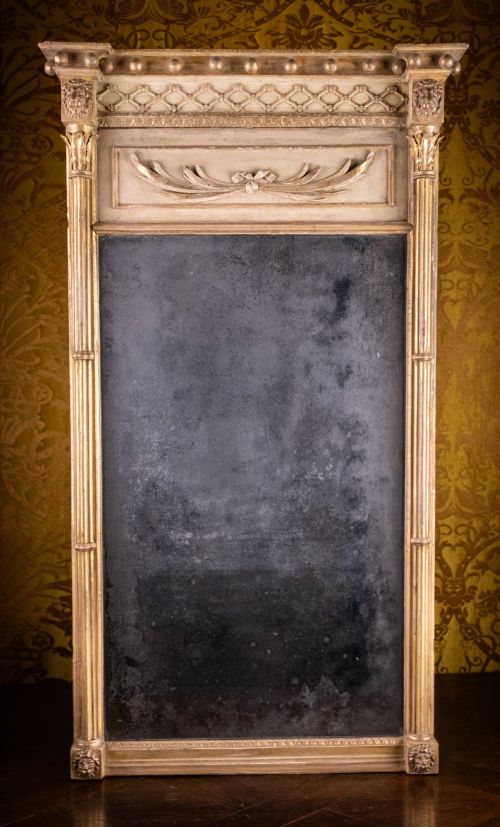
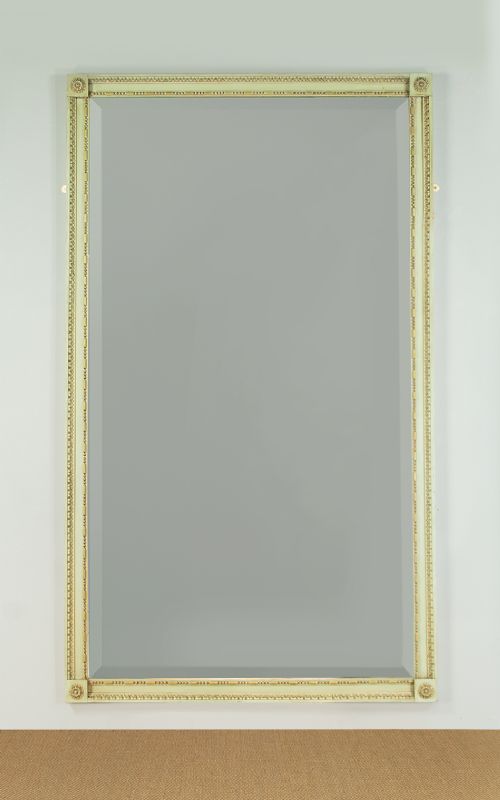
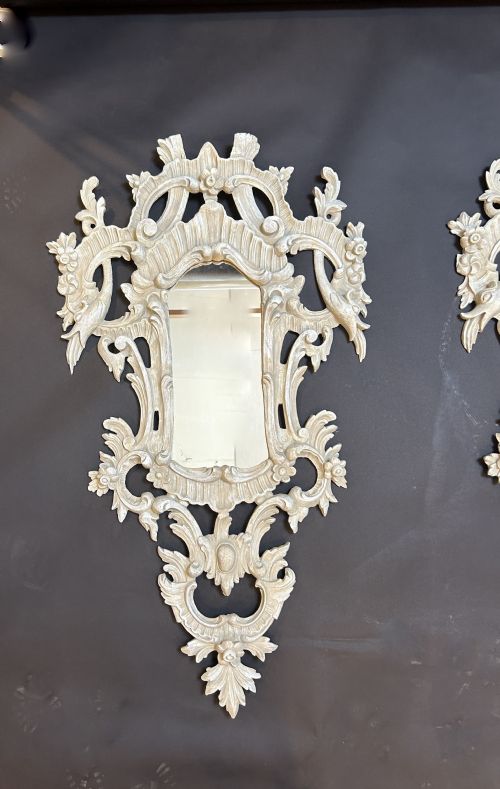
The selections available here range from grand architectural trumeau mirrors incorporating oil paintings to carved wood and gesso framed wall mirrors, Regency designs with lion masks, and large bistro or haberdashery shop mirrors. Many carry delicate painted finishes over older gilt layers, reflecting distinct regional styles like French Provincial, Rococo Revival, and Italian Rococo.
Buyers seeking a cream painted pier glass encounter diverse decorative formats, including pairs of continental mirrors, console tables with matching mirrors, and imposing column-framed panels. Each piece serves to brighten dark hallways and formal rooms while anchoring architectural proportions.
Materials and construction
Carved wood and gesso form the structural base of these mirrors, providing the dense foundation necessary for intricate relief work. Artisans applied layers of gesso over carved wooden frames to create smooth surfaces for subsequent painting and gilding.
Original mirror glass panels sit within these frames, often displaying the subtle imperfections and foxing characteristic of older plate production. Painted finishes, including cream paint applied over earlier gilt layers, define the surface aesthetic across the nineteenth and early twentieth century pieces.
The selection includes eighteenth century architectural examples alongside nineteenth century French trumeau mirrors and early twentieth century shop mirrors.
Distinctions in quality
The depth and sharpness of the wood carving dictate the visual fidelity of the frame, separating finely detailed architectural and figural work from simpler mouldings. Relief elements such as lion masks, column framing, and floral motifs require skilled hand-carving before the application of gesso.
The preservation of the original painted surface and mirror plate determines the integrity of the piece over time. Examples that retain their original glass and layered paint finishes demonstrate superior historical continuity compared to those with modern replacements.
The Cream Painted Pier Glass Glossary
- Pier glass
- A tall mirror designed specifically to fit the narrow wall space between windows.
- Trumeau
- An architectural mirror panel that frequently incorporates an oil painting, carving, or decorative artwork above the glass.
- Gesso
- A plaster-like mixture applied to wood frames to create a smooth base for painting and gilding.
- Giltwood
- Timber that has been coated with a thin layer of gold leaf or gold paint.
- Bistro mirror
- A large commercial wall mirror originating from nineteenth-century hospitality spaces and public rooms.
Cream Painted Pier Glass: Frequently Asked Questions
Where should I hang a pier glass?
These mirrors suit narrow wall spaces, particularly the expanse between two tall windows or above a matching console table. Their vertical proportions draw the eye upward and amplify natural light in reception rooms and hallways.
Ensure the wall construction supports the considerable weight of carved wood and gesso frames. Positioning the glass opposite a window maximises the reflection of daylight throughout the room.
What is a trumeau mirror?
A trumeau is an interior architectural fixture combining a mirror plate with an integrated painting or carved wooden panel above. Originating in grand European interiors, these pieces served as permanent wall decorations.
The upper panels often feature pastoral oil paintings or classical motifs set within the painted frame. This dual format offers both artwork and functional reflection in a single vertical composition.
How do I care for antique painted wood?
Dust the carved frame gently using a soft, dry cloth without applying modern chemical cleaning sprays. Protect the painted and gesso surfaces from direct sunlight and excessive humidity to prevent flaking.
Handle the original mirror glass with mild glass cleaner applied to a cloth rather than directly onto the surface. This prevents moisture from seeping behind the plate and damaging the silver backing.
Are these mirrors original antique pieces?
The listings encompass items dating from the eighteenth century through the Regency era and the nineteenth century up to nineteen-ten. Materials such as original mirror plate, gesso, and historic paint layers indicate period manufacture.
Stylistic markers like French Provincial carving, Italian Rococo forms, and Regency lion masks ground each piece in its specific era. These indicators help differentiate historic mirrors from later reproductions.