


Oriental Painted Wall Mirror
An oriental painted wall mirror brings rich hand-painted detail and depth to a room through centuries of traditional craftsmanship.
Oriental Painted Wall Mirror
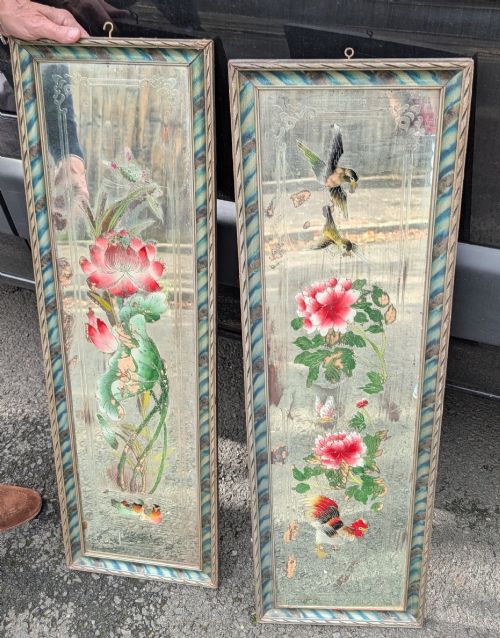
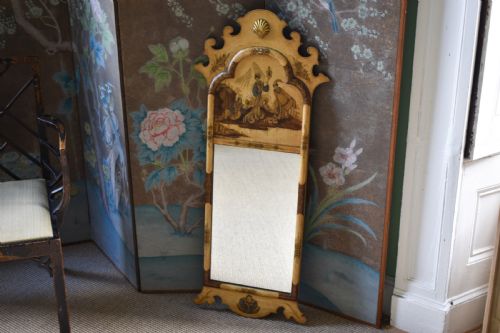
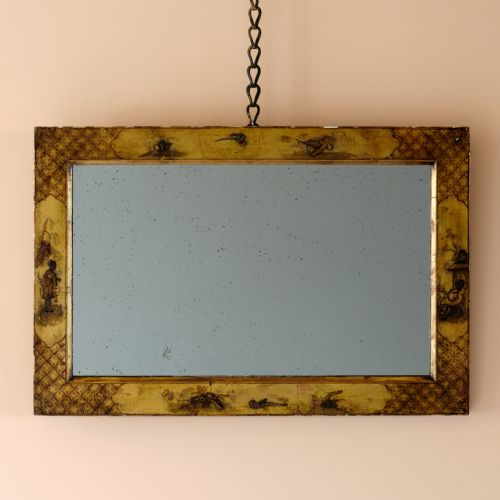
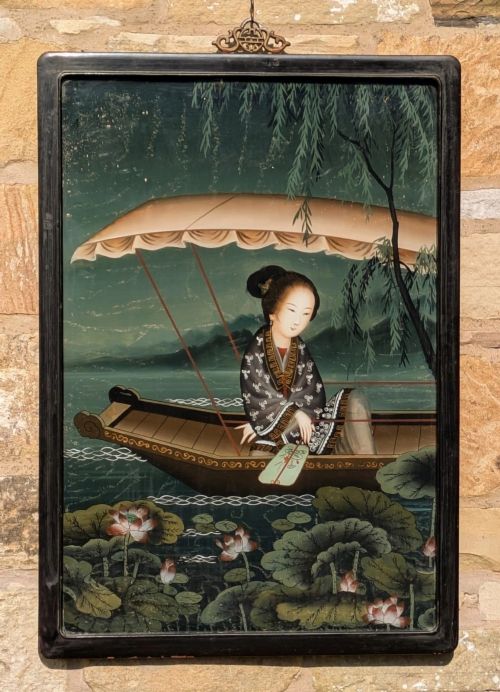
When you search for an oriental painted wall mirror, you encounter pieces spanning the nineteenth century through the early twentieth century. These decorative items range from Queen Anne and Georgian style Chinoiserie frames to traditional Chinese reverse paintings on glass.
The most common forms on this page include wall hanging mirrors and black or cream lacquered frames often finished with gilt details. Alongside standard wall mirrors, you will find console tables with mirrors and independent reverse glass paintings depicting traditional subjects.
Construction and materials
These pieces utilise timber foundations finished with paint, lacquer, and gilt wood to create smooth, decorated surfaces. Artisans applied detailed Chinoiserie motifs by hand onto wood and glass substrates.
Many items incorporate mirror glass alongside reverse glass painting techniques, where the artwork is meticulously rendered directly onto the reverse side of the glass panel to achieve a luminous finish.
Several mirrors share space with a dignified painted official who seems to supervise every reflection in the room.
Assessing craftsmanship and finish
Quality in these items rests on the precision of the hand-applied paintwork and the depth of the lacquer finish. Superior pieces display intricate, well-preserved Chinoiserie details and finely rendered reverse glass paintings.
The integrity of the wooden frames and the clarity of the original mirror glass further distinguish finer examples from standard decorative items. Stronger pieces retain harmonious proportions and intact gilt highlights across the woodwork.
The Oriental Painted Wall Mirror Glossary
- Chinoiserie
- European artistic interpretation of Chinese and East Asian artistic traditions, popular in furniture and mirror decoration. This style frequently employs motifs of figures, landscapes, and floral patterns rendered in paint and gilt.
- Reverse Glass Painting
- A technique where the artist paints directly onto the back of a glass panel so the image is viewed through the front. This method produces a glossy, protected surface with notable depth.
- Lacquered
- Coated with multiple layers of resin or varnish to create a hard, smooth, and durable surface. Traditional finishes often feature dark or coloured grounds embellished with decorative scenes.
- Gilt Wood
- Wood surfaces coated with gold leaf or a gold-coloured metallic finish. This treatment adds reflective contrast to painted frames and mirrors.
Oriental Painted Wall Mirror: Frequently Asked Questions
How do I hang a heavy antique wall mirror safely?
These frames require appropriate wall anchors and fixings rated for the specific weight of the wood and glass. Professional installation into structural wall studs ensures secure placement.
Position the mirror at eye level to maximise light reflection and visual balance within the room.
What is the difference between Chinoiserie and Chinese export styles?
Chinoiserie generally refers to European interpretations of East Asian design aesthetics applied to furniture and mirrors. Chinese export pieces were produced in China specifically for international markets.
Both styles appear frequently across nineteenth-century decorative mirrors and painted wall art.
How should I clean a painted and lacquered antique frame?
Dust the painted and lacquered surfaces gently using a soft, dry microfibre cloth. Avoid chemical cleaning agents, abrasive materials, or excessive moisture that might damage fragile paintwork or gilt.
Clean mirror glass sparingly with a mild glass cleaner applied to a cloth rather than sprayed directly onto the frame.
How do I identify a reverse glass painting?
A reverse glass painting presents the artwork beneath a smooth, reflective glass surface rather than on canvas or paper. The composition is painted backwards on the rear side so it appears correctly oriented from the front.
This technique creates a distinct glossy sheen unique to glass-mounted panels.