

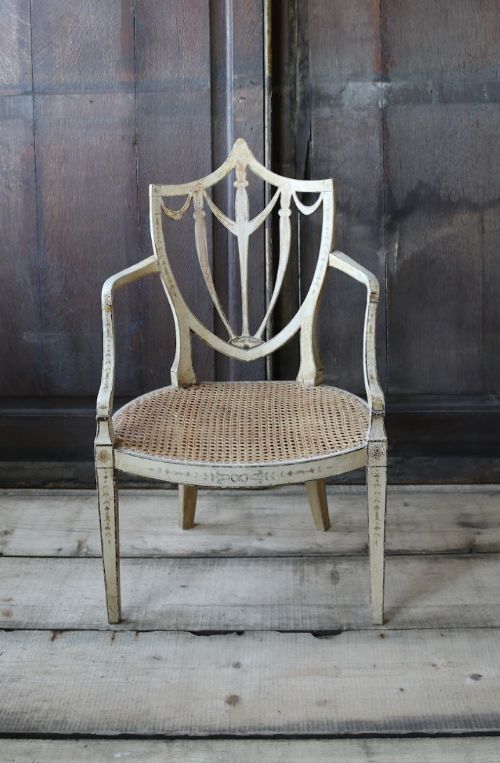


Cream Painted Carver Chairs
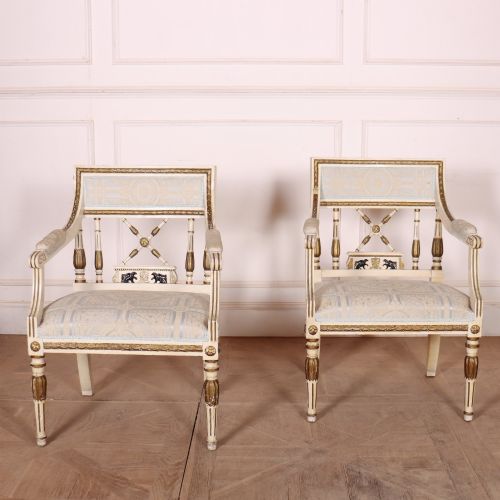
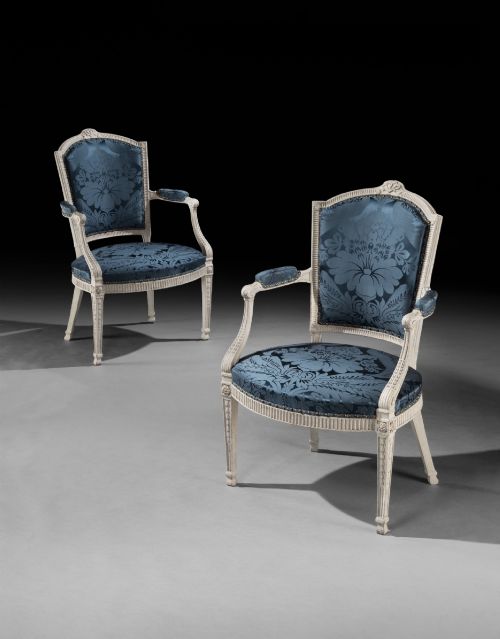
Cream painted carver chairs bring architectural structure and hand-finished elegance to a room, offering arm support alongside formal seating.
Cream Painted Carver Chairs
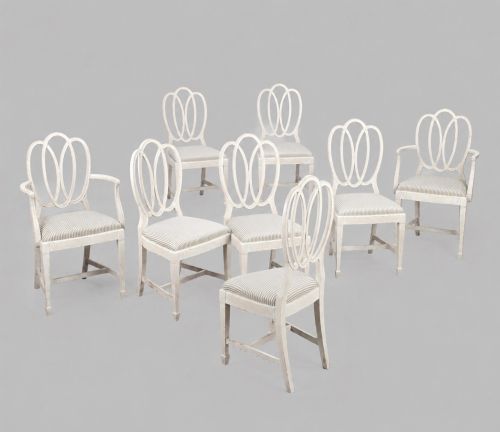
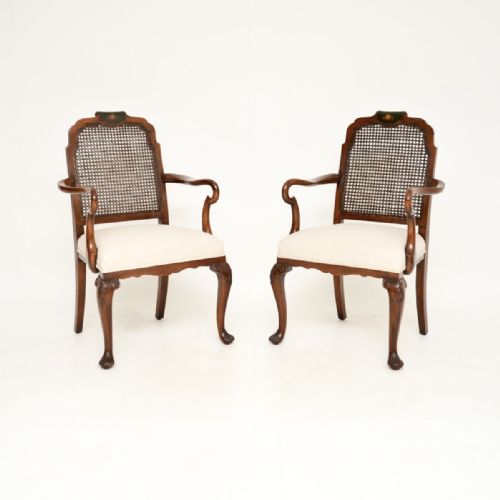
Cream painted carver chairs encompass armchairs and dining chairs created across various historical periods, including the eighteenth century, Regency era, and the twentieth century. These seating pieces combine wooden construction with painted, lacquered, or polychrome decorated surfaces.
Buyers browsing this selection encounter specific historical idioms such as George III Neoclassical, Hepplewhite, Regency, French Directoire, and Swedish Empire styles. Forms range from shield-back and bergere designs to open armchairs with cane seats.
The most prevalent examples on this page date from the eighteenth century through to the Edwardian period and nineteen-twenties, often appearing in pairs or larger sets.
Materials and construction methods
Carver chairs in this selection utilise solid woods such as beech, walnut, and general timber as a structural base for decorative surface treatments. Artisans shaped these frames into specific regional and period forms, applying paint, lacquer, or giltwood detailing directly to the wood.
Seating portions frequently incorporate woven cane or upholstered fabric panels set into the wooden framework. Surface finishes include hand-applied polychrome decoration, japanning, and later painted layers over earlier timber bases.
Cream Painted Carver Chairs Retail Price Guide 2026
Typical asking prices for cream painted carver chairs among the pieces listed under this phrase on Sellingantiques today, from the lower quarter to the upper quarter. They describe what is for sale here now, not the wider market.
The listings span several centuries of craftsmanship, ranging from eighteenth-century George III examples to twentieth-century revivals.
Distinctions in quality
Quality in these chairs rests upon the crispness of the original timber carving and the subtlety of the painted or lacquered finish. Period pieces retain authentic surface patination, whereas later interpretations rely on the precision of their decorative detailing.
Structural integrity of the arm supports and the tightness of cane or fabric work differentiate standard utility seating from high-status salon and dining pieces.
Gillows
The Cream Painted Carver Chairs Glossary
- Carver chair
- An armchair, typically designed with open arms to sit at the head of a dining table or serve as a standalone drawing room seat. These pieces match standard dining chairs of the same suite but include armrests.
- Bergere
- An enclosed upholstered armchair with a wooden frame where the sides and back are frequently filled with canework. This French seating form gained popularity during the eighteenth century and subsequent revival periods.
- Japanning
- A European imitation of East Asian lacquerwork achieved through layers of varnish and painted decoration on wood. It creates a dark, glossy surface that contrasts with gilt highlights.
- Shield-back
- A chair back shaped in the outline of a heraldic shield, popularized by eighteenth-century designers such as Hepplewhite. The wooden frame encloses pierced splats often decorated with carved motifs.
Cream Painted Carver Chairs: Frequently Asked Questions
Can I use these at a dining table?
Carver chairs are traditionally placed at the head and foot of a dining table to provide arm support while matching the surrounding side chairs.
Their wider frames require checking standard table clearance heights to ensure the arms slide comfortably beneath the tabletop.
How do I clean painted chair frames?
Painted and lacquered wooden surfaces require gentle dusting with a dry, soft cloth to prevent abrasion to the finish.
Avoid liquid cleaners and harsh chemical polishes that can degrade historical paint layers and delicate surface decoration.
What is a cane seat?
Cane seating utilises woven rattan strips stretched across an open wooden frame to create a resilient, flexible seat base.
This technique provides lightweight support and was frequently employed in Regency and Edwardian armchair designs.
How do I identify Regency chairs?
Regency seating often displays classical Greco-Roman influences, featuring saber legs, bold painted surfaces, and simplified structural lines.
These pieces date from the early nineteenth century and frequently incorporate cane seats or subtle parcel-gilt detailing.