







Painted Occasional Armchairs
These painted occasional armchairs bring functional seating and decorative charm to any corner, offering varied styles from French revival to Arts and Crafts.
Painted Occasional Armchairs
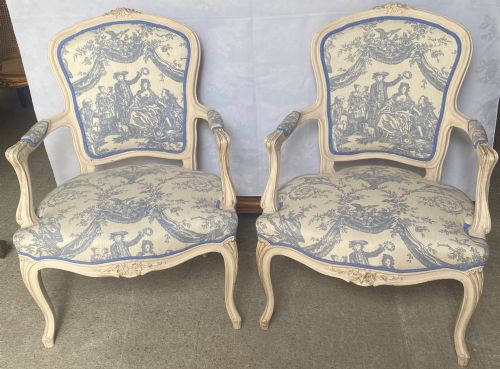
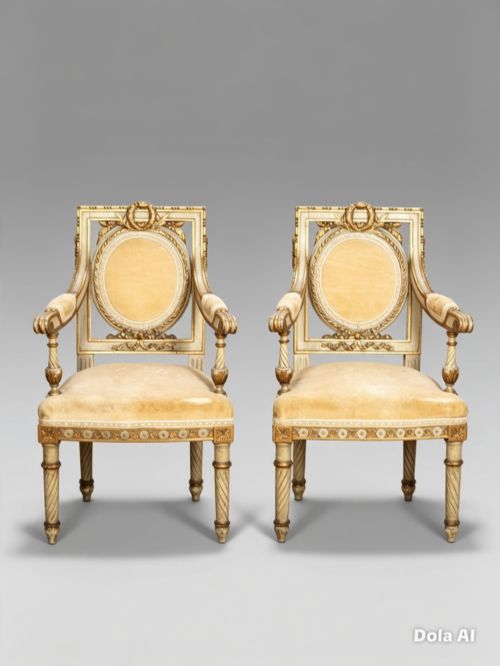
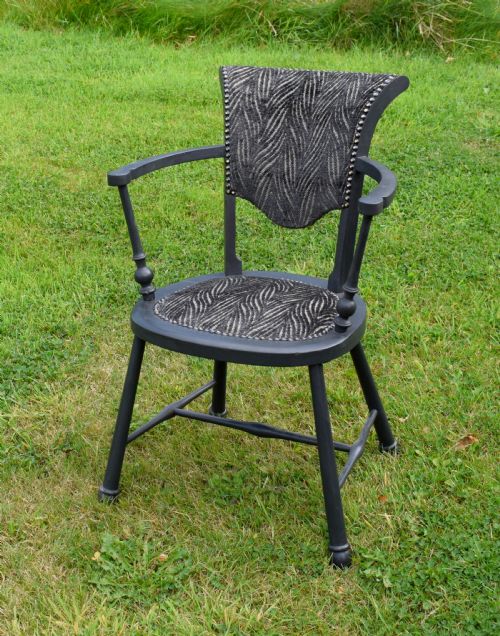
When you search for painted occasional armchairs, you encounter a varied selection of open-arm seating designed for sporadic use rather than heavy daily lounging. These pieces range from compact salon chairs to sturdy elbow chairs, each carrying a decorative surface finish rather than a plain timber grain.
The examples available here stretch across the nineteenth and twentieth centuries, taking in Victorian, Edwardian, and nineteenth-century periods. You meet diverse stylistic roots among them, including French Louis-inspired designs, Chinoiserie, Nordic Art Nouveau, and Arts and Crafts forms.
Most pieces on this page originate from continental or British workshops, utilising armchairs as a canvas for applied paint, gilding, and decorative schemes. They appear in pairs and individual formats, often featuring open armrests and upholstered seats tailored for boudoirs, halls, and drawing rooms.
How they were made
The makers of these chairs relied primarily on solid timbers such as beech, walnut, and faux bamboo to construct the load-bearing frames. Artisans shaped these woods into curved rails, shield backs, and cabriole supports using traditional joinery before preparing the surfaces for decoration.
Surface finishes define the group, incorporating hand-applied paint, ebonisation, and delicate gilding over prepared grounds. Upholstery materials like leather, velvet, and patterned fabric complete the construction, secured to the seats and armrests with tacks or decorative braiding.
Painted Occasional Armchairs Retail Price Guide 2026
Typical asking prices for painted occasional armchairs among the pieces listed under this phrase on Sellingantiques today, from the lower quarter to the upper quarter. They describe what is for sale here now, not the wider market.
Even a humble armchair can harbour grand ambitions when dressed in faux bamboo and later paint.
What varies in quality
Quality in these chairs rests upon the articulation of the carved or turned woodwork and the finesse of the painted surface decoration. Pieces with hand-painted details or nuanced gilding display a level of artistry that elevates them far above simple utilitarian seating.
The integrity of the underlying timber frame and the appropriateness of the chosen upholstery materials also dictate the standing of a piece. Finer examples maintain structural crispness alongside coherent decorative schemes that reflect their specific period style.
Anton Rosen
The Painted Occasional Armchairs Glossary
- Faux bamboo
- A decorative technique where hardwood is carved and painted to imitate natural bamboo stalks. This style gained immense popularity during the nineteenth century.
- Giltwood
- Timber that has been coated with a thin layer of gold leaf or gilt paint. It creates a reflective, luxurious surface common in formal salon seating.
- Ebonisation
- A chemical or painted treatment applied to timber to darken the grain and achieve the appearance of expensive ebony. It provides a stark, dramatic contrast against lighter upholstery.
- Shield back
- A chair back shaped like a heraldic shield, popularised in the late eighteenth century and echoed in later nineteenth-century revival pieces. This silhouette offers structural support while maintaining an open, graceful profile.
Painted Occasional Armchairs: Frequently Asked Questions
Where did people use these chairs?
These occasional armchairs served primarily in reception rooms, bedrooms, and parlours where seating was required for conversational grouping rather than sustained relaxation. Their decorative frames meant they were positioned against walls or in corners to enhance the room's overall aesthetic.
Because they were lighter than heavy library or dining chairs, inhabitants moved them easily about the house as needed for gatherings or private reading.
How do I identify the period?
Dating relies heavily on observing the structural silhouette, decorative motifs, and the nature of the paintwork applied to the timber frame. Victorian and Edwardian examples often incorporate revival styles, such as Louis XVI or Arts and Crafts ideals, which guide the visual assessment.
Examining the construction methods and upholstery tacking beneath the seat also reveals manufacturing clues that align with nineteenth- or twentieth-century workshop practices.
Are painted chairs durable?
The durability of these pieces depends on the original application of the paint and how the timber has settled over the decades. They are built for light, occasional use rather than heavy daily service in busy family spaces.
Gentle handling and careful placement away from direct heat sources ensure the painted surfaces and delicate joinery remain stable and intact.
How do I care for the paint?
Maintaining painted occasional armchairs requires simple dusting with a soft, dry cloth to prevent dirt accumulation on the decorated surfaces. Avoid harsh chemical cleaners, moisture, and abrasive cloths that might lift or dull the historic paint layers.
Keeping the chairs in stable environmental conditions protects both the timber substrate and the delicate finishes from cracking or fading over time.