

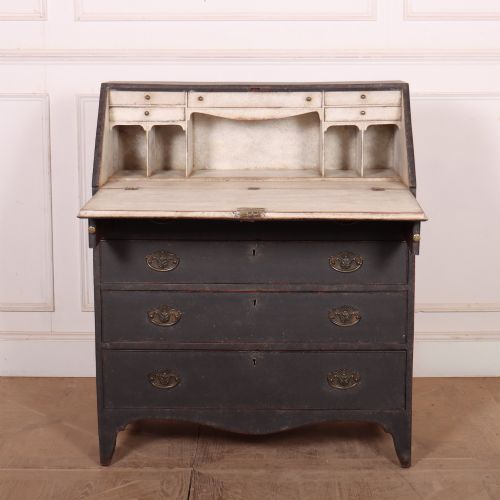
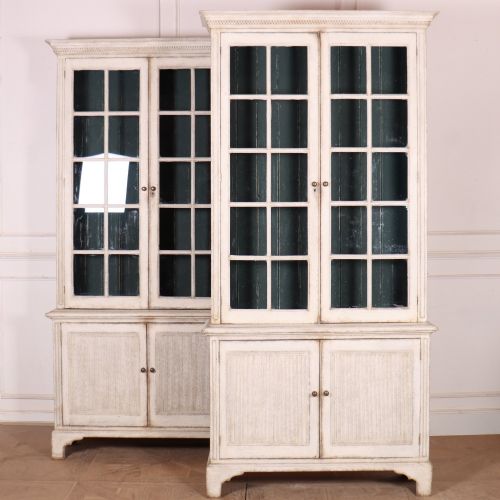
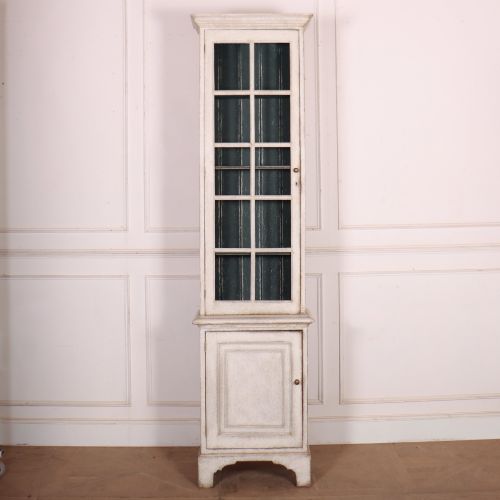
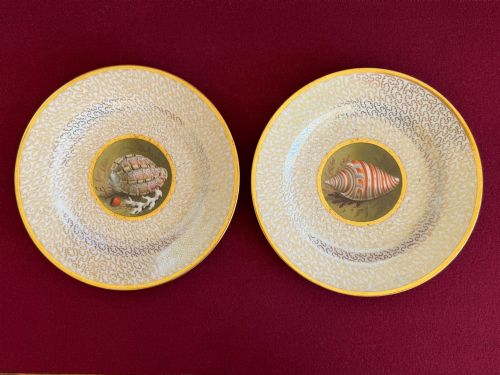
Cream Painted Cabinet
A cream painted cabinet brings light and useful storage to a room, offering period charm through painted wood and traditional forms.
Cream Painted Cabinet
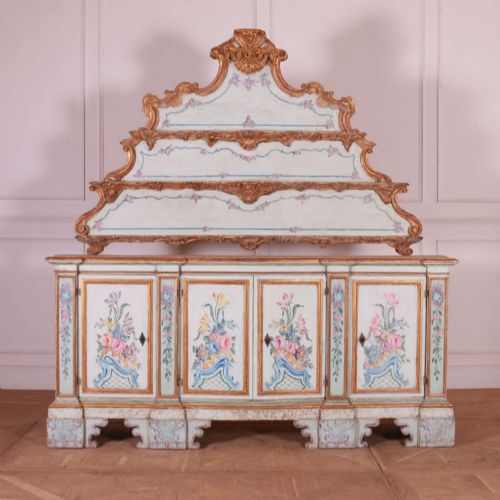
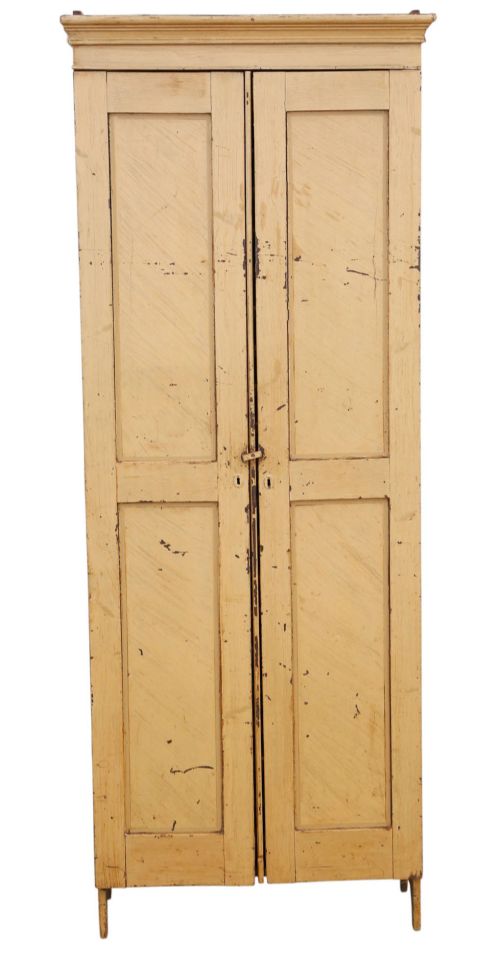
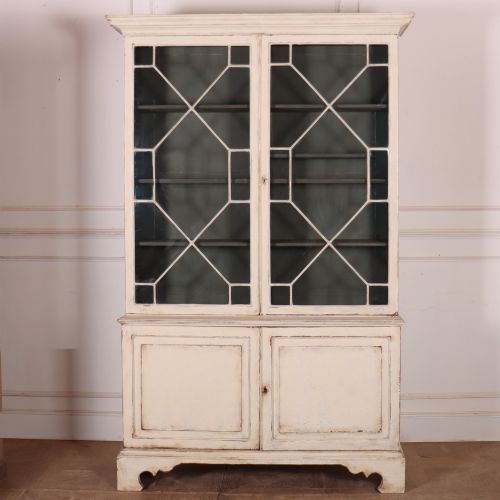
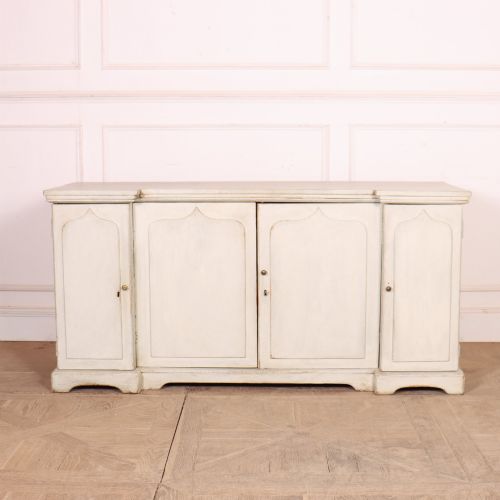
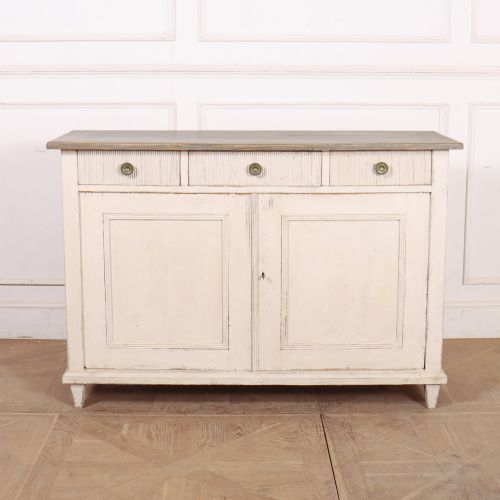
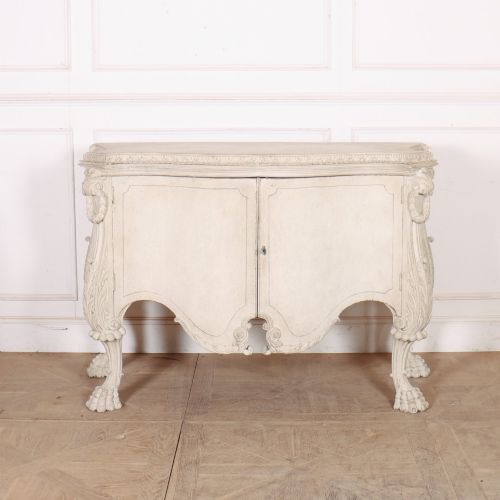
A cream painted cabinet is a storage piece finished in pale paint, drawing on styles such as French Provincial, Swedish Country, George III and Italian Neoclassical Revival. These pieces take various forms including display cabinets, bookcases, corner cupboards and large housekeepers cupboards.
Most examples found here date from the eighteenth and nineteenth centuries, spanning Georgian, Victorian and late nineteenth century periods. Buyers frequently encounter pine and timber carcasses with painted surfaces, occasionally enhanced with brass or iron hardware and glass doors.
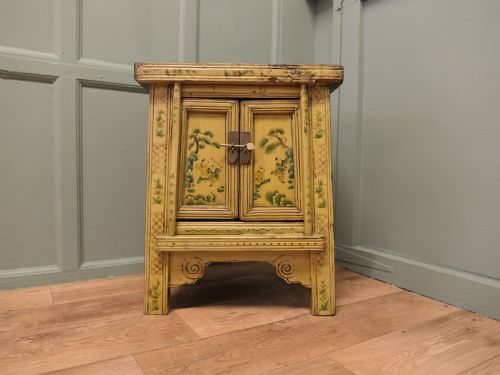
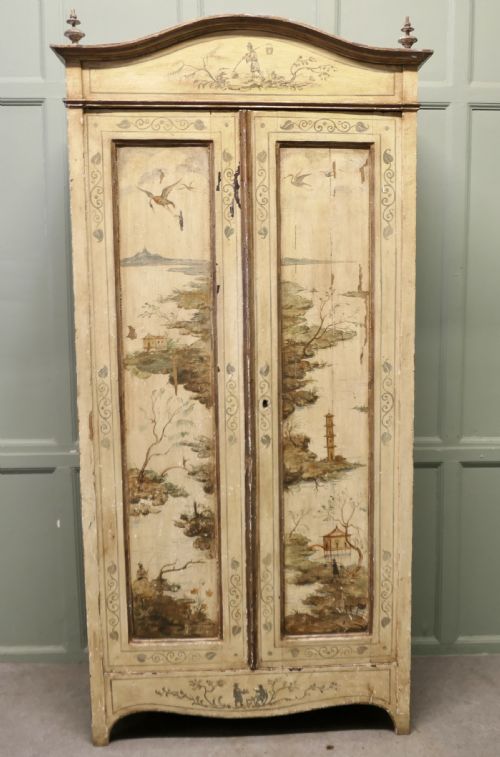
Origin and regional style shape each piece, ranging from English corner cupboards to French vitrines and linen cupboards. The painted finish varies from simple country layers to detailed Chinoiserie decoration or Majolica panels.
How They Were Made
Cabinet makers relied on solid timber and pine carcasses, assembled using traditional joinery appropriate to eighteenth and nineteenth century workshop practices. Surfaces received layers of paint, often applied over earlier finishes or exposed timber during later periods.
Decoration required specialised skills, seen in pieces featuring hand-painted Chinoiserie motifs or inserted Majolica panels. Iron and brass hardware completed the construction, securing doors and drawers on display cabinets, armoires and bookcases.
Cream Painted Cabinet Retail Price Guide 2026
Typical asking prices for cream painted cabinet among the pieces listed under this phrase on Sellingantiques today, from the lower quarter to the upper quarter. They describe what is for sale here now, not the wider market.
Listings span the eighteenth and nineteenth centuries, featuring periods such as Georgian, Victorian and late nineteenth century production.
What Varies In Quality
Quality rests in the harmony of proportions and the integrity of the original construction rather than surface neatness alone. Pieces retaining early painted surfaces hold greater character than modern repaints, showing how age has softened the cream pigment.
The refinement of decorative elements sets individual cabinets apart, from simple country pine cupboards to elaborate Italian Neoclassical Revival pieces or Chinoiserie decoration. Hardware choices, such as original brass fittings, also distinguish higher grade examples.
The Cream Painted Cabinet Glossary
- Vitrine
- A glass-fronted display cabinet designed for showing porcelain and small objects. These pieces often feature timber frames and painted finishes.
- Chinoiserie
- European decorative style imitating Chinese artistic traditions. This technique appears on nineteenth century cabinets through painted scenes and motifs.
- Armoire
- A large freestanding wardrobe or cupboard with doors. Examples range from French bedroom cabinets to hall storage units.
- Housekeepers Cupboard
- A large utility cupboard traditionally used for storing linens and dry goods. These pieces are typically constructed from painted pine.
- Majolica
- Opaque tin-glazed earthenware decorated with brightly coloured metal oxides. Certain cabinets incorporate these ceramic panels into their design.
Cream Painted Cabinet: Frequently Asked Questions
What rooms suit a cream painted cabinet?
These cabinets suit kitchens, dining rooms and hallways where pale painted furniture adds brightness and practical storage.
Their varied sizes allow them to function as bookcases, linen cupboards or display pieces without overwhelming a domestic space.
How do I care for painted wood?
Maintain painted surfaces by dusting with a soft dry cloth and avoiding harsh chemical cleaners that strip historic finishes.
Keep pieces away from direct heat sources and strong sunlight to prevent the timber and paint layers from cracking.
Are these cabinets original period pieces?
The listings include pieces dating from the eighteenth and nineteenth centuries, including Georgian and Victorian examples.
Many retain their historic painted finishes, though paint layers on antique furniture can sometimes reflect later decorative updates.
How do I identify a regional style?
Regional characteristics appear in the proportions, construction timber and decorative vocabulary of each cabinet.
Swedish and French country pieces often display lighter mouldings and distinct paint palettes compared to English Georgian examples.