




Cream Linen Sofa
A cream linen sofa brings understated texture and classic comfort to a room, offering versatile seating grounded in historical craftsmanship.
Cream Linen Sofa
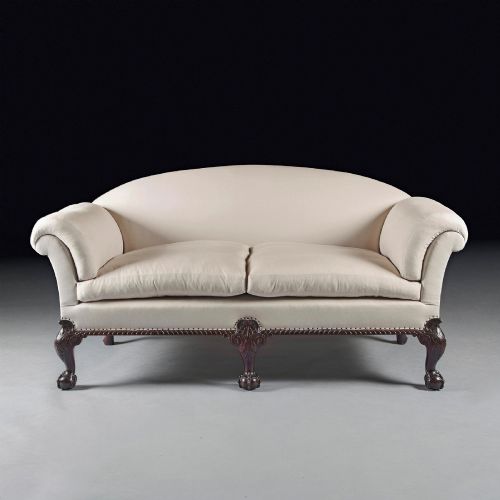
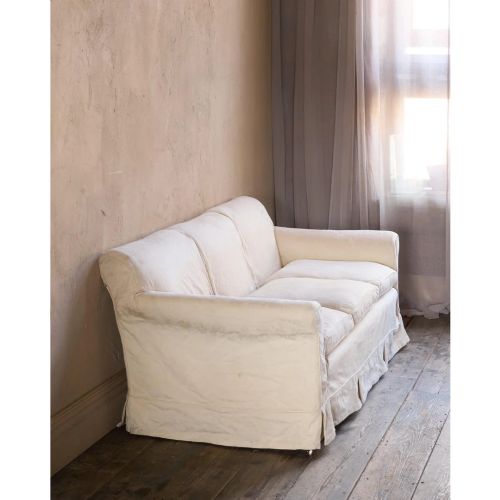
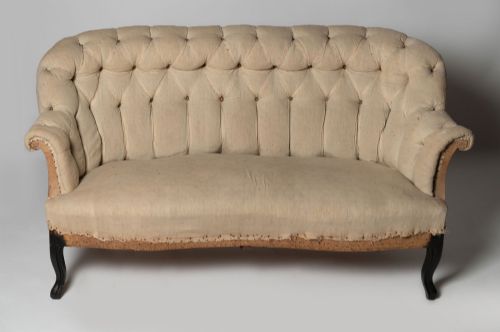
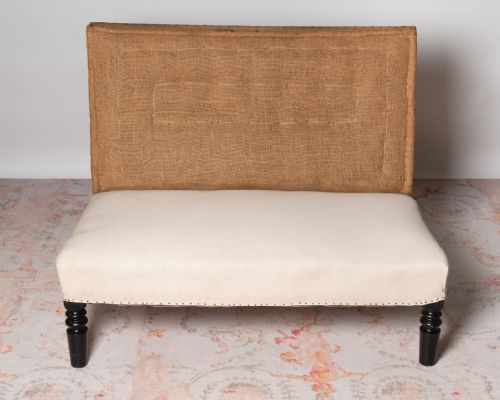
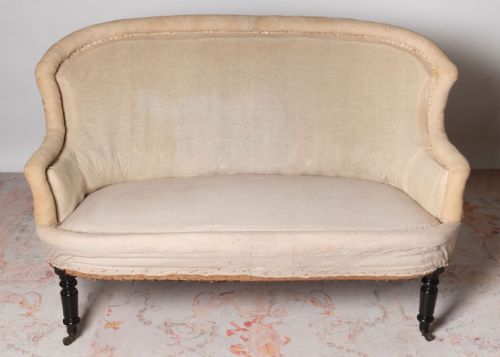
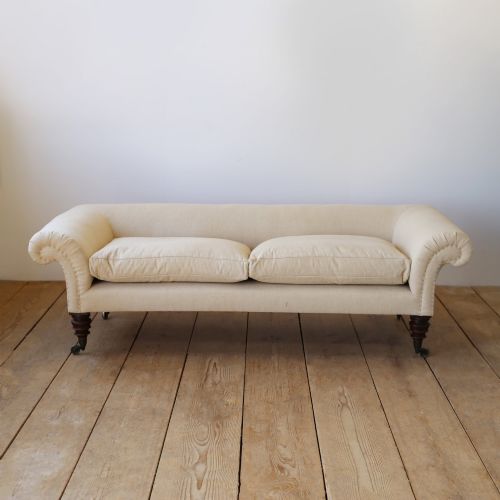
A cream linen sofa is an upholstered seating piece found in variations spanning the eighteenth century through the Edwardian period. Buyers searching for a cream linen sofa encounter forms including country house settees, French banquettes, and neoclassical day seats. These pieces range from substantial nineteenth-century designs to smaller Napoleon III buttoned high back frames and painted French settees.
The selection includes specific regional styles such as eighteenth-century Swedish pieces, Italian neoclassical settees, and items after Howard and Sons. Frames take the shape of sofas, settees, and benches, often retaining traditional structural lines beneath updated loose covers or tight upholstery.
How they were made
Makers constructed these frames using timber, mahogany, and walnut, employing traditional joinery and carved wooden details visible on arms, rails, and legs. Structural support beneath the upholstery relied on materials such as hessian and cotton calico to build up the seats before applying the final textile layer.
Upholstery techniques varied from tight buttoning on high-back Napoleon III frames to simpler padded surfaces on French country settees. Metal elements like brass appear periodically in castors or decorative hardware, while timber frames frequently show painted or polished finishes.
Cream Linen Sofa Retail Price Guide 2026
Typical asking prices for cream linen sofa among the pieces listed under this phrase on Sellingantiques today, from the lower quarter to the upper quarter. They describe what is for sale here now, not the wider market.
Several pieces arrive disguised as French banquettes, secretly plotting to make every other chair in the house look stiff and unwelcoming.
What varies in quality
Quality rests primarily in the execution of the timber frame, distinguishing fluid hand-carved walnut and mahogany from simpler, more utilitarian structural woods. The integrity of the underlying build, seen in the proportion of settees and the complexity of revival styles like Victorian Chippendale, sets finer examples apart.
The sophistication of the upholstery work contributes significantly, separating straightforward modern recovering from pieces retaining nuanced shaping like buttoned high backs or traditional bolster integration.
Howard and Sons
The Cream Linen Sofa Glossary
- Settee
- A long upholstered seat for more than one person, sharing similarities with a sofa but often featuring a lighter wooden framework.
- Banquette
- A long upholstered bench or settee, frequently associated with French seating designs from the nineteenth and early twentieth centuries.
- Calico
- A plain-woven cotton fabric utilised historically as a foundational layer beneath top upholstery to secure stuffing and springs.
- Hessian
- A coarse woven fabric made from jute fibres, traditionally employed in antique upholstery for webbing and internal padding support.
- Neoclassical
- A style drawing inspiration from classical antiquity, reflected in the restrained geometric lines and carved details of late-eighteenth and nineteenth-century pieces.
Cream Linen Sofa: Frequently Asked Questions
How do I date a settee?
Dating a settee involves examining the timber species, carving styles, and structural construction methods hidden beneath the upholstery. Pieces often align with specific historical eras such as the Edwardian period or the nineteenth century through stylistic cues like neoclassical lines or French country proportions.
Makers' marks or specific revival characteristics, such as Victorian Chippendale details, also offer clear chronological indicators for the frame.
Where were these sofas used?
Historically, these settees and sofas sat within formal reception rooms, drawing rooms, and country house parlours. Their varied proportions allowed them to function in both expansive spaces and more intimate domestic settings.
French banquettes and smaller two-seat settees served secondary seating roles in bedrooms or private sitting rooms.
How do I care for antique linen upholstery?
Caring for linen upholstery involves gentle vacuuming with a soft brush attachment to prevent dust accumulation within the natural fibres. Professional cleaning is recommended for spot treatment to protect the underlying calico and hessian foundations.
Keeping the textile away from direct sunlight preserves the neutral cream tone over time.