

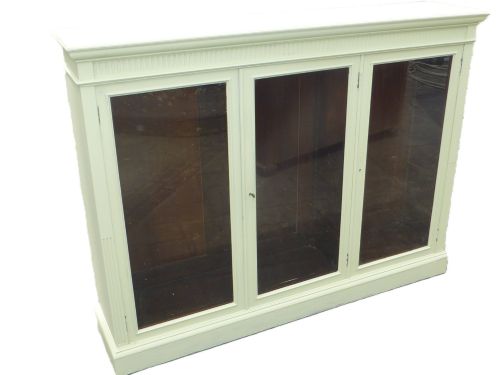

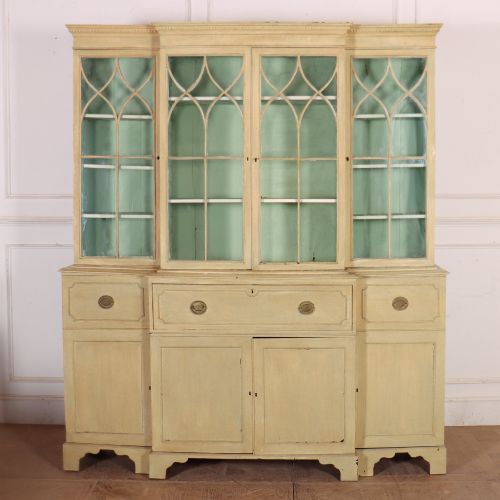


Cream Glazed Cabinet
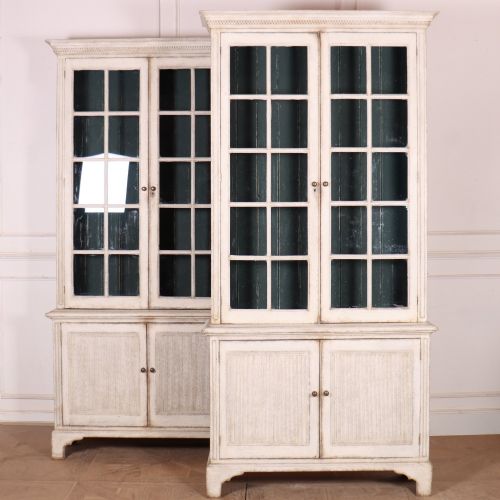
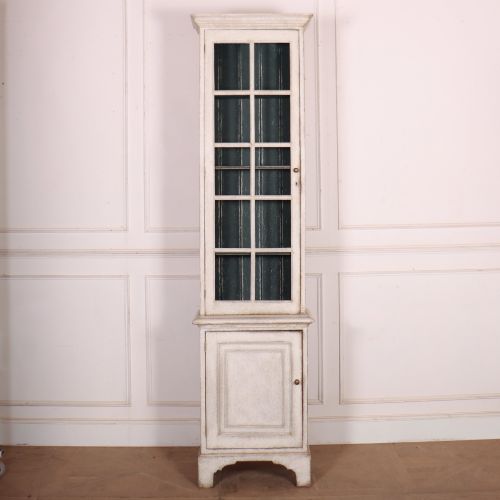
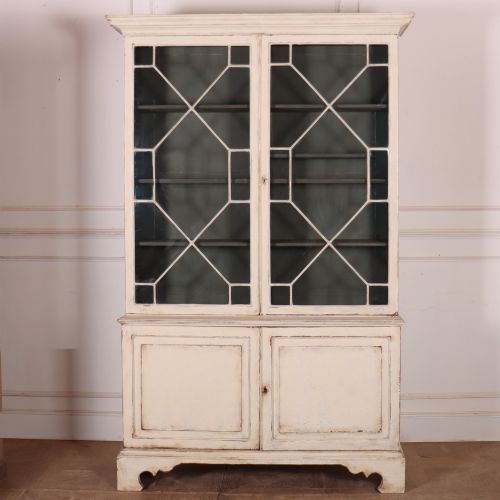
These cream glazed cabinet examples combine utilitarian storage with pale painted surfaces, offering a versatile display space for books and decorative objects.
Cream Glazed Cabinet
A cream glazed cabinet brings together light painted woodwork and glass-fronted display areas, drawing on centuries of domestic storage traditions. Buyers searching this phrase encounter a variety of forms designed to hold books, ceramics, and household collections.
The pieces on this page span several centuries and styles, ranging from Georgian and Victorian designs to continental European country pieces. Bookcases, corner cupboards, dressers, and vitrines form the core of the selection.
Originating from English, French, Hungarian, and Scottish workshops, these cabinets showcase regional approaches to painted furniture. Pieces vary from tall breakfront libraries to wall-hanging vitrines and compact corner units.
Materials and construction
Construction relies primarily on pine and timber frameworks, finished with layers of paint in shades of cream and white. Many examples incorporate glass panes within wooden door frames to protect contents while maintaining visibility.
Hardware details such as brass fixtures, gold leaf accents, and majolica panels appear on specific decorative items. Surfaces frequently show the layered buildup of historic paint finishes applied over solid wood carcases.
Cream Glazed Cabinet Retail Price Guide 2026
Typical asking prices for cream glazed cabinet among the pieces listed under this phrase on Sellingantiques today, from the lower quarter to the upper quarter. They describe what is for sale here now, not the wider market.
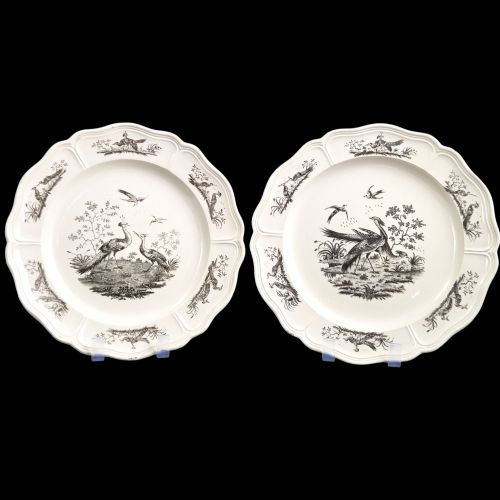
One miniature vase by Chosei depicts a family scene, proving that grand artistic ambitions sometimes arrive in pocket-sized packages.
Evaluating craftsmanship and proportion
Quality in these cabinets rests upon the structural integrity of the timber carcase and the refinement of the painted surface. Superior examples demonstrate balanced proportions, neatly fitted glass panels, and well-preserved original finishes.
The sophistication of decorative elements, from carved mouldings to applied panelling and regional hardware, distinguishes standard utility furniture from more ambitious workshop pieces.
Chosei
The Cream Glazed Cabinet Glossary
- Breakfront
- A large cabinet featuring a central section that projects forward from the flanking wings. This architectural arrangement creates depth and visual interest in larger library pieces.
- Vitrine
- A glass-fronted display cabinet specifically built to showcase porcelain, curiosities, or small decorative objects. The glazed doors and sides allow light to enter from multiple angles.
- Corner Cupboard
- A specialised storage piece designed to fit neatly into a room junction. These units maximise awkward spatial layouts while providing accessible shelving.
- Credenza
- A low cabinet traditionally used for serving or storage, often featuring decorative panels and doors. In later periods, the form evolved into a refined display piece for principal rooms.
- Majolica
- Opaque tin-glazed earthenware decorated with colourful metallic oxide glazes. These panels are occasionally incorporated into cabinet doors for ornamental effect.
Cream Glazed Cabinet: Frequently Asked Questions
What rooms suit a cream glazed cabinet?
These cabinets suit living rooms, dining spaces, and studies where books or collections require visible storage. The pale painted finish helps brighten darker corners and blends easily with various interior colour schemes.
Larger library bookcases demand substantial wall space, whereas wall-hanging vitrines or corner cupboards fit comfortably into more compact domestic environments.
How do I care for painted wood?
Maintenance involves dusting regularly with a soft, dry cloth and avoiding modern chemical polishes that can degrade historic paint layers. Keeping furniture away from direct heat sources prevents timber from warping.
Stable indoor humidity levels protect both the wooden carcase and any delicate glass framing from stress over time.
Are the shelves adjustable?
Many examples feature adjustable shelving to accommodate books or objects of varying heights. Supporting brackets or traditional wooden peg systems allow owners to reposition internal boards as needed.
Fixed shelving remains common in earlier country pieces, where internal layouts were permanently set during initial construction.
How are different periods identified?
Stylistic clues such as Georgian proportions, Victorian Gothic revival motifs, or continental country influences help determine a piece's era. Construction methods, timber types, and the character of the paint surface also provide clear indicators of age.
Examining the backboards, fixings, and glass clarity offers further confirmation of when a cabinet was constructed.