
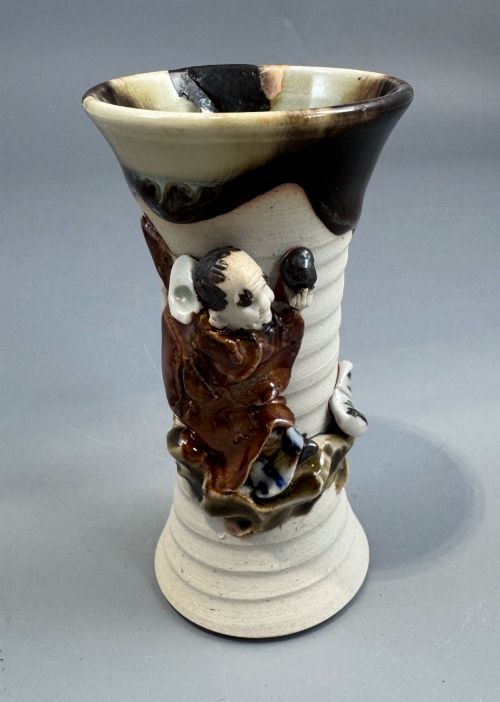


Cream Glazed Vase
A cream glazed antique vase brings a soft, neutral palette and intricate hand-painted detail to any room.
Cream Glazed Vase
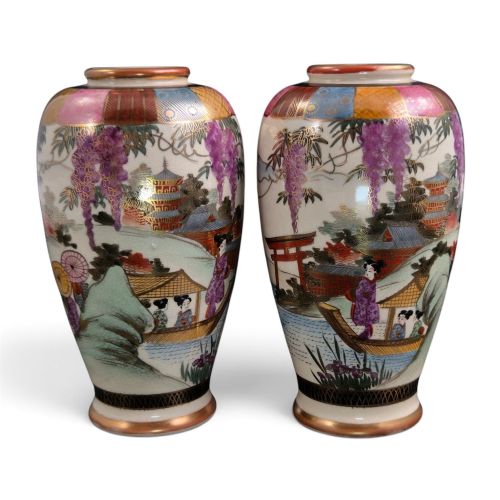
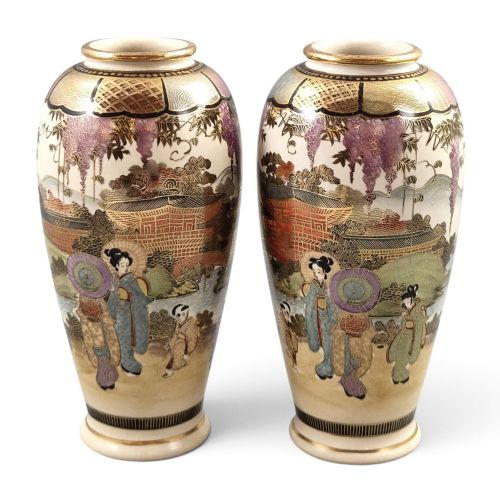
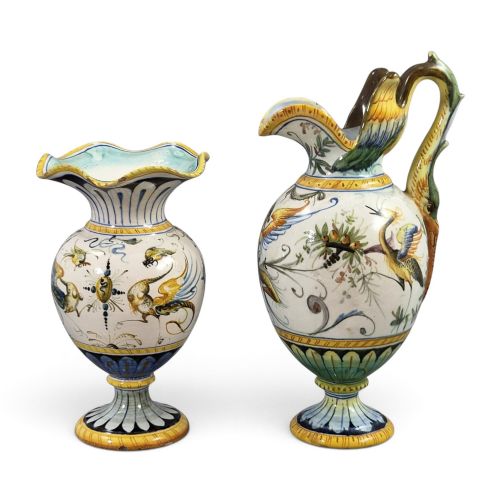
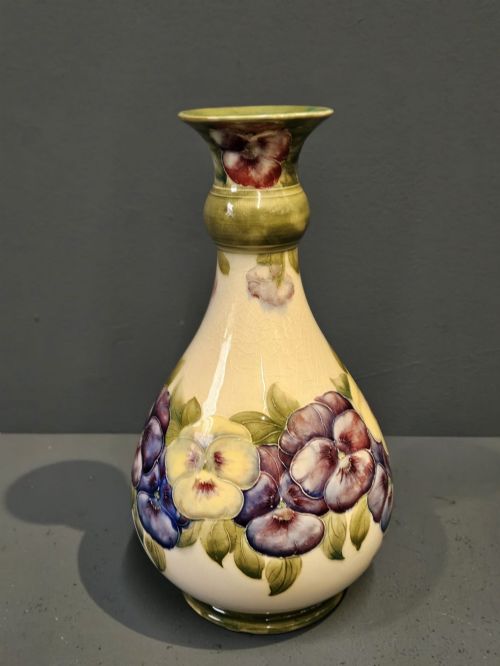
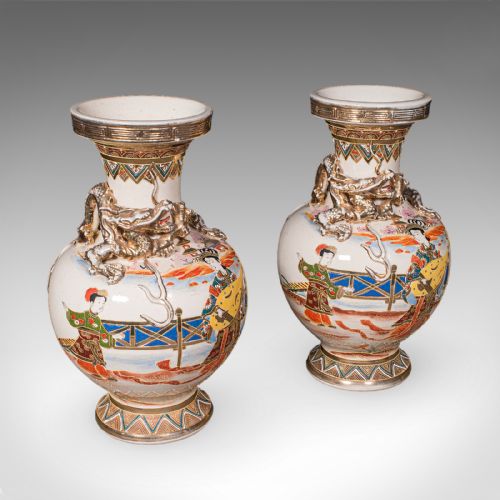
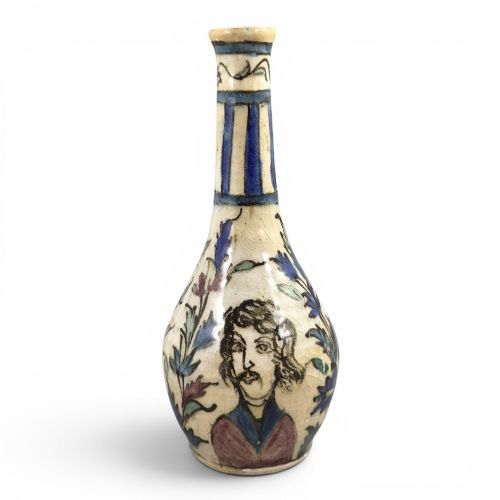
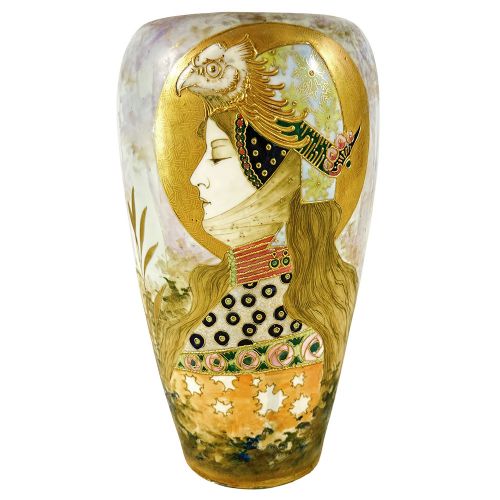
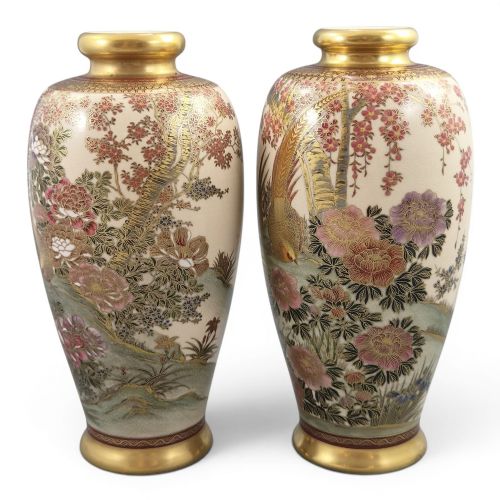
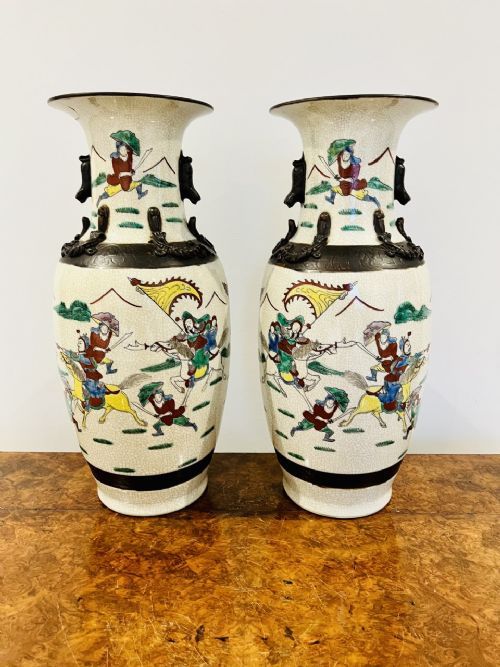
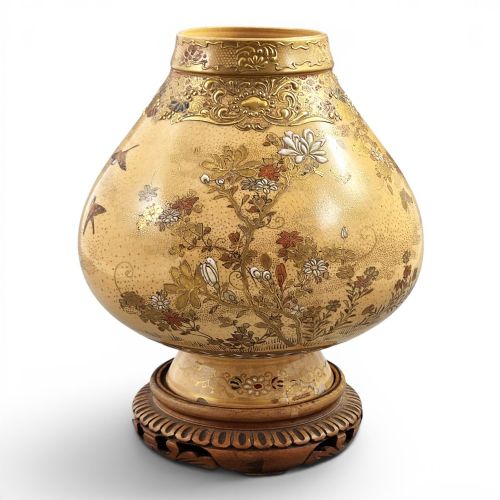
A cream glazed antique vase encompasses a diverse selection of ceramic and pottery vessels sourced primarily from Japanese Satsuma kilns, European workshops, and Chinese potteries. The cream ground often serves as a canvas for detailed hand-painted scenes, including landscapes, portraits, and botanical motifs.
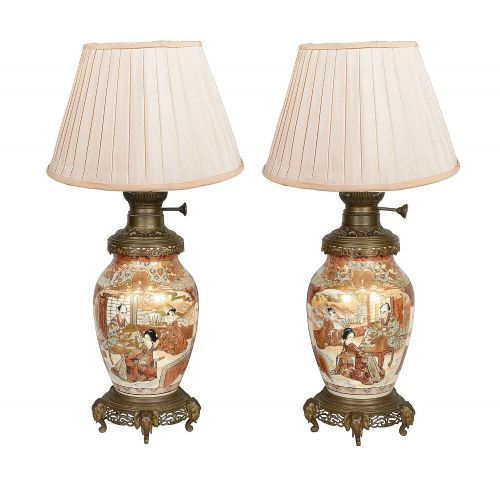
Buyers will most frequently encounter Japanese Satsuma earthenware and European ceramic vases dating from the nineteenth century into the early twentieth century. Forms range from miniature cabinet pieces and baluster vessels to large exhibition pieces, table lamps, and jardinieres.
How they were made
Potters shaped these vessels from earthenware, stoneware, and ceramic bodies, applying a fine crackle-finish glaze that created an ivory or cream-coloured surface. Artisans then hand-painted detailed polychrome enamel designs directly onto the glazed surface.
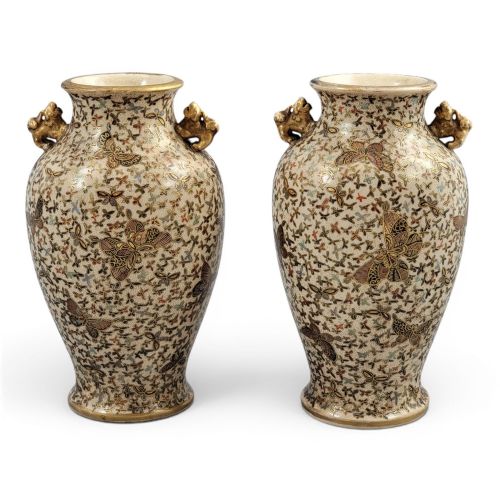
Many makers incorporated raised enamel work and detailed gilding using gold leaf to highlight specific figures, borders, and floral patterns. Some pieces required multiple firings in the kiln to set the base glaze and the subsequent layers of enamel and gold.
Some miniature vases pack entire imperial processions, landscape views, and hundreds of butterflies onto surfaces smaller than an apple.
What varies in quality
The precision and density of the hand-painted brushwork distinguish standard production from exceptional studio output. Master workshops employed skilled artists whose miniature figural groupings and botanical forms display remarkable clarity and control.
The refinement of the underlying ceramic body and the consistency of the cream crackle glaze also differentiate the pieces. Superior vessels exhibit an even, controlled crackle pattern and rich, stable gilding that has survived intact.
Kinkōzan Workshop·Manpei·Chosei·Reissner Stellmacher and Kessel·Robert T Lallement·Cantagalli·Moorcroft McIntyre
The Cream Glazed Vase Glossary
- Satsuma
- A type of Japanese earthenware originating from the Satsuma Province, traditionally featuring an ivory-coloured crackle glaze decorated with enamel and gold leaf. It became widely exported during the Meiji period.
- Majolica
- A type of earthenware coated with an opaque tin glaze and painted with metallic oxide colours. It gained popularity during the nineteenth-century Renaissance Revival movement.
- Baluster
- A vertical architectural form with a rounded lower body and a slender neck, frequently adapted for the shape of ceramic vases and lamps. This silhouette provides stability and a balanced decorative display.
- Earthenware
- Porous pottery fired at relatively low temperatures and rendered waterproof through the application of a glaze. It serves as the primary body material for many nineteenth-century decorative vessels.
- Gilding
- The application of gold leaf or powdered gold to the surface of ceramics to accentuate specific motifs. It adds metallic contrast to the cream-coloured ground and enamel colours.
Cream Glazed Vase: Frequently Asked Questions
What is Satsuma ware?
Satsuma ware is a distinct style of Japanese pottery characterised by its soft, ivory-coloured earthenware body covered in a fine network of crackled glaze. Artisans traditionally decorate these pieces with detailed polychrome enamels and raised gold leaf.
First produced for local use, these ceramics gained substantial international renown during the Meiji period as Japanese craftspeople tailored their output for global collectors.
How do I date a Satsuma vase?
Dating these vases relies on examining the characteristics of the ceramic body, the signature marks of the workshop or artist, and the style of the enamel decoration. Pieces produced during the nineteenth-century Meiji period often display meticulous hand-painted detail and specific studio seals.
Later items from the Edwardian and Taisho periods occasionally exhibit a shift towards simplified motifs or heavier gilding. Comparing the signature to known artist registries helps narrow the production window.
Can these vases be used for water?
Most antique earthenware and Satsuma vases feature porous ceramic bodies and delicate enamel work that are not designed to hold water safely. Using them for fresh flowers risks moisture seeping through the glaze and damaging the underlying material.
Instead, these vessels function best as dry decorative ornaments or, in the case of pieces adapted with wiring, as functional table lamps.
What causes the crackle in the glaze?
The distinct crackle effect is an intentional ceramic property created when the glaze cools at a different rate than the underlying clay body. This differential shrinkage causes a fine network of microscopic fissures to form across the surface.
Potters often enhanced these subtle lines by rubbing dark pigment into the cracks to define the ivory or cream ground further.