

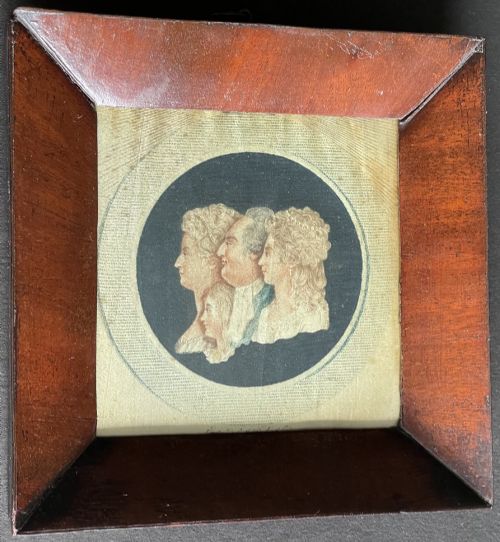
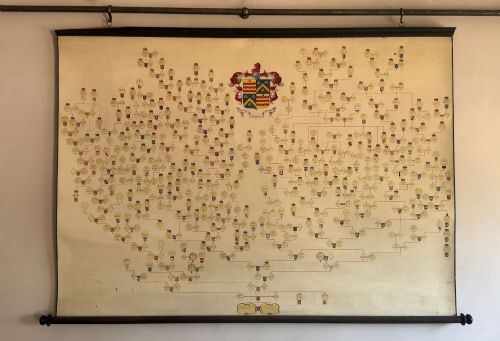
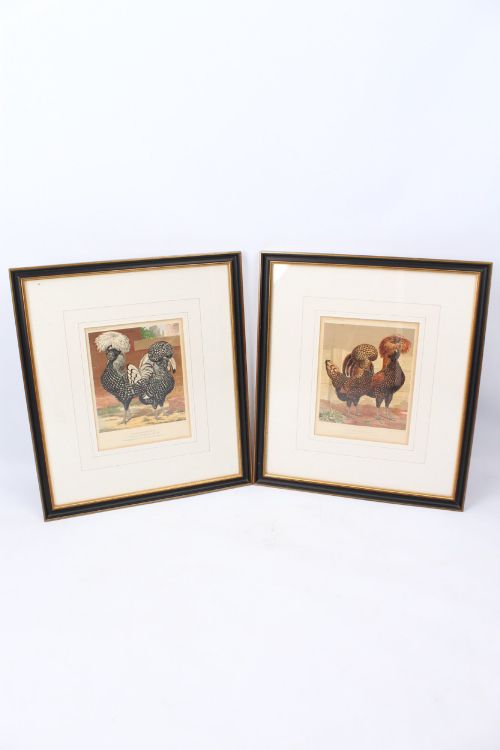
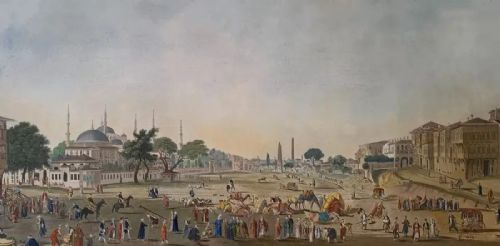
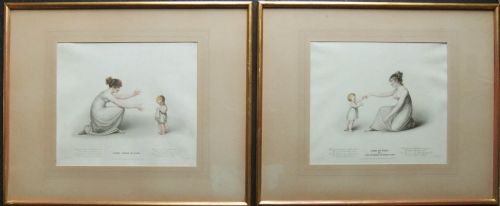
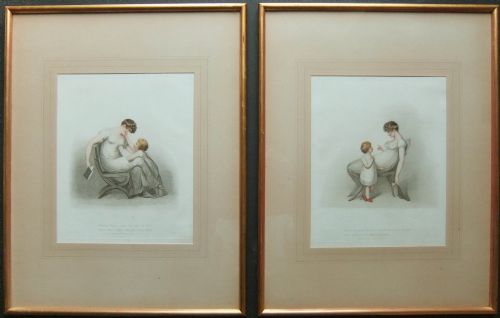
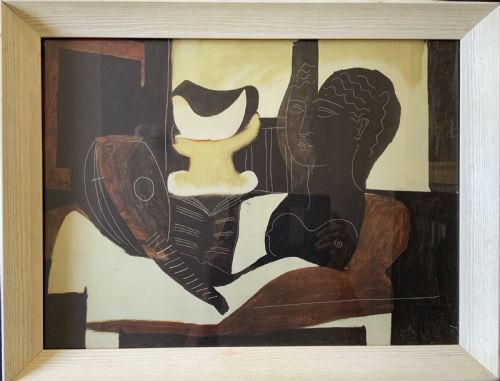
Cream Framed Print
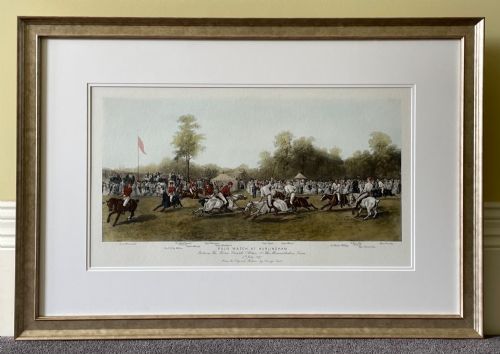
A cream framed print delivers historic charm and character directly to a wall, enclosing centuries of paper artistry within a pale border.
Cream Framed Print
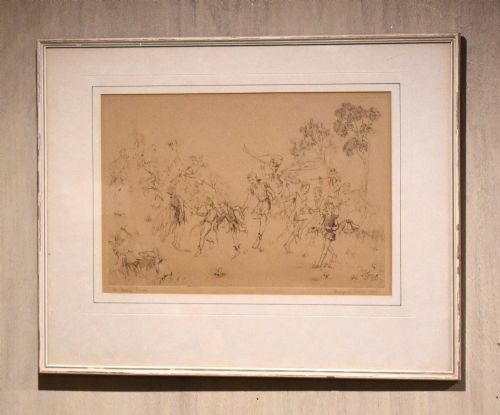
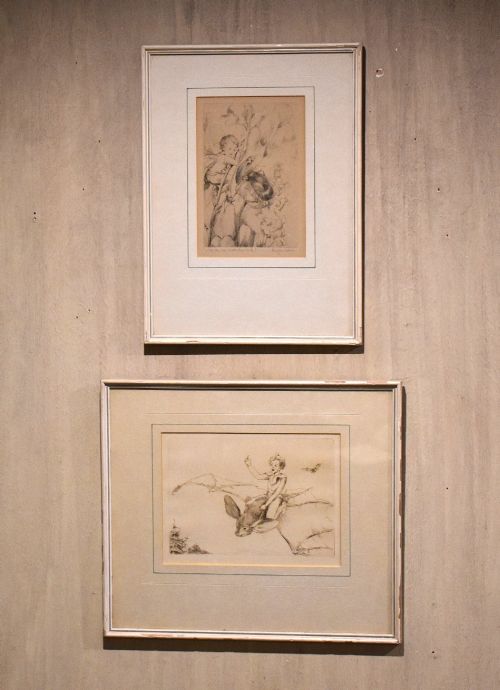
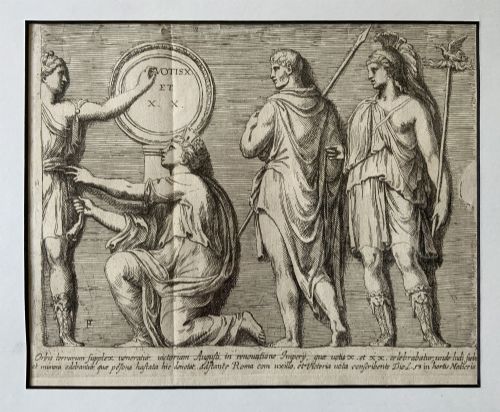
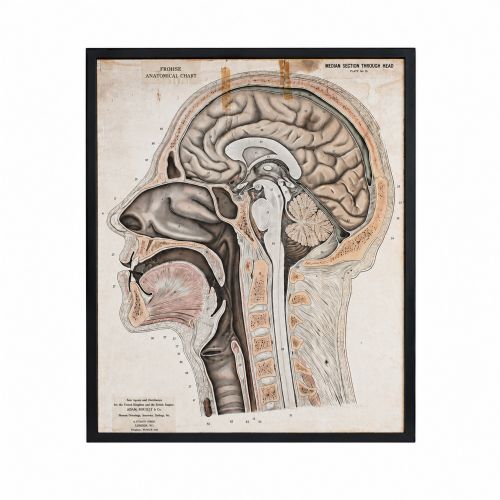
A cream framed print encompasses diverse works on paper housed within neutral painted or gilt surrounds, bringing historic imagery into modern rooms. These pieces range from seventeenth-century etchings and eighteenth-century cartography to Victorian lithographs and mid-century modern abstract compositions.
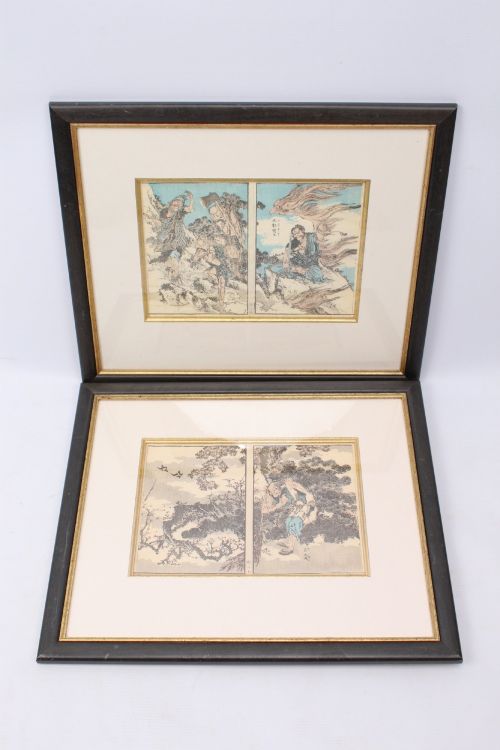
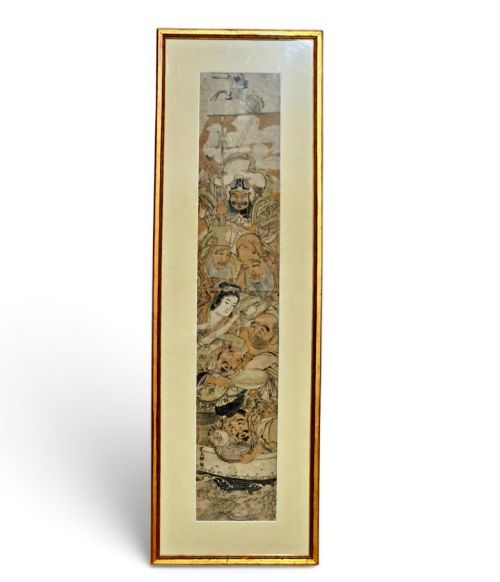
The selection here frequently highlights illustrative plates, botanical specimens, Japanese woodblock prints and traditional portraiture. Each item uses its pale surround to bridge the visual gap between antique paper and contemporary interior colour palettes.
How they were made
Makers utilised traditional printing methods including etching, engraving, lithography and woodblock printing on various grades of paper, cardboard and occasionally silk. Ink application required careful plate pressing or hand colouring to achieve precise tonal depth.
Framing typically involved wood joinery finished with gold leaf or painted cream layers to protect the delicate paper, glass and cardboard components from environmental damage over the centuries.
The inventory encompasses diverse geographic origins including British, French, Italian, and Japanese artistic traditions.
What varies in quality
Quality rests upon the crispness of the original ink impression and the preservation of the paper substrate, avoiding excessive foxing or fading. Early impressions direct from plates show sharper detail than later restrikes.
The integrity of the frame construction and the quality of the glass protection also influence the overall standard, as original mountings complement the historical weight of the enclosed print.
Marjorie L Davies·François Perrier·Adam Rouilly·Hokusai·Katsukawa Shunshō·Marcellin Auzolle·Louis Icart·William Hogarth·Sydney Wilson·Warwick Goble·Louis Wain·Kitagawa Utamaro·Anne Goldthwaite·Thomas G Appleton·Charles F Tunnicliffe
The Cream Framed Print Glossary
- Etching
- A printmaking technique where lines are incised into a metal plate with acid before ink is applied and pressed onto paper. This process allows for fine, fluid detail found in many older works.
- Lithography
- A planographic printing process based on the chemical repulsion of oil and water upon a limestone or metal plate. It enabled the production of multi-coloured illustrations and posters in the nineteenth century.
- Woodblock
- A relief printing method where an image is carved into a block of wood, inked, and transferred to paper. This technique is prominent in traditional Japanese Ukiyo-e prints.
- Mezzotint
- A tonal printmaking method where the copper plate is roughened to produce dark areas, then scraped to create highlights. It yields rich, velvety gradations of shade.
- Foxing
- The brown age spots that develop on old paper due to chemical reactions involving iron impurities. Collectors often look for minimal foxing to judge preservation.
Cream Framed Print: Frequently Asked Questions
How do I care for antique paper prints?
Keep prints away from direct sunlight to prevent the ink and paper from fading over time. Maintain stable indoor humidity levels to protect the paper and wooden frames.
Ensure framing uses acid-free backing materials if re-framing becomes necessary. Regular gentle dusting of the glass keeps the surface clear without disturbing the historic contents.
Are these prints original period pieces?
The listings span multiple centuries, featuring original engravings, etchings and first edition prints created during their respective eras. Each entry specifies the historical period and technique.
Checking the paper texture, ink application and framing style helps confirm the age of the piece. Consult individual listings for specific production dates.
How do I choose the right size?
Measure your wall space carefully and consider the proportion of the cream frame relative to surrounding furniture. Larger maps and botanical sets require central placement to anchor a room.
Smaller individual illustrations or etchings work well grouped together in pairs or series. Ensure the visual weight of the frame complements your interior scale.
What subjects are available?
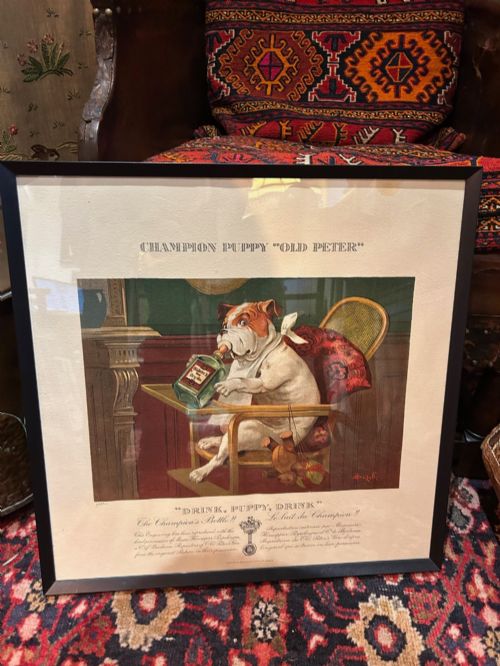
The selection includes cartography, Japanese fairy tales, architectural plates, portraits, animal studies and advertising art. These diverse subjects reflect the visual culture of their respective periods.
Whether you prefer seventeenth-century maps or mid-century abstract compositions, the common thread is the framing style. This variety allows collectors to match specific historical interests to their decor.