



Mythological Art Print
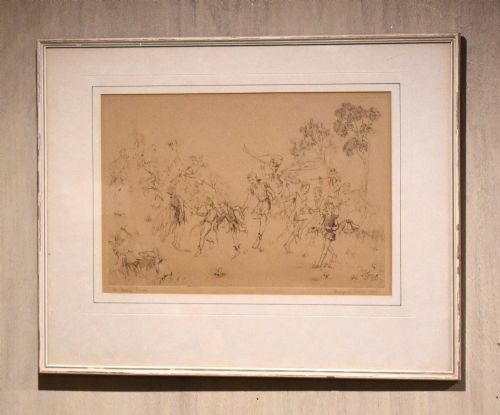
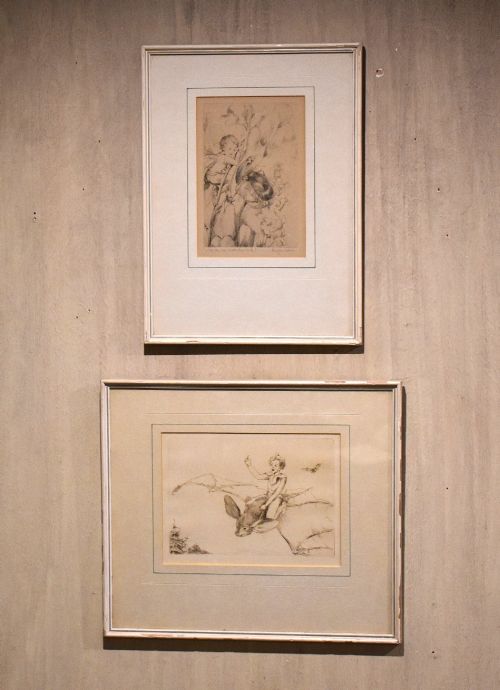
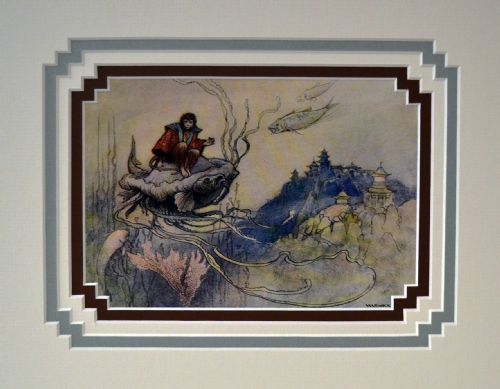
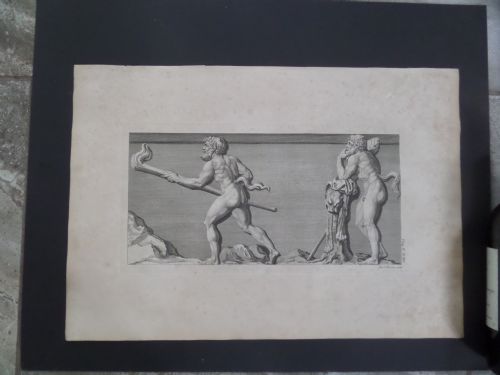
These mythological art print examples range from seventeenth century etchings to nineteen-thirties illustrations, bringing classical stories and fairy revels directly into your rooms.
Mythological Art Print
A mythological art print brings classical deities, nymphs, and ancient architecture onto paper and canvas through centuries of graphic traditions. When you search this phrase, you encounter everything from seventeenth century Italian etchings to Victorian classical interpretations and early twentieth century British illustration.
The selections on this page lean heavily toward eighteenth century engravings of Greek and Roman subjects alongside nineteen-thirties depictions of woodland spirits and nature gods. Framed prints and engravings dominate the offerings, though oil paintings on canvas also appear among the periods represented.
Mannerist and Italian Renaissance influences surface alongside Neoclassical and Edwardian styles, reflecting how successive generations reimagined ancient myths. Whether you choose a detailed architectural plate or a delicate fairy tale scene, these works preserve traditional storytelling in visual form.
Materials and techniques
Ink on paper forms the foundation of the engravings and etchings, capturing fine lines through intaglio printing methods developed across the seventeenth and eighteenth centuries. These works frequently utilise cardboard or paper substrates housed within traditional wood frames, sometimes accented with glass and gilt finishes.
Oil paintings employ traditional canvas supports and pigments to render richer tonal depth for figures like Pan or Pygmalion. Gilt resin components also appear in the framing materials, combining historical printing arts with decorative presentation frames.
Listings feature paper, ink, wood, glass, and oil on canvas across periods spanning the seventeenth century to nineteen-thirty.
Evaluating quality and execution
The strength of a print lies in the crispness of its lines and the fidelity of the impression taken from the original plate. Finer examples retain deep contrasts in the ink work, whereas weaker impressions lose the subtle details of classical drapery and architectural ornament.
Frame construction and material preservation also influence the piece, particularly where antique wood, glass, and gilt elements are intact. The calibre of the draughtsmanship, whether executed by an eighteenth century master engraver or an early twentieth century illustrator, ultimately defines the upper tier of these works.
Marjorie L Davies·Warwick Goble·Margaret Maitland Howard·Arthur Hacker·Polidoro de Caravaggio·Andrea Mantegna·James Basire
The Mythological Art Print Glossary
- Engraving
- A printmaking process where an artist cuts lines directly into a metal plate with a burin. The resulting incisions hold the ink for transfer onto paper under pressure.
- Etching
- A method where acid bites into metal plate lines that an artist has exposed through a protective ground. This technique allows for fluid, organic lines characteristic of historical printmaking.
- Neoclassical
- A style drawing inspiration from the classical art and culture of ancient Greece and Rome. It emphasises symmetry, proportion, and heroic mythological subjects.
- Mannerism
- An artistic style originating in sixteenth century Italy that breaks from Renaissance naturalism in favour of elongated proportions and dynamic compositions. It influenced later printmakers and classical illustrators.
- Intaglio
- A family of printing techniques where the image is incised into a surface so the sunken areas hold the ink. Engravings and etchings both belong to this category.
Mythological Art Print: Frequently Asked Questions
What subjects do these prints show?
The subjects encompass ancient Greek and Roman deities, mythical figures like satyrs and nymphs, and classical architectural antiquities. You also find scenes drawn from traditional fairy tales and literary works such as The Tempest.
These narratives offer a window into how different eras visualised ancient legends and theatrical productions. Each piece captures a specific interpretation of classical mythology.
How should I display a framed print?
Protect antique paper and ink works by hanging them away from direct sunlight and excessive moisture. Using appropriate framing materials helps preserve the paper and any gilt wood elements.
Grouping works from similar periods creates a cohesive wall display that highlights shared artistic styles. Ensure the room environment remains stable to protect both the print and its frame.
How do I identify the age of an engraving?
Examine the paper quality, plate marks, and typographic style used in any accompanying titles or publisher credits. Seventeenth and eighteenth century engravings often display distinct laid paper textures and period printing characteristics.
Comparing the stylistic details against known historical movements like Neoclassicism or Mannerism helps narrow down the production era. Maker signatures and publication dates inscribed on the plates offer direct clues.
What is the difference between an etching and an engraving?
An engraving relies on physical force with a tool to carve lines into metal, producing clean and precise strokes. An etching uses acid to bite the lines into the plate, allowing for softer and more painterly curves.
Both techniques create intaglio prints where ink sits below the surface of the plate. Close inspection under magnification reveals the characteristic edge qualities of carved versus acid-bitten lines.