








Cream Framed Floral Art
Cream framed floral art brings together botanical subjects and painted or stitched compositions set within pale wooden or moulded surrounds.
Cream Framed Floral Art
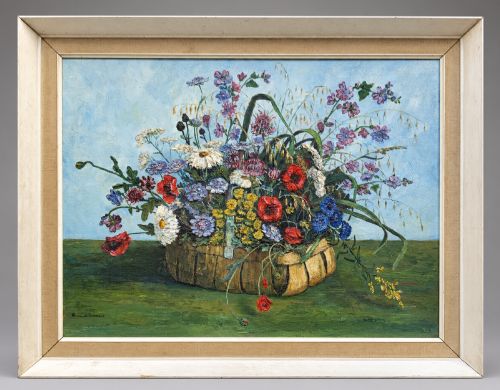
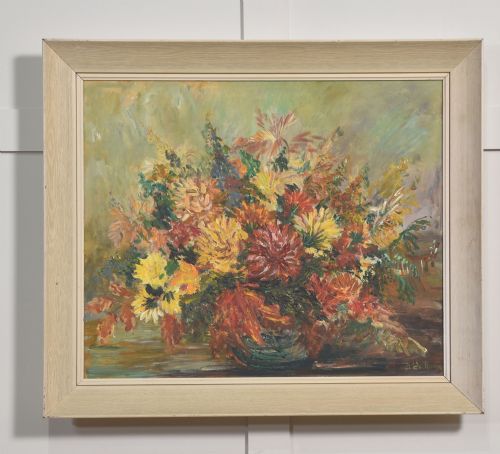
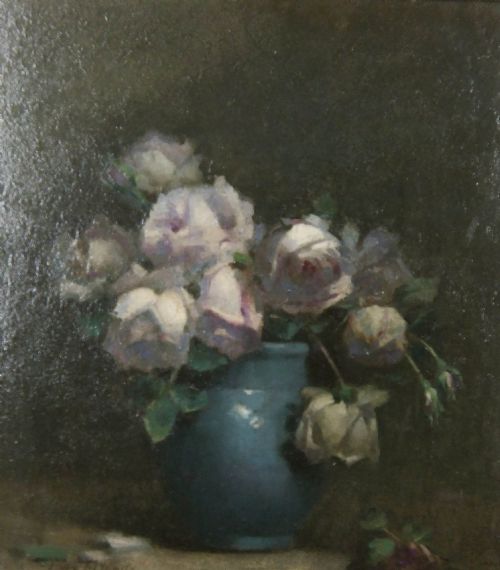
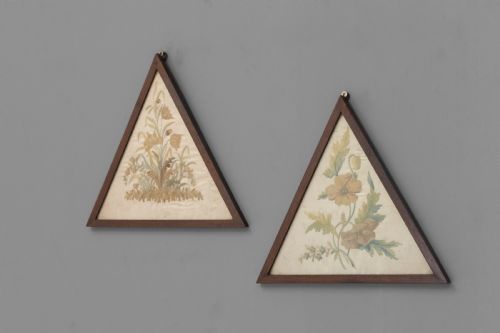
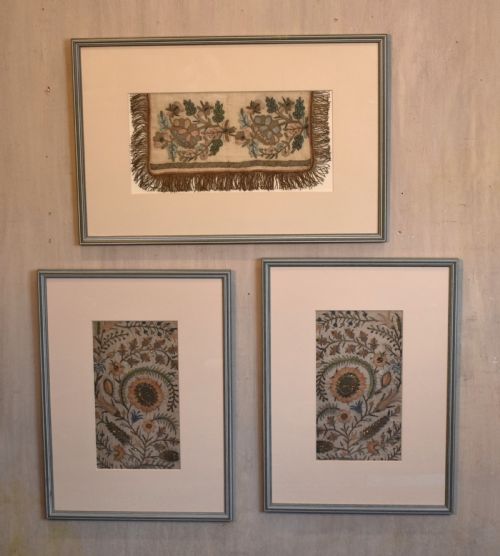
Cream framed floral art encompasses oil paintings, botanical engravings, and intricate needlework panels depicting flowers and garden scenes. These works span from the eighteenth century through to the mid-twentieth century, capturing changing approaches to botanical illustration and still life.
Buyers seeking cream framed floral art will encounter diverse periods including Georgian pieces, nineteenth-century hand-coloured engravings, and twentieth-century oil paintings on canvas. The unifying element across these works is the floral subject matter presented within light-toned or cream-coloured frames.
Originating from British, French, and Chinese workshops, these pieces include botanical prints after artists like Pancrace Bessa and George Dionysius Ehert, alongside textile works such as Suzani embroideries and needlework samplers.
Materials and construction
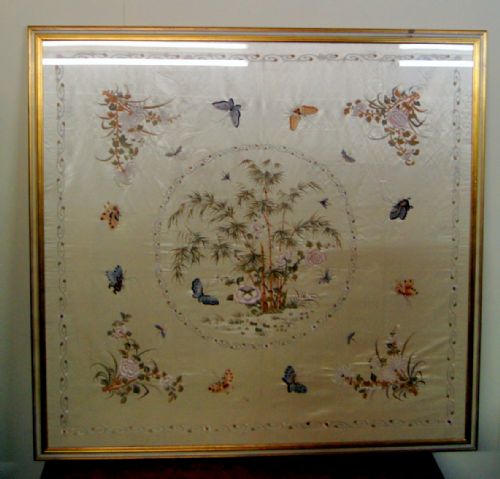
The physical objects rely on traditional supports such as canvas, linen, paper, and silk, combined with oil paint for painted works and detailed hand-colouring for engravings. Textile pieces utilise fine silk and linen threads for needlework samplers and embroidered panels.
Wood provides the structure for the frames enclosing these artworks, frequently paired with glass to protect paper prints, engravings, and delicate textiles from environmental damage.
Cream Framed Floral Art Retail Price Guide 2026
Typical asking prices for cream framed floral art among the pieces listed under this phrase on Sellingantiques today, from the lower quarter to the upper quarter. They describe what is for sale here now, not the wider market.
Mandarin ducks and garden birds occasionally keep the flowers company in nineteenth-century Chinese embroideries.
Assessing quality and execution
Quality in these pieces rests upon the precision of the medium, whether that is the brushwork in oil paintings by artists such as William Thomas Wood or Owen Bowen, or the exactitude of hand-coloured botanical engravings. Finer works display superior handling of colour, light, and botanical accuracy.
The condition of the textile components in needlework panels and the preservation of the paper and ink in eighteenth and nineteenth-century engravings dictate the standing of an individual piece.
D. L. Williams·William Thomas Wood·Pancrace Bessa·Margaret Laing·John Curtis·Georg Wolfgang Knorr·Ernest Higgins Rigg·Owen Bowen·George Dionysius Ehert
The Cream Framed Floral Art Glossary
- Botanical engraving
- A printed image produced from an engraved plate depicting plant species, often hand-coloured with watercolours.
- Needlework sampler
- A piece of embroidery produced as a demonstration or test of skill, often featuring alphabets, motifs, and floral patterns.
- Suzani
- A type of embroidered tribal textile originating from Central Asia, often featuring bold floral and botanical patterns.
- Oil on canvas
- Pigment suspended in drying oil applied to a woven fabric stretched across a wooden frame.
Cream Framed Floral Art: Frequently Asked Questions
What periods do these pieces represent?
The selection includes works from the eighteenth, nineteenth, and twentieth centuries. Examples range from Georgian botanical engravings to mid-century oil paintings.
Each era brings distinct methods of depiction, from scientific botanical illustration to expressive post-impressionist floral still lifes.
How should I care for framed textiles?
Textile panels and needlework samplers require protection from direct sunlight to prevent the fading of silk and linen threads. Keeping them behind glass helps shield the delicate fabrics from dust and atmospheric moisture.
Maintaining stable indoor humidity levels prevents the wood framing and the textile fibres from degrading over time.
What is the difference between an engraving and a painting?
Engravings are printed works produced from etched plates, often hand-coloured with pigments as seen in botanical plates from the eighteenth and nineteenth centuries. Paintings are unique handmade works created with oil paint directly onto canvas, linen, or wooden panels.
Paintings show visible brushwork and texture, whereas engravings present fine, precise printed lines beneath watercolour or ink washes.
Where were these botanical prints originally published?
Many botanical engravings originated from dedicated natural history publications and florilegia of the eighteenth and nineteenth centuries. Works by figures like George Dionysius Ehert and Pancrace Bessa were created for major scientific and botanical documentation of the period.
These plates were subsequently framed for display, preserving the detailed plant studies intended for botanical reference.